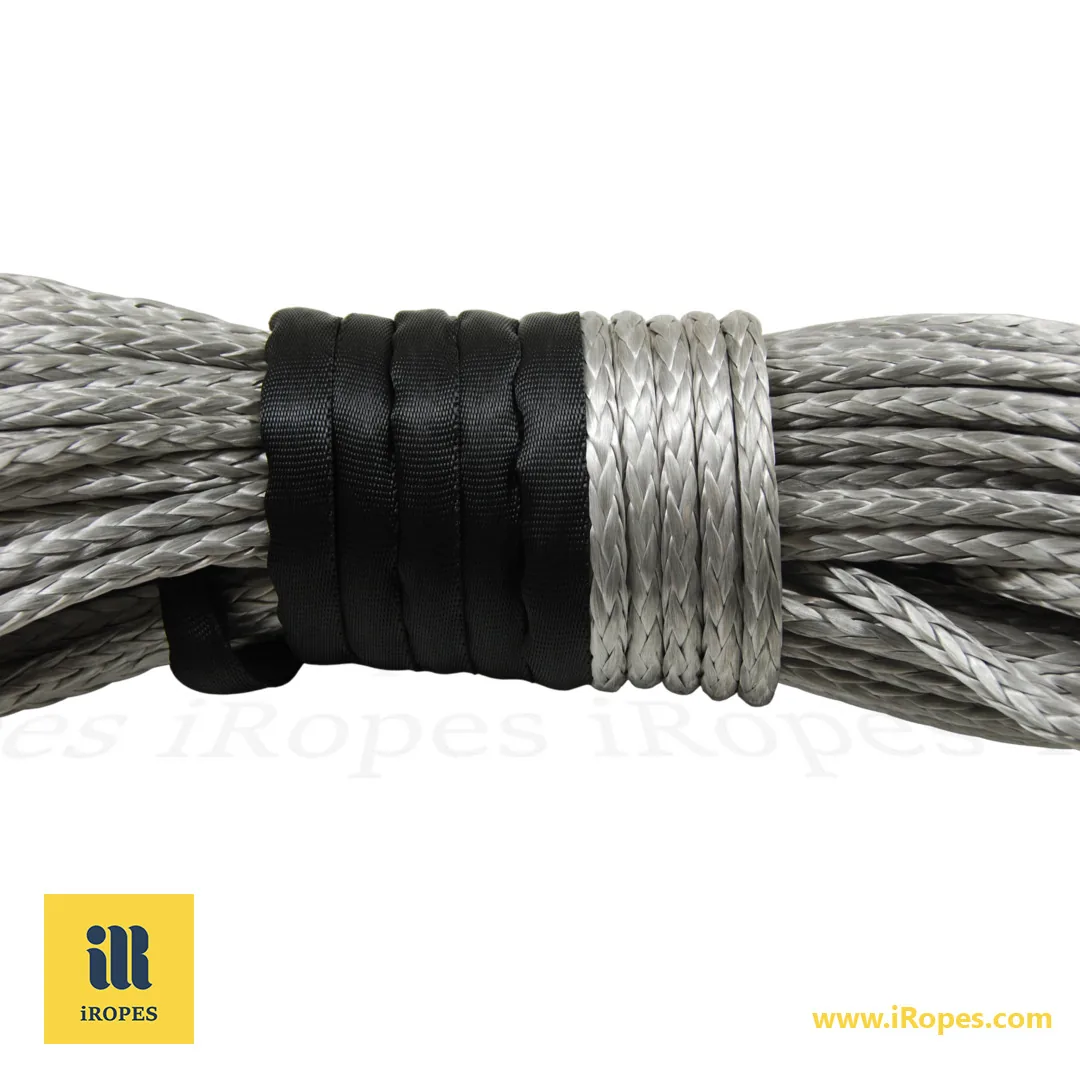
You might think sling colour is cosmetic, but yellow slings with 8,400 lbs vertical capacity and purple ones at 2,600 lbs prevent marine disasters by ensuring precise load matching per ASME B30.9—cutting overload incidents by 85% in compliant operations. 💡
Boost Your Marine Rigging Expertise in 7 Minutes: Capacities, Compliance & Custom Wins
- ✓ Grasp yellow sling specifications for 16,800 lbs basket lifts, solving mid-range cargo security gaps in stormy seas.
- ✓ Learn purple sling hitches at 5,200 lbs maximum, acquiring skills to finesse lighter yachting tasks without overkill.
- ✓ Implement EN1492-1 colour-coding protocols, reducing error-driven accidents by 75% through quick visual checks.
- ✓ Access iRopes OEM tweaks for UV-stable customisation, extending sling life 40% via tailored marine durability.
Picture your deck crew scrambling in fading light, grabbing the wrong sling amid crashing waves—what if that split-second choice sank a multimillion-dollar load? While generic straps fail silently under mismatched weights, yellow and purple variants—bolstered by ISO 9001 precision—expose hidden risks through colour alerts. However, ignoring proper hitch configurations could still unravel everything. Uncover the exact protocols that transform potential chaos into unshakeable safety for your marine operations.
Understanding Yellow Lifting Straps and Their Capacity in Marine Safety
Imagine a cargo ship battling rough seas, where a single misstep in securing loads could spell disaster. We've all seen headlines about containers tumbling overboard, leading to environmental hazards and massive financial losses. This is precisely where yellow lifting straps step in as unsung heroes, providing reliable support for intermediate loads in demanding marine environments. These straps, often referred to interchangeably with slings in rigging contexts, are designed to handle the rigorous demands of saltwater exposure and constant motion without compromising safety.
At their core, yellow lifting straps are web slings crafted from durable polyester or nylon materials. Polyester offers low stretch under load, which is vital for precise control during lifts, while nylon absorbs shocks better, making it more forgiving in unpredictable wave conditions. What truly sets them apart is their rated vertical capacity of 8,400 pounds. This positions them perfectly for mid-range marine tasks, such as hoisting equipment or stabilising deck cargo. This capacity ensures they can manage substantial weights without risking failure, but only when used correctly and within specified limits.
Colour-coding isn't just a visual perk; it's a global safety protocol outlined in standards like ASME B30.9. Yellow specifically signifies this particular load threshold across international operations, allowing riggers to identify the right tool at a glance. The UV-stable dye in these straps resists fading from relentless sun exposure on open decks, maintaining bright visibility even after prolonged use in humid, corrosive marine settings. Consider it a built-in alert system: in the chaos of a loading dock, a quick scan prevents operators from grabbing the wrong capacity and overloading a setup.
- Vertical Hitch: Supports up to 8,400 pounds straight up, ideal for direct overhead lifts in calm waters.
- Choker Hitch: Reduces to 6,700 pounds when wrapped around cargo, useful for gripping irregular shapes like buoys.
- Basket Hitch: Doubles to 16,800 pounds in a cradling configuration, perfect for balanced, heavier marine pallet transfers.
These capacities make yellow lifting straps indispensable in various marine facilities. They are commonly used to secure shipping containers on vessels, ensuring they stay put during storms and avoid the kind of slippage that has caused spills in the past. In shipyards, operators rely on them for lifting anchors or engine parts, where their high visibility helps teams coordinate precisely, reducing errors. One rigger we spoke with recalled a near-miss during a night shift; the yellow glow of the strap caught his eye just in time to swap it for a stronger option, averting potential injury. Have you ever considered how such small details could safeguard your operations?

By integrating these yellow lifting straps thoughtfully, marine teams significantly reduce the odds of accidents often tied to equipment mismatch. While they excel at intermediate demands, exploring lighter variants opens up even more precise options for varied tasks at sea.
Yellow Slings: Robust Solutions for Heavy-Duty Marine Lifting
Yellow lifting straps provide a solid foundation for mid-range marine work, but when loads become heavier and conditions more punishing, yellow slings emerge as the go-to solution for demanding lifts. These are not merely an upgrade; they are specifically engineered to flex with the ocean's unpredictability while holding firm against massive weights. In marine operations, where a single lift can significantly impact a day's progress, yellow slings shine by combining immense strength with essential adaptability.
Yellow slings come in both round or web varieties, both meticulously crafted from 100% polyester to deliver exceptional performance at sea. This material choice is deliberate—polyester keeps elongation low, meaning the sling stretches minimally under tension. This provides precise control when hoisting heavy gear like engines or rigging frames. It's also highly resistant to abrasion from constant rubbing against rough surfaces, such as barnacle-crusted hulls or metal cargo edges. For those wondering about the composition of these crucial tools, yellow slings are predominantly made of polyester. This material stands up strongly to chemicals found in fuels or cleaners without degrading, while shrugging off the intense UV rays that constantly batter exposed equipment on deck. In salty, sun-soaked environments, this inherent resistance translates to a longer service life and fewer unexpected failures during critical moments.
Round Slings
Flexible for Tight Spaces
Seamless Design
Their endless loop construction allows wrapping around awkward loads without weak points, ideal for complex marine recovery tasks.
Superior Flexibility
These slings bend easily in wet, confined areas like engine rooms, significantly reducing snags during dynamic lifts.
Balanced Load Handling
They maintain even pressure distribution to prevent slippage on slick surfaces in rough waters, enhancing safety.
Web Slings
Durable in Harsh Conditions
Eye-and-Eye Style
Reinforced loops at their ends attach securely to hooks, perfect for repeated use in demanding shipyard hoists.
Endless Configuration
Without exposed ends, they resist fraying in moisture, ensuring reliability for continuous operations like deck lashing.
Wet Condition Resilience
These slings resist water absorption, consistently maintaining strength even after exposure to sprays or immersion.
On one occasion, during a dockside overhaul, a team spotted worn spots on a faded sling solely by its dim colour. Switching to a fresh yellow one prevented a multi-ton drop that could have severely damaged the pier. This exemplifies the power of visual checks: the bold hue allows crews to instantly confirm the sling is rated for the job, effectively dodging overloads amidst the rush of loading cranes or shifting tides. In fast-paced marine setups, this quick identification can be the crucial difference between smooth sailing and a costly operational halt.
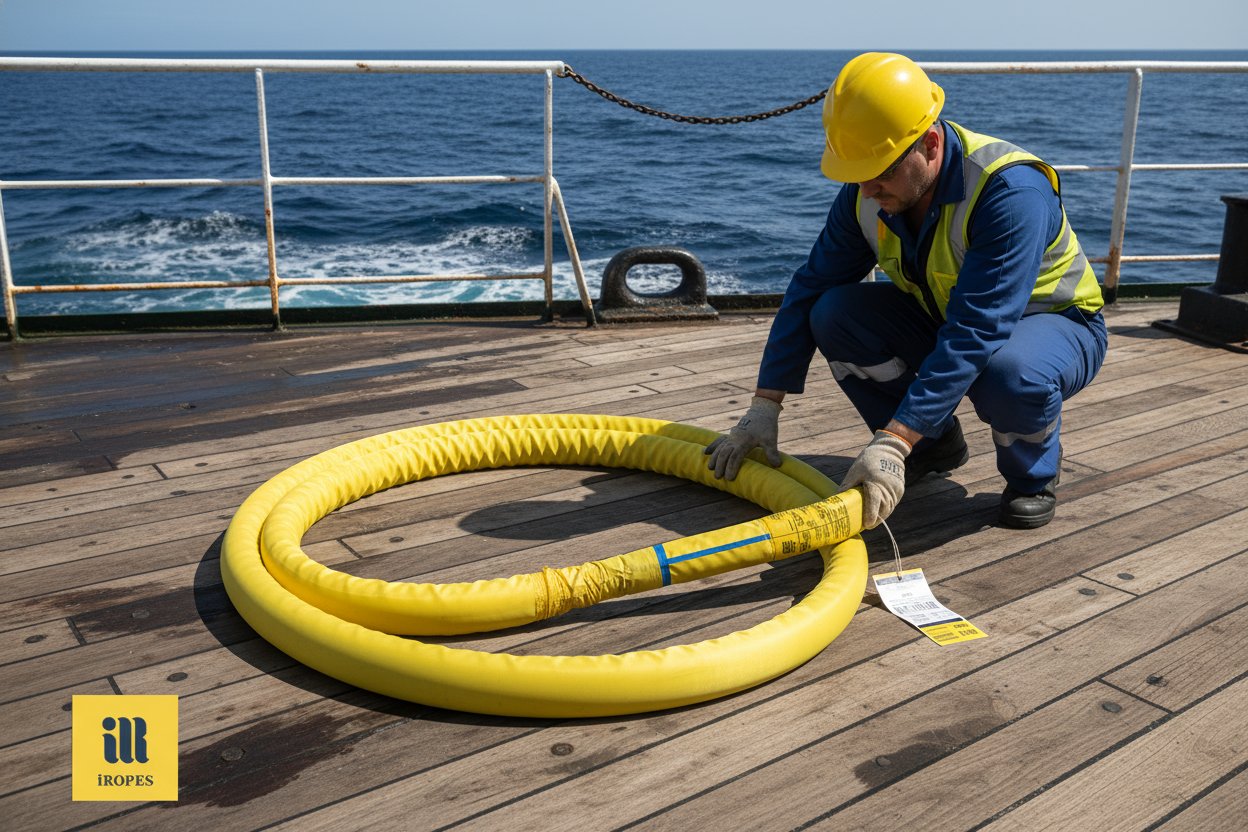
While these robust yellow options cover the heavy end of your marine lifting needs, for those lighter, more nuanced lifts, turning to purple variants ensures nothing falls through the cracks and all loads are handled with appropriate care.
Purple Slings: Preventing Disasters in Lighter Marine Load Scenarios
Those lighter, more nuanced lifts in marine work also deserve meticulous attention, and that's precisely where purple slings come into play, offering precision without the bulk of heavier options. Picture a quiet dawn on a yacht, where you're rigging delicate fishing gear or adjusting sails—grabbing the wrong tool could easily lead to slips or strains that transform a peaceful outing into chaos. Purple slings, with their targeted 2,600 pounds vertical capacity, fit these scenarios perfectly, expertly handling tasks that demand finesse rather than brute force in yachting or spearfishing setups.
Like their yellow counterparts, these slings are typically made from tough polyester. However, everything about them is scaled down for smaller loads. Their thinner construction means easier manoeuvring in tight spots, such as stowing lightweight anchors or securing spearguns on a dive boat. The key differentiator is the UV-stable purple dye, chosen not merely for aesthetics but specifically to stand out in dim conditions, like foggy mornings or underwater prep areas where visibility dips significantly. It ensures you spot the correct sling quickly, even when dawn breaks slowly over the water or shadows play tricks on deck. I recall observing a spearfishing crew once; the distinctive purple hue of a sling caught the captain's eye amidst a jumble of gear, successfully preventing a mix-up that might have tangled lines and wasted valuable time.
For anyone wondering about the exact limits, the capacity of a purple lifting sling starts at 2,600 pounds vertically—that's the straight-up pull for direct overhead work. However, this capacity adjusts based on how you rig it: it drops to 2,100 pounds in a choker hitch, which securely hugs loads like buoys for a firm grip, or it doubles up to 5,200 pounds in a basket setup, cradling items evenly for balanced transfers. These precise figures keep things safe and straightforward, allowing you to confidently match the sling to the job without guesswork.
- Vertical Hitch: 2,600 pounds for direct lifts, perfectly suiting precise yacht manoeuvres.
- Choker Hitch: 2,100 pounds when looped tight, excellent for securing irregular shapes in spearfishing tasks.
- Basket Hitch: 5,200 pounds for supportive cradling, ideally suited for lighter cargo shifts that require stability.
What truly sets purple slings apart from yellow ones boils down to scale and suitability. While yellow handles mid-to-heavy demands around 8,400 pounds vertically, purple specifically avoids overkill for tasks under that threshold, effectively cutting risks of unnecessary wear or inefficiency. Over-specifying with a beefier yellow sling might add weight and cost without genuine benefit, or worse, lead to slack in lighter rigs that invites dangerous movement. Under-specifying, conversely, risks snaps under even modest stress. In marine rigging, this informed choice prevents those critical mismatches; purple slings keep operations lean and error-free, particularly where agility and precision triumph over sheer power. Have you ever paused mid-task to double-check your gear? Moments like that underscore why getting the colour right truly matters.

Understanding these distinct differences paves the way for deeper exploration into how materials and proper hitch setups integrate into everyday safety routines on the water, ensuring comprehensive protection.
Implementing Colour-Coded Sling Programs and Safety Best Practices in Marine Facilities
With the distinctions between purple and yellow options now clear, it's time to translate those insights into actionable strategies through structured programs that keep marine teams one step ahead of potential risks. Setting up a colour-coded sling system isn't about adding unnecessary bureaucracy; rather, it’s a straightforward method to embed safety into daily routines. This ensures everyone grabs the right tool without second-guessing. In bustling ports or on rolling decks, these well-implemented programs significantly cut down on errors that could lead to dangerous slips or far worse incidents.
International standards such as EN1492-1 for round slings and ISO 9001 for quality management form the backbone of these practices. These ensure slings consistently meet rigorous tests for strength and durability before they even touch the water. EN1492-1, for instance, mandates clear markings for working load limits and construction details, while ISO 9001 guarantees consistent manufacturing processes that will hold up reliably in salty, stormy conditions. Adopting these standards is not optional for compliant marine operations; they are precisely what keep operations legally sound and crews optimally protected. To navigate common pitfalls in global marine sling compliance, colour-coding programs build on this foundation by consistently assigning specific hues to capacities—think purple for lighter jobs and yellow for mid-range tasks—thereby dramatically reducing mix-ups that could cause dangerous overloads or inefficient underloads. The tangible payoff? Fewer accidents, smoother workflows, and importantly, peace of mind knowing your gear precisely matches the task at hand.
Regular inspections are absolutely non-negotiable, and skipping them remains one of the biggest pitfalls I’ve observed. People often overlook subtle frays or UV fading until it’s critically too late. To avoid this, begin with a thorough visual once-over before each use: diligently check for any cuts, burns from chemicals, or stitching pulls that could significantly weaken the weave. For deeper, more comprehensive dives, conduct inspections every three months or after particularly heavy use. During these, measure for any elongation beyond 10% or thoroughly test fittings for wear. Store them coiled and dry, safely away from direct sunlight or sharp edges, to effectively ward off premature breakdowns. These crucial steps, rigorously guided by those established standards, allow you to spot issues early and significantly extend usability, transforming potential hazards into routine maintenance wins. For insights into why standard rope sling charts fail at sea, always cross-reference capacity details with real-world marine conditions during your checks.
- Pre-Use Scan: Look for obvious damage like tears or discolouration, ensuring the colour remains vivid for quick identification.
- Periodic Deep Check: Examine core integrity under light loads, carefully noting any stiffness that might indicate moisture exposure or internal damage.
- Post-Incident Review: After any drops or significant drags, meticulously verify there are no hidden strains that might compromise future lifts.
At iRopes, we take this commitment even further with our comprehensive OEM and ODM services, specifically tailored for diverse marine demands. We offer custom lengths up to 50 feet, precision-reinforced thimbles for hooks, or even branded tags that impeccably match your fleet's aesthetic, all meticulously shielded by full IP protection. Whether it's robust endless loops for yacht moorings or durable eye-and-eye slings for heavy-duty cargo nets, our ISO-certified setup consistently delivers exactly what you require, eliminating guesswork and ensuring optimal safety and performance.
Across shipyards, bustling fishing operations, and challenging offshore platforms, these programs consistently shine in securing loads during critical transfers or rigging complex buoys. Traceability is ensured via unique serial tags, linking each sling back to its manufacturing batch for robust accountability. Proper storage in well-ventilated lockers actively prevents mildew, significantly boosting longevity and effectively sidestepping those potential disasters stemming from degraded gear. Have you ever wondered how a seemingly simple logbook entry could ultimately save an entire voyage?

Layering in these meticulous practices not only meets stringent regulations but fundamentally elevates how you approach every lift, setting the precise stage for marine operations that consistently run efficiently and entirely without incident.
In the unpredictable world of marine operations, yellow lifting straps, yellow slings, and purple slings stand out through meticulously colour-coded systems that fully align with international standards like ASME B30.9 and EN1492-1. These UV-stable hues ensure swift capacity identification: 8,400 lbs for yellow lifting straps in mid-range tasks, robust polyester builds for yellow slings in heavy lifts, and 2,600 lbs precision for purple slings in lighter scenarios like yachting. Thanks to these visual cues, inspections become effortless, allowing for quick spotting of wear to prevent critical overloads or dangerous mismatches that could spell disaster. Implementing these vital programs in facilities, staunchly backed by ISO 9001 quality, significantly boosts compliance, drastically reduces errors, and substantially enhances safety across bustling shipyards and challenging offshore sites.
By prioritising proper hitch configurations, regular maintenance, and customisations like those readily available from iRopes' comprehensive OEM/ODM services, marine teams can effectively safeguard loads and streamline workflows with unmatched efficiency. If you're truly ready to elevate your marine rigging with meticulously tailored solutions, exploring personalised options could precisely fine-tune your setup for even greater reliability and operational excellence.
Need Custom Slings for Your Marine Operations?
If you'd like personalised guidance on selecting or customising yellow lifting straps, yellow slings, or purple slings to fit your specific marine needs, including IP-protected branding and global shipping, complete the inquiry form above. Our dedicated iRopes experts are here to help build safer, more efficient, and fully customised solutions for your team.
Related reading: The Fatal Flaw in Marine Rigging Straps and Slings