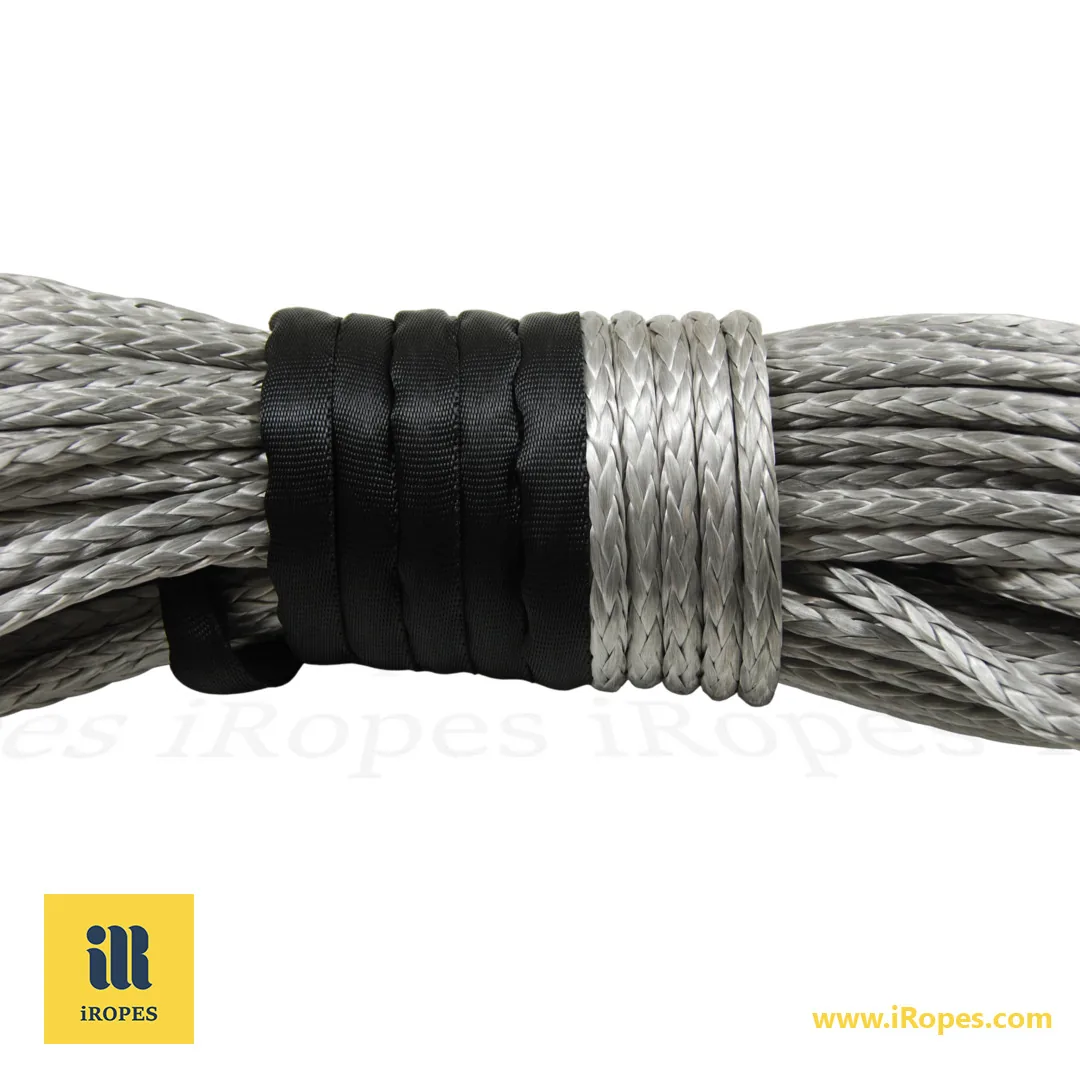
Solid‑braid MFP rope floats 100 % and offers low stretch under load, while a 3/8‑in line delivers ≈1,800 lb break strength (≈360 lb working load limit, WLL).
≈2 min read – what you’ll gain
- ✓ Cut rope weight by around 20 % versus nylon, easing handling.
- ✓ Save on material cost while maintaining reliable tensile performance.
- ✓ Ensure 100 % buoyancy and dielectric safety for marine and electrical settings.
- ✓ Benefit from low stretch that preserves tension accuracy.
Most specifiers default to nylon because it promises higher tensile numbers, yet they overlook that a solid‑braid multifilament polypropylene line can cut project weight and cost while staying afloat and electrically safe. Swapping a ½‑in dock line for the MFP alternative often reduces handling effort and material spend, with steadier tension in service. The sections below show how the rope’s construction creates those gains and how to customise it for your next build.
solid braid multifilament polypropylene rope – definition and construction
When you need a rope that stays light, floats effortlessly and resists the elements, the solid braid multifilament polypropylene rope often becomes the first choice. It’s commonly used for dock lines, buoy‑mooring, water‑sport gear and even lightweight industrial tie‑downs because the material does not absorb water and can be produced in bright, high‑visibility colours.

In plain terms, multifilament polypropylene (MFP) is a synthetic fibre made of many fine PP filaments twisted together, creating a rope that feels soft to the hand yet remains remarkably buoyant. This two‑sentence definition satisfies the most common “What is multifilament polypropylene?” query that users type into search engines.
“The solid braid’s tight weave gives it a predictable, low‑stretch behaviour that you can rely on when the load shifts underwater.” – senior rope engineer, iRopes
- Strand count – typically 8 to 32 individual strands, each composed of fine PP filaments.
- Core options – a parallel or braided core can be added (polypropylene, polyester, or nylon) to tune strength and handling.
- Material selection – high‑density PP for floatability, optionally blended with UV‑stabilisers for sun‑exposed applications.
Beyond the construction details, the rope’s key physical traits set it apart from competing fibres. Its inherent floatability means it will not sink, a critical safety factor for any marine or aquaculture use. UV resistance is moderate; standard grades handle typical sunlight, while specialised UV‑stabilised versions endure prolonged exposure. The low‑stretch characteristic helps maintain tension without the spring‑back you see in nylon. Finally, the material’s dielectric nature makes it safe around electrical installations, an advantage for dockside wiring or offshore rig applications.
solid braid polypropylene rope – strength, pros & cons
Building on the material’s floatability and dielectric nature, it is useful to see how a solid braid polypropylene rope behaves when tension is applied and what practical benefits it brings to a project.

A solid braid construction weaves 8‑32 strands tightly around a core, giving a predictable load‑bearing profile. By contrast, a hollow braid uses a tubular sheath without a dense core, which reduces weight but also lowers ultimate strength. When paired with a multifilament polypropylene core, the solid braid version retains its characteristic buoyancy while offering superior tensile performance.
- 3/8 in – 1 800 lb break strength, 360 lb working load limit (WLL)
- 1/2 in – 2 200 lb break strength, 440 lb working load limit
- 5/8 in – 2 600 lb break strength, 520 lb working load limit
These figures illustrate why the rope is a favourite for applications where weight and flotation matter more than raw strength.
Pros
Lightweight – weighs significantly less than comparable nylon, easing handling and transport.
Floatability – stays on the surface even after full sub‑mersion, a safety advantage for marine work.
Cost‑effective – lower material cost makes it attractive for large‑scale projects.
Cons
UV wear – standard grades lose strength after prolonged sun exposure; UV‑stabilised versions mitigate this at higher cost.
Low melt point – softens near 320 °F (160 °C), limiting use near heat sources.
Knot slip – smooth filament surface can cause knots to loosen under cyclic loading.
Understanding these strengths and drawbacks helps engineers choose the right diameter and core type for dock lines, buoy moorings, or any water‑based utility where buoyancy outweighs sheer tensile power.
multifilament polypropylene rope – applications and buying guide
Having examined the pros and cons of solid braid polypropylene rope, it’s time to see where the material truly shines and how you can order exactly what your project demands.
Marine dock lines (benefits of black polypropylene rope for marine use), water‑sport harnesses, aquaculture netting and general‑purpose utility ties are the most common scenarios for multifilament polypropylene rope. The rope’s innate floatability means a dropped line simply surfaces for retrieval, while its low stretch keeps tension steady on a sail‑boat rig or a pool lane marker. In a coastal aquaculture farm, the same rope can hold crab pens without rusting, and on a construction site it serves as a lightweight bundling strap that won’t corrode around electrical conduit.

iRopes makes tailoring a rope as easy as picking a paint swatch. Through comprehensive OEM and ODM services you can specify:
Customise with iRopes
Choose any diameter from 3/16 in to 5/8 in, request bespoke colour blends for high‑visibility marking, set lengths from 10 ft to 250 ft, and protect your design with full IP safeguards. All production follows ISO 9001 standards, guaranteeing consistent quality for every spool.
When you line‑up alternatives, the differences become clearer. The grid below contrasts the key performance indicators of multifilament polypropylene rope with nylon and polyester fibres.
MFP Benefits
Why choose this fibre
Floatability
Remains buoyant even when fully submerged, ideal for marine work.
Cost‑effective
Lower material cost per foot compared with nylon or polyester.
Low stretch
Low elongation under load, keeping tension consistent.
Nylon & Polyester
Alternative fibres
Higher strength
Typically greater break strength than MFP.
UV durability
Better resistance to sun‑induced degradation.
Heavier
Greater density means it sinks, limiting use in water‑based settings.
For quick reference, a 3/8 in solid braid rope delivers a break strength of 1 800 lb, translating to a working load limit of roughly 360 lb. This figure satisfies the common query, “How strong is a 3/8 solid braid polypropylene rope?” and helps you size the line for dock‑side loads.
3/8 in Spec
Break strength ≈ 1 800 lb; Working load limit ≈ 360 lb. The rope stays buoyant, resists most chemicals and is fully dielectric, making it safe near electrical installations.
When ordering, consider UV‑stabilised grades for prolonged sunlight exposure to extend service life.
By matching the rope’s floatability and cost profile to marine or utility tasks, and by leveraging iRopes’ custom‑length and colour services, you can avoid over‑specifying and keep budgets tight. For deeper insight into PP rope strength, see our guide on understanding the breaking strength of polypropylene rope.
Ready for a custom polypropylene rope solution?
The guide has demonstrated how the solid braid multifilament polypropylene rope delivers buoyancy, low stretch and UV resistance, making it ideal for dock lines, water‑sport gear and industrial ties. Strength tables, such as a 3/8 in break of 1 800 lb, illustrate why the solid braid polypropylene rope is trusted for lightweight load‑bearing tasks. If you need the lightweight benefits of multifilament polypropylene rope for water‑sports applications customised to your exact diameter, colour, length or core, iRopes’ ISO 9001‑certified OEM/ODM service can tailor a solution while protecting your IP.
For personalised assistance, simply complete the enquiry form above and our rope specialists will get in touch to help you specify the perfect rope for your project.