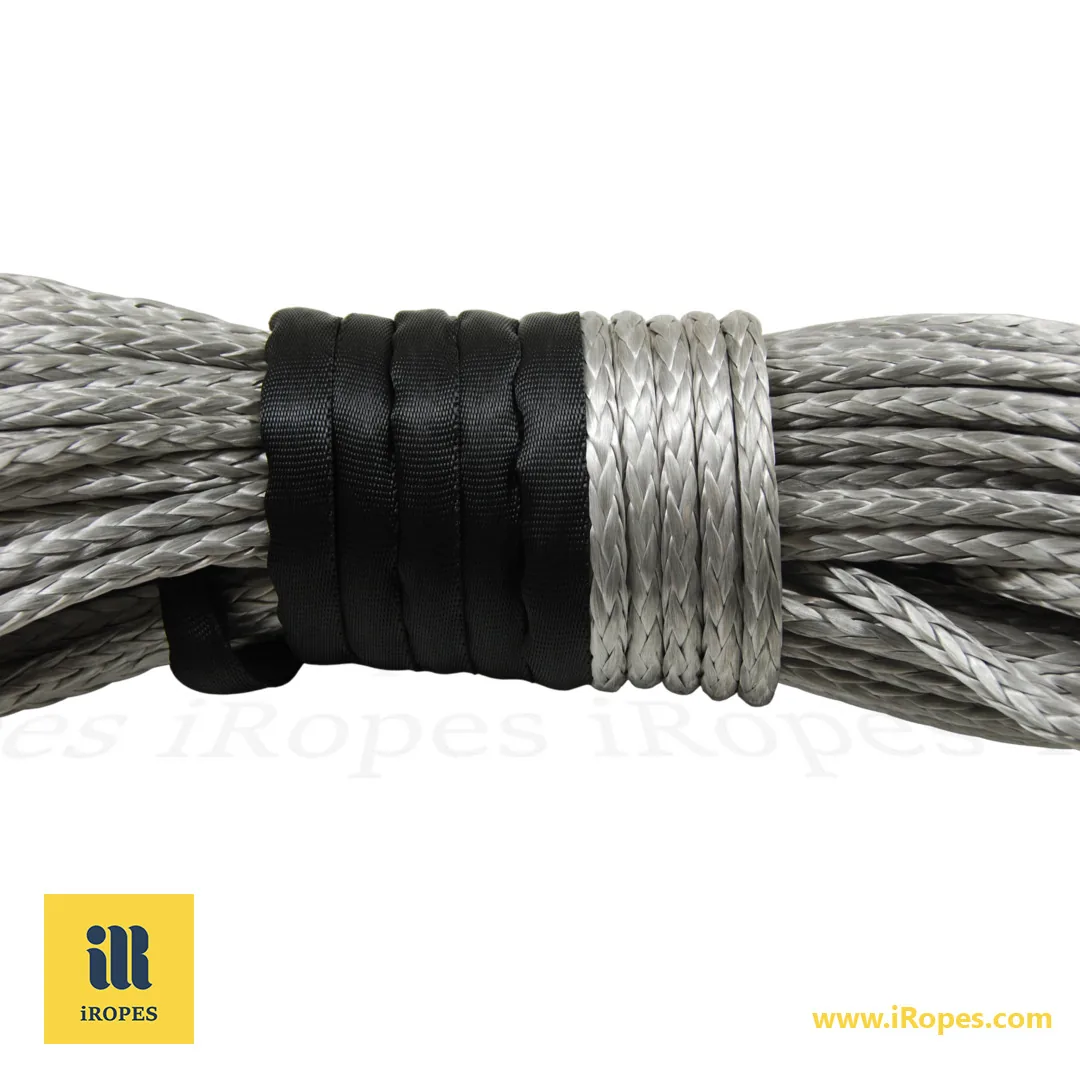
iRopes soft shackles deliver higher strength and improved abrasion resistance than standard market options, and their colour‑coded, reflective coating adds night‑time visibility.
Reading time: 8 min
- ✓ Higher tensile strength versus generic shackles.
- ✓ Longer wear life under abrasive conditions.
- ✓ Multi‑colour, reflective coating adds night‑visibility and branding flexibility.
- ✓ ISO 9001‑certified production with full IP protection for custom designs.
Most off‑road crews assume any soft shackle will do, yet testing shows iRopes’ soft shackles deliver higher tensile strength and better abrasion resistance than standard market equivalents. This isn’t just a colour choice – the proprietary coating adds night‑visibility while preserving performance, a detail that overseas brands have praised in field trials. Keep reading to discover how pairing these shackles with a 4‑tuck synthetic winch rope eye splice can help your winch line retain around 90 % of its strength.
Mastering tying synthetic winch rope: Essentials and Tools
After you’ve learned how a quick emergency tie‑off works, the next step is to understand the rope itself and the gear you’ll need before you start tying synthetic winch rope for the long haul.
HMPE (High‑Modulus Polyethylene), sold under names like Dyneema or Spectra, forms the backbone of modern winch lines. Compared with steel cable, a Dyneema line can be up to 30 % lighter while delivering 10–20 % higher breaking strength per pound. iRopes’ production follows ISO 9001 standards, meaning every coil is inspected for consistent tensile performance and minimal elongation.
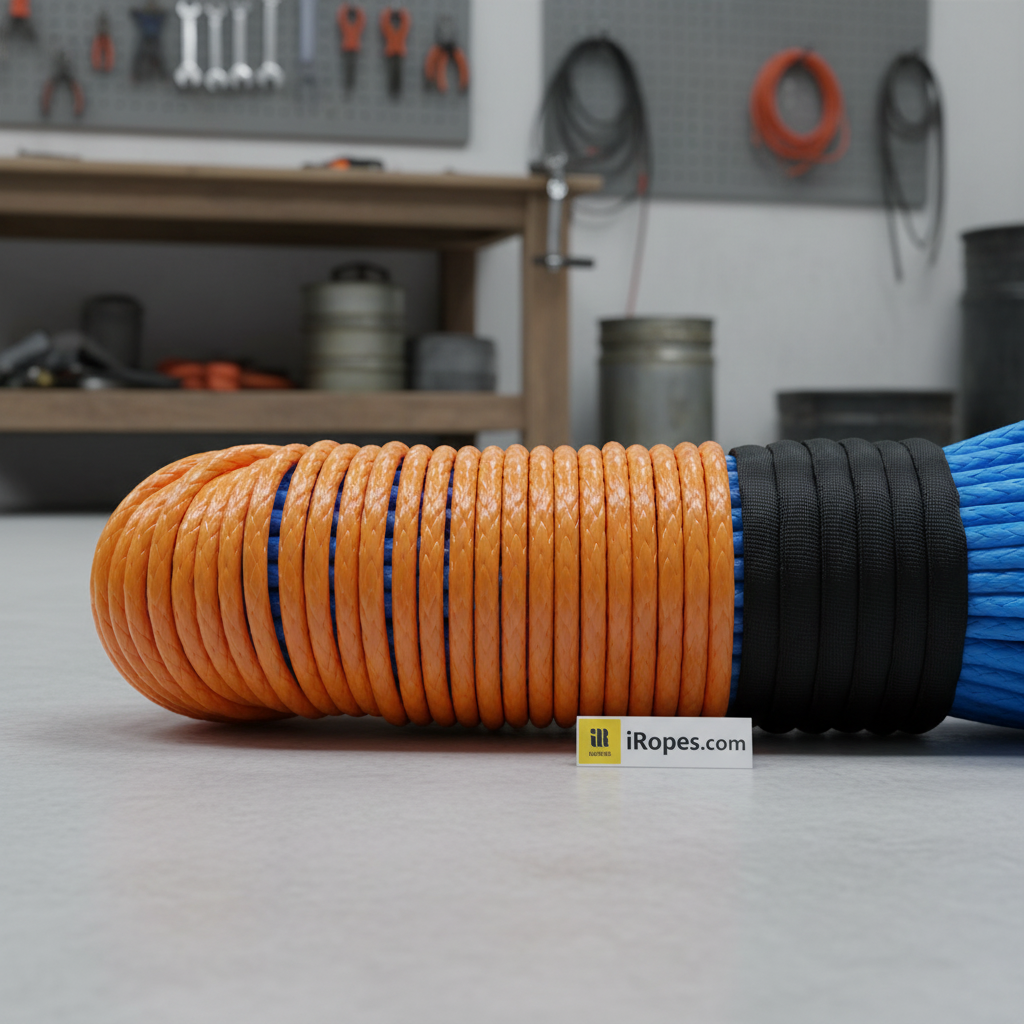
Before you cut the first knot, gather these essentials. Each item not only speeds up the process but also protects you from rope damage.
- Fid – a tapered metal tool that opens the rope fibres for tucking.
- Heat‑knife – trims ends cleanly without fraying the synthetic strands.
- Gloves – protect your hands from sharp ends and the occasional hot cut.
- Thimble – reinforces the eye and prevents the rope from crushing against a hook.
- Lock‑stitch thread – a high‑tenacity polyester thread for sealing the splice.
- Measuring tape – ensures accurate bury length (at least 30× the rope diameter).
When a sudden recovery is required, the constrictor knot is your go‑to. It’s simple, secure, and can be tied in seconds. Can you tie a knot in synthetic winch rope? Yes, you can, but a knot will shave roughly 65 % off the line’s rated strength, so reserve it for emergencies only.
- Form a loop that is slightly larger than the winch hook.
- Cross the standing part over the working end to create an X.
- Wrap the working end around both parts of the rope twice, staying tight.
- Pass the working end under the last turn, then pull snug to lock the knot.
- Dress the knot by pulling each standing segment; the constrictor should sit flush against the hook.
With the knot mastered, you’re ready to evaluate options on synthetic winch rope amazon listings and eventually move on to a permanent eye splice. The right tools and a solid understanding of the rope’s material are the foundation for every successful recovery.
Choosing the right synthetic winch rope amazon offers
After you’ve seen how a quick knot can hold a load in an emergency, the next logical step is to look at the permanent line you’ll rely on every time you winch. Amazon hosts a crowded market, but a few models consistently combine strength, durability and price‑point. Below is a concise snapshot of typical top‑rated options as of the latest 2025 listings.
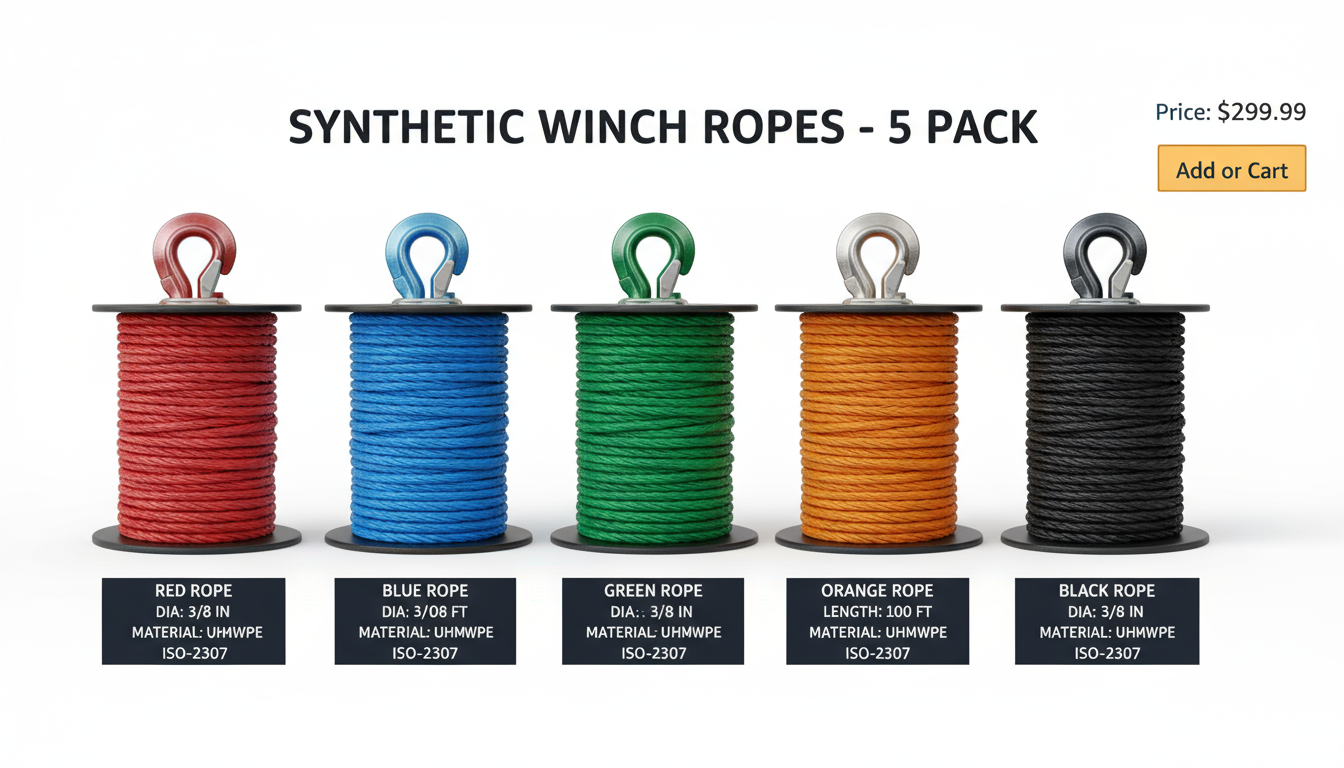
Amazon Comparison (2024)
| Brand | Diameter (mm) | Breaking Strength (lb) | Price (USD) | Rating |
|---|---|---|---|---|
| RidgeLine | 6 | 9,800 | 78 | 4.6 ★ |
| TerraForce | 8 | 12,500 | 112 | 4.7 ★ |
| ProLine | 10 | 15,200 | 149 | 4.8 ★ |
| HeavyDuty | 12 | 18,600 | 195 | 4.5 ★ |
| TrailMaster | 9 | 13,300 | 129 | 4.6 ★ |
Which synthetic winch rope is best on Amazon? The best choice matches your winch’s required diameter and load rating. For many 4×4 recoveries, a 10 mm line around 15,200 lb offers a strong balance of capacity, value and user reviews. Always confirm up‑to‑date specs and ratings.
Performance
What to look for
Coating durability
UV‑resistant polymer layers that can extend service life by about 15 % in sunny environments.
Colour options
Bright orange, neon yellow or custom OEM colours help you spot the line quickly.
Warranty
Look for a clear manufacturer warranty against premature fibre degradation.
Extras
Added value
Soft shackles
iRopes soft shackles offer higher abrasion resistance and a palette of vibrant colours that have earned praise from overseas brands.
Packaging
Non‑branded bags or custom colour boxes keep the rope protected during shipping.
OEM/ODM services
If standard listings don’t meet your specs, iRopes can produce a tailor‑made line with IP protection built in.
“Soft shackles that resist wear and keep their colour tend to outperform alternatives during months of harsh off‑road use.”
Armed with a clear comparison and a checklist of performance factors, you can order the rope that matches your winch’s capacity and your budget without guesswork. Once the line arrives, the next section will walk you through the eye splice that locks that strength into a permanent, reliable loop.
Creating a reliable synthetic winch rope eye splice
Now that the rope you selected is on hand, it’s time to turn that length of HMPE fibre into a permanent loop that will keep almost all of its engineered strength. A well‑made eye splice is the difference between a winch line that pulls smoothly and one that snaps when you need it most.
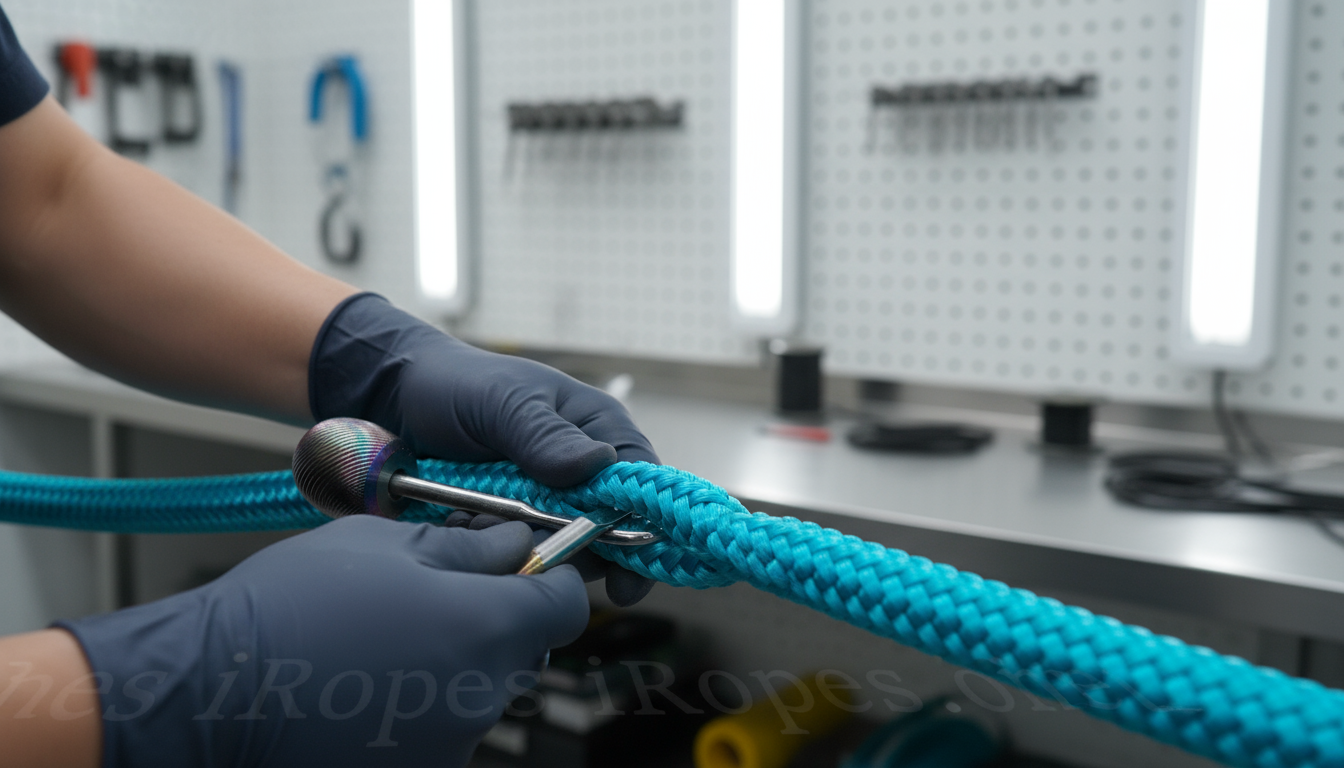
When you compare a splice to a simple knot, the numbers speak loudly: the splice keeps roughly 90 % of the line’s load capacity, while a knot can leave you with barely 35 %. The quick‑reference chart in the image above makes that contrast obvious at a glance.
Splice
Retains roughly 90 % of the rope’s rated load, giving you near‑original performance.
Consistency
Four tucks ensure even load distribution and minimise fibre damage.
Knot
Strength drops to about 35 % of the original, risking failure under load.
Wear
Knot creates stress concentrations that accelerate abrasion.
The 4‑tuck Brummel splice is the industry standard for synthetic winch rope. Follow these four clear actions:
1. Measure and mark. Use a tape to set a bury length of at least 30× the rope diameter; draw a line with a marker.
2. Insert the fid. Push the tapered fid into the rope at the marked point, opening the fibres enough for the first tuck.
3. Perform the tucks. Thread the working end back through the opened core four times, tightening each tuck as you go to build a neat, compact eye. A dedicated splicing tool kit can make the process smoother.
4. Finish with a lock‑stitch. Secure the tail with a high‑tenacity polyester thread, looping it around the standing part and trimming the excess with a heat‑knife.
When the question pops up—“When making an eye splice on a synthetic rope, how many tucks must be given?”—the answer is simple: four tucks are the standard for HMPE/Dyneema lines, providing the best balance of strength and durability.
Consider adding iRopes’ reflective coating or colour‑coded elements to the finished splice eye for better visibility and extra abrasion protection.
With the eye splice completed, the next step is keeping that loop in peak condition—regular inspections, tension checks, and the occasional re‑splice will keep your winch line reliable year after year.
Maintenance, inspection, and custom solutions
Now that the splice is holding strong, the real test begins each time you load the winch. A disciplined inspection routine catches wear before it becomes a failure, and knowing the right repair path keeps you on the road rather than in the shop.
Start every outing with a quick visual sweep. Look for surface abrasion where the rope contacts the drum, check for any UV‑induced fading that signals coating breakdown, and run your fingers along the splice eye to feel for loosened fibres. A simple tension check – pull the rope through the thimble and feel for a give that isn’t present in a fresh line – tells you if the core has stretched beyond its designed limit.
Inspection Checklist
Abrasion, UV fade, frayed ends, splice wear, tension check – run this list before every use.
If you discover a flaw, the repair approach depends on severity. A minor nick can be tacked with a temporary sheet‑bend; it restores continuity but delivers significantly less strength, often under half of the original, so treat it as a stop‑gap. For any visible splice damage, a full re‑splice restores the near‑original 90 % strength retention. When the rope is beyond repair, swapping in a custom‑spec line from iRopes gets you back to full performance without compromise.
iRopes’ custom‑solution service lets you fine‑tune every aspect of the line. Choose a core material that matches your load profile, select a colour or reflective coating that stands out in low light, and add patterns that double as safety markers. Their OEM/ODM capability means you can order a batch that carries your brand identity, while IP protection safeguards any proprietary design you develop. Packaging options range from plain bags to colour‑coded boxes or cartons, ensuring the rope arrives ready for the field.
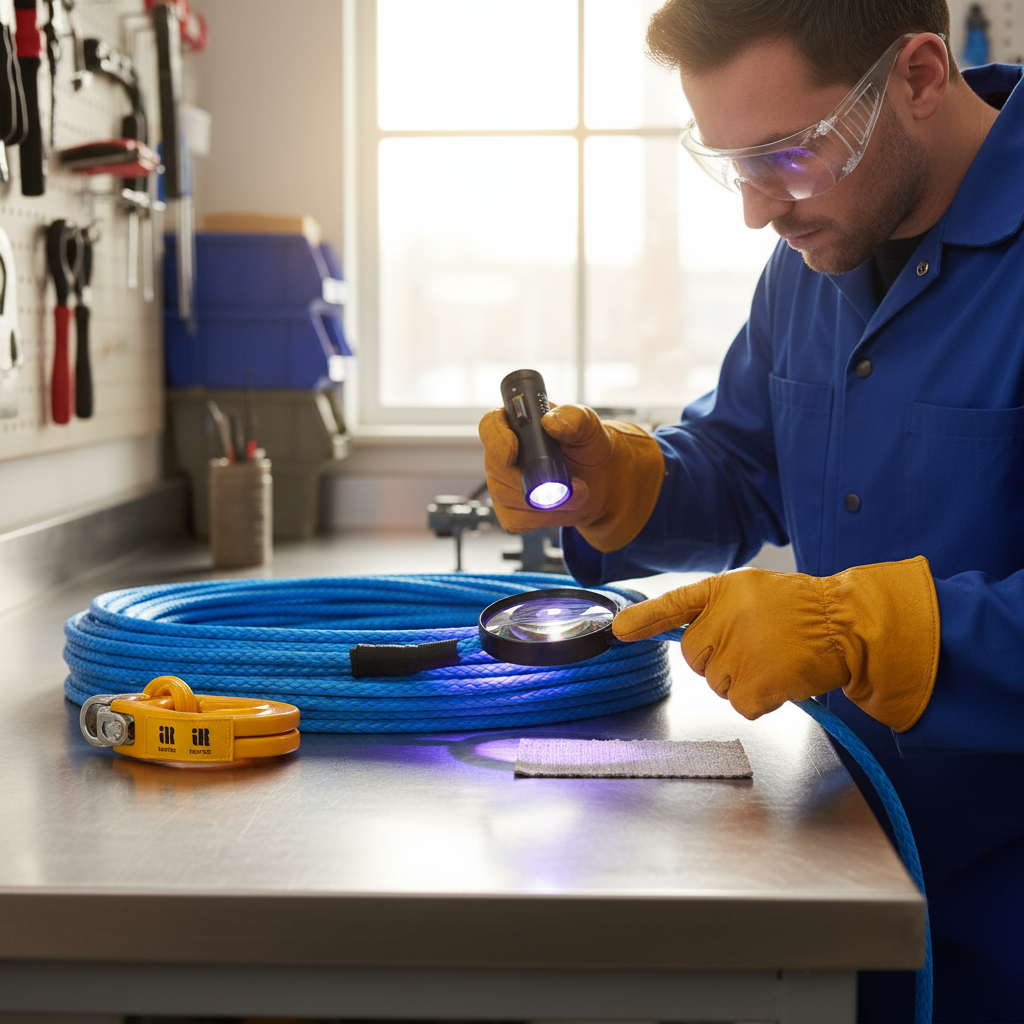
Remember, a broken rope can be re‑connected with a sheet‑bend for emergencies, but the safest long‑term fix is a proper re‑splice or a fresh custom line. By combining vigilant inspections, the right repair method, and iRopes’ tailored options, your synthetic winch rope will stay strong, visible, and ready for the next challenge.
By mastering the essential tools, selecting a high‑grade line from synthetic winch rope amazon, and executing a proper synthetic winch rope eye splice, you can retain up to 90 % of the rope’s strength. For anyone still unsure about tying synthetic winch rope, our experts can help you fine‑tune the technique. iRopes’ soft shackles further boost performance – their strength and abrasion resistance exceed typical market products, and the specialised coating delivers a wide palette of colours that have earned consistent praise from overseas brands. Combine these advantages with regular inspection and you’ll keep your recovery system reliable season after season.
Request a personalised rope solution
If you’d like a custom quote, colour options, or advice on optimising your winch line, simply complete the form above and our specialists will get back to you.