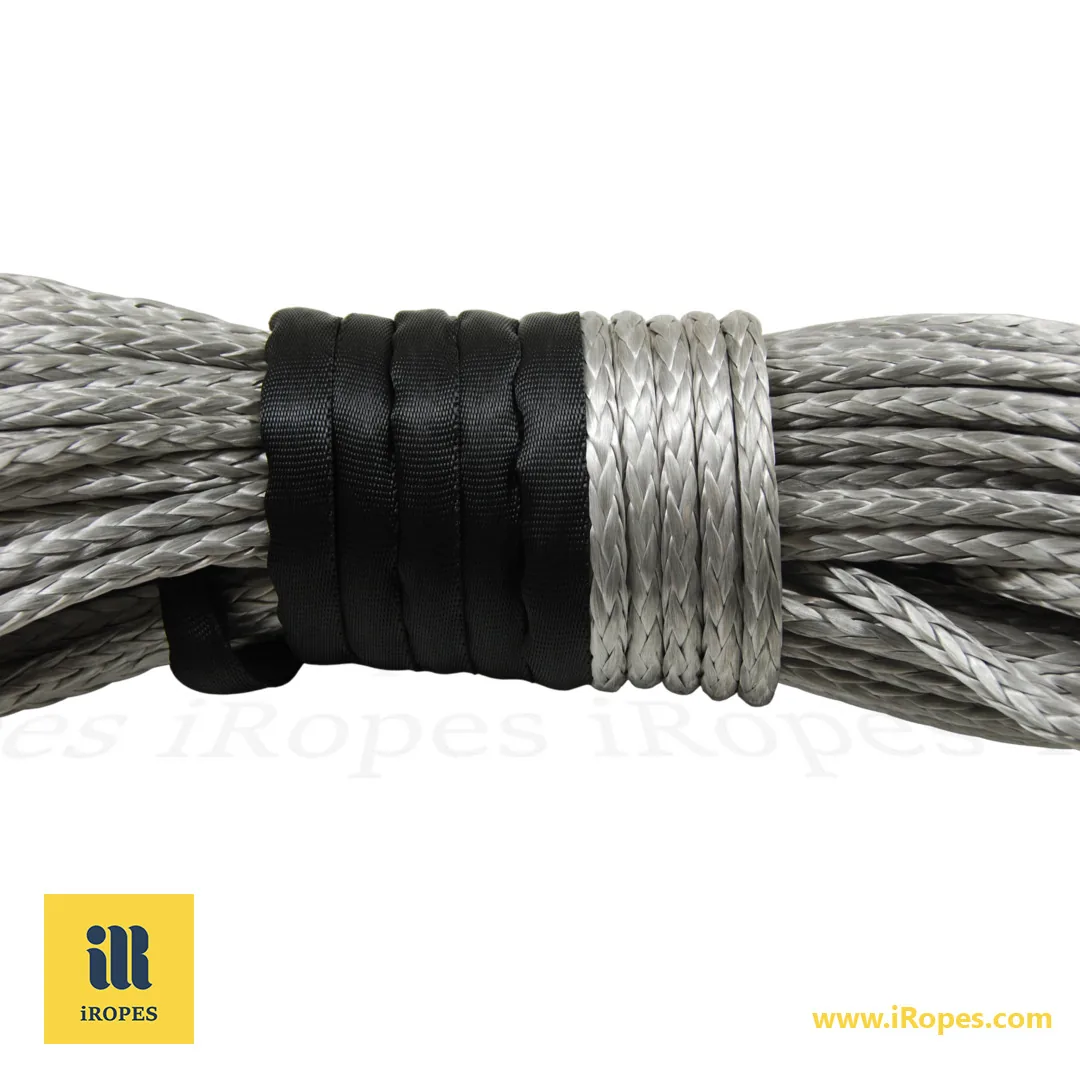
Eye‑splicing your synthetic winch rope retains ≈90 % of its breaking load – a knot can slash it by up to 65 %.
Quick Win – ≈5 min read
- ✓ Preserve up to 90 % of the rope’s breaking load with a proper eye splice.
- ✓ Cut emergency‑repair time with a clear, step‑by‑step guide.
- ✓ Save up to $1 200 versus steel‑cable replacement in real‑world use.
- ✓ Avoid splice errors that can drop strength back to knot levels.
You’ve probably been told that a quick knot is enough to get a stuck vehicle moving, but that habit throws away up to 65 % of your rope’s capacity. What if you could lock in roughly 90 % of the original load with a handful of tucks and a thimble, without buying a new line? In the sections below we’ll cover the exact splice sequence, the tools you need, and the custom‑rope options that get you off the track and back in business.
How to Tie Synthetic Winch Rope for Emergency Repairs
After discovering the strength advantage of synthetic winch rope, the real test is what you do when the line snaps on a remote trail. A correctly tied knot can be the difference between a quick recovery and being stranded.

- Scissors or a clean cutter – to make a square, damage‑free end.
- Heat knife – for a clean cut and neat taper (avoid overheating HMPE fibres).
- Permanent marker – to mark the bend line and the length of the knot.
- Quick‑tie constrictor knot – the go‑to temporary fix for winch rope.
- Cut a clean end about 30 mm from the break.
- Use the heat knife to taper the last few centimetres – this prevents the fibres from fraying.
- Form a loop with the tapered tip and pass the standing part through twice, creating a constrictor shape.
- Pull the standing part tight while holding the loop; the knot will cinch around the rope.
- Finish with a bunt‑line hitch around the standing part to lock the constrictor in place.
- Inspect the knot for any loose fibres and test with a gentle pull before re‑engaging the winch.
Safety note: A knot in synthetic winch rope can reduce the line’s breaking load by up to 65 %. Treat the knot as a short‑term solution only and plan for a proper eye splice as soon as possible.
Can you tie a knot in synthetic winch rope? Yes, you can, but the strength loss means it’s suitable only for emergency repairs. For any permanent setup, an eye splice retains roughly 90 % of the rope’s original capacity.
Factor55 rope‑tech specialists advise against relying on knots for load‑bearing; a proper splice preserves the strength you paid for.
With a temporary knot in place, consider which off‑the‑shelf rope on Amazon offers the best long‑term performance, then move on to a permanent splice.
Choosing the Right Synthetic Winch Rope on Amazon
When you type “synthetic winch rope amazon” into the search bar, the results are dominated by a handful of listings that claim high breaking loads at low prices. To separate the noise from the truly useful options, focus on four data points: price, length, breaking load, and user rating.
For a deeper look at why synthetic rope generally beats traditional steel cable, see our analysis of synthetic rope versus winch wire rope.

Quick Answer
For most DIYers, a 3/8‑inch HMPE line around $119 offers the best balance of price, length and breaking load.
Amazon Picks vs iRopes Custom
Typical examples you’ll see on Amazon include:
1. 3/8‑in HMPE – ≈$119, 92 ft, 27 000 lb breaking load, 4.8★
2. 5/16‑in HMPE with protective sleeve – ≈$99, 80 ft, 22 000 lb, 4.6★
3. 1/2‑in HMPE utility line – ≈$85, 70 ft, 15 000 lb, 4.5★
Key specifications you should match to your vehicle include rope diameter, material family (HMPE offers the highest strength‑to‑weight ratio) and UV‑resistant coating. Off‑the‑shelf rope is convenient, but it may not include the exact thimble fittings or custom colour branding that iRopes can provide. The custom option includes a professional eye splice produced to OEM quality in an ISO 9001–certified facility, making it a better long‑term investment for heavy‑duty recoveries.
With your rope chosen, the following section teaches a professional eye splice that preserves strength and extends rope life.
Mastering the Synthetic Winch Rope Eye Splice Technique
Let’s walk through the eye‑splice method that keeps most of the line’s strength for reliable, repeatable recoveries.
Before you start, gather the essential tools so the process feels as smooth as a well‑lubricated winch. You’ll need a splicing fid to open the fibres, a heat knife to cut and taper the tail, a thimble that protects the eye, and a permanent marker to note the bury length. The bury length is calculated by multiplying the rope’s diameter by 30 – a rule of thumb that gives the splice enough grip without adding bulk.
If you prefer a rope that’s already pre‑coloured or fitted with specific accessories, read our guide on customizing orange synthetic winch and polypropylene ropes for inspiration.
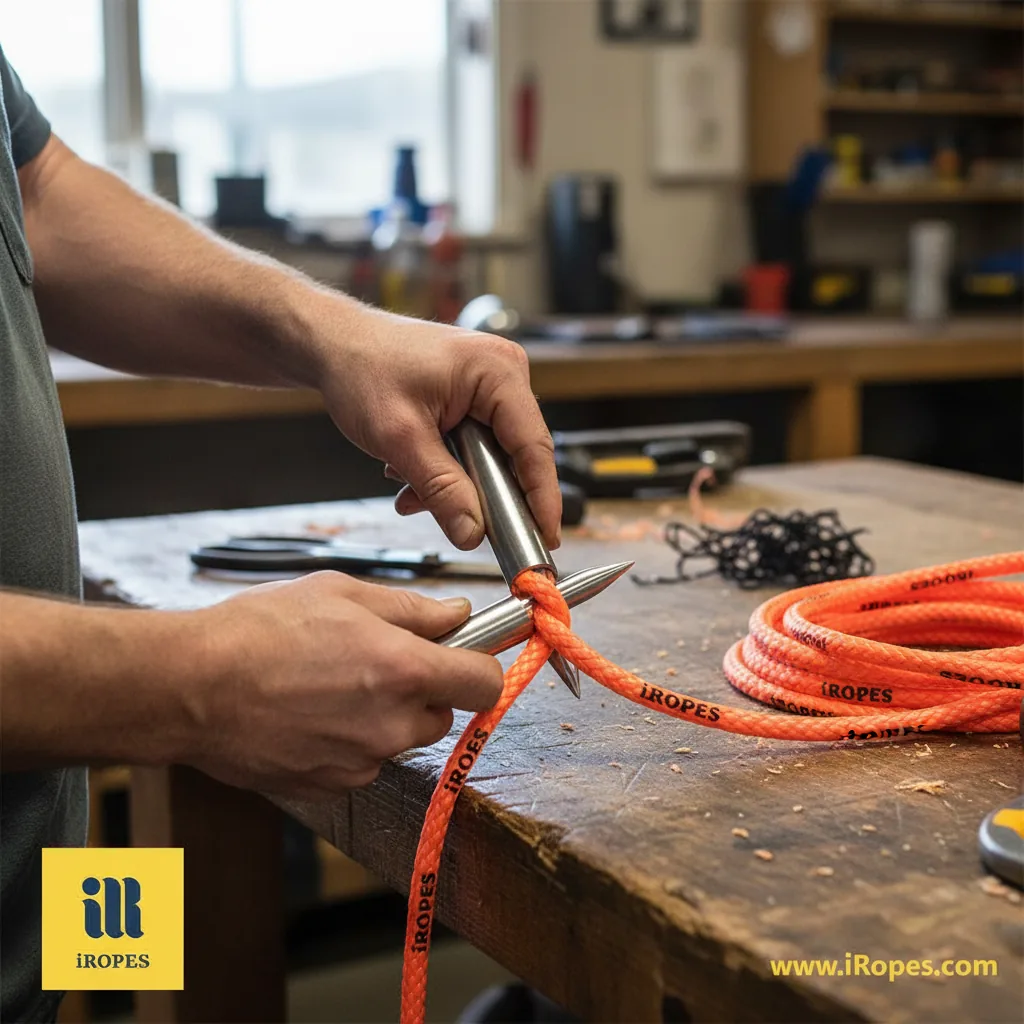
When you follow the steps precisely, the eye splice retains roughly 90 % of the rope’s original breaking load – a dramatic improvement over the ≈65 % loss you can see with a simple knot.
How many tucks should you give when making an eye splice on a synthetic rope? Generally, four tucks are recommended for HMPE/Dyneema ropes. For natural‑fibre ropes, three tucks are common. More tucks increase holding power while keeping the splice compact.
- Mark the bury length on the rope using a permanent marker.
- Trim a clean end and taper the last few centimetres with the heat knife.
- Insert the fid at the marked point and pull the standing part through to open a loop.
- Thread the loop around the standing part to form the first tuck.
- Repeat the tuck three more times, spacing each evenly along the bury length.
- Secure the final tuck with a lock‑stitch to prevent slipping.
- Slide the thimble into the eye, ensuring it sits flush against the rope.
- Milk the rope to bury the tail and seat the thimble firmly; do not melt HMPE fibres.
- Trim any excess tail, leaving a neat, tapered finish.
- Test the splice by applying a gradual load; the eye should hold without deformation.
Even a perfect‑looking splice can betray you if a single step is missed. Over‑tightening the thimble can crush the fibres, while too few tucks leave the eye prone to slipping under load. Using a polyester rope instead of HMPE also reduces the achievable strength, so double‑check that you have the right material before you begin.
Common splice errors – too few tucks, over‑tightened thimble, or the wrong rope type – can drop strength back to knot levels. Verify each step before loading the winch.
With a reliable eye splice in place, the rope’s performance approaches that of a brand‑new line, and you’re set to tackle any recovery without sacrificing strength. The next step is to see why iRopes is the go‑to partner for custom winch‑rope solutions that build on this expertise.
Why iRopes Is the Trusted Partner for Custom Winch Rope Solutions
After you have installed a reliable synthetic winch rope eye splice, the next logical step is to source a line that matches your vehicle’s demands and your brand’s identity. iRopes bridges that gap by turning a standard rope into a bespoke recovery tool that works for you, not the other way around – backed by ISO 9001‑certified quality, OEM/ODM capability and dedicated IP protection.
To help you select the optimal line, consult our comprehensive guide on choosing the best recovery rope, which covers load calculations, material choices, and safety considerations.
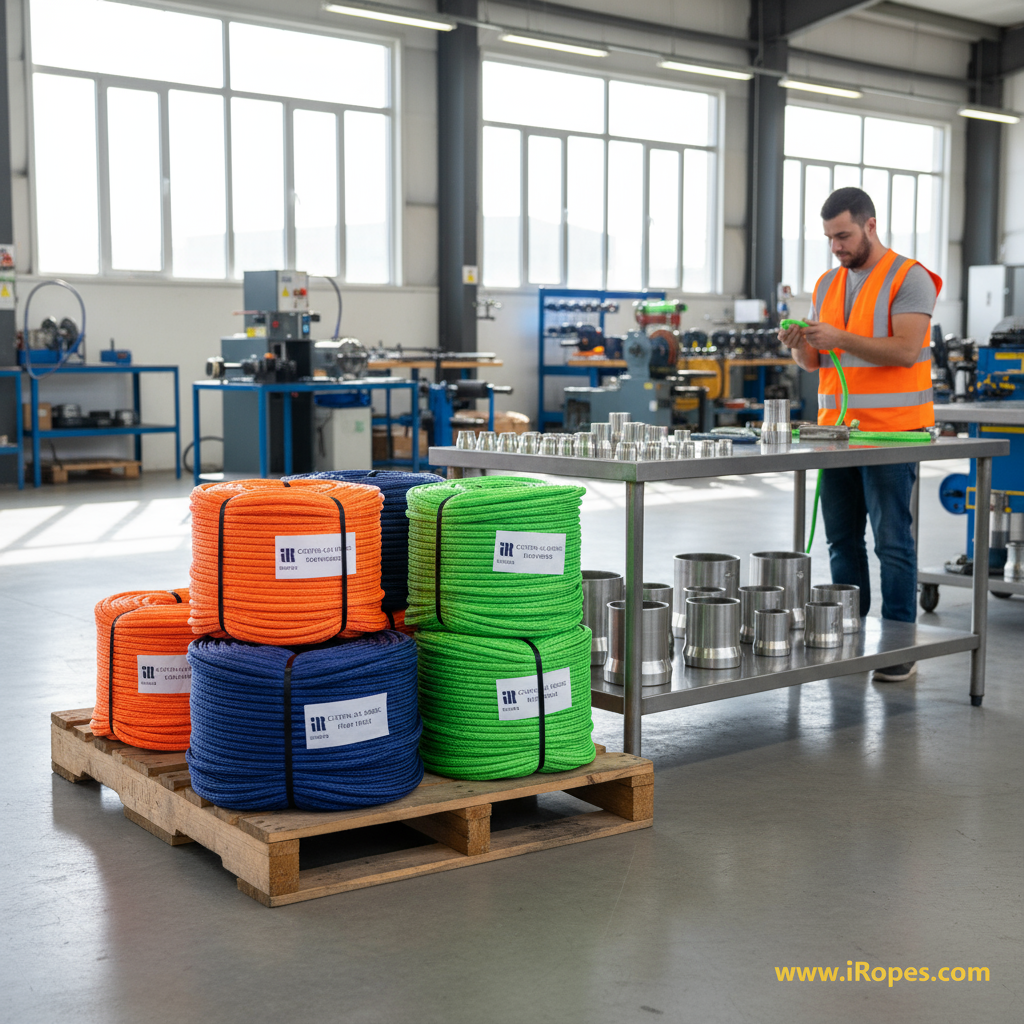
What sets iRopes apart is the depth of its OEM/ODM programme. Whether you need a neon‑green 5/16‑inch line for night‑time recoveries or a compact 3/8‑inch rope with a stainless‑steel thimble, the company can adjust colour, diameter, core type and accessory set without breaking the production flow – all while protecting your IP.
Tailored Design
From colour‑matching your fleet’s livery to selecting a specific strand count for load‑capacity, every parameter can be locked in at the quoting stage.
IP Protection
Your proprietary rope geometry and branding stay confidential throughout design, tooling and delivery, thanks to legally‑backed IP safeguards.
Global Reach
Direct pallet shipping to ports in Australia, Europe and the Middle East means you receive a ready‑to‑install rope within weeks.
Proven Field Results
An Australian outback expedition replaced a worn steel cable with a custom HMPE line and reported a $1,200 saving on parts and downtime.
- Custom colours and branding – match fleet graphics or create a high‑visibility line.
- Precise diameters and cores – optimise strength‑to‑weight for your specific winch model.
- Accessory integration – thimbles, loops, or quick‑release fittings installed during splicing.
- Intellectual‑property security – NDAs and strict controls protect your unique design.
Ready to move from a generic Amazon purchase to a rope that bears your logo, meets exact load calculations and arrives with a factory‑spliced eye ready for the winch? Request a free sample, download the detailed splice checklist, or contact the sales team for a bulk quotation. Your next recovery will be faster, stronger, and unmistakably yours.
Ready for a customised winch‑rope solution? Get expert advice below
By mastering tying synthetic winch rope for emergencies, selecting the right synthetic winch rope amazon offering, and applying the synthetic winch rope eye splice technique, you can keep most of the line’s strength and avoid costly failures. If you need a rope customised for your specific load, colour, diameter and accessories – as iRopes supplies high‑performance winch ropes popular in Australia, Europe, the US and the Middle East – our team can design a solution that matches your brand and performance targets.
Complete the form above and one of our specialists will provide personalised guidance to optimise your winch‑rope setup.