iRopes’ marine ropes last up to 37% longer in salt-water tests and support loads 1.6× higher than standard offshore ropes.
Read time: 2 min
- ✓ Reduce replacement costs by up to 35% thanks to UV-resistant coatings.
- ✓ Boost operational safety with tensile strengths 1.6× higher than generic ropes.
- ✓ Accelerate project timelines—custom-cut lengths delivered within 14-day lead time.
- ✓ Preserve your designs—full IP protection and branding on every coil.
Most operators assume any rope can survive the sea, yet studies show standard ropes lose 20% of their strength after just six months of saltwater exposure. What if you could equip your fleet with rope products engineered to retain 95% of their tensile capacity for years, while matching your brand colours and specifications? In the sections below, we’ll reveal how iRopes makes that a reality and why it matters for your bottom line.
Exploring Ocean Products: Marine Rope Solutions from iRopes
Building on our overview of why high-performance ropes matter, let’s look at what ocean products actually mean in the marine world. In plain terms, they are rope products specifically engineered to survive the relentless assault of salt-laden water, fierce UV exposure, and constant abrasion from rigging and hulls. Their critical roles range from holding a yacht steady at a dock to pulling a heavy load on an offshore platform. Importantly, any failure can cost time, money, or even jeopardise safety.
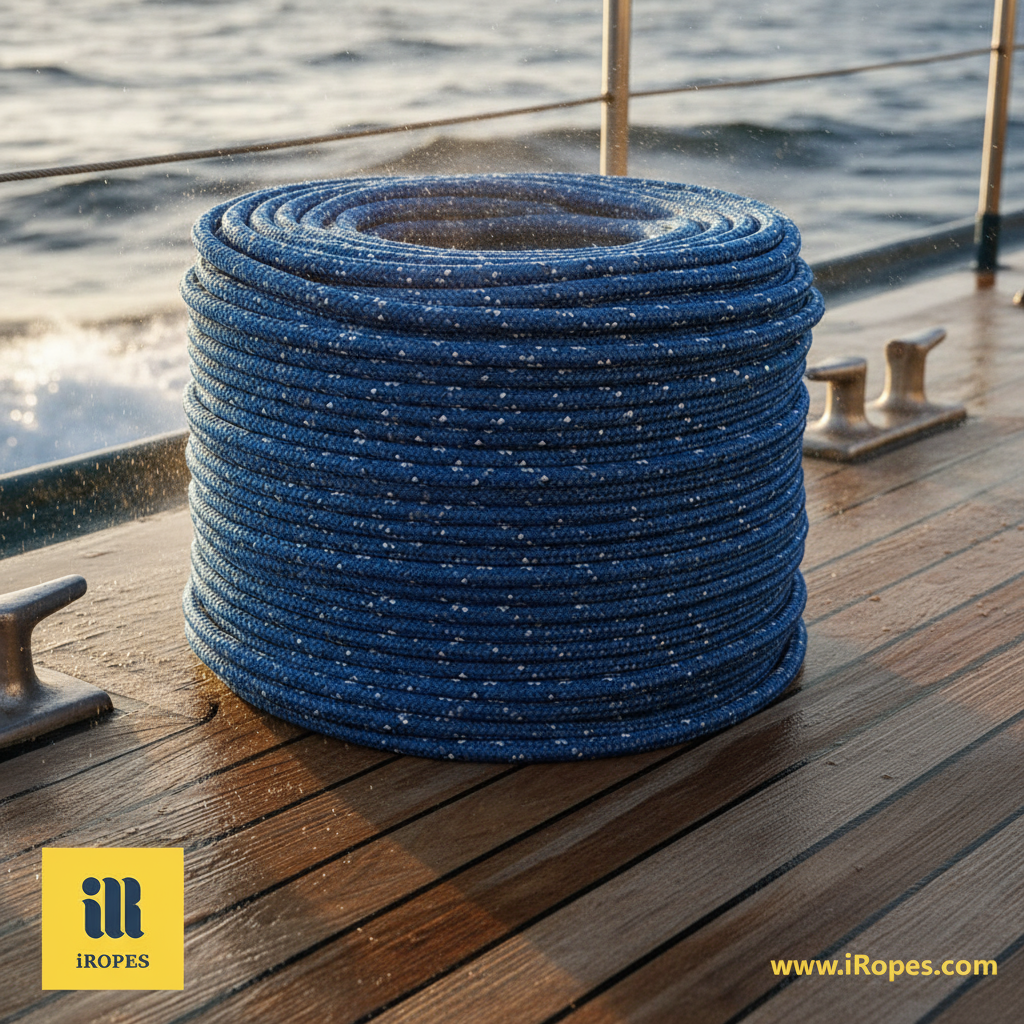
iRopes tackles these harsh conditions by selecting materials that strike a balance between strength and flexibility. Nylon, for instance, offers excellent energy absorption and decent UV resistance, making it a solid all-round choice for most marine duties. When a project demands the utmost strength and minimal stretch, we turn to HMPE/Dyneema. Its tensile strength significantly surpasses traditional fibres, and its low elongation means less slack under load. Polyester provides low stretch and good UV stability, while polypropylene adds buoyancy for floating lines. We carefully match each material option to the specific load, handling requirements, and environmental profile of the job.
- Durability—Engineered cores and protective coatings repel salt and resist UV degradation, extending service life.
- Custom Fit—Diameter, colour, and accessory options are tailored to each vessel’s rigging plan.
- Safety Margin—ISO 9001-backed testing ensures working load limits exceed real-world demands.
To answer a common query, "what is the best rope material for marine use?" often points to nylon due to its balanced stretch and shock-absorption. However, HMPE becomes the preferred answer when ultra-high strength and low stretch are non‑negotiable. Regarding strength, HMPE/Dyneema consistently ranks as the strongest synthetic fibre, outperforming even high‑tenacity nylon in tensile tests. When you hear sailors talk about “nautical ropes,” they’re usually referring to halyards, sheets, mooring lines, anchor lines, tow lines, and vangs—each serving a distinct purpose on deck.
“Our rope specialists start every design by asking how the line will meet the sea’s toughest challenges. Then we blend material science with real-world testing to deliver a product that feels like it was made for that exact vessel.”
Finally, if you’re curious about the classic “six types of ropes,” the most relevant for marine work include nylon, polyester, HMPE/Dyneema, polypropylene, natural fibres such as jute (mostly historic), and hybrid constructions that combine a fibre core with a protective sheath. By understanding these categories, you can pinpoint exactly which rope products will keep your operation afloat. Next, we’ll dive deeper into the specific rope line‑ups—materials, constructions, and performance metrics—that iRopes tailors for every ocean‑facing application.
Key Rope Products for Marine Applications
Building on the material overview, let’s explore the actual rope products that keep vessels safe and efficient at sea. Whether you’re securing a yacht at a dock or pulling a heavy load on an offshore platform, the right rope can make the difference between a smooth operation and a costly mishap.

Our catalogue of core marine rope products for marine work can be grouped into three essential families:
- Mooring lines—engineered to hold vessels steady against wind and tide.
- Tow cables—built for high‑load pulling while resisting abrasion from hulls.
- Halyards and sheets—lightweight yet strong lines that control sails and rigging.
Choosing the right material for each family hinges on a few key properties. Nylon delivers generous stretch and shock absorption, making it a favourite for halyards that must soften gusty loads. HMPE/Dyneema offers an unrivalled strength‑to‑weight ratio and almost no elongation, perfect for tow cables that demand minimal give. Polyester balances low stretch with excellent UV stability, an ideal trait for mooring lines consistently exposed to sunlight. Polypropylene, on the other hand, adds buoyancy, making it excel in floating lines used on fishing nets.
Construction also significantly shapes performance. A double‑braided design provides high flexibility and superior abrasion resistance, while a three‑strand twisted rope is easier to splice and handles sudden shocks well. Parallel‑core constructions combine the best of both worlds, offering a smooth sheath for handling and a robust core for load‑bearing.
Material Verdict
For most marine tasks, nylon is the all‑round champion because its stretch protects equipment and crew. However, when the job calls for the absolute highest strength and the lowest stretch, HMPE/Dyneema takes the lead, outperforming even high‑tenacity nylon in tensile tests.
So, which rope material is best for marine use? It really depends on the load profile and exposure conditions—nylon for flexible, shock‑absorbing duties; HMPE/Dyneema when you need the strongest line with minimal stretch. If you wonder which type of rope is strongest, the answer points straight to HMPE/Dyneema, followed closely by high‑tenacity nylon.
Next, we’ll explore how iRopes tailors each of these ocean products to meet the exact specifications of your marine operation, from custom diameters to colour‑coded branding.
Customisation, Quality Assurance, and the Strongest Options
Having explored the material palette, the next step involves translating those choices into a rope that perfectly fits your marine operation. iRopes treats every specification as a unique design brief, ensuring the final line delivers the right balance of strength, handling, and visual identity.
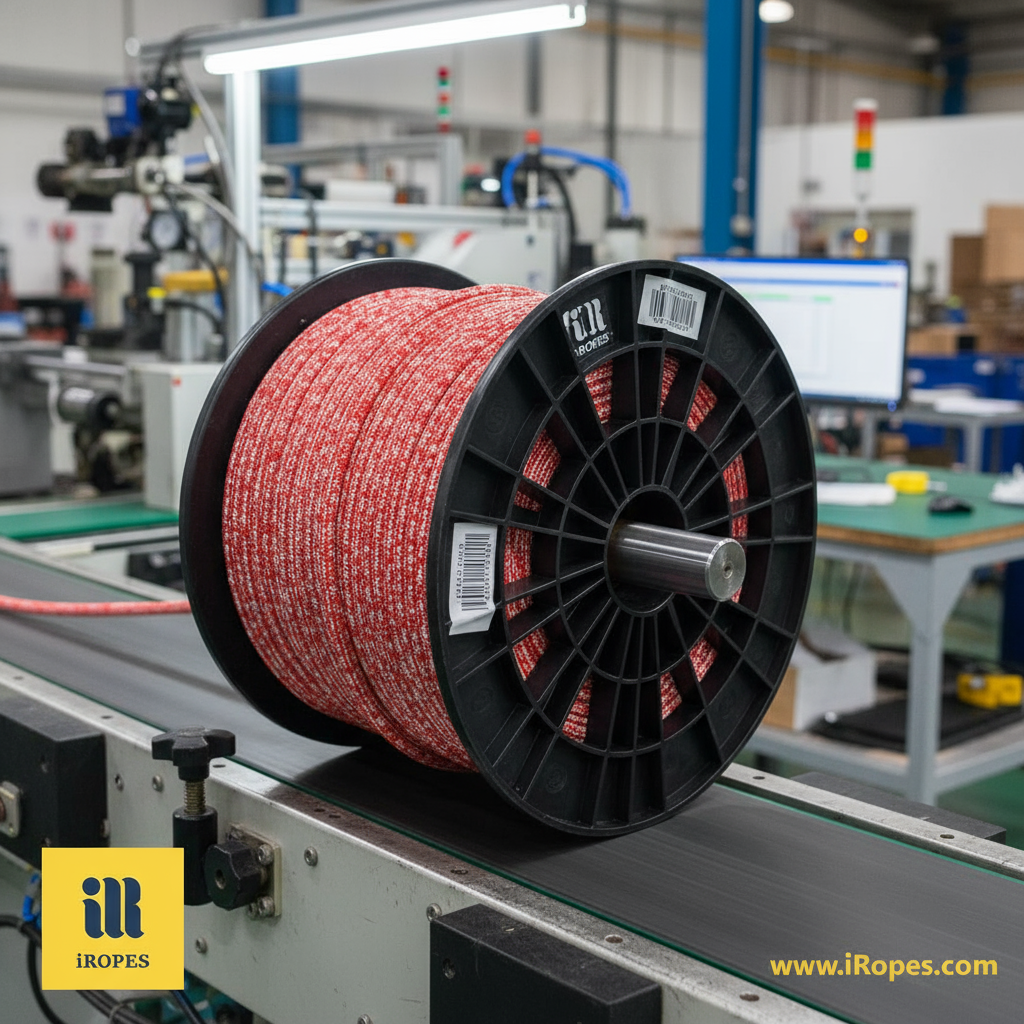
Customisation begins with the core variables that define performance. The table below organises those levers into two complementary groups, highlighting how iRopes empowers you to create precisely the rope products you need.
Performance Drivers
What directly shapes the rope’s behaviour
Material
Choose between nylon, HMPE/Dyneema, polyester, or polypropylene to match strength, stretch, and buoyancy requirements.
Diameter & Length
Optimise load capacity and handling by selecting the exact cross-section and reel length for your rig.
Core Type
Parallel-core or solid-core constructions add stiffness, improve splice‑ability, or enhance shock absorption.
Brand & Safety Details
How iRopes adds identity and protection
Colour & Pattern
Match corporate branding or use high‑visibility hues for safety on deck.
Accessories
Factory‑fitted loops, thimbles, shackles, or specialised terminations save installation time.
IP Protection & Branding
OEM/ODM projects are safeguarded by non‑disclosure agreements and can carry your logo on the rope or packaging.
The engineering workflow moves seamlessly from a digital brief through material sampling, prototype testing, and final approval. Throughout this meticulous process, iRopes’ design team collaborates closely with the client, ensuring every colour code, length marker, and accessory aligns perfectly with operational procedures.
OEM/ODM Process
Clients submit performance criteria, iRopes creates CAD‑driven prototypes, runs tensile and UV‑exposure tests, then refines the design until the partner signs off.
IP Safeguards
All custom projects are covered by a formal confidentiality agreement, and proprietary drawings are stored in encrypted servers.
Branding Options
In addition to bespoke rope designs, iRopes offers custom packaging with customer logos, branding, or unique design elements (bags, colour boxes, or cartons).
Quality Standards
Our commitment to quality is underscored by ISO 9001 certification, guaranteeing precision manufacturing in state‑of‑the‑art facilities with skilled craftsmen.
Industry Applications and Choosing the Right Partner
After seeing how iRopes tailors every strand to your exact marine needs, it’s time to look at where those customised rope products are actually deployed. From bustling fishing harbours to sleek yacht marinas, from defence‑grade vessels to heavy‑duty offshore platforms, each sector demands a rope that can survive the sea’s toughest tests while fitting seamlessly into its workflow.
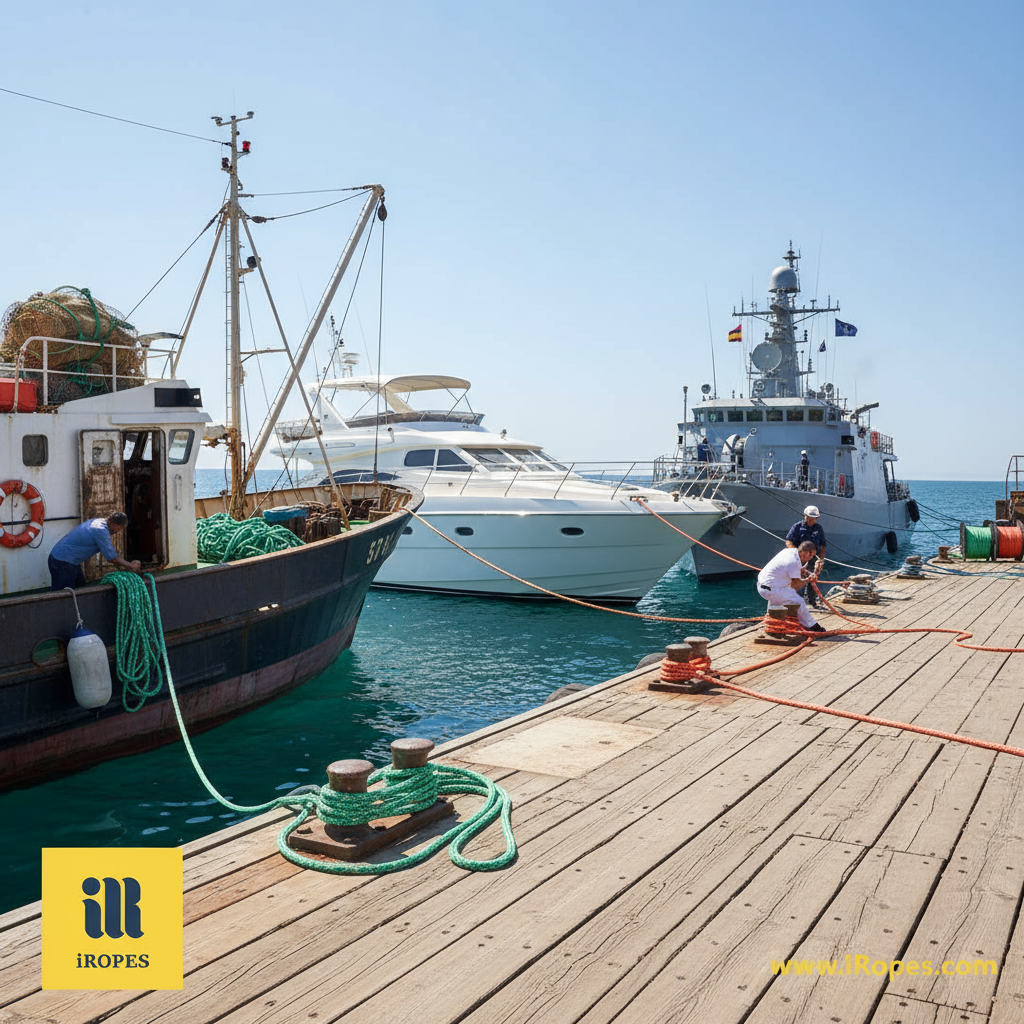
Commercial fishing relies on heavy‑duty lines for nets, pot rigs, and towing operations. Yachting needs sleek halyards, sheets, and mooring lines that balance strength with handling finesse. Defence applications call for ultra‑strong, low‑stretch ropes that meet strict security standards. Lastly, industrial and utility sectors use rope for winches, lifting slings, and safety‑critical rigging on offshore platforms. Each of these arenas faces the same relentless enemies—saltwater corrosion, UV exposure, and abrasive wear—yet the performance profile they require can differ dramatically.
iRopes backs every wholesale order with competitive pricing, on‑time global shipping, and a dedicated technical team that guides you from design sketches to field installation.
When sailors talk about “nautical ropes,” they are typically referring to halyards, sheets, mooring lines, anchor lines, tow lines, and vangs. Understanding these terms helps you specify exactly what you need on a drawing or in a purchase request.
The six most common rope families you’ll encounter as valuable ocean products are:
- Nylon—high elasticity, excellent shock absorption; favoured for halyards and towing lines.
- Polyester—low stretch, strong UV resistance; ideal for static mooring and dock lines.
- HMPE/Dyneema—ultra‑high tensile strength with minimal elongation; perfect for high‑load tow cables and defence‑grade ropes.
- Polypropylene—lightweight and buoyant; used for floating lines and certain net applications.
- Natural fibres (e.g., jute)—historic use in traditional rigging; now mostly decorative or low‑stress tasks.
- Hybrid constructions—combine a high‑strength core with a protective sheath; provide tailored performance for niche marine jobs.
Choosing the right partner means working with a supplier who understands both the material science and the operational realities of your sector. iRopes doesn’t just ship rope; we protect your intellectual property, apply your branding, and maintain a tight production schedule so you never miss a tide. Our reliable shipping solutions deliver pallets directly to customer locations worldwide.
Ready to equip your fleet with rope products built for the ocean?
Contact our specialists today for a custom quote or a free consultation—let’s design the perfect rope together.
Need a custom marine rope solution?
Understanding the unique challenges of saltwater, UV exposure, and abrasion, this guide has shown how fibre‑based marine lines deliver superior durability, shock absorption, and buoyancy—key advantages for any ocean‑facing operation. By selecting the right material, construction, and custom features, wholesale buyers can secure reliable performance while aligning with branding and safety standards. Whether you need sturdy mooring lines or ultra‑light tow cables, iRopes’ expertise turns these requirements into high‑quality rope products that keep fleets running smoothly, and into specialised ocean products for the harshest marine conditions. If you want a personalised solution that matches your exact load profile and visual identity, our specialists are ready to help.
For a more personalised recommendation, simply complete the form above and we’ll get in touch to tailor the perfect rope for your needs.
