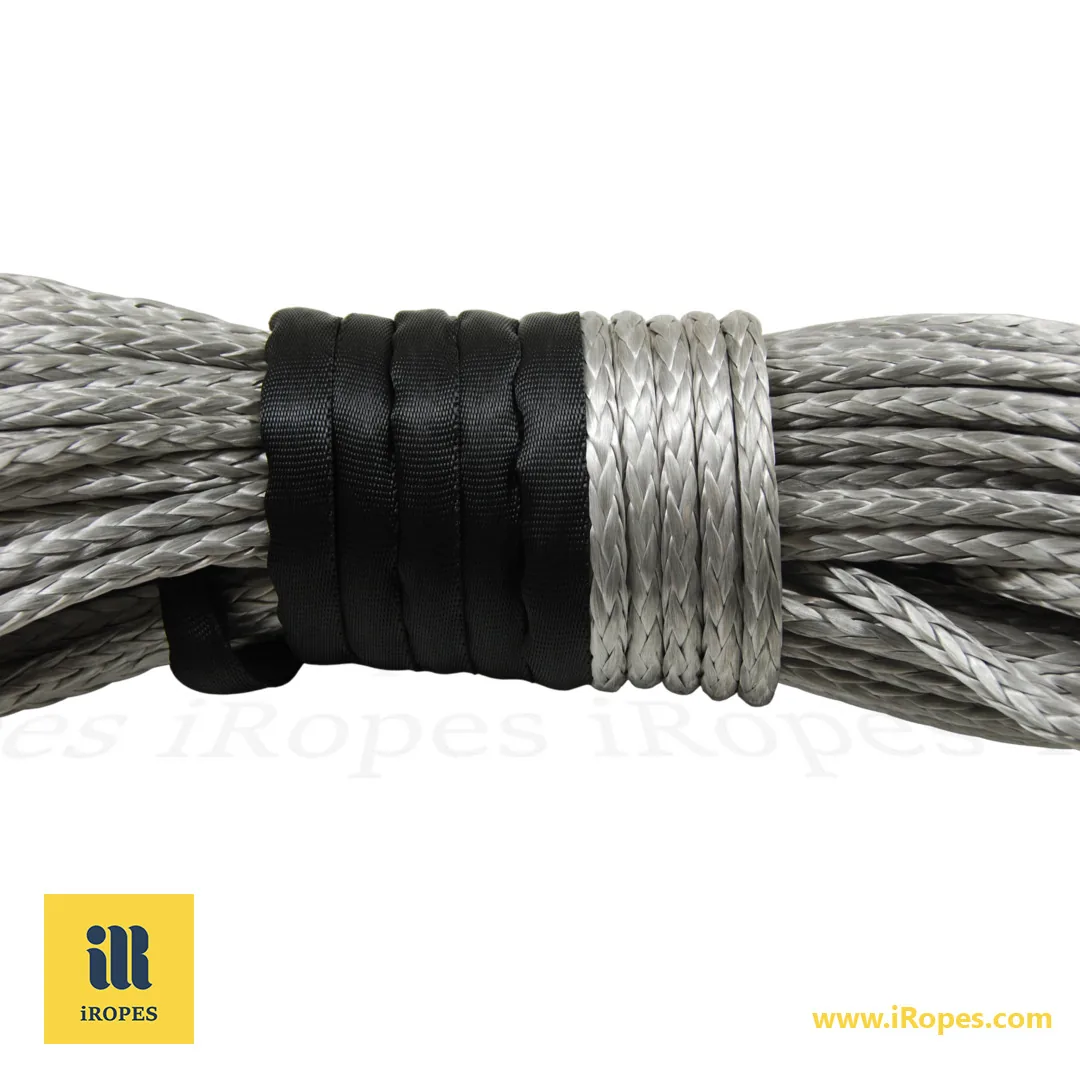
Double‑braid nylon dock lines deliver about 7,800 lb breaking strength in a ½‑inch size, with controlled stretch for shock absorption and excellent durability for everyday marina use.
Quick win – 2‑minute read
- ✓ Pinpoint the right diameter for your vessel to avoid over‑specifying and unnecessary spend.
- ✓ Benefit from high UV and abrasion resistance for longer service life in coastal conditions.
- ✓ Get custom colours, reflective strands, and branding through iRopes’ OEM/ODM flow, with orders typically shipping within 2–3 days.
- ✓ Choose professional eye splicing, or follow simple steps to create a compact, strong eye at home.
Many mariners still rely on affordable 3‑strand lines, yet they experience more stretch and faster wear in rough conditions. What if you could reduce shock, improve holding power, and keep costs under control? In the sections below, we unpack construction, sizing, and iRopes’ custom‑design options that turn a routine dock line into a performance‑ready solution.
double braid nylon dock line
When you need a rope that can hold a yacht steady in choppy water, the double braid nylon dock line is the go‑to choice. It combines a tightly woven nylon jacket with a strong core, delivering the high tensile strength and controlled stretch that modern marinas demand.

Understanding how the rope is built helps you choose the right product for your vessel. The construction follows a simple yet effective formula:
- Core‑jacket design - a polyester or nylon core wrapped by a dense nylon braid for added durability.
- Material blends - the inner and outer braids can both be nylon, or mixed with UHMWPE, KEVLAR, TECHNORA, or VECTRAN to target abrasion, heat, or chemical resistance.
- Diameter flexibility - available from 3/8" up to 1", each size delivering a specific breaking strength and safe working load.
What sets a double‑braid nylon dock line apart from a traditional 3‑strand rope is how the fibres are organised. In a 3‑strand rope, three large strands are twisted together, which generally creates more stretch at working loads. A double‑braid rope, by contrast, has a tightly woven outer jacket that locks the core fibres in place, resulting in higher tensile strength, reduced elongation, and superior UV resistance for the same diameter. Solid‑braid ropes can be harder to splice; double‑braid is designed for reliable eye splices, secure knotting, and excellent protection for the core.
“Upgrading to double‑braid nylon dock lines delivers steadier berths and noticeably less chafe when the weather turns.”
Now that the construction is clear, you can see how the size and strength specifications translate into real‑world performance, guiding you toward the perfect dock line for your boat.
double braided nylon line
With those basics covered, let’s translate size and strength into day‑to‑day performance so you can choose with confidence.

The most common diameters you’ll encounter are listed below, together with their approximate breaking strengths and typical safe working load (SWL) ranges.
- 3/8" – about 4,400 lb break; SWL ≈ 440–880 lb (10–20% of break).
- ½" – about 7,800 lb break; SWL ≈ 780–1,560 lb (10–20% of break).
- 5/8" – about 12,200 lb break; SWL ≈ 1,220–2,440 lb (10–20% of break).
- ¾" – about 17,350 lb break; SWL ≈ 1,735–3,470 lb (10–20% of break).
- 1" – about 30,250 lb break; SWL ≈ 3,025–6,050 lb (10–20% of break).
Performance ratings for a standard double‑braid nylon line are consistently high. UV, abrasion, rot, mildew, and petroleum resistance are rated at roughly 70%+ (high), and nylon provides useful shock absorption under load. With proper care, the rope retains strength even after long, sun‑baked exposure.
For a 20‑ft sailboat in moderate wind, a ½‑inch line (SWL ≈ 1,200 lb) is a sensible standard. Increase to 5/8‑inch if you expect gusts above 25 knots or berth in a high‑traffic marina.
To size correctly, choose a diameter whose SWL comfortably exceeds your estimated peak load, allowing for wind, surge, and tide. As a rule of thumb, SWL is typically 10–20% of the published break strength, which removes guesswork and adds a clear safety margin.
Having a clear picture of diameter, breaking strength, and performance lets you move confidently into the next stage – exploring the most common marine applications and the customisation options that iRopes offers for every dock‑line need.
double braided line
Now that you understand the size and strength options, let’s look at where a double‑braid rope actually shines on the water and how you can make it truly yours.

Applications
Docking a cruiser, mooring an offshore platform, towing a tender, or securing a fishing net – the same rope can handle each task because the core‑jacket design limits stretch while resisting UV, abrasion, and mildew. Different parts of the hull and deck often call for different diameters or finishes; iRopes can tune each line accordingly.
Customisation
Choose from a palette of colours, add reflective or glow‑in‑the‑dark strands for night‑time visibility, and embed your logo directly into the braid. iRopes’ OEM/ODM service handles everything from prototype to production in ISO 9001‑certified facilities, with dedicated IP protection, custom packaging (bags, colour boxes, or cartons), and pallet shipping worldwide.
Installation
Eye splicing, bowline knots, and regular cleaning keep performance at its peak. A quick, well‑executed double‑braid splice yields a compact eye with excellent strength retention, while correct knot choice (such as a cleat hitch) preserves the jacket and minimises chafe.
FAQ Snapshot
Can I use a double‑braid line for offshore mooring? Yes – its low‑stretch core makes it ideal for holding heavy loads in rough seas. How do I splice an eye? Trim the rope, strip six inches of jacket, separate the core, form a loop, and weave the core back through the jacket with a splicing needle; finish with a heat‑shrink sleeve. What’s the best way to store the line? Coil loosely in a dry, shaded area and cover with a UV‑protective tarp if left outdoors longer than a month.
Installation & Care Quick Tips
1️⃣ Eye splice – cut cleanly, strip the jacket, separate the core, form a loop, then weave the core back using a splicing needle. 2️⃣ Knot choice – a bowline or a cleat hitch provides reliable holding power without damaging the braid. 3️⃣ Maintenance – rinse with fresh water after salt exposure, dry in the shade, store away from direct heat and sun, and inspect for abrasion or shrinkage before each use.
With the right size, thoughtful personalisation, and proper splicing, a double‑braid line becomes a dependable partner for every marine task, offering the same performance as a high‑strength double‑braided marine rope for mooring. Next, see how those advantages translate into a long‑term investment for your fleet.
Request Your Custom Dock‑Line Quote
You've seen how the nylon dock line’s double‑braid structure — inner and outer nylon, or mixed with polyester, UHMWPE, KEVLAR, TECHNORA, or VECTRAN — delivers the strength, controlled stretch, and UV resistance required for different parts of the hull and deck.
With sizing, performance data, and custom colour or reflective options explained, the next step is to turn that knowledge into a rope that fits your vessel perfectly. If you’re unsure which material best suits your vessel, read our guide on choosing the best mooring rope material.
For a personalised solution, complete the form above and our specialists will help you specify the ideal double‑braided nylon line or double‑braided line and arrange OEM/ODM production, or explore our premium nylon cord for marine use. iRopes manufactures in ISO 9001‑certified facilities, protects your IP, offers non‑branded or customer‑branded packaging, and ships pallets directly to your location worldwide.