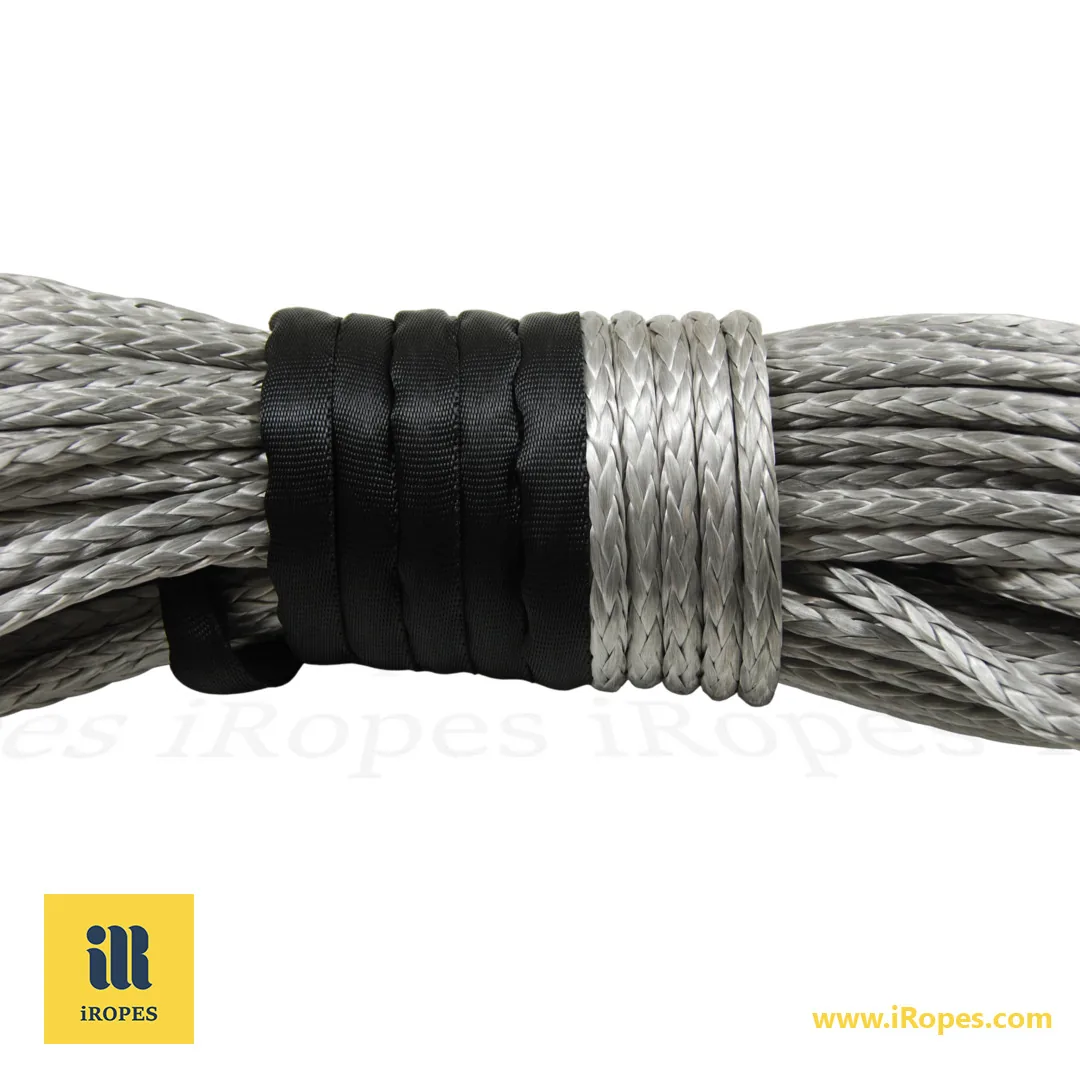
Nylon synthetic rope slings outperform traditional fibre by absorbing up to 10% stretch under load—unlock marine lifting safety with resilience against shocks that rot-prone fibres can't match, backed by iRopes' ISO 9001 precision.
Unlock 7-Minute Insights → Compare Slings Like a Pro
- ✓ Master material differences: Grasp why nylon's elasticity beats fibre's pliability, potentially
reducing marine failure risks through shock absorption. - ✓ Boost safety compliance: Learn OSHA-aligned inspections and capacity calculations, helping to prevent accidents with splice techniques that extend sling life.
- ✓ Optimise for your operations: Discover iRopes' custom OEM tweaks—like reflective cores—for yachting or spearfishing,
enhancing operational efficiency . - ✓ Gain selection savvy: Evaluate pros/cons tables to pick synthetics that resist UV and chemicals, potentially
reducing replacement costs compared to naturals.
You might think traditional
Fiber Rope Slings: Traditional Foundations and Key Characteristics
Imagine a time when lifting heavy loads in shipyards or construction sites relied on ropes woven from natural materials like manila or sisal. These early
At their core, these slings are loops or endless ropes designed to wrap around loads for safe elevation. Construction often involves simple yet sturdy builds, such as the classic 3-strand laid rope, where fibres twist together in a helical pattern for balanced strength. You'll find them in basic applications like temporary rigging or light-duty lifting, where their straightforward design shines. When considering the broader world of lifting equipment, it's helpful to know the main categories. The three primary types of slings are wire rope slings for heavy, abrasive jobs; chain slings for extreme durability in foundries; and

What makes these slings appealing in hands-on work? Their pliability allows them to conform to odd-shaped objects, creating a secure grip without slipping. They're also kinder to surfaces, reducing scratches on valuable machinery or boat hulls—think of wrapping one around a vintage engine block without leaving marks. Yet, no tool is perfect. Natural fibre versions, in particular, suffer from rot when exposed to moisture, demanding dry storage to avoid degradation. Even early synthetics can falter under prolonged UV or chemical assault, pushing the industry toward more resilient options.
Ever wondered how to gauge if a sling can handle your load safely? Capacity starts with breaking strength—the maximum force before failure—then applies a design factor, typically 5:1 under OSHA guidelines. This means the working load limit (WLL) is one-fifth of that breaking point, ensuring a buffer against surprises. For instance, a sling with a 50,000-pound breaking strength might carry 10,000 pounds safely in a straight vertical lift. Always factor in hitch types, like reducing WLL for a choker setup, to keep operations compliant and secure.
- Pliability for better grip - Conforms easily to loads, minimising slippage during lifts.
- Non-marring surfaces - Protects delicate items like glass or painted equipment from damage.
- Rot susceptibility in naturals - Requires careful storage away from water to prevent weakening.
- Lower chemical resistance - Vulnerable to acids or prolonged saltwater exposure compared to modern synthetics.
While fibre rope slings offer reliable basics, modern demands call for enhanced performance—leading us to explore
Synthetic Rope Slings: Innovations in Strength and Versatility
Building on the dependable yet limited traits of traditional fibre options,
Synthetic rope slings are engineered loops or endless configurations made from materials like polyester or ultra-high-molecular-weight polyethylene (UHMWPE), designed for secure load handling. What is a synthetic sling used for? Primarily, they shine in demanding sectors such as construction, where they hoist steel beams without excessive weight, and marine operations, securing cargo on heaving decks amid saltwater spray. Unlike older natural fibres that degrade quickly in wet conditions, these slings maintain integrity across diverse environments, from offshore platforms to urban build sites.
Key properties set
Synthetic Benefits
Modern Edge
Minimal Stretch
Provides precise control during lifts, reducing sway in windy conditions.
Chemical Durability
Resists corrosion from industrial fluids, extending service life.
Lightweight Build
Eases handling for crews, boosting overall efficiency on site.
Natural Limitations
Traditional Drawbacks
Higher Stretch
Leads to unpredictable movement under dynamic loads.
Environmental Weakness
Susceptible to moisture and chemicals, shortening usability.
Heavier Profile
Increases effort for setup and transport in fieldwork.
Securing ends properly is crucial for safety, and splice techniques play a pivotal role. A common method is the tuck splice, where strands are woven back into the rope body with at least four full tucks to bury them securely—far more robust than knots that weaken the line. This creates a seamless loop that distributes stress evenly, vital for high-stakes lifts.

At iRopes, our OEM and ODM services take this innovation further by tailoring
Synthetic rope slings elevate safety and efficiency across applications, yet in marine settings, nylon's unique traits provide an edge—delving into its specialised power next.
Nylon Rope Sling: Unlocking Marine Power Through Elasticity and Resilience
As
What sets a
In yachting, imagine securing a tender to the davits; the sling's give prevents chafing on fibreglass hulls, thanks to its smooth, non-marring surface. For spearfishing, divers rely on its UV stability to withstand long sun exposure without weakening, ensuring lines hold during underwater tugs. Which is better, fibre rope or nylon rope? Natural fibre ropes, while grippy and traditional, often succumb to rot and lack this resilience, making nylon's synthetic edge clear.

Capacity calculations for nylon slings are critical, especially when considering different hitch types. For instance, a choker hitch may reduce the working load limit by up to 25%, depending on the angle. Always refer to manufacturer guidelines and, crucially, OSHA standards for safe operation. Regular inspection is paramount; look for cuts, abrasion, discolouration, or any signs of fibre breakage that could indicate compromised integrity.
Comparing Fiber Rope Slings vs Synthetics: Insights and Recommendations
Nylon rope slings bring that essential give to handle marine surprises, but how do they stack up against traditional fibre options overall? Let's break it down with a clear-eyed look at the trade-offs, drawing from real-world demands in lifting and rigging. This head-to-head reveals why synthetics often take the lead, especially when durability is on the line.
When weighing
Which is better, synthetic rope or natural fibre rope? For most modern applications, synthetics win hands down, thanks to their superior durability and resistance to environmental wear. Natural fibres might grip well initially, but they rot and lose strength in damp conditions, limiting them to temporary jobs. Synthetics extend service life, cutting replacement costs and downtime—think of a warehouse team relying on them day in, day out without constant checks for mildew.
Fibre Pros
Affordable for basic needs; excellent initial conformity to loads.
Fibre Cons
Prone to rot and UV damage; shorter lifespan in harsh settings.
Synthetic Pros
Lightweight with high strength; resists chemicals and weather for longevity.
Synthetic Cons
Higher upfront cost; may require specific care against extreme acids.
Looking ahead, hybrid technologies blend the best of both worlds. Consider nylon-infused fibre composites for marine use—they merge natural grip with synthetic toughness, creating ropes that flex without fraying in saltwater. These innovations, like blends with polyester cores, offer balanced elasticity for yacht mooring while warding off abrasion from dock edges.

Selecting the right sling boils down to a few key factors. Start with load capacity, matching the rated load to your maximum expected weight while accounting for hitch configurations. Environmental exposure matters too—opt for synthetics in corrosive areas to avoid premature failure. Compliance with ASME B30.9 ensures everything from markings to proof testing meets pro standards, helping to prevent accidents. At iRopes, our ISO 9001-certified precision manufacturing tailors these elements precisely, so your
Exploring
These insights highlight how synthetics, especially nylon, elevate safety and efficiency in dynamic environments. For tailored recommendations on load capacities or custom features like reflective elements, iRopes delivers ISO 9001-certified precision to optimise your operations.
Customise Your Marine Rope Sling with iRopes Experts
If you're seeking personalised advice on integrating
Related reading: Discover the Leading Nylon Rope Factory Near Me