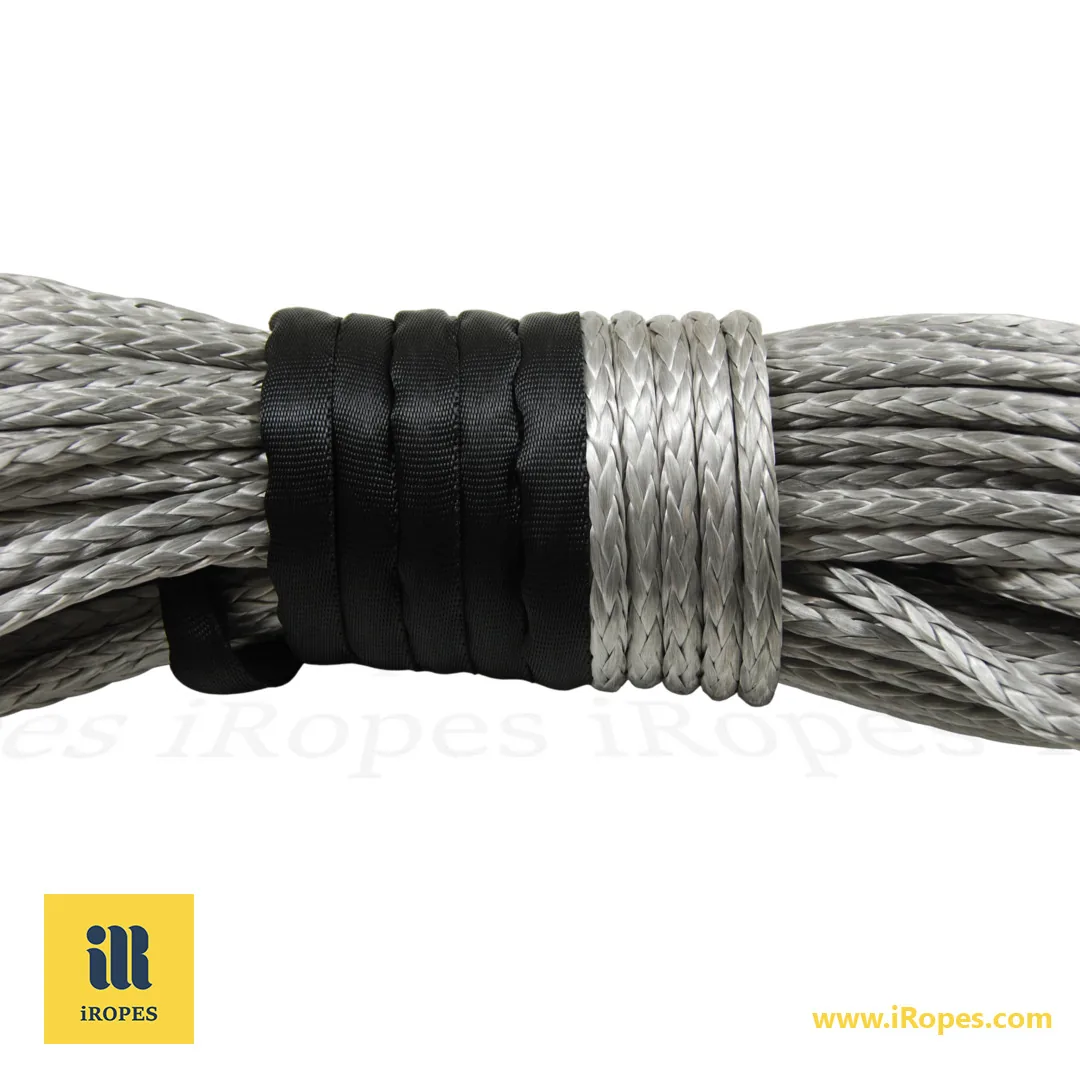
Unlock 95% of your braided rope's original strength in relentless marine conditions—far surpassing knots that slash it by 40-50% through compression and slippage. Master splice techniques with iRopes' precision guidance to ensure unbreakable connections that resist chafe and saltwater corrosion.
In this 12-minute read, you'll discover:
- ✓ Retain 90-100% rope integrity by choosing splices over knots, backed by strength data for wet, high-load scenarios in yachting or spearfishing.
- ✓ Acquire essential tools like Selma fids and hot knives to splice braided polyester or Dyneema flawlessly, cutting prep time by 30%.
- ✓ Master step-by-step eye and end-for-end methods tailored for marine demands, solving the puzzle of joining ropes without bulk or weakness.
- ✓ Implement inspection and whipping rituals to extend splice lifespan by 2x in saltwater exposure, preventing costly failures mid-voyage.
You've probably tied a trusty bowline, thinking it holds strong. Yet, in churning seas, that knot crushes fibres, dropping your line's power to half. What if a seamless weave could defy that, burying strands to reclaim nearly full tensile force while shrugging off relentless waves? Dive in to uncover iRopes' battle-tested splices that transform vulnerable knots into forgotten relics, arming you with pro techniques for unyielding marine reliability.
The Fundamentals of Splice Lines for Marine Rope Strength
Imagine you're out on the water, waves crashing against your boat, and your mooring line suddenly gives way due to a weak connection. That's the kind of scenario that keeps seasoned sailors up at night, and splice lines offer a reliable way to avoid precisely that drama. Essentially, a splice is a method of joining or terminating ropes by weaving the individual strands back into the rope itself. This creates a seamless connection that preserves nearly all of the line's original strength.
Unlike temporary fixes, this technique builds a permanent bond crucial for marine environments where ropes face constant pull from tides, wind, and saltwater exposure. The true beauty of splicing lies in its ability to maintain the rope's integrity without introducing weak points. In harsh marine conditions, where abrasion from docks or rocks is common, a well-executed splice distributes stress evenly along its length. It's much like how a braided friendship bracelet holds firm without fraying at the edges. I've witnessed firsthand on a fishing trip how a simple splice turned what could have been a disaster into a minor inconvenience, keeping us tethered safely through a sudden storm.
Now, why choose splicing over the more familiar knot? Knots are quick and handy for everyday tasks, but they can slash a rope's breaking strength by 40 to 50 percent. Think about it: that bowline or clove hitch might look secure, but under heavy load in wet conditions, it compresses the fibres, leading to slippage or outright failure. Splices, on the other hand, retain 90 to 100 percent of the rope's strength, making them ideal for critical applications like halyards or dock lines. Moreover, they resist chafe better—that gradual wear from friction which is the silent killer of marine gear—because there's no bulky lump to rub against surfaces. If you're dealing with braided constructions, popular for their flexibility and durability in boating, splicing becomes even more essential to avoid compromising those performance qualities.
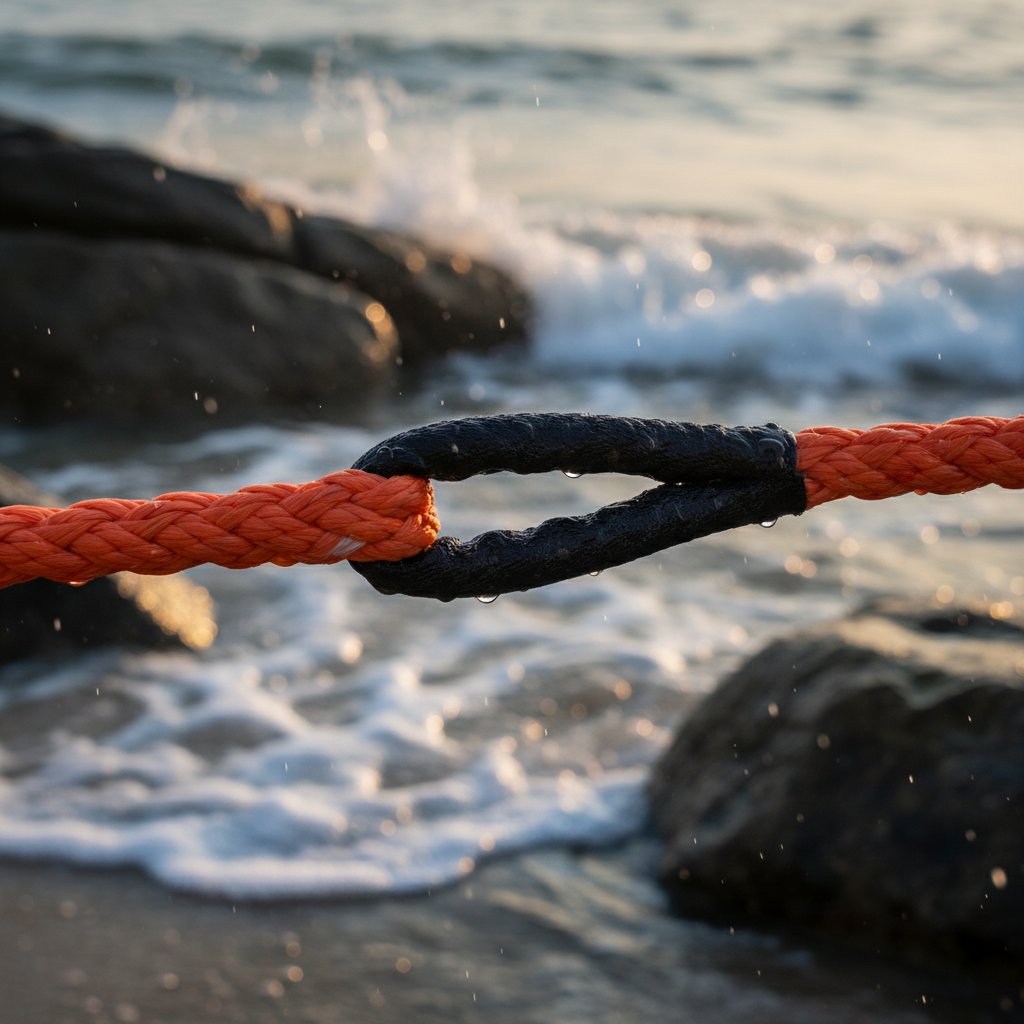
When it comes to braid splice methods, four main types cover most needs, particularly for braided ropes like those used in iRopes' yachting or spearfishing setups. These variations allow you to adapt to different scenarios, whether you're forming a loop or connecting lengths. Have you ever wondered what the four types of splicing are? They include the eye splice for creating a fixed loop, the short splice for a compact join with slight bulk, the long splice for a smoother connection that runs easily through pulleys, and the end-for-end splice to link two ropes end to end without adding much weight.
- Eye splice: Forms a strong, permanent loop ideal for attaching to cleats or thimbles in marine rigging, retaining full strength for tow lines.
- Short splice: Joins two rope ends with some added thickness, useful for temporary repairs but best for non-running applications to avoid jamming.
- Long splice: Creates a nearly invisible join perfect for halyards, as it passes smoothly through blocks without significantly reducing diameter.
- End-for-end splice: Connects two separate lines securely, essential when extending mooring setups without losing load capacity in braided polyester or Dyneema.
For braided rope, these techniques matter because the construction—with its core and cover layers—requires careful tucking to prevent the cover from slipping over time. iRopes' customisable options, such as those in double braid polyester, make it straightforward to achieve these high-retention splices right from the start. Now that we have established the basics, gathering the right tools will make executing these methods even more straightforward, setting you up for success on your next outing.
Essential Tools and Preparation to Splice Braided Rope
Building on the foundational splice types we just covered, like the eye and end-for-end for your braided lines, the real work begins with the right setup. You wouldn't head out on a long sail without checking your gear, would you? The same principle applies to splicing—having the proper tools and prepping thoughtfully ensures your connections hold strong against the pull of currents or the rub of hardware. Let's break this down so you can tackle braid splices with confidence, whether you're rigging a yacht or extending a dock line.
First off, yes, braided rope can absolutely be spliced effectively! It's one of the most common constructions for marine work due to its smooth handling and resilience. Materials like polyester offer a great balance of strength and affordability, while Dyneema steps it up for ultra-low stretch in high-load scenarios—think towing or rescue operations. The key is matching your technique to the rope's core-and-cover design, which we'll explore further as we go. Just remember that with the right approach, you'll lock in that near-full strength without the headaches of mismatched methods.
Basic Tools
Everyday essentials for clean starts
Sharp Knife
Use a sturdy utility blade to cut ends cleanly, preventing fraying that could snag during tucks.
Permanent Marker
Mark taper points and fid entry spots for precision, especially on slippery synthetics.
Tape Measure
Measure diameters accurately to scale your splice, ensuring even load distribution.
Specialised Tools
Pro picks for braided handling
Selma Fids
These tapered needles slide through braided cores smoothly, ideal for double-braid eye splices.
D-Splicers
Plastic fids that lock in place, perfect for pulling tails in single-braid Dyneema without damage.
Hot Knife
Seals synthetic ends instantly, stopping unravelling in humid marine air for safer prep.
Once your toolkit is assembled, preparation keeps things safe and spot-on. Start by measuring the splice length—usually three to five times the rope's diameter, depending on the rope type. For a 12mm braided line, that means 36 to 60mm of working tail, providing enough material to weave without skimping on security. Lay everything out on a stable surface, away from wind that could tangle your strands. Safety is paramount: wear cut-resistant gloves to shield your hands from sharp edges, and work in good light to spot any inconsistencies early. If you're near saltwater, rinse tools afterward to fend off corrosion; I've learned the hard way that a rusty fid can turn a quick job into a frustrating redo.
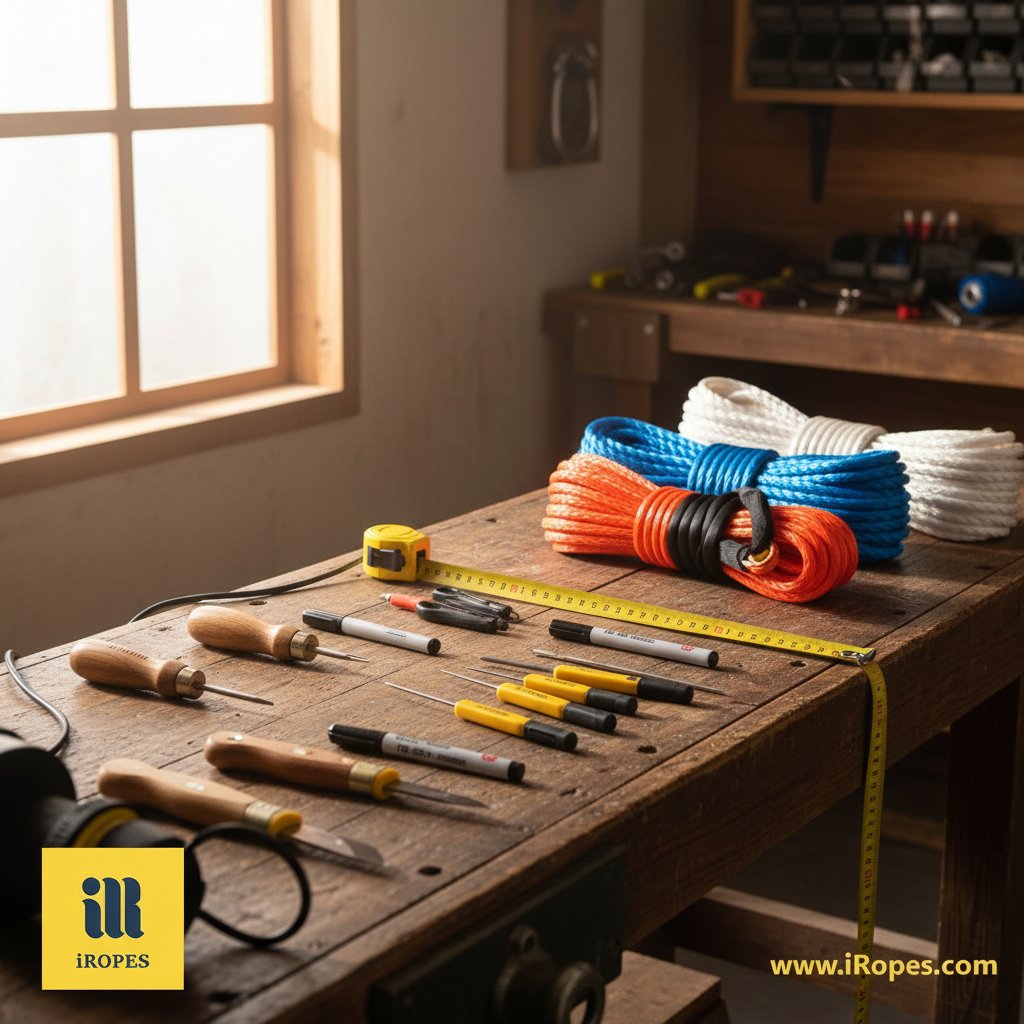
With precise measurements marked and essential tools at hand, you're perfectly primed to weave those durable connections. Next, we'll navigate the hands-on steps to bring your braid splices to life, specifically tailored for the unrelenting demands of the sea.
Step-by-Step Guide to Mastering Braid Splice Techniques
Now that you've got your tools lined up and the rope prepped, it's time to get your hands into the weave. Think back to that last sail where a loose connection had you second-guessing every gust. Proper braid splice techniques can eliminate that worry, locking in up to 95% of your rope's strength even after hours in the spray. We'll start with the eye splice, a staple for creating secure loops in double-braided ropes like those from iRopes' marine lineup. This method seamlessly integrates the core and cover layers, ensuring the whole assembly holds under wet, salty stress without bulging or slipping.
For the eye splice on braided rope, begin by slipping a thimble into the loop if needed—it's like giving your rope a metal backbone for attachments such as cleats. Use your fid to pry open the cover about a fist's length from the end, then pull the core out smoothly. 'Milk' the cover back over the core to expose it fully; this step prevents bunching later. Next, insert the fid with the tail end into the core opposite the entry point, advancing it about two rope diameters through. Pull the tail through, then tuck the cover over the exposed core, working it snug with your hands. Repeat tucks for the core into the cover, burying layers alternately until you've completed five or six passes. Trim any excess and seal with a hot knife. The result is a loop that flexes without failing, perfect for mooring in choppy harbours.
- Prepare thimble and mark entry/exit points with your marker for accuracy.
- Separate core from cover using fid, avoiding pulls that could distort fibres.
- Bury tail core into standing part, then "milk" the cover to integrate layers evenly.
- Tuck and smooth multiple times, testing tension by hand before the final trim.
Moving on to joining ropes: how do you connect two pieces of braided rope securely? The end-for-end splice truly shines here, especially for marine tasks like extending dock lines or making on-the-fly repairs. Align the ends parallel, then taper them by unbraiding slightly. Use your fid to interweave the cores first—Dyneema works well but demands gentle handling to avoid heat friction. Weave the covers over each other in a matching pattern, pulling tails through with a winch if the rope is particularly thick. In boating, this method keeps your setup balanced, preventing uneven wear from waves that could snap a weaker knot. I once fixed a genoa sheet this way mid-regatta; it held through 20-knot winds without a hitch.
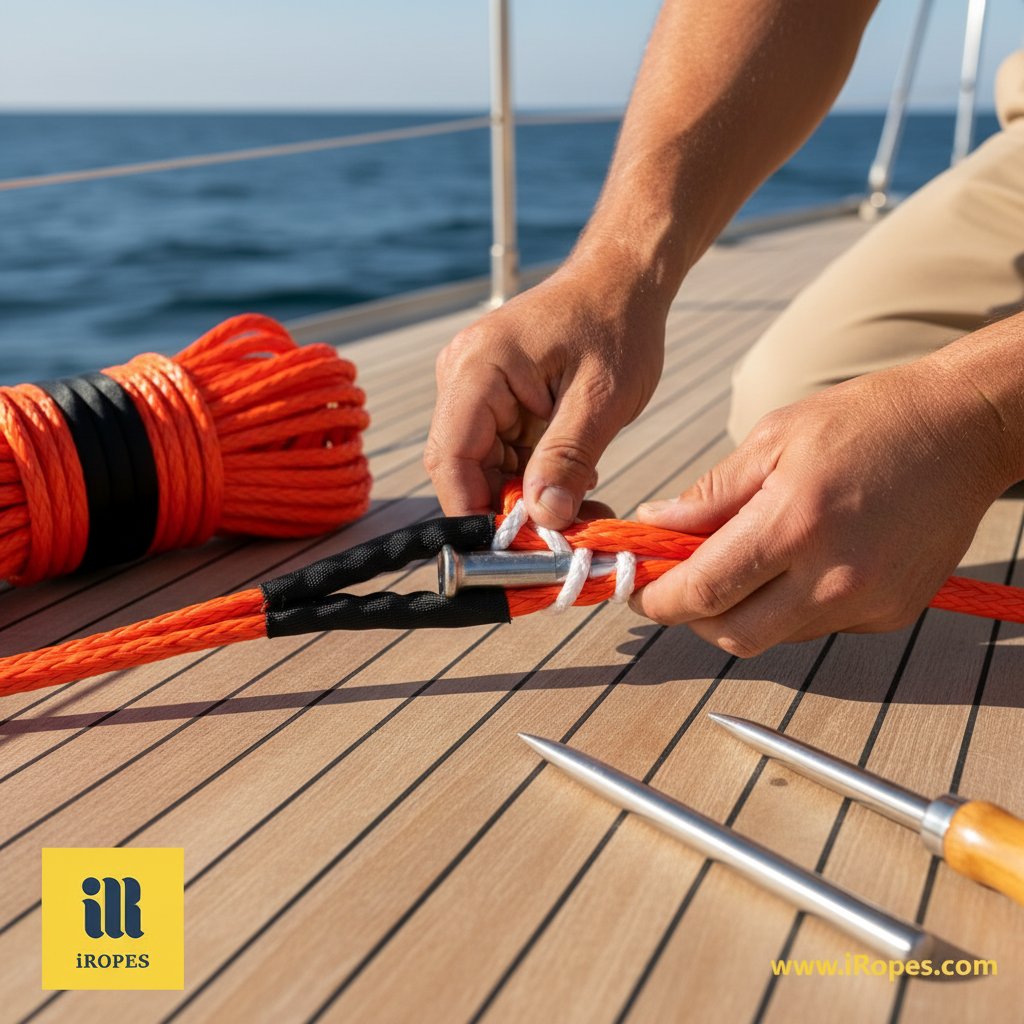
For those trickier setups, consider advanced variations like the Flemish eye or tapered splices, ideal for high-performance fibres in yachting or defence gear. The Flemish eye folds the rope back on itself for a quick loop, but it's best for light reeving tasks; never trust it for heavy loads, as it can shift under pressure. Tapered versions slim the end by pulling out strands progressively, reducing bulk for smooth sheave runs. Precision truly matters with these methods; a loose tuck invites slippage, so double-check alignments before loading. Use them when space is tight, like in spearfishing rigs, but always test them in controlled pulls first. These refinements build on the basics, paving the way for crucial checks that keep your work reliable over time.
Inspection, Whipping, and Custom Solutions for Spliced Connections
Those advanced braid splice techniques we just covered, such as the tapered joins for smoother runs, set a solid foundation. However, they are only as good as the care you give them afterward. Regular checks transform potential issues into quick fixes, keeping your connections reliable whether you're hauling gear on a yacht or securing lines in rough seas. Let's discuss spotting problems early, finishing your work properly, and how professionals like iRopes can handle it all for you.
Inspecting your splices begins with a close look at the tucked areas where fibres meet. Feel for any unevenness or soft spots that might signal slippage—if the weave pulls loose under a firm tug, that's a red flag. This often results from incomplete tucks or mismatched tensions during the braid splice process. Check for external damage too: frayed covers from rubbing against hardware, or discoloration from prolonged sun and salt exposure, which weakens synthetics over time. In saltwater setups, rinse your ropes after every use to wash away corrosive crystals; I've skipped that once on a week-long charter and watched a splice degrade faster than expected. For maintenance, store them coiled loosely in a dry spot, away from direct sunlight, and re-inspect every few months or after heavy loads. If wear appears, such as burrs on the strands or a noticeable drop in firmness, it's time to retire that section—better safe than facing a snap mid-manoeuvre.
Visual Checks
Scan for cracks or loose strands in the cover, especially after UV exposure.
Tension Test
Gently load the splice by hand; slippage here means reworking or replacing.
Material Wear
Probe for salt buildup or chafe marks, common in marine dock lines.
Periodic Maintenance
Clean with fresh water and apply protectant to extend life in harsh conditions.
To secure those ends after a splice lines job, whipping and seizing add that extra layer of hold. Whipping involves wrapping thin twine tightly around the rope's tail in figure-eight patterns, then knotting it off—simple yet effective against unravelling in wet weather. Seizing takes it further by clamping multiple turns with serving twine over spliced joints, distributing pressure evenly for high-load spots like halyards. And don't overlook lock-stitching: Thread a needle through the weave in a zigzag pattern to pin layers in place, boosting durability where waves constantly flex the material. These steps, quick to learn with practice, prevent the minor frays that lead to big failures.
For busy operations in yachting or defence, why wrestle with DIY when iRopes offers OEM and ODM services for pre-spliced custom ropes? Their team handles everything from design to delivery, ensuring each braid splice meets exact specifications with ISO 9001-backed quality. Wholesale buyers receive tailored solutions—like glow-in-the-dark elements for night operations or tapered ends for streamlined rigging—shipped directly. This saves time and hassle while protecting your ideas through full IP safeguards.
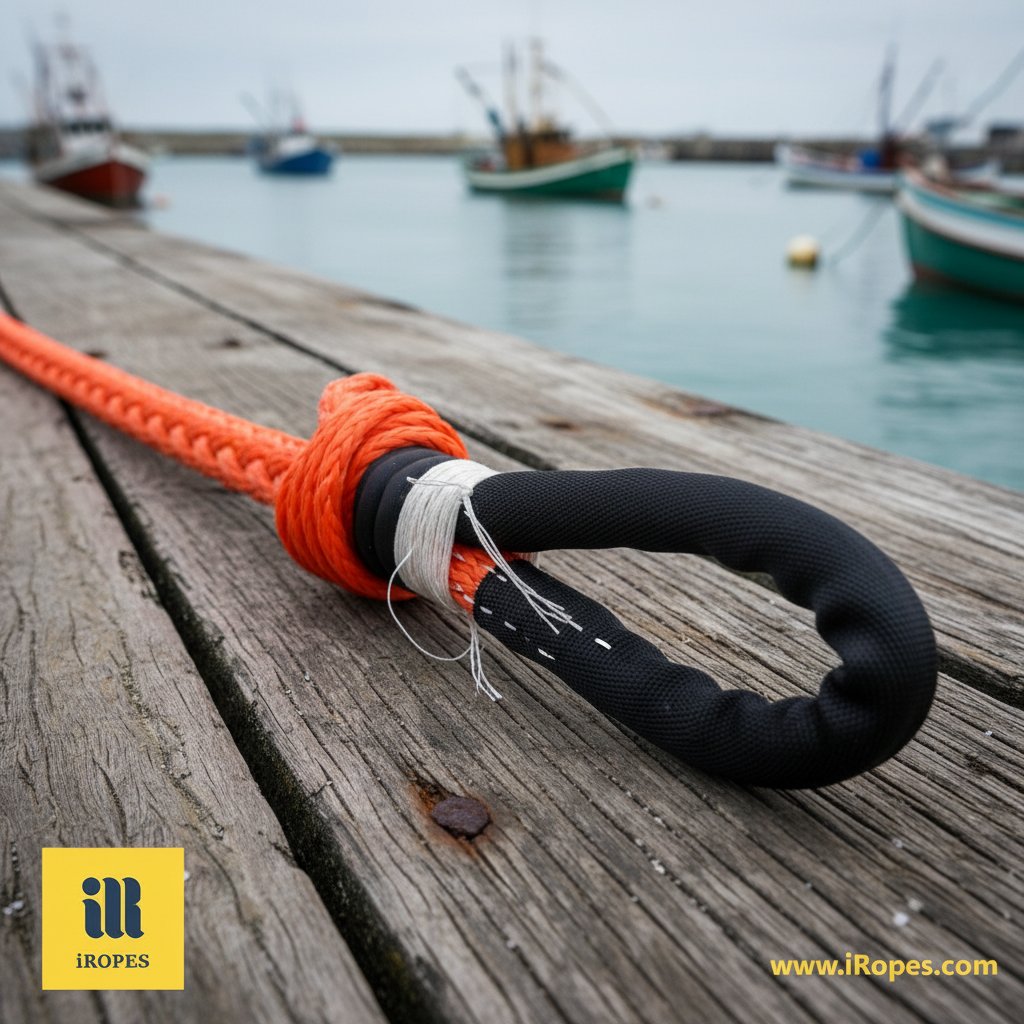
Implementing these inspection and finishing habits means your ropes will perform at their peak, much as iRopes' precision manufacturing ensures every custom order aligns perfectly with your needs across various industries.
Mastering braid splice techniques empowers you to secure splice lines that retain up to 95% of your rope's strength in demanding marine environments, far surpassing knots which lose 40-50%. By learning to splice braided rope with tools like Selma fids, D-splicers, and hot knives, while measuring splice lengths at three to five times the diameter, you ensure seamless eye or end-for-end connections resistant to chafe and saltwater wear. Regular inspections for slippage, fraying, or soft spots, combined with whipping and lock-stitching, extend longevity—essential for yachting or defence applications. iRopes' OEM expertise delivers pre-spliced custom solutions tailored to your needs, backed by ISO 9001 quality.
Need Tailored Splicing Advice or Custom Ropes?
If you're ready for personalised guidance on braid splice projects or bespoke marine ropes from iRopes, simply complete the inquiry form above to connect with our specialists and elevate your rigging reliability.