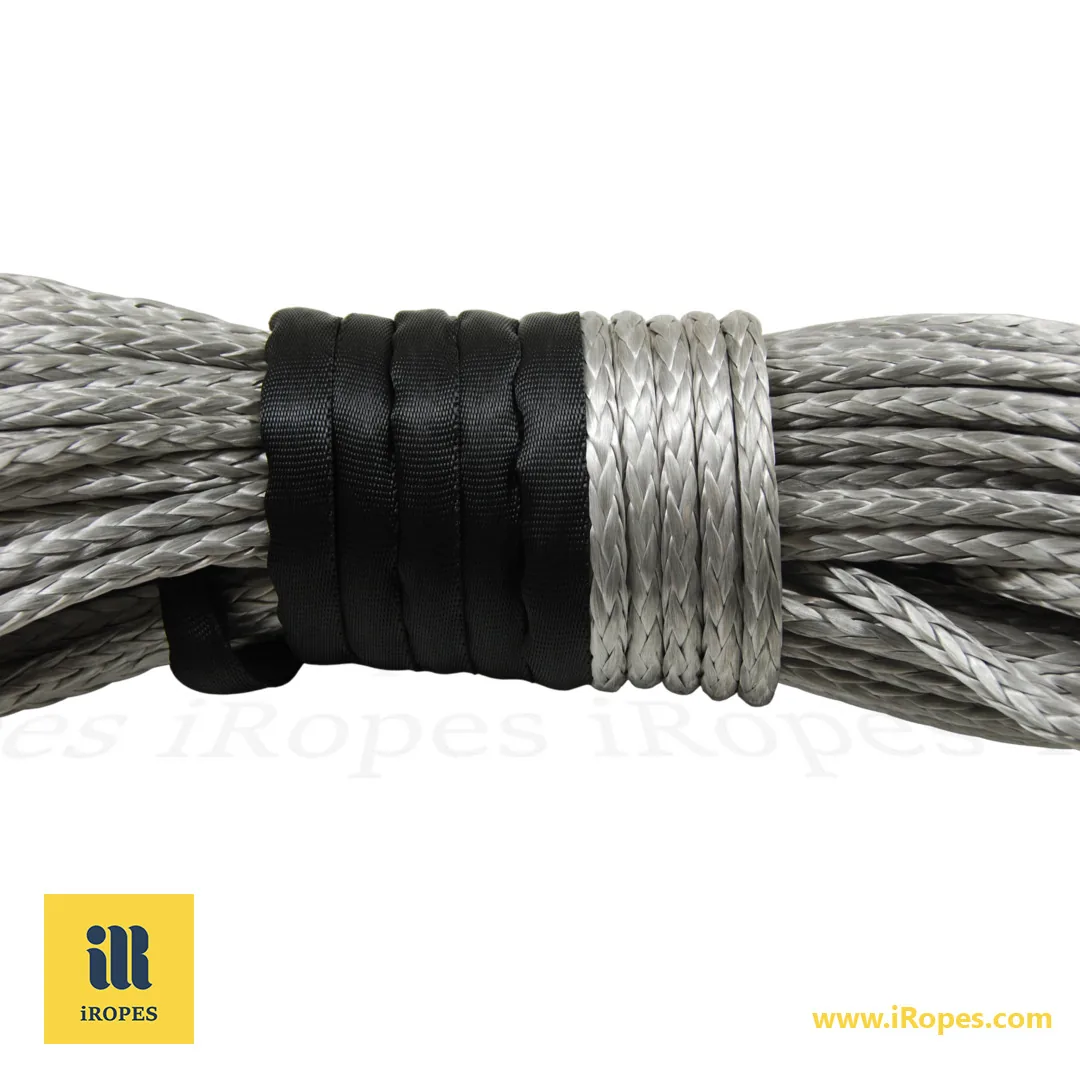
Reliable mooring ropes prevent vessel disasters by withstanding 5:1 safety factors against surges and winds, slashing collision risks in stormy conditions. iRopes delivers custom solutions that secure ships and boats worldwide, backed by ISO 9001 precision.
Master Mooring Essentials in 8 Minutes →
- ✓ Grasp material choices like Nylon's 25% stretch for shock absorption, extending rope life by 2-3 years in rough seas
- ✓ Calculate perfect sizing for your vessel—1.5x boat length—to handle tides without overload failures
- ✓ Unlock iRopes customisation, adding chafe guards that cut wear by 50% and match your branding needs
- ✓ Implement maintenance routines spotting UV damage early, ensuring compliance and averting costly downtime
Picture your vessel bucking wildly against a gale—will its mooring ropes hold, or will it drift into chaos amid multimillion-dollar stakes? You may have overlooked how one wrong material choice can turn routine docking into disaster. Yet, iRopes’ tailored ropes, ranging from HMPE's steel-like strength to Nylon's forgiving flex, significantly rewrite that risk profile for both ships and boats. What if a single custom splice could safeguard your fleet for decades? What hidden factors make mooring lines unbreakable and truly reliable?
Understanding Mooring Ropes: The Lifeline Preventing Maritime Disasters
Imagine a stormy night at the marina, with waves crashing against the dock as your boat strains against its ties. Without strong, reliable lines holding it steady, disaster could strike—a vessel drifting into open water or slamming into neighbouring crafts. This is precisely where mooring ropes come in, acting as the unsung heroes that keep everything secure. These aren't just any ropes; they’re specialised lines designed to secure vessels to fixed points like docks, piers, or buoys, ensuring they stay put amid tides, winds, and unexpected surges.
So, what exactly are mooring ropes? In simple terms, they're thick, durable cords made from synthetic fibres built to withstand the relentless pull of the sea. Unlike dock lines, which are often shorter and used specifically for tying up to a pier in calm conditions, mooring ropes handle broader scenarios, including offshore buoys or heavy loads. They also differ from anchor lines, which connect to the seabed for grounding a boat, focusing more on holding position rather than lateral restraint. Mooring ropes, on the other hand, prioritise lateral stability, preventing side-to-side movement that could lead to collisions or structural damage. I’ve seen firsthand how a well-chosen set can turn a potential nightmare into a peaceful overnight stay, especially after a long day on the water.
Why do they matter so much? Safety is the core reason. In rough weather, these ropes absorb shocks from waves and wind gusts, distributing forces that could otherwise tear a boat free or even snap the cleats on a larger ship. For smaller recreational boats, they keep you from bobbing uncontrollably; for commercial ships, they prevent multimillion-dollar mishaps during loading or unloading. Consider a busy port during a squall—poorly secured vessels risk not just damage but also endangering lives and nearby operations. Have you ever wondered if your current setup could effectively handle a sudden gale? Reliable mooring ropes provide that peace of mind, significantly reducing the risk of accidents that make headlines.
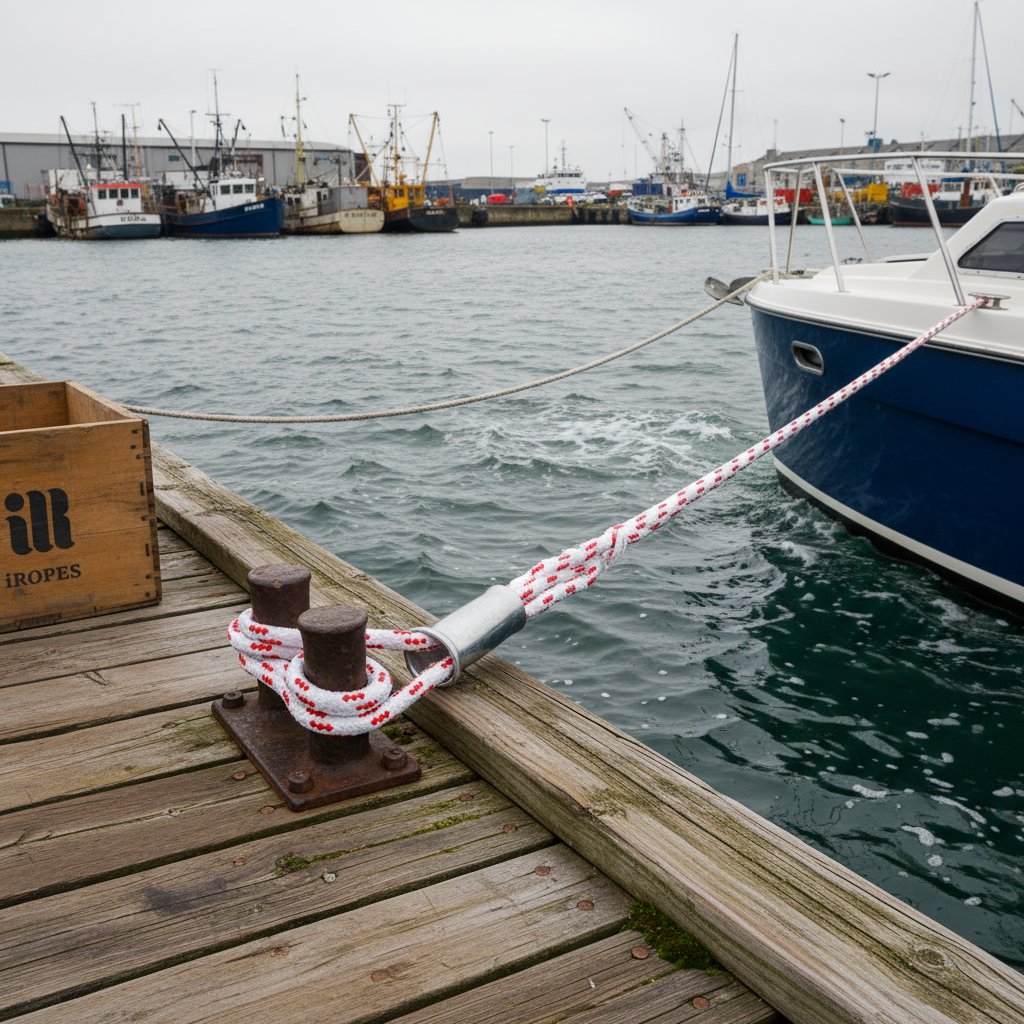
When selecting or using these essential tools, several factors come into play to ensure they perform as needed. Safety factors, for instance, refer to the ratio of a rope's breaking strength to its expected working load—typically 5:1 or higher in marine settings—to account for unexpected spikes in force. Environmental impacts add another layer of complexity; saltwater corrosion, UV rays from the sun, and abrasive rubbing against pilings can degrade even the toughest materials over time. Then there are port-specific requirements, such as minimum diameters mandated by local authorities or international standards for larger vessels. Understanding these helps you choose ropes that not only meet regulations but also last longer in your particular conditions. This mindful selection is crucial for operational longevity.
Environmental influences vary significantly by location—think of the constant humidity in tropical ports versus icy winters in northern harbours. Each demands mooring ropes with tailored resistance to wear. Port rules might specify UV-stabilised fibres for sunny marinas or heavier constructions for high-traffic commercial areas. By factoring these in early, you avoid costly replacements and keep operations smooth. As we explore what goes into these ropes, you'll see how materials play a pivotal role in meeting these diverse demands head-on.
- Safety Factors - Built-in margins like 5:1 ratios ensure ropes withstand overloads without failing.
- Environmental Impacts - UV exposure and saltwater accelerate wear, so select resistant materials accordingly.
- Port-Specific Requirements - Local regulations often dictate minimum strengths and lengths for secure docking.
Selecting Mooring Ropes for Boats: Materials and Best Practices
Building on how mooring ropes tackle those environmental challenges and safety demands we just discussed, the real magic happens when you pick the right material for your boat. For smaller vessels, it's all about balancing stretch, strength, and ease of handling to keep things secure without overcomplicating your setup. Let's break down the top choices that make sense for recreational boating, focusing on what works best in everyday scenarios like weekend sails or overnight dockings, specifically for mooring ropes for boats.
When considering what kind of rope you use for mooring, Nylon often tops the list for boats thanks to its natural elasticity. Picture this: a sudden wave hits, and instead of yanking your cleats loose, the rope stretches like a bungee cord, absorbing the shock before snapping back. That’s Nylon’s strength—up to 20-30% elongation under load, which is perfect for handling surges from wind or current. On the flip side, it can feel a bit springy if you're not used to it, and over time, it might degrade faster in constant sunlight. It's ideal for bow and stern lines on trailerable boats under 30 feet, where forgiveness in rough conditions matters most.
Polyester, meanwhile, offers the opposite vibe: low stretch, around 10-15%, making it feel rock-solid and responsive. I've relied on it during calm marina stays because it holds tension without sagging, which reduces wear on your fittings. It’s tougher against abrasion from rubbing against pilings and resists UV better than Nylon, leading to a longer lifespan in sunny spots. The downside? Less give means it transmits every jolt directly, which isn't ideal in stormy weather. Use it for spring lines or fixed moorings on mid-sized cruisers, where stability trumps flexibility.
Nylon
Shock-Absorbing Choice
High Elasticity
Stretches to absorb wave impacts, preventing cleat damage in choppy water.
Strong Wet Performance
Maintains most strength when soaked, reliable for saltwater exposure.
UV Sensitivity
Needs protection from sun to avoid quicker breakdown over seasons.
Polyester
Low-Stretch Stability
Abrasion Resistant
Handles rubbing against docks without fraying easily.
UV Durable
Stands up to prolonged exposure, ideal for open marinas.
Limited Give
May transfer shocks directly, meaning it's less forgiving in heavy surges.
Once you've settled on a material, sizing comes next to ensure everything fits your boat's scale. For mooring ropes for boats, start with diameter: generally 3/8-inch for vessels under 20 feet, scaling up to 5/8-inch for those around 40 feet, based on expected loads from windage and weight. As for how long a mooring line should be, aim for about 1.5 to 2 times your boat's length per line—say, 40-50 feet for a 25-footer—to allow for tide changes and safe angles. In a typical two-line setup, add extra length for bow and stern lines to prevent excessive swinging, adjusting for deeper water or stronger currents.
- Measure boat length and add 50% for basic dock lines.
- Factor in water depth: Multiply by 1.5 for vertical rise to accommodate tidal changes.
- Double the length for spring lines to cross the beam securely, distributing tension.
Don't overlook the outdoors—salt spray and sun can chew through even quality lines if you're not careful. For recreational use, incorporate chafe protection like tubular guards over contact points with pilings; they're simple to add and can double a rope's life by shielding against friction. Rinse lines with fresh water after every outing to flush salt, and store them out of direct light. These proactive steps keep your setup reliable without much hassle. Of course, as boats give way to bigger operations, those demands ramp up even further, requiring more robust solutions.

Mooring Ropes for Ships: Heavy-Duty Solutions for Commercial Safety
The ramped-up demands for bigger operations mean turning to mooring ropes for ships that can handle extreme forces without flinching. Where recreational boats rely on forgiving materials to cushion everyday bumps, commercial vessels face relentless pressures from massive weights and unpredictable seas. Consider a cargo ship docking in a bustling port—these lines must secure thousands of tonnes against gales and swells, making heavy-duty options non-negotiable for keeping crews safe and schedules on track.
For such tough jobs, advanced materials step up as the go-to for mooring ropes for ships. HMPE, or high-modulus, polyethylene like Dyneema, stands out with its incredible strength-to-weight ratio—often seven times stronger than steel at the same diameter—while staying lightweight and floating to avoid tangles. It resists abrasion from rough pilings and cuts through UV damage better than most, holding up in salty, sun-baked harbours year after year. Aramid fibres, on the other hand, bring heat resistance into the mix, ideal for spots near engines or in high-friction zones where ropes might warm up under load. Both shine in harsh conditions, like offshore oil rigs or busy shipping lanes, where failure isn't an option. While they come at a higher cost, and splicing requires skill to maintain their integrity, the investment is justified for operations where downtime costs a fortune.
HMPE Strength
Delivers ultra-high tensile power with minimal stretch for precise control during loading.
Abrasion Toughness
Withstands scraping against concrete docks, extending service life in abrasive ports.
Aramid Heat Resistance
Manages elevated temperatures without losing grip, perfect for engine-adjacent ties.
Low Weight Design
Eases handling for deck crews, reducing fatigue during frequent mooring tasks.
Sizing these ropes demands a closer look at your ship's specifics to avoid overloads. Displacement—the total weight, including cargo—drives the need for thicker diameters, say starting at 2 inches for vessels over 500 tonnes, scaling up based on calculations from naval engineers. Windage, or how much the superstructure catches gusts, adds lateral pull, while port rules might enforce minimum breaking strengths tied to local tide ranges. Safety factors here can push to 6:1 or more, accounting for sudden snaps that could whip back dangerously if a line parts. Ever seen footage of a mooring failure? It underscores why skimping on size invites risks like hull damage or crew injury.
What sets mooring ropes for ships apart from those for boats? Scale and intensity make the difference—boats deal with moderate loads where stretch helps absorb jolts, but ships require low-elongation lines to maintain position under enormous forces, often employing 12-strand braids for torque-free handling. HMPE shines here for large vessels, slashing weight by up to 80% compared to steel wires while boosting efficiency in towing or anchoring, allowing ships to manoeuvre faster without straining winches. This shift to specialised setups ensures commercial operations run smoothly, but it also highlights the need for tailored tweaks to match each hull's quirks.

Getting the fit right often means adapting to unique port setups or adding features like integrated chafe sleeves, setting the stage for ongoing care that keeps performance sharp over time. Furthermore, understanding the distinctions between mooring ropes for ships and various rope constructions adds another layer of precision to selection.
Customising and Maintaining Mooring Ropes for Optimal Performance
Adapting those unique port setups with features like integrated chafe sleeves takes us straight into the world of customisation where lines aren't just off-the-shelf but built to fit your exact needs. At iRopes, we've seen how a small tweak in design can make all the difference for keeping vessels secure, whether it's a yacht slipping into a tight berth or a freighter holding steady in a crosswind. Our OEM and ODM services let you shape every detail, turning standard ropes into ones that precisely match your operation's rhythm and brand.
Yes, mooring ropes can absolutely be custom-made, and that's where iRopes shines for wholesale partners. Start with the construction—choose between double braid for flexibility in tight manoeuvres or 12-strand for that torque-free handling on larger decks. Add accessories like thimbles to reinforce eye splices against sharp edges or soft eyes for quick, knot-free connections. Branding comes easy too; we can weave in your company colours or patterns right into the strands, ensuring your gear stands out on the water while serving a crucial purpose. It's all done in our state-of-the-art facilities by skilled craftsmen ensuring precision, so you get ropes that not only perform but also carry your identity. Think about a defence contractor needing glow-in-the-dark elements for night operations—we've delivered those, blending safety with stealth. For expert techniques on splicing mooring ropes, our guides offer detailed insights to maintain peak strength.
Tailored iRopes Solutions
From core types that boost load distribution to custom lengths cut for your winches, we handle the details so your team focuses on the sea.
Once you've got your custom setup, maintenance keeps it reliable season after season. A solid program starts with regular checks to spot issues early, like fraying from constant rubbing or stiffness from UV breakdown that hints at inner weakness. Rinse lines with fresh water after each saltwater dip to wash away corrosive crystals. Inspect visually every three months—pull on the strands to feel for soft spots or discolouration. For heavier use, like on commercial runs, bump that to monthly, focusing on load-bearing sections. So, how often should mooring ropes be inspected or replaced? Plan on replacement every two to five years, depending on exposure; if strength drops below 80% of original or you see cuts deeper than half the diameter, it's time to swap them out. Have you checked your lines lately? Skipping this could turn a minor wear point into a major headache, compromising safety.
Integrating chafe guards during customisation amps up protection—think tubular sleeves or leather wraps over high-friction zones, extending life by years in abrasive spots. Our ISO 9001 certification backs every rope, ensuring they meet global standards for breaking strength and durability, while IP protection keeps your custom designs yours alone. This comprehensive approach works for both recreational outings and industrial hauls, providing peace of mind that your gear won't let you down when conditions turn rough, particularly with customised mooring ropes.
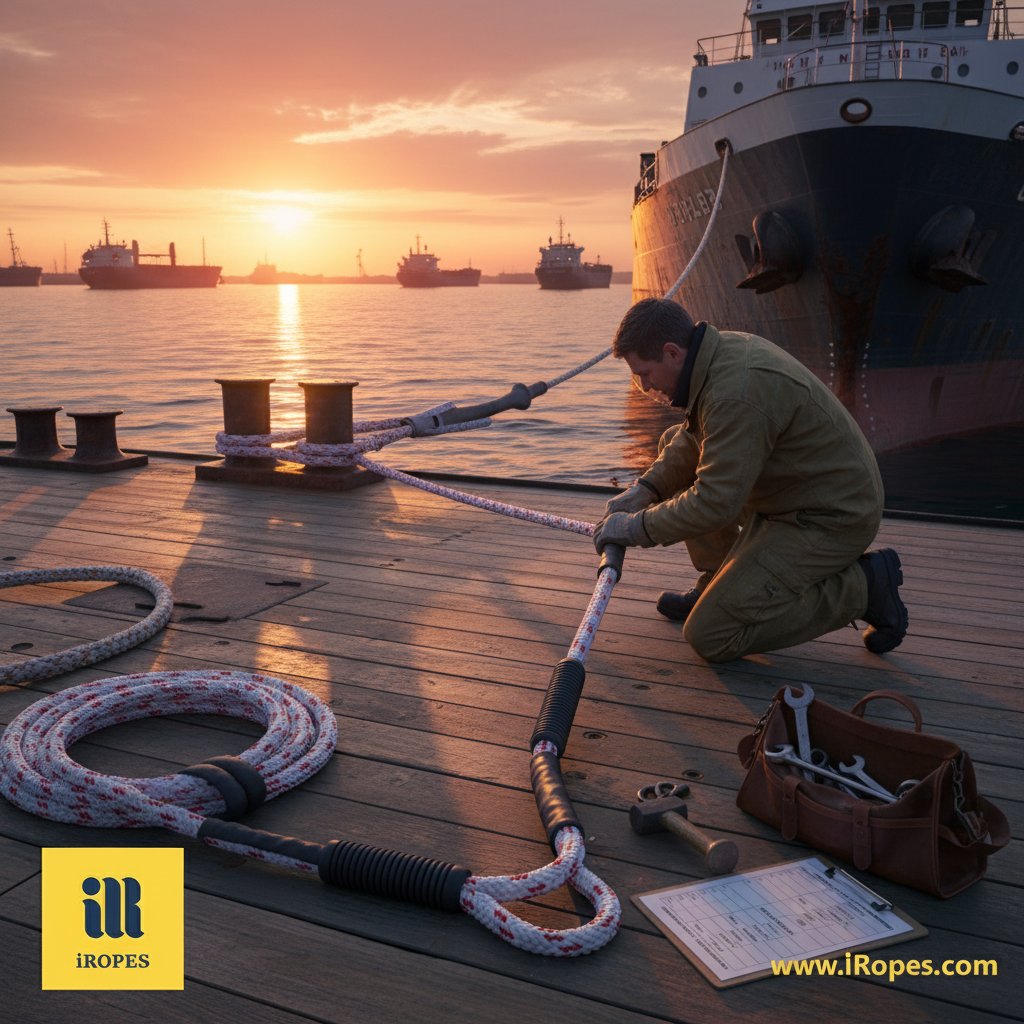
With these practices in place, your mooring system evolves from basic ties to a trusted safeguard, much like how iRopes builds partnerships that grow with your needs across the globe, providing reliable mooring ropes.
From the dramatic role of mooring ropes in averting maritime disasters to selecting the right materials like Nylon for shock absorption in mooring ropes for boats or HMPE for the heavy-duty demands of mooring ropes for ships, this guide has equipped you with essential knowledge on sizing, safety factors, environmental resilience, and port-specific needs. Customisation through iRopes' OEM services ensures tailored solutions with integrated chafe protection and branding, while regular inspections and maintenance programs—checking for fraying or UV damage every few months—prolong performance and compliance for both recreational and commercial operations. For deeper insights into why polyester mooring ropes excel in demanding conditions, explore our specialized resources. Armed with these insights, you're better prepared to safeguard your vessels against the unpredictable sea.
Need Tailored Mooring Advice? Reach Out for Personalised Support
If you'd like expert guidance on customising mooring ropes to fit your specific vessel needs, the inquiry form above connects you directly with iRopes specialists. We are ready to discuss your requirements and deliver bespoke solutions, ensuring the safety and efficiency of your marine operations.