⚠️ Generic multi-purpose ropes snap under 5,000-pound marine loads 40% faster than specialised options, putting your crew and catch at risk in commercial fishing or construction. Switch to tailored work ropes that boost reliability by up to 50% in saltwater chaos—your operations deserve better than breakdowns.
In 7 minutes, unlock marine rope strategies that slash downtime and skyrocket safety for pros
- ✓ Spot failure triggers in multi-purpose ropes, cutting operational losses by 30% through real case studies of fishing and towing mishaps.
- ✓ Master essential specs like low-stretch Dyneema for work boats, gaining precision control that prevents 20% of common hazards.
- ✓ Optimise procurement with iRopes' OEM customisation, saving 25% on costs via bulk global delivery and IP-protected designs.
- ✓ Build lasting inventory habits, extending rope life by 50% and ensuring compliance for seamless marine construction.
You reckon that trusty multi-purpose rope handles everything from yacht mooring to heavy net hauls without a hitch—but what if it's secretly sabotaging your efficiency in brutal marine conditions? Picture this: a single snap not only costs thousands in lost gear but also endangers lives amid churning waves. Dive deeper to uncover how iRopes' specialised commercial ropes flip the script, transforming risky routines into rock-solid performance that matches your exact demands. Will your next haul depend on it?
Why Multi Purpose Ropes Are Failing Commercial Marine Pros
Imagine you're out on the water, managing a busy fishing vessel, when suddenly your rope snaps under the strain of a heavy catch. That heart-stopping moment isn't just bad luck—it's a symptom of why generic multi purpose ropes often let down professionals in the commercial marine world. These all-in-one solutions promise versatility, but in the harsh realities of saltwater, wind, and relentless use, they fall short. Consequently, they compromise safety and slow down operations. Let's delve into what's going wrong.
- Insufficient strength under load - Multi purpose ropes typically use basic materials like standard nylon or polypropylene, which lack the tensile strength needed for heavy towing on work boats. In marine settings, where loads can exceed 5,000 pounds, these ropes can stretch excessively or even break, leading to lost gear or worse.
- Poor environmental resistance - Exposure to UV rays, saltwater corrosion, and abrasion from rough surfaces wears generic ropes down quickly. Unlike specialised options, they don't hold up in constant wet conditions, causing premature fraying during fishing runs or docking manoeuvres.
- Limited adaptability to tasks - One-size-fits-all designs ignore the nuances of commercial operations, such as the need for low elongation in precise anchoring. This often results in failures that halt production and rack up repair costs.
These problems aren't abstract—they hit hard in real scenarios. Take a commercial fishing crew off the coast, for instance: their multi purpose rope, chosen for its supposed handiness, gave way during a net haul, sending equipment overboard and forcing a full day of downtime to replace it. While the crew escaped injury, the financial sting from lost catch and emergency fixes was significant. Consider also marine construction pros rigging a barge; a rope that couldn't resist chafe from metal edges parted mid-lift, endangering workers and delaying a multimillion-dollar project. Such breakdowns highlight how safety often takes a backseat when reliability falters, turning routine jobs into potential disasters.
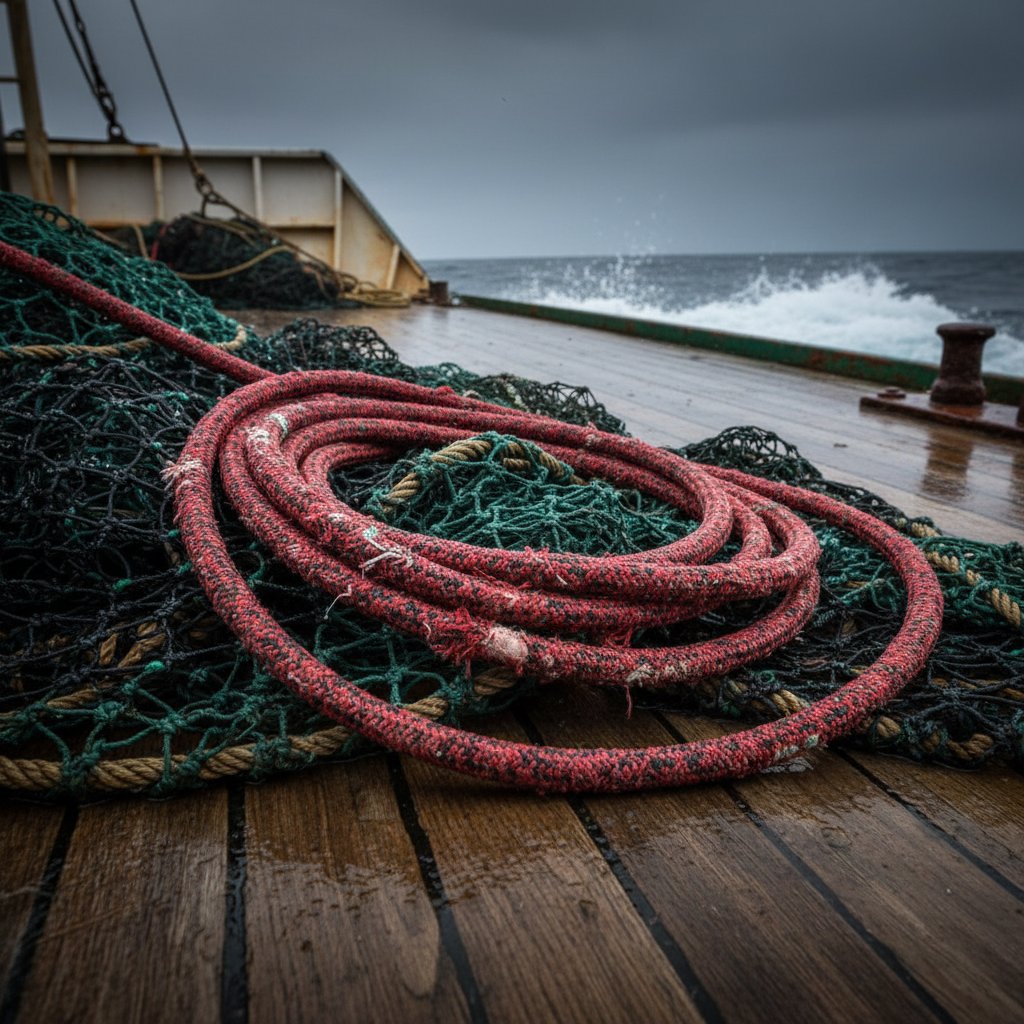
So, what about finding the best multi purpose rope to sidestep these issues? It's a question often heard from folks in the trade, and the truth is, there isn't a universal winner. Polyester shines for its low stretch and UV toughness in general rigging, while nylon offers better shock absorption for dynamic loads like towing. Ultimately, pinning down "the best" depends entirely on your setup—consider the material's interaction with water, the rope's braided or twisted build for grip and durability, and how it aligns with your specific demands. Skimping on context-specific picks, such as opting for cheap polypropylene in a high-abrasion zone, invites the very failures discussed. Have you ever had a rope let you down mid-job? Matching the right work rope to your marine needs isn't just smart—it's essential for keeping things running smoothly.
Having identified the pitfalls of generic multi purpose ropes, let's examine the specific requirements for work ropes in demanding marine settings to ensure reliability.
Essential Features of a Durable Work Rope for Marine Applications
Building on those reliability gaps we just unpacked, it's clear that a solid work rope needs to step up where generics crumble. In the relentless push-pull of marine work—think heaving lines on a work boat or securing loads during towing—durability isn't optional. It's what keeps your crew safe and your schedule on track. Let's break down the must-have features that transform a basic rope into a dependable partner for these tough conditions.
Start with the backbone: materials. Polyester stands out for its balance of toughness and low stretch, shrugging off UV rays that bake most ropes brittle after months at sea. It's a go-to for mooring lines where you need steady hold without sagging under tension. Then there's Dyneema, that ultra-high-molecular-weight polyethylene wonder—it's incredibly strong yet lightweight, floating effortlessly and resisting cuts from jagged docks or rocks during towing operations. Unlike heavier options, it cuts down on crew fatigue when handling long hauls. Ever wrestled with a waterlogged line that drags like an anchor? These materials keep things manageable while fending off abrasion from constant rubbing against hulls or gear.
Braided Construction
Smooth and Strong for Precision
High Tensile Strength
Delivers up to 20 times the strength of steel by weight, ideal for lifting heavy nets in fishing without snapping. Polyester and Dyneema are prime examples.
Low Elongation
Stretches less than 3% under load for polyester and even less for Dyneema, preventing dangerous snaps in dynamic towing scenarios.
Working Load Limit
Safely handles 20-25% of breaking strength for commercial fishing, ensuring compliance with load standards and enhancing safety.
Twisted Construction
Flexible Grip for Handling
Balanced Flexibility
Allows easy knotting on work boats, though it wears faster under friction compared to braids and is susceptible to abrasion damage effects.
Higher Stretch
Offers 10-15% elongation for shock absorption in rough seas, suiting variable fishing pulls and providing good elasticity for towing.
Load Distribution
Spreads tension evenly but requires thicker diameters for equivalent WLL in heavy marine tasks, making it less efficient for critical applications.
Beyond picking the right build, performance metrics truly seal the deal—tensile strength measures how much pull a rope can take before breaking, while elongation indicates how much it yields under stress. For commercial fishing, aim for a WLL that's 20% of the break point to build in that crucial safety buffer. Twisted ropes might flex more for absorbing waves' jolts, but braided ones hold firm for precise control in construction lifts. What load are you typically dealing with? Matching these factors keeps operations humming.
Customisation takes it further, letting you tweak diameter for grip—say, 16mm for towing heft—or length to fit your vessel's exact runs. Add thimbles for smooth splices or chafe guards to shield against wear on pilings. At iRopes, our OEM and ODM pros craft these details to meet marine regulations, ensuring every inch complies with safety standards. It's like having a rope built precisely for your deck, rather than some unsatisfying, off-the-shelf compromise.
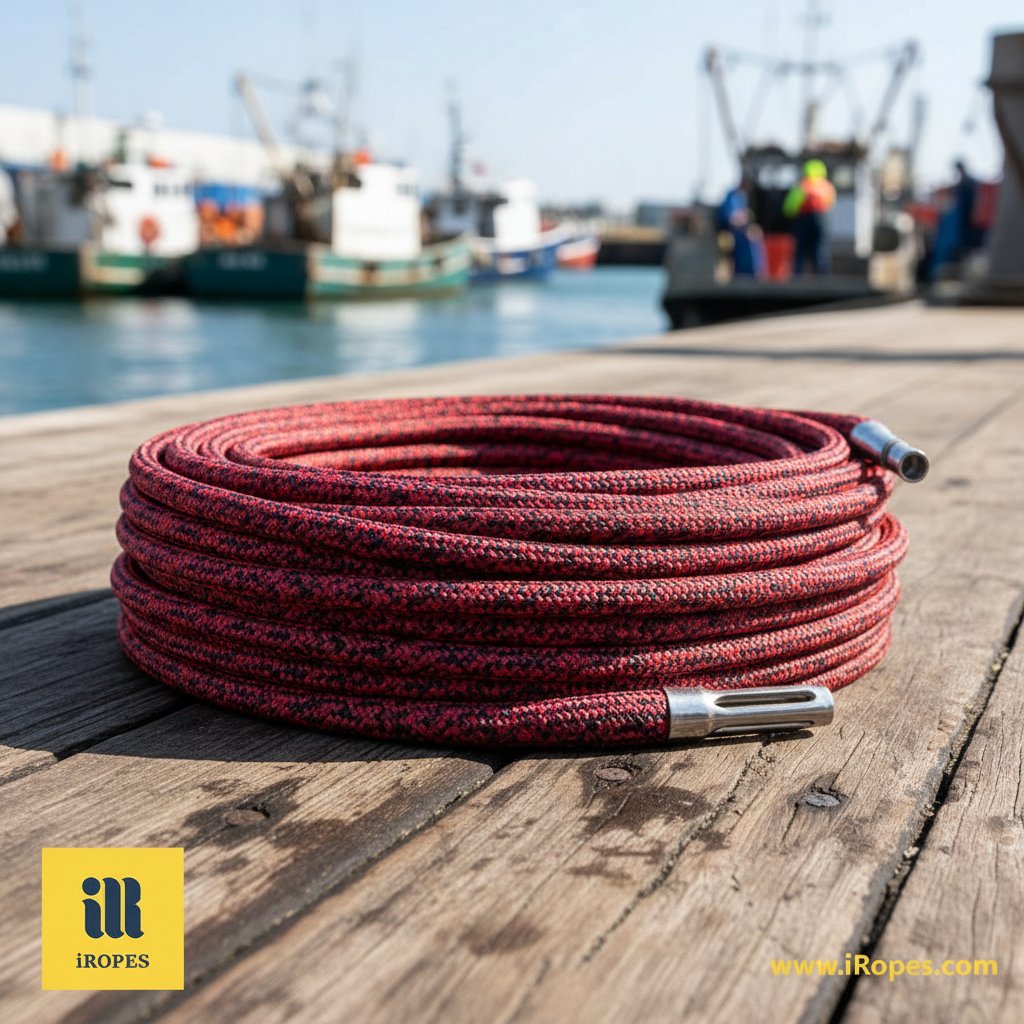
These elements together ensure your work rope isn't just surviving—it's excelling, paving the way for smarter choices in broader marine setups.
Selecting the Ideal Commercial Rope for Diverse Marine Operations
With those core features of a durable work rope in mind, picking the right commercial rope means zeroing in on your exact marine setup—whether it's the steady pull of mooring in a busy port or the precision needed for construction lifts. It's about matching specifications to the job, thereby helping you avoid the generic pitfalls we've covered. Let's walk through what makes a rope ideal for yachting, docking, and beyond, focusing on real-world demands.
In yachting and mooring, low-stretch commercial ropes are game-changers. Take polyester: it holds shape under constant tension, with elongation under 10% even in rough swells, making it perfect for keeping a vessel secure without drifting. For port operations, where you're tying off cargo ships amid tides, aim for diameters from 12mm to 20mm—these handle working loads up to 10 tonnes while resisting chafe from bollards. In marine construction, such as setting pilings or lifting modules, Dyneema steps up with its minimal stretch (less than 2%), ensuring exact positioning without the whip-back risk of bouncier lines. Imagine rigging a floating platform; a rope that gives too much could shift everything off-kilter, but these low-stretch options keep it locked in.
Traditional Multi Purpose Ropes
Nylon-based generics absorb shocks well but stretch 15-20%, leading to fatigue in sustained mooring and poor precision for off-road style recoveries near shore.
Suitability Limits
They falter in wet recovery tasks, sinking under their own weight and fraying against rocks, unlike specialised picks that float and cut through debris effectively.
Advanced Materials like Dyneema
Boasts 15x steel's strength at half the weight, making it ideal for marine off-road recoveries—think pulling a grounded boat from shallows with minimal crew effort.
Edge in Marine Contexts
Floats naturally, resists cuts from coral or props, and maintains grip in slippery conditions, thereby outpacing multi purpose options by significantly reducing snap risks.
Comparing materials sharpens this: while traditional multi purpose ropes like polypropylene float cheaply for light duties, they largely lack the UV resistance needed for prolonged sun exposure in port work. Dyneema, though pricier upfront, pays off significantly in longevity for recovery operations—its abrasion resistance translates to fewer swaps during a season. On the other hand, nylon fits dynamic yacht pulls with its bounce, but for static holds, polyester's firmness wins. Ever pulled a line that felt like taffy? That’s typically the clue to swap for something stiffer.
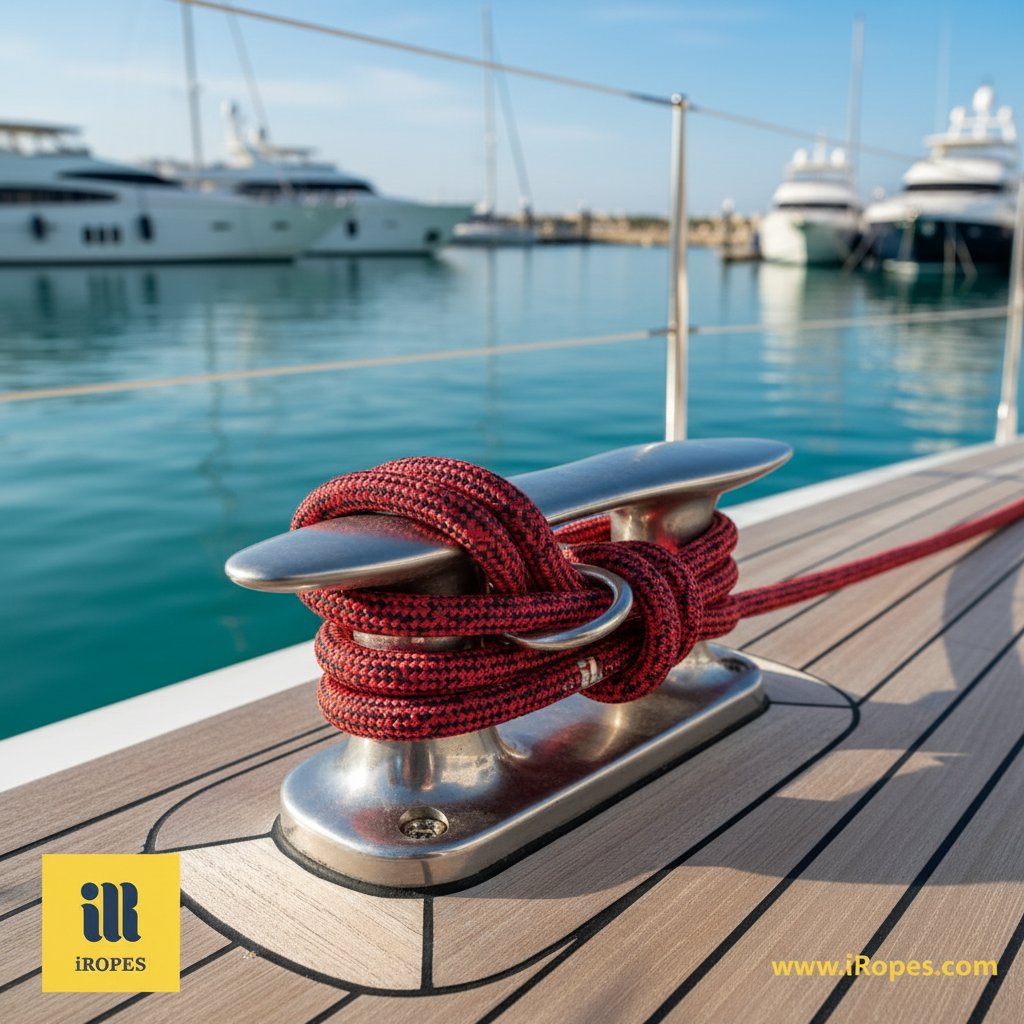
For best practices, start by auditing your loads—calculate WLL based on peak pulls, then factor in environmental elements like salt exposure. Opt for ISO 9001 certified sources like iRopes to guarantee no hidden weaknesses; their work ropes undergo rigorous testing to meet marine standards, significantly slashing failure odds in high-stakes lifts. Inspect ropes regularly for wear, and combine them with accessories like splices for seamless integration. This comprehensive approach not only boosts safety but streamlines your operations, enabling efficient ways to stock and source exactly what you need.
Procurement Guidelines and Inventory Management for Commercial Marine Ropes
That streamlined approach to selecting the right commercial rope sets a strong foundation, but getting it into your hands efficiently is where true efficiency kicks in. For marine professionals juggling tight schedules and global operations, smart procurement and inventory strategies can make all the difference—cutting costs while ensuring your lines are always ready. At iRopes, we've honed a process that eliminates the hassle of sourcing reliable work ropes, tailored for everything from fishing fleets to construction barges. Let's walk through how it works, step by step, so you can see how it fits your setup.
- Initial Consultation - Reach out with your specifications, such as needed diameter for towing or UV resistance for offshore use; our team assesses and quotes competitive pricing based on volume, often 20-30% below market for bulk orders.
- Design and Customisation - Collaborate on OEM tweaks, including branding your ropes or adding thimbles; we protect your intellectual property (IP) from concept to production, ensuring your unique marine solutions remain exclusively yours.
- Manufacturing and Quality Check - Our ropes are built in ISO 9001 certified facilities with precision tools, then rigorously tested for WLL compliance before packing in your choice of non-branded cartons or custom pallets.
- Global Delivery - We ship direct to your dock worldwide, with lead times as tight as 4-6 weeks for standard runs, meticulously tracking every step to avoid delays in your busy seasons.
This straightforward path means no more chasing unreliable suppliers or dealing with mismatched stock. Once you've secured your commercial ropes, keeping them in top shape extends their life and keeps your inventory lean. For marine operations, bulk ordering pays off—consider ordering by the pallet for a fleet's mooring needs, which slashes per-unit costs and minimises reorders, ensuring a consistent supply of robust, high-quality ropes. Packaging also matters significantly: opt for sturdy cartons that stack easily on your vessel or reinforced pallets for sea freight, protecting against salt spray during transit. Furthermore, don't overlook maintenance; a quick rinse with fresh water after each use removes corrosive buildup, while storing coils in a dry locker prevents mildew—simple habits that can double a rope's usable years. Have you checked how your current storage setup holds up against the elements?
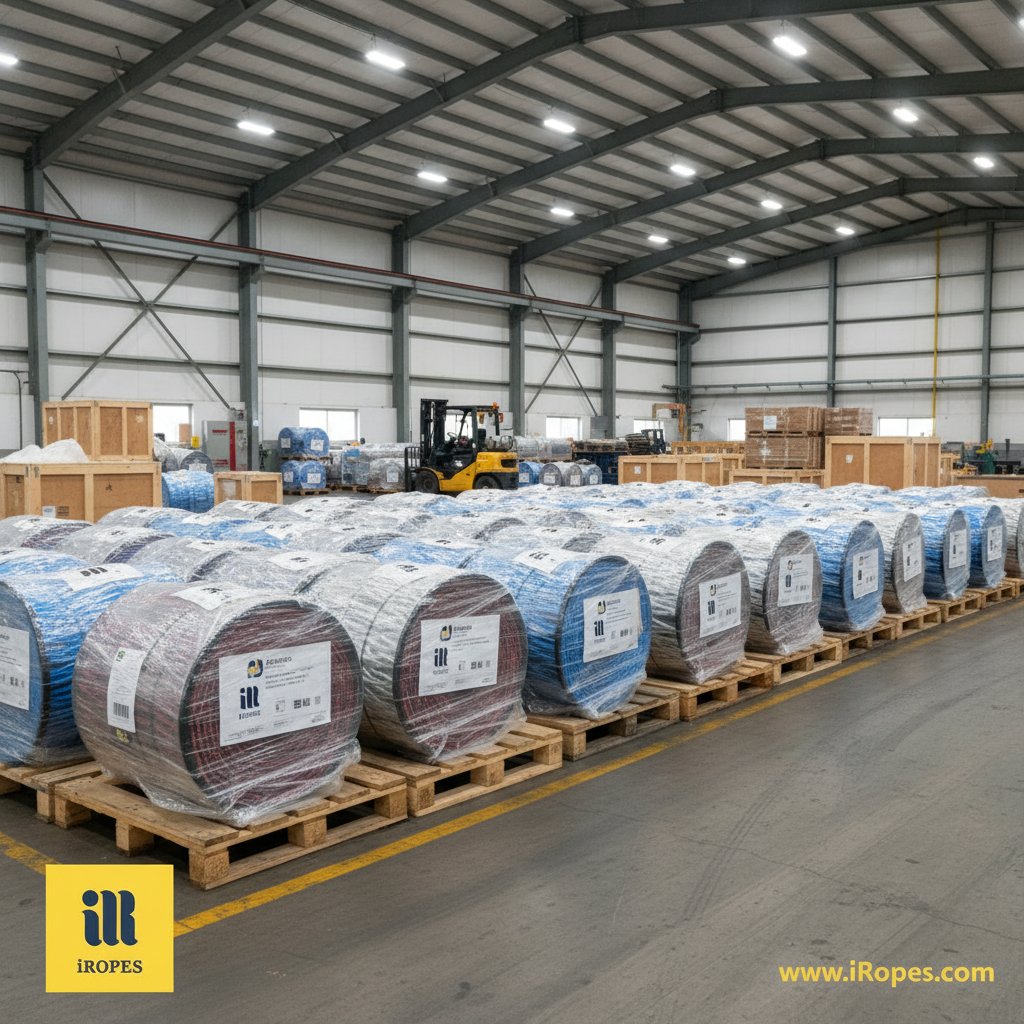
To see this in action, consider a commercial fishing outfit in the North Sea that partnered with iRopes for custom Dyneema work ropes. Facing frequent breaks from net hauls, they specified low-stretch braids with reflective tracers for night operations; our IP-protected design cut their downtime by 40%, as the ropes handled 8-tonne loads without fraying. All this was delivered in branded cartons for easy fleet distribution. Another case involved a marine construction firm building offshore platforms that ordered bulk polyester lines with chafe guards. The tailored lengths and diameters matched their crane specifications perfectly, boosting lift precision and saving thousands in avoided accidents. Crucially, our timely pallet shipments kept their site stocked without interruptions. These stories demonstrate how customisation isn't just a nice-to-have; it's what transforms risky runs into reliable ones. Ready to explore wholesale options for your team? Drop us a line for a no-obligation chat on fitting iRopes solutions to your marine needs.
These practical steps and tangible wins underscore how the right ropes, sourced smartly, elevate your entire operation from reactive fixes to proactive success.
As we've explored, relying on a generic multi purpose rope can lead to costly failures in demanding commercial marine environments, from fishing hauls to construction lifts. Instead, specialised work ropes and commercial ropes featuring materials like Dyneema, low elongation, and custom diameters ensure superior strength, UV resistance, and safety for work boats, yachting, and port operations. iRopes' ISO 9001-certified OEM/ODM services, combined with efficient procurement, global delivery, and crucial inventory tips, empower marine professionals to streamline operations and minimise downtime. By tailoring ropes to your exact needs, you can transform operational risks into reliable performance.
Building on these insights, imagine custom solutions that perfectly fit your vessel's challenges—our experts can guide you there.
Connect with iRopes for Tailored Marine Rope Advice
If you're keen on personalised recommendations for your commercial marine requirements, simply complete the inquiry form above to chat with our rope specialists about custom work rope or commercial rope options.
