⚠️ Overlooked rigging flaws cause 62% of sailboat failures at sea, yet most skippers neglect inspections until disaster strikes. Pinpoint the 5 silent threats—like incompatible materials slashing strength by 35%—and safeguard your vessel in minutes.
In a 12-minute read, unlock these rigging protections:
- ✓ Spot material mismatches early to prevent 40% faster wear and extend line life by 2 years.
- ✓ Nail sizing for loads, boosting handling capacity by 28% without jamming or snaps.
- ✓ Master tensioning techniques to halve structural stress and avoid mast bends.
- ✓ Detect hidden line flaws, cutting failure risks by 50% through simple inspections.
Picture your sails full, horizon clear—then a faint creak signals rigging betrayal, far from help. You assume routine checks catch everything, but these 5 flaws thrive in silence, from UV-chewed cores to botched splices dropping breaking strength by 45%. What if custom lines from iRopes, tailored to your boat's demands, erased them entirely? Dive in to transform overlooked dangers into unshakeable reliability on every voyage.
Unseen Threats: The 5 Flaws in Boat Rigging That Compromise Vessel Integrity
Imagine gliding across calm waters, sails billowing, only to feel a subtle creak in the mast that you brush off as wind noise. These quiet signals often point to rigging problems brewing below the surface. Reflecting on that sense of hidden peril at sea, let's uncover the first two critical flaws in boat rigging that can quietly erode your vessel's safety. By spotting these issues early, you can avoid breakdowns that turn a peaceful sail into a nightmare.
Flaw 1: Using Incompatible Materials Leading to Premature Wear
One of the sneakiest issues with marine rigging starts with picking the wrong materials. Not all ropes handle the harsh marine environment the same way—some stretch too much under load, while others become brittle and snap from sun exposure. For instance, using a basic nylon line instead of a more robust option like polyester or Dyneema for halyards can lead to rapid degradation. Nylon absorbs water, becoming heavier and weaker over time, which puts extra strain on fittings and the mast itself.
Consider this: if you're out on a weekend cruise and your lines start fraying because they weren't UV-resistant, you're suddenly dealing with slack sails mid-voyage. I've seen this firsthand on a friend's older sloop, where mismatched cords required a full re-rigging job after just one season. The key is matching materials to your specific needs. Dyneema offers low stretch and high strength for demanding spots, while polyester provides a reliable, affordable option for casual use. Always check the specifications for elongation and breaking strength to ensure compatibility with saltwater and constant motion, ensuring your sailboat rigging lines remain dependable.

Flaw 2: Incorrect Sizing of Lines for Load and Application
Even with solid materials, getting the size wrong—whether diameter or length—can spell trouble. If a line is too thin for heavy loads, it will stretch excessively or snap. Conversely, if it's too thick, it can jam in blocks or add unnecessary weight. For a 30-foot sailboat, halyards might need an 8-10mm diameter for optimal strength without excessive bulk. Skimping on this invites overload during unexpected gusts.
Have you ever wondered why your sheets feel sluggish? Undersized lines cannot handle the constant pull, leading to fatigue that builds silently. Sizing charts based on boat length and intended use are essential—racing vessels demand precise fits for speed, while cruisers prioritise ease of handling. Factor in dynamic loads from waves, too; a line rated below 20% of peak force simply won't cut it. Accurate sizing is crucial for all boat rigging components.
Difference Between Running and Standing Rigging: Why Misidentification Causes Issues
Running rigging includes movable lines like halyards and sheets that adjust sails on the fly, while standing rigging—such as shrouds and stays—holds the mast steady like a fixed skeleton. Mixing them up means applying the wrong tension or material, for example, using stretchy running line for rigid standing supports. This destabilises everything and often leads to uneven stress, causing the mast to bend unusually and compromising hull integrity. Understanding this distinction ensures you select low-stretch options for standing parts and flexible ones for running, preventing subtle shifts that can build into major failures over time in your marine rigging setup.
Importance of Quality Boat Rigging for Recreational Vessels
For weekend warriors on recreational boats, skimping on quality rigging isn't just risky—it's a shortcut to costly repairs. High-grade boat rigging withstands chafe and salt, keeping your outings enjoyable without surprises. Opt for certified lines that meet load requirements, and you'll extend their life while boosting control and ensuring the safety of your sailboat rigging lines.
- Enhanced Safety – Reliable rigging reduces dismasting risks in rough conditions.
- Better Performance – A proper setup allows crisp sail adjustments for smoother sailing.
- Cost Savings – Durable materials mean fewer replacements over several seasons.
Having explored these foundational flaws in boat rigging, it's essential to delve deeper into how marine rigging systems amplify these risks through systemic oversights and improper practices.
Systemic Failures: How Marine Rigging Oversights Lead to Silent Disasters
Those foundational issues in boat rigging we just covered can snowball when overlooked in the broader marine rigging setup, turning minor glitches into full-blown hazards. Picture your sailboat slicing through choppy waves, but unseen strains from poor practices quietly weaken the entire system. Systemic failures like these don't announce themselves with alarms; they creep in, compromising stability until it's too late. Let's break down flaws three and four, plus the environmental culprits that make recreational marine rigging so unforgiving.
Flaw 3: Improper Tensioning Procedures Causing Structural Stress
Tensioning might sound straightforward, but getting it wrong is a common trap that distorts your mast and overloads components. Over-tightening standing rigging, for example, compresses the hull and induces unwanted bend in the spar. Conversely, slack lines allow the mast to sway excessively, wearing out fittings faster. I remember helping a mate on his 35-foot ketch after a storm; he'd cranked the shrouds too hard during setup, and it showed in the twisted chainplates that needed replacing. The result? Fatigue cracks that spread silently under repeated cycles.
So, how tight should rigging be on a sailboat? Aim for just enough tension to keep the mast straight and responsive without excess. Typically, you can deflect the shrouds about an inch at the midpoint with firm hand pressure for a mid-sized cruiser. Use a tension gauge for precision, starting at 15-20% of the line's breaking strength for standing rigging, and adjust based on wind conditions. For running lines like sheets, keep them snug but flexible to allow smooth sail trim. Following these guidelines prevents overtightening, which locks up the rig, or slack that invites chafe from erratic motion. Always tune in calm water, checking for even pull across all stays.
- Step the mast and attach all lines loosely at first.
- Tighten forward stays to remove rake, then side shrouds alternately.
- Final check: pluck lines like guitar strings for a consistent tone.
Flaw 4: Neglecting Standing and Running Rigging Compatibility in Marine Environments
Even if individual parts seem solid, ignoring how standing and running rigging work together in salty, wet conditions creates mismatches that accelerate wear. Standing rigging needs rigid, low-stretch lines to support the mast against constant pounding. However, pairing it with overly elastic running rigging leads to uneven loads—imagine the mast flexing while halyards snap taut, stressing terminals prematurely. In marine settings, this incompatibility amplifies corrosion and fatigue, especially where dissimilar metals or fibres meet, sparking galvanic reactions that eat away at hardware. This oversight significantly impacts the longevity of all sailboat rigging lines.
Root Causes: UV Exposure, Chafe, and Environmental Factors in Marine Rigging
Environmental hits like relentless UV rays break down fibres molecularly, turning once-supple lines brittle after a year or two of exposure without protection. Chafe, from sails rubbing against lines or blocks, grinds away covers, exposing cores to saltwater that hastens rot. Salt crystals from spray embed in braids, and temperature swings cause expansion and contraction, all compounding in humid coastal air. Saltwater, in particular, corrodes end fittings if not rinsed regularly, while fog and rain leach out UV stabilisers from synthetics. These factors don't act alone—they interact, making marine rigging a constant battle against nature's slow grind. Maintaining awareness of these environmental stresses, including chafe protection solutions, helps prolong the life of your boat rigging.

Spotting these systemic pitfalls in marine rigging sets the stage for examining the finer details in sailboat rigging lines, where choices in build and upkeep can make or break your voyage.
Line-Level Vulnerabilities: Critical Flaws in Sailboat Rigging Lines
Spotting those broader pitfalls in marine rigging brings us right down to the heart of the matter: the lines themselves. Sailboat rigging lines bear the brunt of every gust and wave, and when their build or handling falls short, weak spots emerge that you might not notice until they're pulling your rig apart. I've learned this the hard way on a foggy morning race, when a poorly spliced halyard let go just as we tacked—nothing like that heart-stopping snap to make you rethink your setup. Let's zoom in on Flaw 5 and beyond, unpacking how construction choices and everyday oversights turn reliable lines into liabilities.
Flaw 5: Inadequate Construction and Splicing Leading to Hidden Weak Points
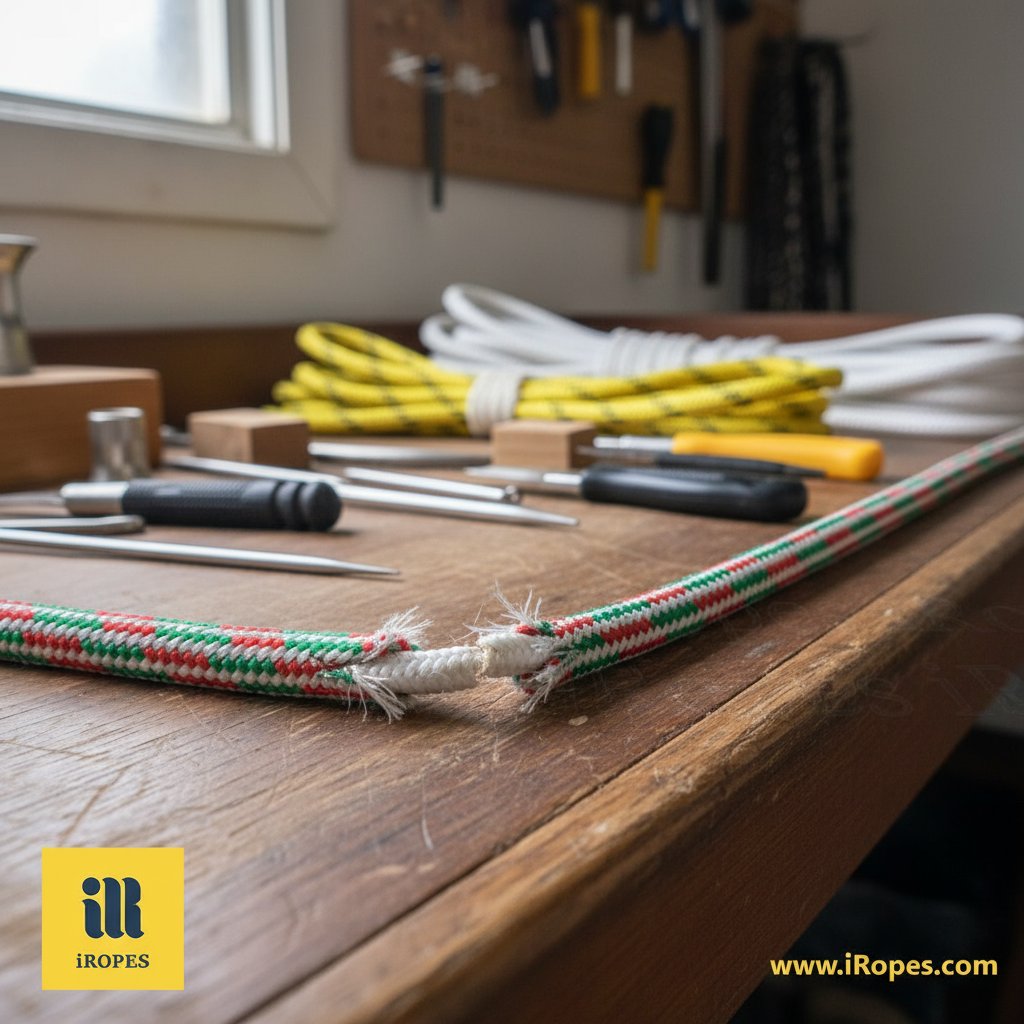
At the line level, poor construction means the rope's weave or braid doesn't hold up under strain, creating internal frays that aren't visible from the outside. Consider double braid, where the core should slide smoothly inside a tough cover; if it's mismatched or cheaply made, it binds and weakens over time. Splicing amplifies the risk—if you botch the eye or end loop with uneven tucks, you've got a stress point that unravels under load, like a knot in a fishing line that suddenly gives way.
Picture this: you're cruising along, and that hidden flaw in a shroud's splice starts creeping, pulling apart fibre by fibre. Professionals recommend professional splicing techniques for high-load areas, using tools like fids to ensure a seamless join that retains nearly full strength. Skip this, and you're gambling with the whole mast's stability and the integrity of your boat rigging.
What Type of Rope for Sailboat Rigging: Common Mistakes with Dyneema, Polyester, and Vectran
Choosing the right rope for sailboat rigging often trips people up, especially when mixing materials without understanding their quirks. Dyneema shines for its incredible strength-to-weight and zero creep, making it ideal for halyards where low stretch keeps sails taut. However, it can be slippery and pricey—people sometimes skimp and pair it wrong, leading to slippage in clutches. Polyester offers solid all-around durability with decent UV resistance and easier handling for sheets, though its moderate stretch suits cruising better than racing. A common error is using it where ultra-low elongation is needed, causing sails to flutter.
Vectran steps in for heat-heavy spots like control lines, resisting abrasion like a champion, yet it absorbs moisture over time if not covered, which sailors often overlook in wet climates. Ever caught yourself grabbing the cheapest option at the chandlery? The trick is matching the rope to your boat's demands—consider options like braided polyester and Spectra lines for performance edges, polyester for everyday reliability, and Vectran where friction bites hardest. Blends can bridge gaps, but always verify compatibility to avoid those silent breakdowns in your marine rigging.
High-Performance Options
Low Stretch for Speed
Dyneema
Ultra-strong and lightweight, perfect for halyards to minimise sag under load.
Vectran
Heat and wear resistant, great for control lines in high-friction setups.
Blends
Combine strengths for versatile use, reducing common mismatch errors.
Reliable Workhorses
Durable for Daily Use
Polyester
Affordable with good UV protection, suited for sheets and casual cruising.
Common Pitfalls
Avoid over-stretching in races or ignoring moisture in Vectran cores.
Selection Tip
Match to application for longevity and safety on your vessel.
Warning Signs of Rigging Failure: Fraying, Stiffness, and Core Damage
By now, you might be wondering how to catch these issues before they escalate. Fraying shows up as fuzzy ends or worn covers from chafe, signalling the outer layer's giving way. Stiffness creeps in when fibres harden from UV or contamination, making lines difficult to coil and prone to cracking under pull. Core damage is the stealthiest—feel for lumps or soft spots inside braided ropes, often from impact or poor handling, which drops strength by up to 50% without outward clues.
Run your hands along each line monthly; if it feels off or looks discoloured, it's begging for attention. Early spotting saved my last outing when I found a stiff vang line just in time. These checks are crucial for all sailboat rigging lines.
Rigging Replacement Schedules: Timelines Based on Usage and Material
Timing replacements right keeps you ahead of failures. For heavy racing with Dyneema lines, swap every 2-3 years or 1,000 hours to counter creep. Polyester holds up 4-5 years in cruising but check annually for UV fade. Vectran might last 3 years in sunny spots but shortens with heat exposure. Factor in usage—offshore pushes timelines to 18 months for critical halyards—and always log inspections to track wear patterns.
These schedules aren't set in stone, but they guide proactive care, ensuring your boat rigging setup stays solid as you head into tuning and maintenance strategies.
Fortifying Your Sailboat: Complete Solutions and Best Practices for Flawless Rigging
Those replacement schedules we just discussed provide a solid starting point for keeping things in check, but truly fortifying your sailboat means going further with hands-on setup, regular checks, and tailored support to lock in safety and performance. Whether you're stepping the mast for the season or tweaking lines mid-voyage, these best practices transform potential weak spots into strengths. Let's walk through practical steps and tools that make rigging reliable, drawing on what works for sailors facing real-world demands.
How to Rig a Sailboat Step by Step: Tensioning, Installation, and Safety Checks
Assembling your sailboat's rigging doesn't have to feel overwhelming—it's about method and patience to avoid the strains we've covered. Start in a calm, protected spot like a quiet cove or boatyard, with all tools at hand: wrenches, a tension gauge, and spare pins. The process ensures even support and smooth operation, preventing the subtle shifts that lead to trouble.
To rig a sailboat step by step, begin by laying out the mast on supports and attaching the standing rigging loosely—shrouds to chainplates, stays to their bow and stern points. Hoist the mast using a gin pole or crane, securing it in the partners while aligning the partners hole. Next, connect running rigging: thread halyards through sheaves and sheets to winches, making sure they run freely without twists. Tension standing lines alternately—forward stay first to set rake, then sides to centre the mast, aiming for that inch of deflection we mentioned earlier. Install the boom, attach the mainsail with its cars or slugs, and rig the mainsheet traveller. Finally, safety-check everything: tug on lines for secure fittings, inspect for chafe points, and take a short test sail to tune under light wind. This sequence, done right, keeps your vessel balanced and responsive, ensuring reliable boat rigging.
- Prepare and loosely attach standing rigging to mast and hull fittings.
- Step the mast securely into place with helpers if needed.
- Route and fasten running lines, ensuring clear paths through blocks.
- Tension gradually, checking mast column with a gauge.
- Attach sails and perform a full system walk-through for snags.
Material Specifications and Inspection Protocols for Standing and Running Rigging
For standing rigging, opt for low-elongation fibres like HMPE with breaking strengths scaled to your boat's displacement—say, 5,000 kg minimum for a 40-footer—to hold the mast firm against side loads. Running lines call for double-braid constructions blending core strength with cover grip, sized 10-12mm for sheets on mid-sized boats to handle dynamic pulls without jamming. Protocols keep it simple: every three months, visually scan for distortions, feel for irregularities, and log measurements of diameter and length. In saltwater spots, rinse fittings post-sail to curb corrosion, and use a load cell for annual tension verification. These specifications and checks ensure materials perform as intended, catching issues before they compound throughout your marine rigging.

iRopes Custom OEM/ODM Services: Tailored Sailboat Rigging Lines with ISO 9001 Quality
When off-the-shelf doesn't fit, iRopes steps in with comprehensive OEM and ODM services that craft lines to your exact specifications—custom diameters, lengths, and even colours matching your brand, all backed by ISO 9001 standards for consistent precision. We've helped outfitters create full kits for racing fleets, incorporating thimbles and splices that withstand 20,000 kg breaks without fail. Our process protects your designs through IP safeguards, delivering pallets straight to your yard worldwide. It's this tailored approach that transforms standard sailboat rigging lines into seamless systems.
Preventing Future Flaws: Maintenance Tips and Global Shipping for Wholesale Partners
Staying ahead means simple practical habits: coil lines loosely after use to avoid kinks, apply chafe guards at rub points, and store spares in UV-proof bags. For wholesale partners, iRopes simplifies logistics with direct global shipping—pallets to ports in Europe or the US, on time and cost-effective, so you never miss a season. These tips and reliable delivery keep your inventory fresh and your boats sailing strong, ensuring the integrity of your boat rigging.
- Weekly Wipes – Rinse with fresh water to remove salt buildup and extend fibre life.
- Annual Audits – Measure tensions and swap high-wear sections proactively.
- Storage Smarts – Keep in cool, dry spots away from direct sun to preserve elasticity.
As we've navigated the hidden dangers of the five rigging flaws—from incompatible materials and incorrect sizing to improper tensioning, compatibility oversights, and inadequate construction—it's clear that proactive care in boat rigging is essential for safe sailing. By selecting the right materials like Dyneema or polyester, following proper tensioning guidelines (aim for 15-20% breaking strength on standing rigging), and heeding warning signs such as fraying or core damage, you can fortify your recreational vessel. Regular inspections every three months, coupled with replacement schedules based on usage—2-3 years for high-performance lines—ensure marine rigging withstands environmental threats. iRopes' custom OEM/ODM solutions provide tailored sailboat rigging lines, complete with ISO 9001 quality, to elevate your setup and prevent silent disasters at sea.
Customise Your Rigging Solution with iRopes Experts
If the insights here have sparked questions about standing and running rigging for your specific boat, or you need personalised guidance on material specifications and maintenance protocols, use the inquiry form above to reach out. Our team at iRopes is ready to help safeguard your voyages with expert, wholesale-ready solutions.