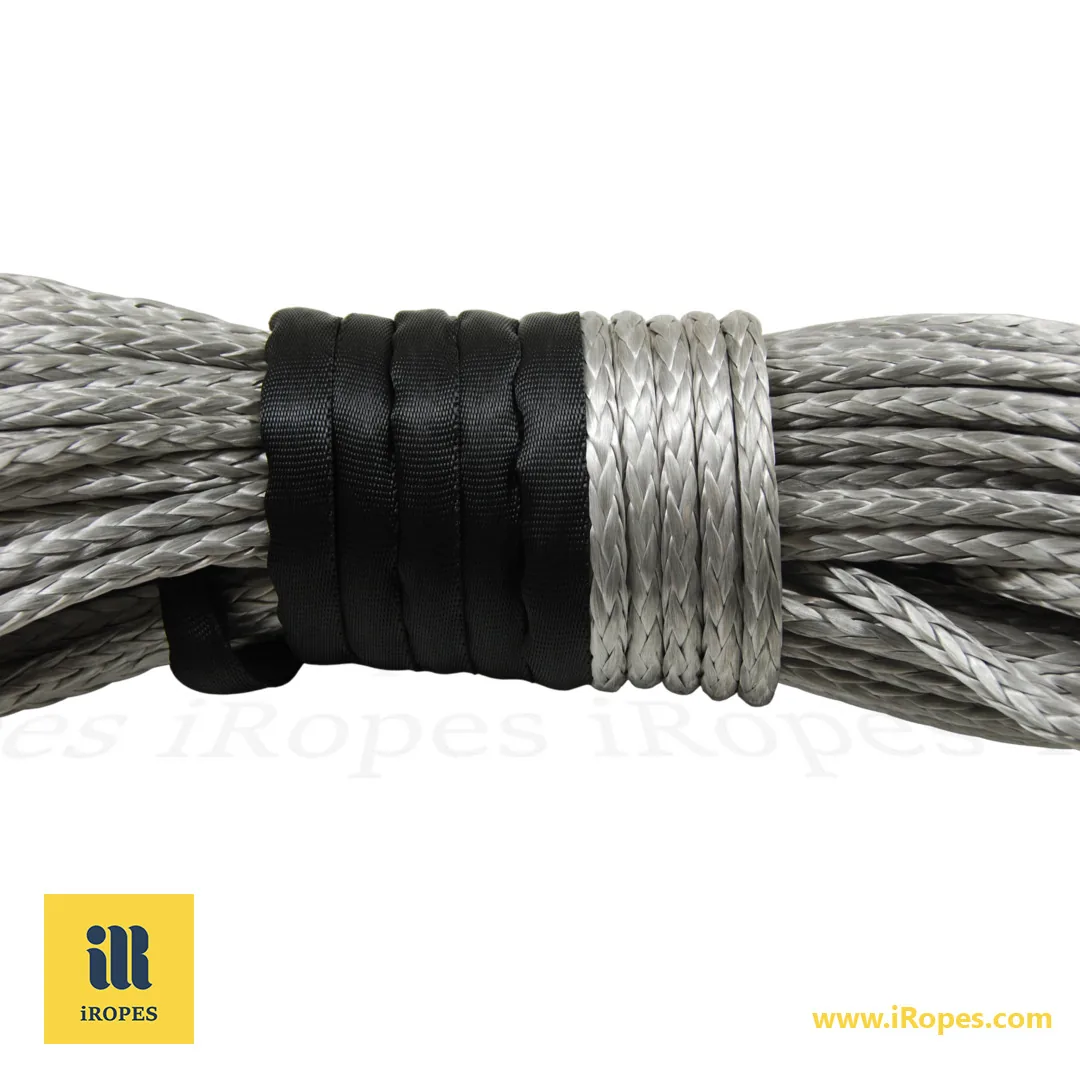
⚠️ The clove hitch seems quick for tying your nylon rope to an anchor, but it slips under 15-20% dynamic stretch, risking deadly anchor drag. Master the Anchor Bend instead—your foolproof knot for secure holds that absorb shocks without failure.
Secure Your Vessel: Key Gains in Under 5 Minutes
- ✓ Dodge fatal errors like clove hitch slippage, preventing up to 90% of common anchor failures from weak ties.
- ✓ Gain step-by-step Anchor Bend mastery, building skills to tie nylon ropes that handle 20% elasticity loads flawlessly.
- ✓ Discover nylon's shock absorption edge over polyester, solving rough-sea vulnerabilities with science-backed principles.
- ✓ Unlock iRopes custom solutions—tailor diameters and reflective features for your yacht, boosting safety and branding.
You might think any sturdy knot will do when dropping anchor on a calm evening, but evidence from boating mishaps shows that everyday choices like the clove hitch often unravel in waves—leading to potentially deadly drifts. What if the real secret lies in a deceptively simple bend that locks your nylon line tight despite its stretch? Dive in to uncover the technique pros swear by, plus custom rope tweaks that transform your setup from risky gamble to unshakeable reliability.
The Deadly Mistake in Tying an Anchor
Imagine you're out on the water, the sun dipping low, and you've just dropped your anchor to settle in for the evening. Everything feels calm until a sudden gust hits, and your boat starts drifting. That sickening realisation hits: the line has slipped free. It's a nightmare no boater wants to face, but it happens more often than you'd think because of one simple oversight in tying an anchor.
The most common slip-up? Reaching for a quick knot like the clove hitch. This knot might seem handy for temporary ties around a post or tree back on land, but at sea, it's a disaster waiting to unfold. Under the constant pull of waves and wind, the clove hitch can loosen and slide right off the anchor shackle. It's not built for the dynamic loads of anchoring, where tension ebbs and flows, causing it to unravel bit by bit.
- Clove hitch slippage: Designed for static holds, it fails when the rope shifts, leading to complete detachment.
- Improper wrapping around the shackle: Skipping full turns means less friction, allowing the line to pull loose under moderate strain.
- No backup securing: Forgetting to tie off the tail end invites further unravelling once the initial hold weakens.
These errors don't just inconvenience you; they can turn deadly. When the anchor drags, your vessel might collide with rocks, other boats, or even drift into shipping lanes. In rough seas, a loose anchor line has led to capsized crafts and lost lives—think of the stories from stormy nights where a single knot failure spelled tragedy for entire crews. Have you ever wondered why some anchoring mishaps make headlines? It's often because that critical connection gave way just when it was needed most.
Now, add nylon rope into the mix, and things get trickier. Nylon's great strength comes with elasticity—it stretches up to 15-20% under load, absorbing shocks from waves like a built-in safety net. However, if your knot isn't secure, that same stretch works against you. As the rope elongates and contracts, a weak tie like the clove hitch grips less firmly, amplifying slippage. Knot security here means choosing a bend that locks in despite movement; otherwise, the elasticity turns a minor flaw into a major hazard. Tying nylon rope to an anchor demands a method that accounts for this give, ensuring the connection holds steady no matter the conditions.
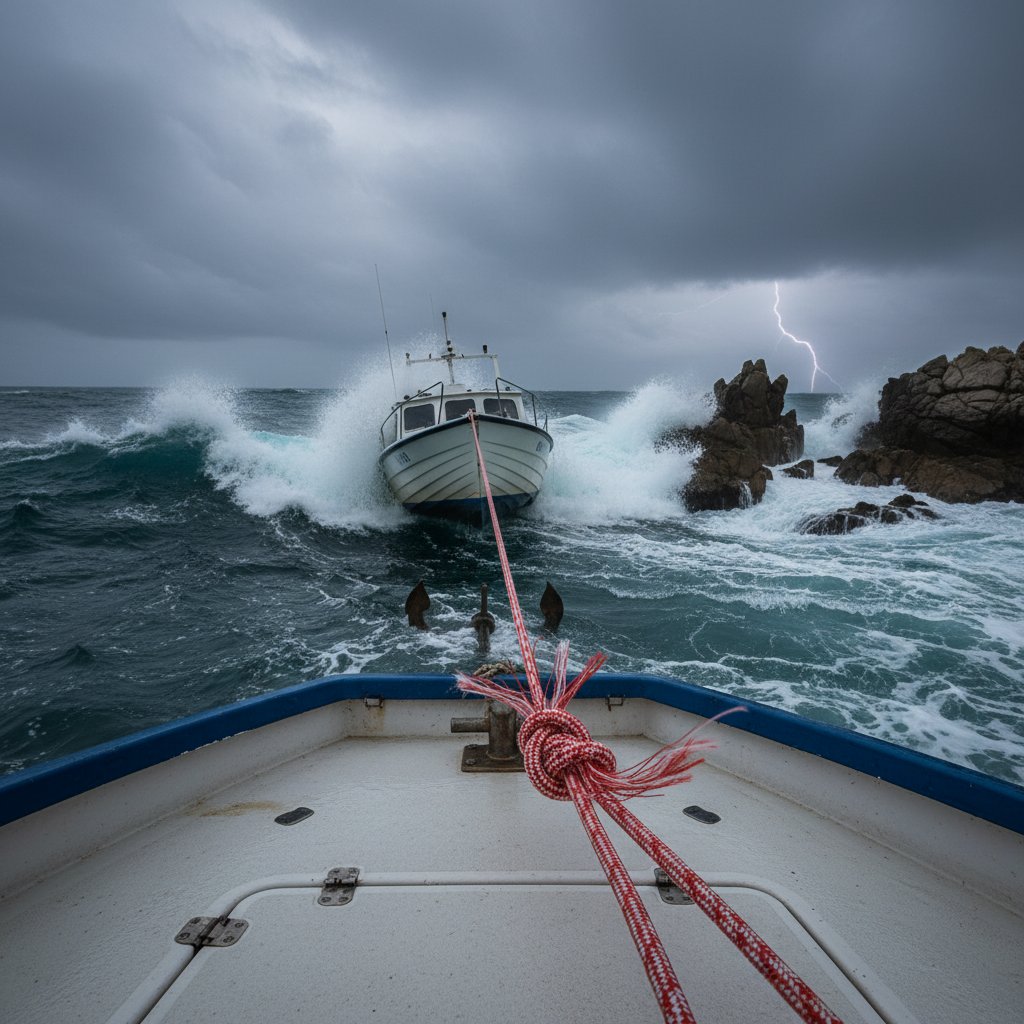
Spotting these pitfalls early can save your outing—and more. By recognising why everyday knots fall short, especially with stretchy materials, you're better equipped to choose techniques that keep everything locked down tight.
Step-by-Step Guide to Tying Nylon Rope to Anchor
Now that we've unpacked those common pitfalls, like the clove hitch's sneaky tendency to slip under pressure, it's time to arm you with the right approach. The Anchor Bend, also known as the Anchor Hitch, is your go-to knot for securely tying nylon rope to an anchor. It's reliable, relatively easy to untie after a long day on the water, and specifically designed to handle the pull and release of waves without coming undone. Wondering how to tie a nylon rope to an anchor? This method accounts for nylon's natural stretch, which can reach 15-20% under load, ensuring the connection stays firm even as the rope flexes. Let's walk through it together, step by step—think of it as me standing beside you on the deck, pointing out each twist.
First, grab your nylon rope and the anchor's shackle—that metal loop at the base where the rope attaches. The shackle keeps things straightforward and strong. Make sure the rope is in good shape, free of frays; even the best knot won't save a worn line.
- Pass the working end—the part you're handling—through the shackle from front to back.
- Wrap it around the standing part—the main length of rope heading to your boat—twice, creating snug turns that hug the standing line closely.
- Bring the working end under the standing line, then feed it back through the two turns you just made, pulling it through to form a loop.
- Tie two half hitches around the standing part: First, loop the end over and under, pulling tight; repeat for the second hitch, cinching it down firmly.
- Finally, seize the free end by wrapping it with thin line or tape to the standing part, preventing any wiggle from nylon's elasticity.
For visuals, picture this: the first two turns act like a foundation, locking around the shackle, while the half hitches add that extra grip. If you're a hands-on learner, search for a quick video demo online—many show the process in under a minute, with close-ups of the final dress to ensure no slack. This setup works across various anchor types, like a Danforth with its flat flukes or a plow anchor's curved shank; just adjust the shackle fit accordingly. The key with nylon? Its stretch absorbs jolts from choppy water, but without these secure hitches, that give could loosen everything over time.
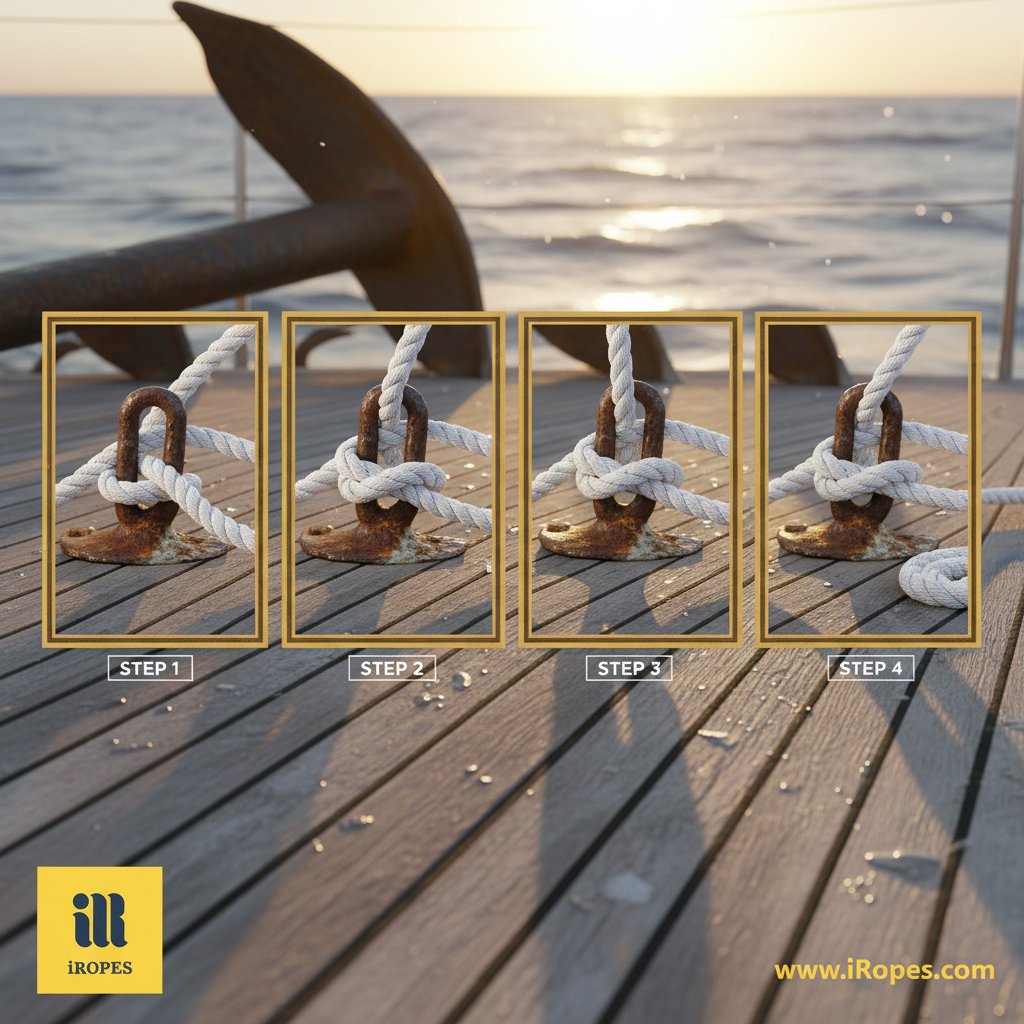
Once tied, give it a firm tug to test— it should hold without shifting. For different types of anchors, a thimble in the rope eye can protect against chafe on sharper edges. Mastering these steps means your anchor stays put, letting you focus on the horizon rather than worries. But remember, the rope itself needs to match the job, with its material influencing how well the whole system performs out there.
Essential Principles for Tying a Rope to an Anchor
Building on how the rope material shapes your anchoring success, let's explore the broader principles that make any connection rock-solid. Whether you're dealing with different lines or anchors, adapting your approach keeps everything secure. Start by considering the rope type—nylon shines for its shock absorption, but polyester offers less stretch with higher resistance to sunlight, while polypropylene floats and dries quickly but holds less weight overall. Polyester might suit calmer waters where you need minimal give, unlike nylon's forgiving flex during sudden pulls. Polypropylene works well for temporary markers since it doesn't sink, yet it lacks the grip under heavy tension that nylon provides naturally. The trick? Match the material to your conditions so the knot performs without surprises.
Next, think about your anchor's design—each one demands a slight tweak in attachment to stay reliable. For a Danforth-style anchor, with its sharp flukes that dig into sand or mud, focus on a clean shackle link to avoid snags; pass the rope through and tie firmly to prevent twisting during sets. Plow anchors, shaped like a curved blade for varied seabeds, often pair with a longer shank, so use seizings—tight wraps of thin cord around the rope end—to lock the tail and stop any creep over time. Always inspect for wear: run your fingers along the line for frays or stiffness, and check the shackle for bends or rust before every use. A quick once-over spots issues that could weaken the hold when you need it most.
Nylon Advantages
Ideal for Dynamic Loads
Shock Absorption
Handles wave impacts without snapping, making it perfect for rough conditions.
Abrasion Resistance
Resists rubbing against rocks or chain for a longer life.
UV Protection
Maintains strength under prolonged sun exposure.
Alternatives: Polyester & Polypropylene
Compare for Specific Needs
Less Stretch
Polyester stays taut in steady winds, reducing sag.
Floats Easily
Polypropylene suits shallow or retrieval tasks without sinking.
Lower Strength
Both lag in heavy-duty pulls compared to nylon's reliability.
To bolster your setup, add backup measures that turn good into unbreakable. An overhand knot at the tail acts as a simple stopper, keeping the main tie from unravelling under strain. Ever heard of the 7:1 scope rule? It means letting out seven feet of rode for every one foot of water depth, plus a bit more for your boat's height above the surface—this angle helps the anchor bite deep and hold against pulls, especially in wind or current. Without enough scope, even a perfect knot struggles as the line pulls too straight up. For strength, aim for a tie that supports the system's full load; test by yanking hard once set, feeling for any give that signals trouble ahead. These steps ensure your anchor grips like it should, no matter the setup. The connection should withstand loads including nylon's 15-20% elasticity.
Picture a quiet bay where you've dropped anchor after a long sail—applying these principles means waking up still in place, ready for the day. But to really dial in reliability, selecting the precise rope tailored to your vessel takes it further.

Choosing and Customizing Ropes for Secure Anchoring with iRopes
We've covered the principles that keep your anchor line steady, from adapting knots to different setups to checking for wear before heading out. But even the best techniques rely on the right line to back them up. That's where picking a rope like nylon comes in—it turns a solid hold into something you can count on night after night. So, is nylon rope good for anchoring? Absolutely, and here's why it stands out in ways that matter most on the water, especially when exploring the benefits of nylon rope stretch for absorbing shocks in dynamic marine conditions.
Nylon handles the unpredictable nature of waves better than most, thanks to its ability to cushion sudden jerks without breaking. It shrugs off the sun's rays that degrade other materials over time, keeping its toughness season after season. And when your line rubs against the seabed or chain, nylon's outer layer fights back against fraying, giving you peace of mind during those longer stays at anchor. I remember a trip off the coast where a buddy's older polyester line started showing wear after just a few outings; switching to nylon meant no more worries about that constant grind.
Standard Nylon
Offers baseline strength for everyday anchoring needs.
Custom Options
Tailors exact specifications to your boat's size and conditions.
UV and Abrasion Defence
Built-in protections extend usability in harsh marine environments.
Added Features
Like glow strips for night visibility during yachting runs.
At iRopes, we take that foundation and build on it with our OEM and ODM services, crafting lines just for your setup. Need a thicker diameter for a heavier vessel or extra length for deep-water drops? We handle it, right down to adding reflective elements that catch the light when you're securing in low visibility. It's all about matching your exact demands, whether you're out for casual sails or running a charter fleet, and for even stronger attachments, consider options like anchor splices that preserve up to 90% of the rope's strength for unbreakable yacht security.
What sets us apart is the commitment to standards that matter. Our facilities run under ISO 9001 certification, so every spool meets rigorous checks for consistency and safety. We guard your designs with solid IP protection, ensuring your custom tweaks stay yours alone. And for wholesale buyers in the marine trade, we ship pallets straight to your door anywhere in the world, keeping timelines tight so you're not left waiting.

To keep that investment going strong, make inspections part of your routine. After each use, look for signs of stiffness or cuts—nylon can hide minor damage until it counts. Rinse off salt with fresh water, store it coiled loosely away from direct sun, and you'll stretch its life well beyond the average. Have you checked your current line lately? A quick habit like this could be the difference on your next voyage.
By mastering the Anchor Bend for tying an anchor, you sidestep deadly pitfalls like clove hitch slippage, especially with nylon's stretch amplifying risks under dynamic loads. This guide equips you with step-by-step techniques for secure shackle connections and seizings across Danforth and plow anchors, while adapting for materials like polyester or polypropylene. Remember to inspect for wear, apply the 7:1 scope rule, and ensure connections handle up to 15-20% elasticity—vital for safe anchoring in rough seas. For yachting or industry needs, iRopes' custom nylon ropes enhance strength, UV resistance, and visibility, turning best practices into reliable performance.
Whether refining tying nylon rope to anchor or exploring OEM options, these principles boost confidence on the water. If you're seeking tailored solutions like reflective elements or precise diameters, personalised advice can optimise your setup.
Customise Your Secure Anchor Ropes with iRopes Today
Ready for expert guidance on tying a rope to an anchor or crafting bespoke ropes? Use the inquiry form above to connect with our team—we're here to help elevate your boating safety and efficiency.
Related reading: Discover the Leading Nylon Rope Factory Near Me