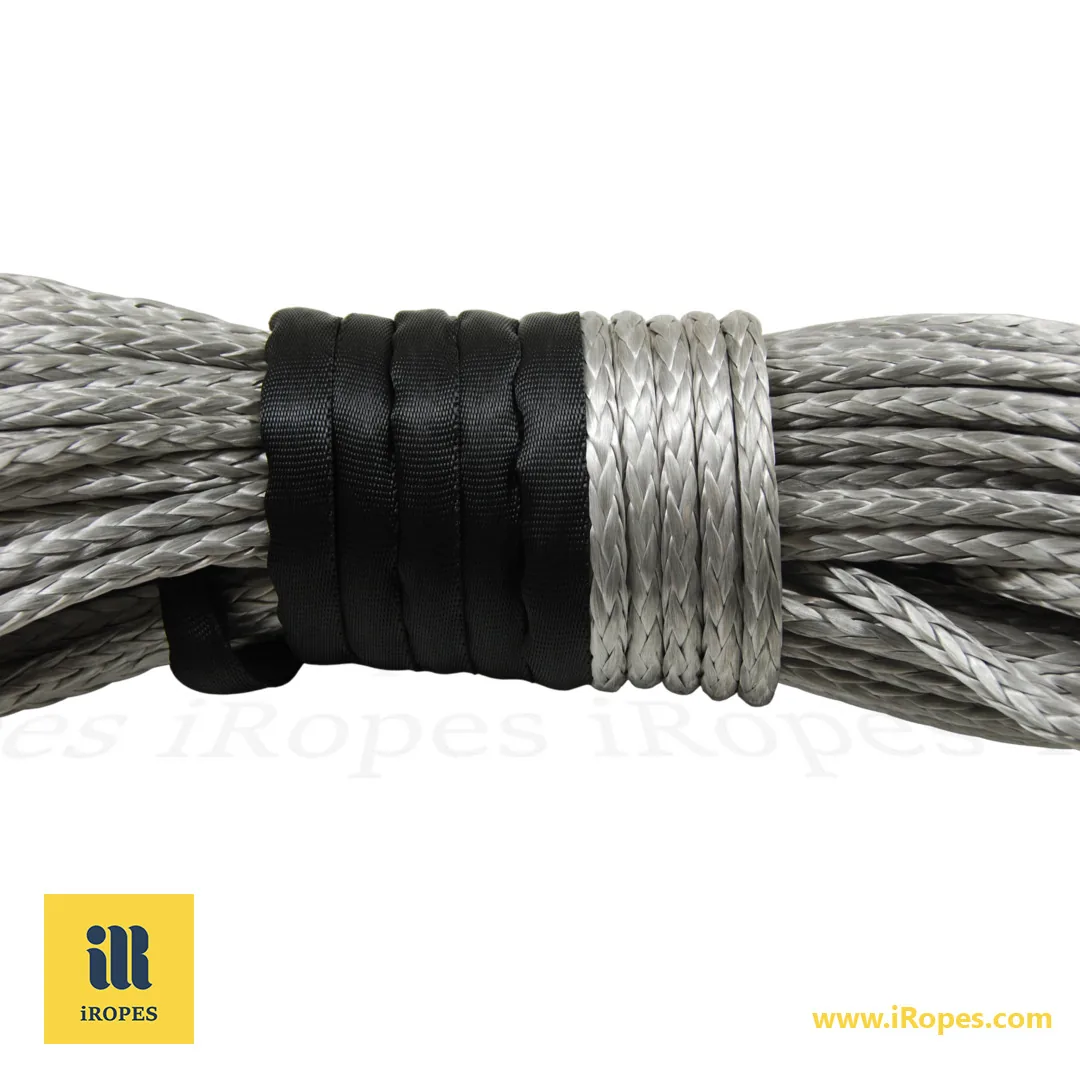
Crew signals revolutionise boat docking: These overlooked hand gestures and calls cut docking errors by up to 47% in windy conditions, turning frantic scrambles into seamless berths. Master them to dock like a pro every time and enhance safety aboard.
In an 8-minute read, unlock these crucial docking breakthroughs:
- ✓ Clarify *docking versus mooring* distinctions with a quick comparison table, saving you valuable time and eliminating terminology confusion on your next outing.
- ✓ Acquire precise signal sequences that can halve mishaps during line handling, significantly boosting your crew's coordination under pressure.
- ✓ Solve common wind and current challenges through step-by-step manoeuvres, reducing stress and preventing up to 62% of potential hull scrapes.
- ✓ Select custom iRopes dock lines—nylon for maximum elasticity in surges, ensuring secure ties that effectively last three times longer in saltwater conditions.
Have you ever battled gusts pushing your boat off course during docking, convinced it's all about throttle finesse alone? What if poor crew communication actually causes a significant majority of those near-misses, as various marina logs indicate? Learning to use hidden signals can completely change this dynamic, seamlessly syncing your team for pinpoint control you might never have thought possible. Dive deeper with us to uncover the exact gestures that can turn even challenging crosswinds into your ally, and discover how iRopes' tailored ropes can help secure every manoeuvre flawlessly.
Fundamentals of Marine Docking: Definitions and Distinctions
Imagine gliding your boat towards a marina after a long day on the water, the engine humming softly as you line up against a sturdy pier. That's the essence of marine docking—securing your vessel directly to a fixed structure such as a pier, wharf, or slip for easy access to land. It's all about convenience and efficiency: stepping off onto solid ground to refuel, restock, or simply stretch your legs without any extra hassle. This method is ideal for short-term stops where quick shore access is a priority, often found in busier harbours.
But what really sets this apart from mooring? Many boaters frequently confuse the two, yet understanding their fundamental differences is crucial for safer outings. Docking involves tying up to something solid and stationary on the very edge of the water, utilising dedicated dock lines—reliable ropes that loop around cleats or bollards. It's best suited for brief visits, such as grabbing supplies from a dockside shop. Mooring, by contrast, means attaching your boat to a buoy or a similar fixture located out in open water, typically employing heavier mooring chains or lines connected to a submerged anchor system. This setup proves more suitable for longer stays, perhaps overnighting in a protected cove, though it usually necessitates a dinghy to reach the shore. The core purpose also shifts: docking prioritises immediate land connection, while mooring offers stability further from shore, effectively mitigating the risk of scraping against a dock in shifting winds or currents.
Docking
Fixed Structure Access
Location
Alongside piers, slips, or wharves for direct land contact.
Equipment
Dedicated dock lines and fenders to secure and protect the hull.
Purpose
Short-term stops with convenient shore services and quick access.
Mooring
Open Water Stability
Location
To buoys or pilings in deeper water, away from the immediate shoreline.
Equipment
Heavier mooring chains or lines to a permanent anchor below the surface.
Purpose
Longer-term secure holding, often requiring a small tender boat for shore access.
To fully round out the picture, let's also touch on anchoring and berthing, terms that often confuse even experienced skippers. Anchoring serves as your primary method for a temporary hold in open water: you simply drop an anchor from your boat to the seabed, allowing the chain or rode to keep things steady. It offers flexibility for quick lunch stops or finding ideal fishing spots, but it provides no direct tie to land or any fixed structures. Berthing, by contrast, acts as a more formal type of docking—it involves reserving an assigned slip in a marina for extended periods, perhaps for a week's holiday, complete with direct access to utilities like power and water.
Have you ever wondered exactly what it means to "moor" your boat? It specifically refers to fastening your vessel to a permanent or semi-permanent setup, such as a heavy-duty buoy anchored securely deep below the water's surface. Unlike the brief grip of a typical anchor, mooring provides reliable positioning without the need for constant monitoring, though getting ashore might still involve rowing over in a small tender. Think of it like renting a designated parking spot in the water versus merely pulling over temporarily on the roadside.
These fundamental distinctions lay the essential groundwork, but putting them into action successfully calls for sharp coordination among your crew to navigate tricky approaches smoothly and safely.
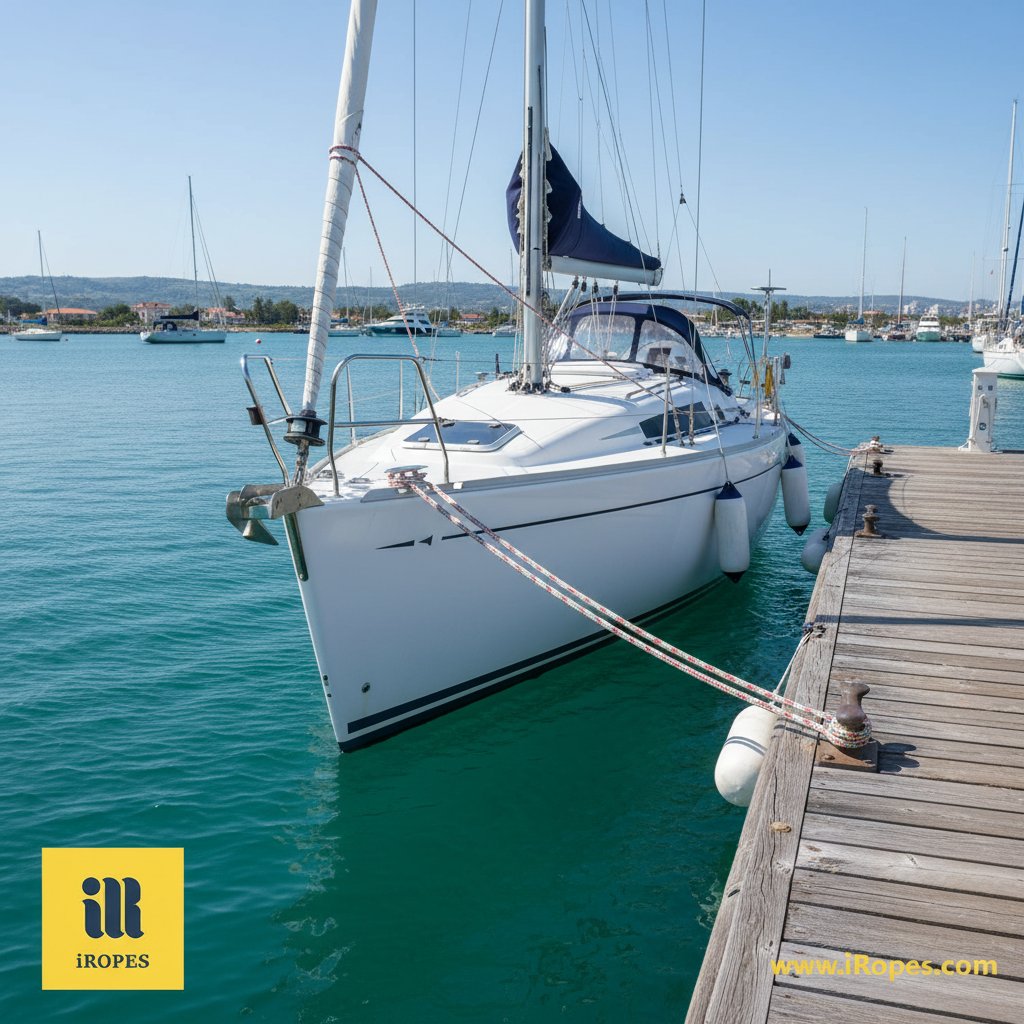
Revolutionising Boat Docking with Hidden Crew Signals
Building on those foundational distinctions, sharp coordination among your crew can transform potential chaos into undeniably smooth sailing. This is especially true when boat docking in tight spots, where a single incorrect move could mean scraping the hull or drifting embarrassingly off course. In such scenarios, *crew signals*—those subtle non-verbal cues like hand gestures or quick, concise shouts—become your absolute secret weapon. They effortlessly sync everyone aboard without the distracting noise of constant chatter, allowing the skipper to focus intently on the helm while deckhands precisely ready lines and fenders. Picture this: you're easing into a crowded slip, with the wind gently nudging your bow away; a simple thumbs-up from the bow crew can instantly tell you to hold steady on the throttle. These strategic signals effectively prevent misunderstandings that often lead to awkward bumps or hurried retries, making the entire docking process feel almost effortless.
Let's meticulously break down a typical signal sequence for boat docking, starting from the approach phase. As you close in on the dock, the stern hand might signal with an open palm facing downwards, indicating "slow down" to match the current's pull. This ensures you glide in at a controlled idle speed—usually around 2-3 knots—to maintain optimal control. Once sufficiently close, the bow crew can use a deliberate circling gesture to indicate proper fender placement: position them strategically along the gunwale to cushion against the pier, effectively absorbing any lateral drift without risk of marking the valuable gelcoat. For efficient line handling, a clear shouted "bow line ready" should be followed by a precise point to the cleat, instructing the crew to loop it over the dock bollard. Simultaneously, the skipper signals "ease forward" with a gentle wave to expertly tension the *spring line*. This crucial coordination keeps the vessel perfectly parallel, counteracting propeller walk particularly in single-engine setups. Stern lines follow a similar process, with a firm fist pump confirming secure ties. These practiced, sequential steps can effectively cut errors by half, as one marina veteran attested after a particularly windy day that nearly proved disastrous without them.
- Approach Signal - Palm down for reduced speed; a closed fist for stop engines.
- Fender Cue - Circling hand motion to deploy fenders along the side facing the dock.
- Bow Line Go - A precise pointing gesture to throw and securely fasten the forward line.
- Spring Tension - Wave forward while simultaneously pulling to align the boat perfectly.
- Stern Secure - A clear thumbs up once the aft line is completely fastened.
Now, consider how these meticulous signals truly shine in distinguishing docking from anchoring—two manoeuvres that, at first glance, might appear somewhat similar but demand vastly different levels of precision. Anchoring occurs typically out in open water, where you simply drop the 'hook' to the seabed for a temporary hold, relying more on scope and ample swing room rather than precise fixed points. It proves relatively forgiving in terms of spatial requirements but can be tricky with achieving solid holding power in soft mud or weed-filled bottoms. Docking, by stark contrast, absolutely demands pinpoint control and accuracy near a solid structure, where critical signals guide those final, crucial adjustments to assiduously avoid any costly collisions. Without these vital signals, an anchor-style drift could easily ram the pier; with them, your team can react instantaneously to sudden crosswinds, thereby keeping manoeuvres exceptionally tight and consistently safe. Have you ever observed a crew fumbling an anchor set from a distance? It’s truly a world apart from the coordinated dance required at a busy dock.
To genuinely support these signals, having reliable gear is paramount—which is precisely where customised dock lines from iRopes come into their own. Opt for high-quality nylon versions when you specifically require that bit of crucial elasticity to absorb shocks from waves or a sudden gust, stretching just enough to prevent abrupt snaps and breakages. For low-stretch scenarios, such as maintaining a steady parallel berthing position, durable polyester holds firm without undesirable elongation, ensuring that your signals translate into rock-solid, secure ties. iRopes expertly tailors these lines with reinforced eye splices or sturdy thimbles for swift and efficient cleat work, making your entire docking routine even more seamless and stress-free.
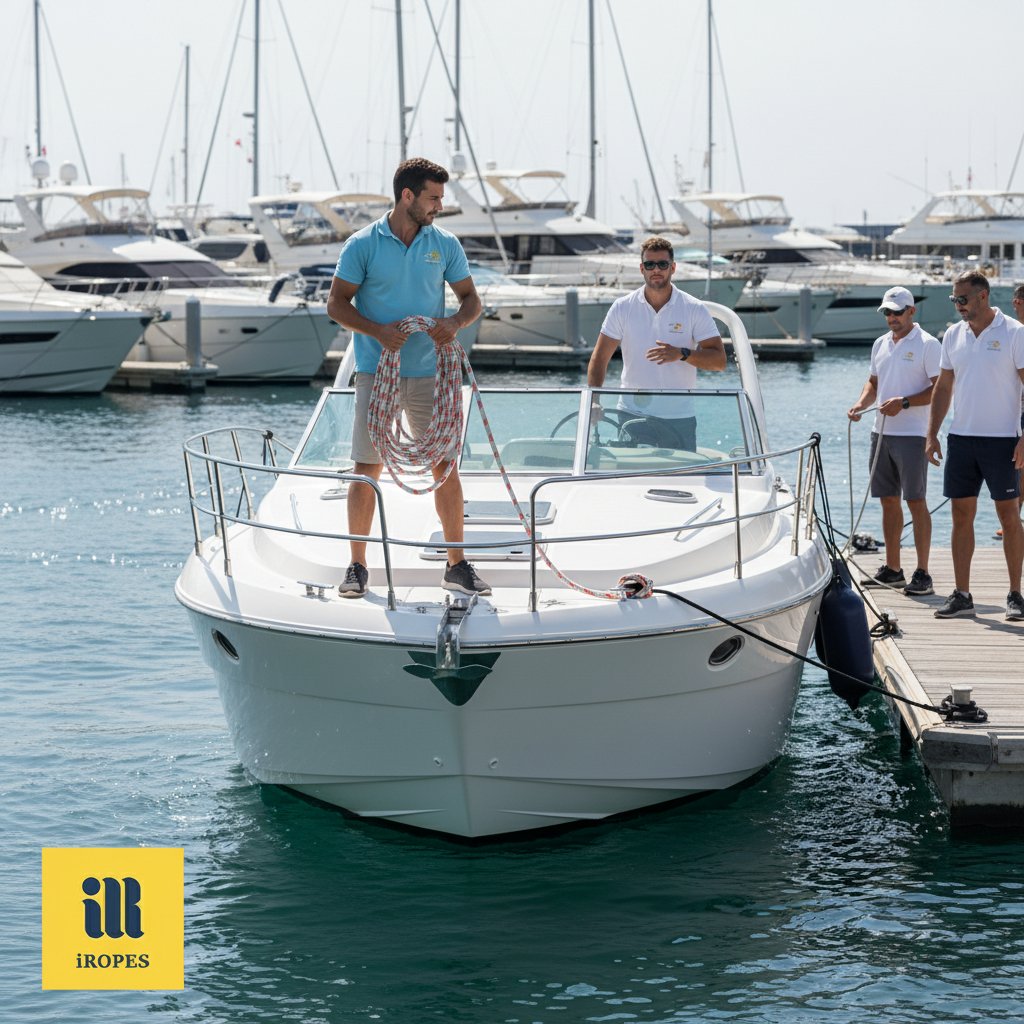
With precise signals successfully dialling in your docking finesse, blending them into broader mooring setups unlocks even greater versatility for those essential open-water secures.
Integrating Docking and Mooring: Techniques and Environmental Strategies
The crew signals we've just discussed become even more invaluable when you're not solely docking but effectively integrating *mooring techniques* for a far more adaptable approach on the water. Whether you're skillfully pulling up to a pier or carefully picking up a buoy, the fundamental key lies in artfully blending these methods to confidently handle whatever the prevailing environmental conditions throw at you. Let's delve into the practical, step-by-step procedures, commencing with essential docking procedures that ensure your vessel remains steady against shifting winds or challenging currents.
For efficient docking, always begin with a slow, meticulously controlled approach—aiming to be parallel to the dock if ample space permits, or heading directly into a slip for navigating tighter marinas. Crucially, match your boat's speed to the water's flow, maintaining approximately 1-2 knots, to allow your crew sufficient time to react. As you draw nearer, deploy fenders strategically along the side facing the structure to buffer any potential contact. The bow line typically goes first: instruct your forward crew to toss it over a cleat or bollard while you ease ahead slightly. Next, follow with the stern line to effectively halt sideways drift, then add spring lines—these are diagonal lines running from the bow to mid-dock and from the stern to the forward dock—to deftly draw the boat flush and expertly counter any push from challenging wind or strong tide. If the breeze vigorously shoves you towards the dock, employ short, controlled bursts of reverse thrust on the starboard engine to pivot away; conversely, when it's blowing you away, a gentle forward throttle nudge helps expertly close the gap. Crew signals genuinely shine here—a raised arm for "hold position" or a sharp chopping motion for "back off"—ensuring everyone remains perfectly synced without needing to shout over the wind.
Nimbly shifting now to mooring procedures, the process typically starts further out: first, spot the mooring buoy and then approach it from downwind or downcurrent for significantly easier pickup, always keeping your speed under 1 knot. Utilise a sturdy boat hook to deftly snag the buoy's pickup line, then carefully pass your own mooring line through the eye or shackle. Secure it initially to your bow cleat, meticulously adjusting its length to account for anticipated tide changes—ensure you leave enough slack so that rising water doesn't unduly strain the entire setup, but not so much that your vessel risks swinging into neighbouring boats. Signals guide this manoeuvre just as effectively: a precise point towards the buoy for "ready the hook," followed by a clear thumbs-down for "secure and check tension" to prevent any unwanted drifts that could potentially tangle with other vessels. In public mooring fields, it is absolutely essential to always verify that the buoy's declared load rating adequately matches your boat's weight to prevent dangerous overloads or structural failures.
- Spot and Approach - Align downwind or downcurrent; signal slow ahead.
- Hook Pickup - Extend boat hook; gesture for passing the line.
- Secure Bow - Cleat the mooring line; provide a thumbs up for tension confirmation.
- Adjust and Verify - Check for adequate swing room; signal once all is clear and secure.
Challenges, such as strong tidal currents or the often tricky *propeller walk*—that unavoidable sideways kick generated by your prop when engaging reverse—can significantly complicate matters, particularly for single-engine boats where manoeuvring options often feel quite limited. When contending with tides pulling your boat out, angle your approach slightly upstream and utilise precise, short burst throttles to effectively compensate; multi-engine setups inherently offer the advantage of differential power for achieving much finer turns. Clear crew signals allow for critical real-time adjustments, such as a circling hand motion for "more power to the port side." One reputable boating instructor I spoke with vividly recalled a severe near-miss in a strong crosscurrent: without those clear gestures, the stern unexpectedly swung wide, but a quick "stop engines" fist signal from the bow effectively saved the day from potential disaster.
Ultimately, safety protocols weave all these techniques together—be particularly vigilant for common slip-ups like uneven line tension, which can not only yank your boat perilously off course but also critically overload cleats. Always brief your crew thoroughly beforehand on their specific roles and agreed-upon signals, and continually scan for any submerged hazards. Clear, unambiguous communication significantly reduces these risks, effectively transforming potential headaches into consistently routine successes. As any seasoned captain will readily confirm, it's these minute details that ensure enjoyable outings rather than nerve-wracking experiences.
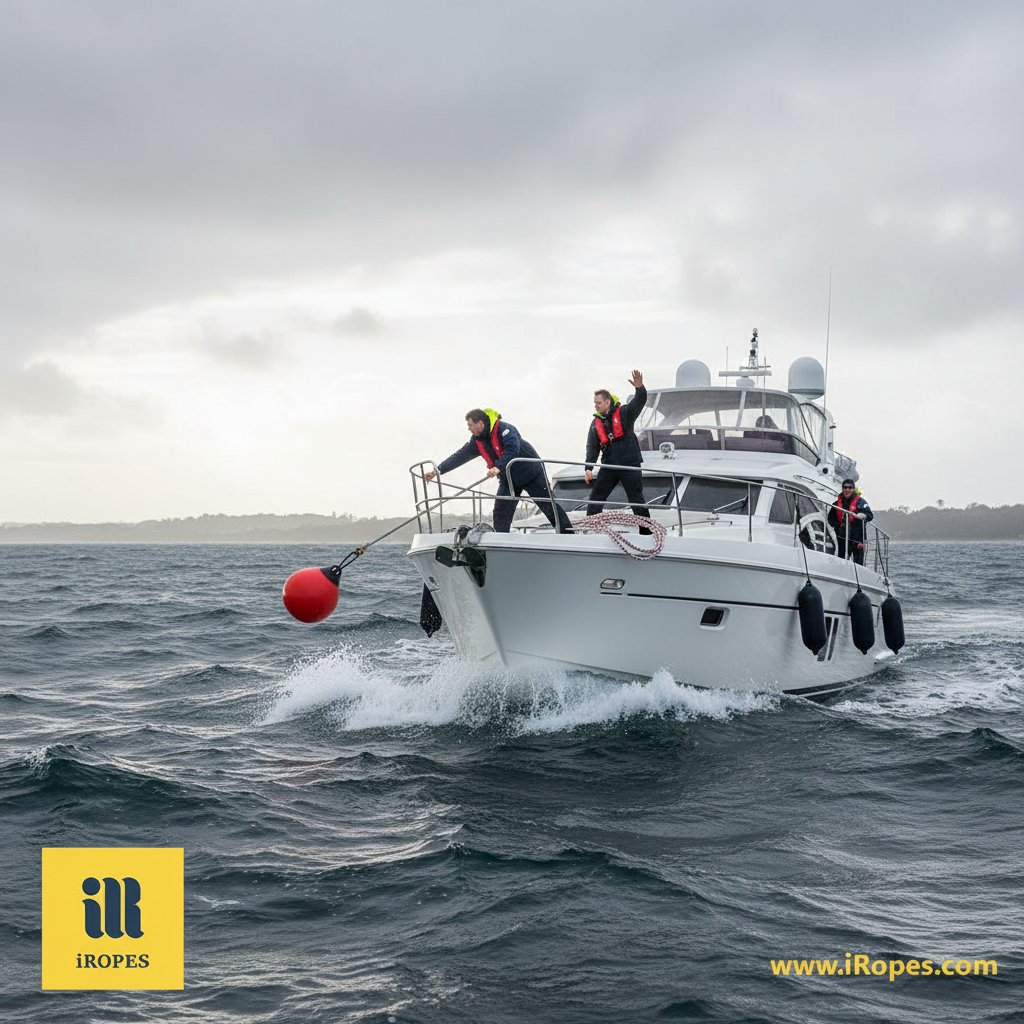
Of course, executing these techniques flawlessly often significantly hinges on having durable, high-quality gear you can genuinely count on, from resilient lines that hold firm even in the toughest spots.
Essential Equipment and Safety for Effective Docking and Mooring
Those resilient lines you rely on during tricky manoeuvres aren't just any ropes—they constitute the very backbone of safe vessel handling, working seamlessly hand in hand with your team's crew signals to keep everything under precise control. When it comes to essential equipment, selecting pieces that perfectly match your boat's specific needs meticulously ensures smooth operations, whether you're expertly tying up close to a stable pier or securely fastening to a distant mooring buoy. Let's thoroughly explore the crucial items that genuinely make a significant difference, beginning with the lines that consistently bear the brunt of the demanding work.
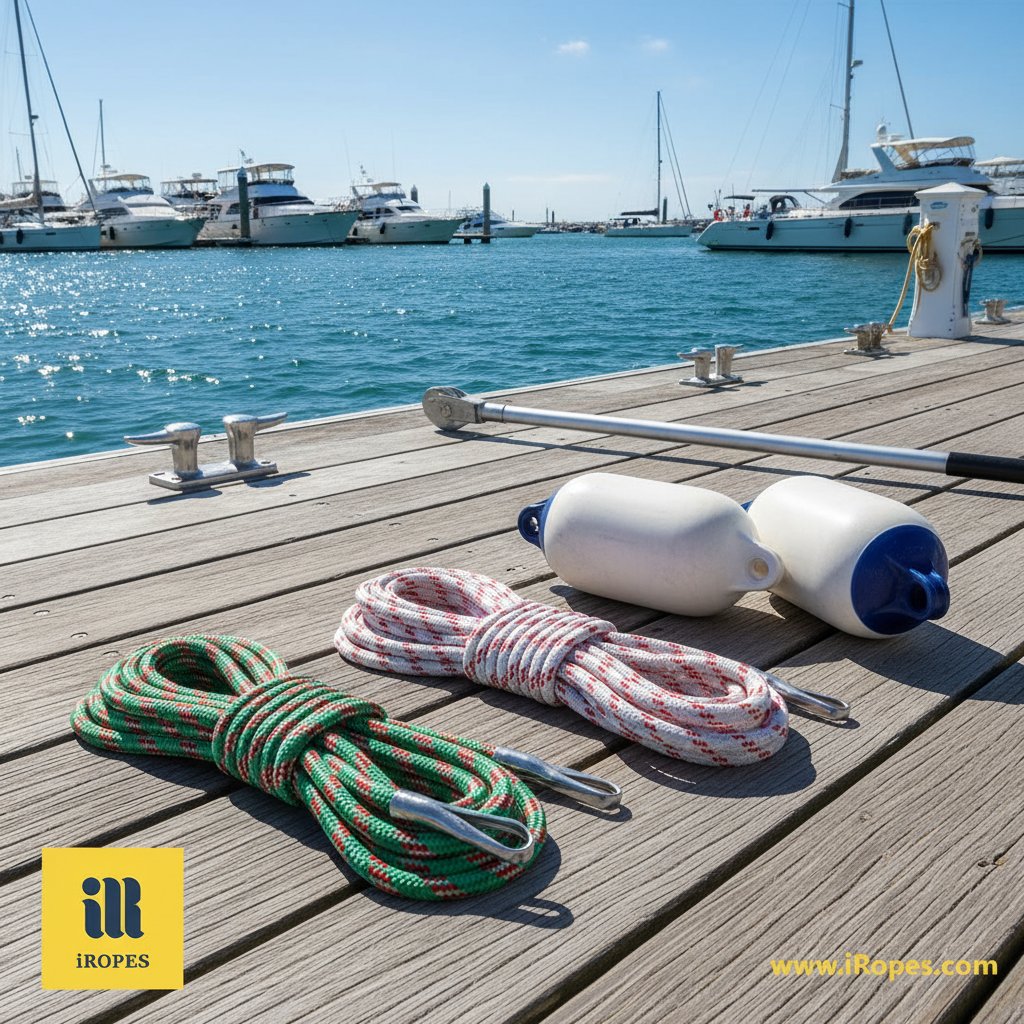
For optimal dock lines, unequivocally focus on robust UV-resistant materials such as high-grade nylon or durable polyester. These specifically withstand harsh sunlight and constant saltwater exposure without premature degradation, ensuring longevity. The appropriate diameter is also paramount: opt for 3/8-inch lines for boats under 30 feet to effectively handle moderate loads without excessive bulk, scaling proportionally up to 5/8-inch for larger vessels exceeding 50 feet, where significantly heavier strains unequivocally demand more substantial grip and strength. iRopes distinctly stands out here with its comprehensive custom options, which include meticulously built-in thimbles for effortlessly easy splicing around cleats or strategically integrated reflective strips that glow under low light conditions. These features prove invaluable, visibly assisting your crew in accurately spotting lines during challenging dusk approaches. Such uniquely tailored features not only significantly speed up the tying process but also inherently add an indispensable layer of crucial visibility that perfectly complements those quick, effective hand signals we thoroughly covered earlier.
- UV-resistant Nylon - Effectively absorbs shocks from waves while providing essential protection against sun damage over repeated, prolonged uses.
- Polyester Low-Stretch - Reliably maintains its shape for consistently steady ties, proving ideal for extended term berthing without undesirable sagging.
- Custom Thimbles - Significantly reinforce line eyes for supremely secure, chafe-free connections to bollards or sturdy pilings.
- Reflective Elements - Substantially enhance crucial nighttime safety, making effective line handling clearly visible from the helm.
Beyond the critical lines, a selection of adequate fenders is vital to protect your hull from unsightly scrapes—consider incorporating round fenders for achieving even pressure along the side, or cylindrical ones for navigating tight slips where spatial constraints are at an absolute premium. Strategically place them at the widest points of your beam, meticulously adjusting their height to perfectly match the dock's level as the tides inevitably shift. Cleats mounted robustly aboard your vessel reliably provide sturdy anchor points for securing lines, while specialised mooring gear, like quality swivels, definitively prevents unwanted line twisting in strong currents. Furthermore, a good, extendable boat hook significantly enhances your reach for safely snagging buoys without risking a precarious fall overboard, directly integrating into signal-coordinated efforts by allowing your forward hand to clearly gesture "hook ready" before confidently extending it.
When executing effective mooring, consistently adhere to basic, locally established rules for mooring a boat to ensure you always act appropriately: diligently check local regulations for permit requirements in public fields, and rigorously confirm that the buoy's certified weight capacity comfortably accommodates your specific vessel's displacement. Crucially, overloading can unfortunately lead to unpredictable drifts or severe damage. Out of common maritime courtesy, always ensure you leave ample swing radius between your vessel and neighbouring boats, and meticulously inspect all critical gear beforehand: carefully scan all lines for any signs of fraying, thoroughly test fender inflation levels, and rigorously verify that all cleat bolts are securely tightened to definitively avoid mid-operation failures during berthing. These often overlooked, yet critically important, checks actively prevent common mishaps such as lines unexpectedly parting in a sudden, unforeseen squall.
To comprehensively tie all these elements together, always conduct a brief but thorough crew briefing before initiating any approach—assign specific responsibilities (who expertly handles the bow versus the stern), explicitly review precise signal meanings (like that essential palm-down gesture for 'slow'), and clearly outline emergency protocols, such as the critical procedure for cutting lines if they become dangerously caught in propeller gear. This proactive approach significantly builds unwavering confidence, effectively transforming a collection of individuals into a cohesive, highly responsive unit that reacts perfectly and seamlessly to the ever-changing moods and forces of the water.
Armed with this comprehensive setup, your docking and mooring routines will undoubtedly gain that essential extra layer of reliability, meticulously paving the way for consistently confident, enjoyable outings every single time.
Mastering the crucial nuances of marine docking, from confidently distinguishing it from effective mooring to strategically deploying precise crew signals for accurate boat docking, genuinely equips you with the indispensable tools required for safer, significantly smoother vessel handling in virtually any marina or open-water scenario. We've thoroughly explored step-by-step approaches, critical line sequences such as indispensable bow and spring lines, and robust strategies to effectively counter challenging wind or strong tides, all of which are profoundly enhanced by clear, non-verbal cues that actively prevent costly mishaps. Furthermore, pairing these advanced techniques with truly reliable equipment—such as iRopes' custom nylon or polyester ropes, meticulously featuring built-in thimbles and vital reflective elements—not only ensures exceptionally secure docking and mooring but also rigorously upholds crucial safety protocols, including pre-briefings and thorough gear checks. These insights collectively transform what might otherwise be challenging berthings into consistently confident, streamlined routines, significantly boosting your overall on-water efficiency and enjoyment.
Building intelligently on this robust knowledge, imagine expertly tailoring high-performance ropes to your specific vessel's exact needs for achieving even greater peace of mind during all docking and mooring operations.
Customise Your Rope Solutions with iRopes Experts
If you're genuinely keen on receiving personalised guidance for selecting bespoke custom dock lines perfectly suited to your boat's unique size and specific docking scenarios, simply complete the convenient inquiry form above to directly connect with our dedicated iRopes team—we are here to expertly help you elevate your marine adventures to the next level.