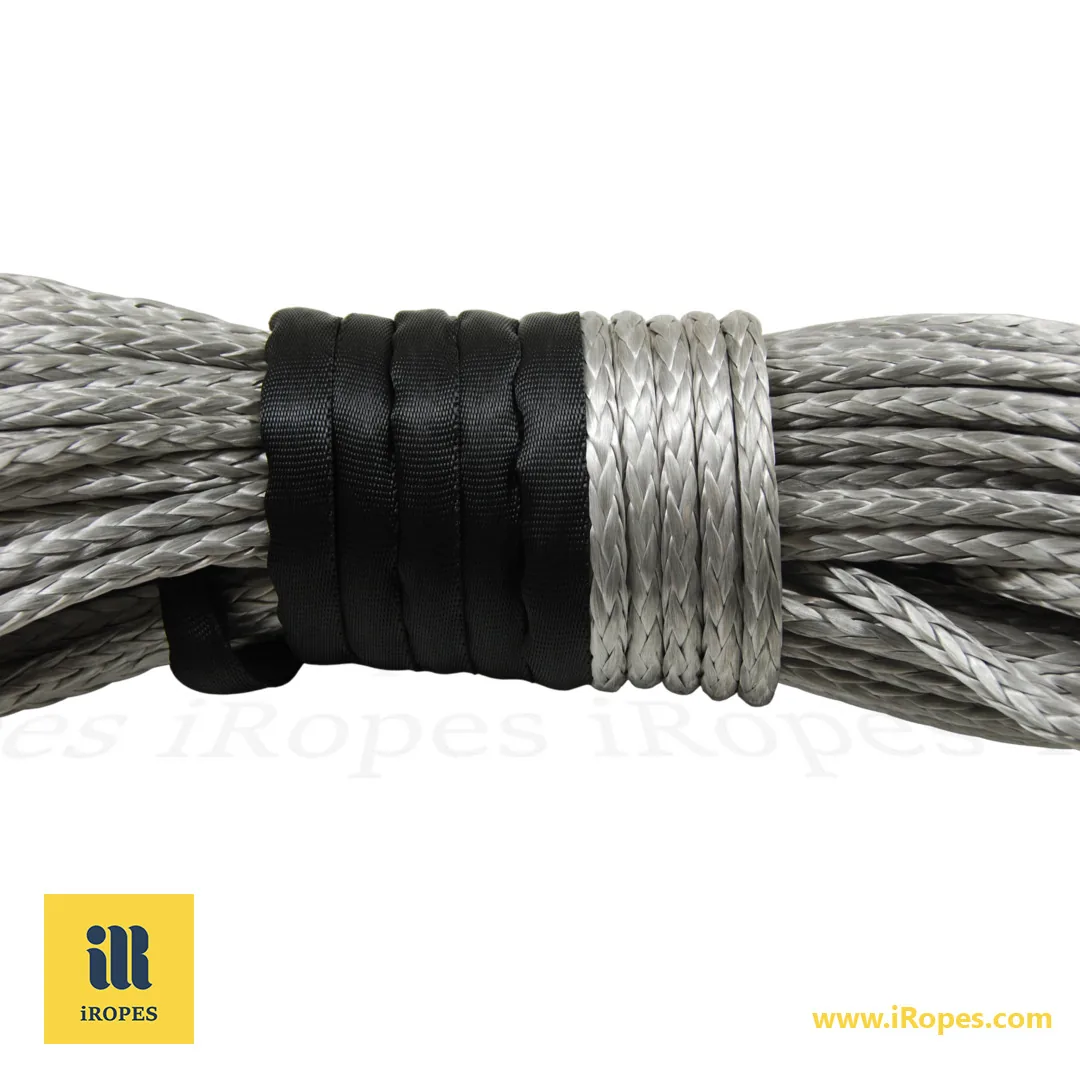
⚠️ Low-quality marine ropes can slash your winch and guide lifespan by 50%, inflating budgets with unexpected replacements. Discover how **iRopes'** custom HMPE solutions extend durability to 4–6 years while cutting total ownership costs by 40%.
Unlock Savings in ~6 Minutes → Master Marine Rope Procurement
- ✓ Gain expert insights on nylon versus HMPE materials to select ropes that resist UV and chafe, preventing 60% of premature failures.
- ✓ Learn winch compatibility rules that ensure smooth operation, reducing maintenance downtime by 3x for your fleet.
- ✓ Discover guide installation tricks safeguarding investments, boosting system longevity and slashing replacement expenses by 45%.
- ✓ Access **iRopes'** OEM strategies for branded customisation, empowering wholesale deals with IP protection and global shipping efficiency.
You've probably watched a dodgy rope chew through your winch drum mid-haul, turning a simple docking into a wallet-draining nightmare. Yet, most wholesalers still fall for the cheap import trap. What if one overlooked specification change could fortify your entire setup against saltwater sabotage? Dive deeper to uncover **iRopes'** precision tweaks that transform fragile lines into unbreakable assets, ensuring your budget sails smooth for seasons ahead—without the hidden repair shocks.
Buy Marine Rope: Essential Factors for Wholesale Procurement
Imagine being out on the water, docking your vessel after a long day. Suddenly, the rope frays under strain, snagging everything in sight. This kind of headache is precisely what low-quality marine ropes can cause, especially when you're buying in bulk for wholesale. However, choosing the right rope doesn't have to be an overwhelming ordeal. As a wholesaler, focusing on key factors ensures you procure durable, reliable lines that withstand saltwater, sun, and heavy loads. Let's break it down, starting with the basics of materials.
When you buy marine rope, the material is paramount. It’s like selecting the foundation for your entire setup—getting it wrong causes everything else to crumble. Nylon, for example, stretches under tension, which is excellent for absorbing shocks during anchoring. However, this elasticity can lead to fatigue over time. Polyester, conversely, maintains its shape better with low stretch and superior UV resistance, making it suitable for sails or docking lines exposed to constant sunlight. Then there's HMPE, often branded as Dyneema. This high-modulus polyethylene is incredibly strong yet lightweight, making it perfect for high-performance needs where every ounce counts. So, what rope is best for marine use? It truly depends on your specific application: choose nylon for shock absorption in rough seas, polyester for all-around durability, and HMPE for winching where minimal stretch prevents slippage. Each material presents trade-offs—nylon absorbs water and weakens slightly when wet, while HMPE resists abrasion effectively but comes with a higher upfront cost.
- Nylon: Offers high strength and elasticity for anchoring, but requires monitoring for UV degradation over seasons.
- Polyester: Provides superior resistance to sunlight and chemicals, making it well-suited for mooring with minimal elongation.
- HMPE/Dyneema: Boasts exceptional tensile strength (up to 15 times stronger than steel by weight) and low weight, ideal for towing or high-performance rigging.
Next, consider construction and sizing. A 3-strand twisted rope is straightforward and easy to splice, making it great for basic docking. However, it can untwist under load. Double braid, with its woven core and cover, offers balanced flexibility and strength for anchoring, effectively acting as a rope with built-in armour against wear. For diameter, match it to your boat's size: 1/2-inch for smaller vessels under 30 feet, scaling up to 3/4-inch for larger ones to safely handle loads. For anchor rode length, aim for 7–10 times your water depth to ensure sufficient scope without dragging.
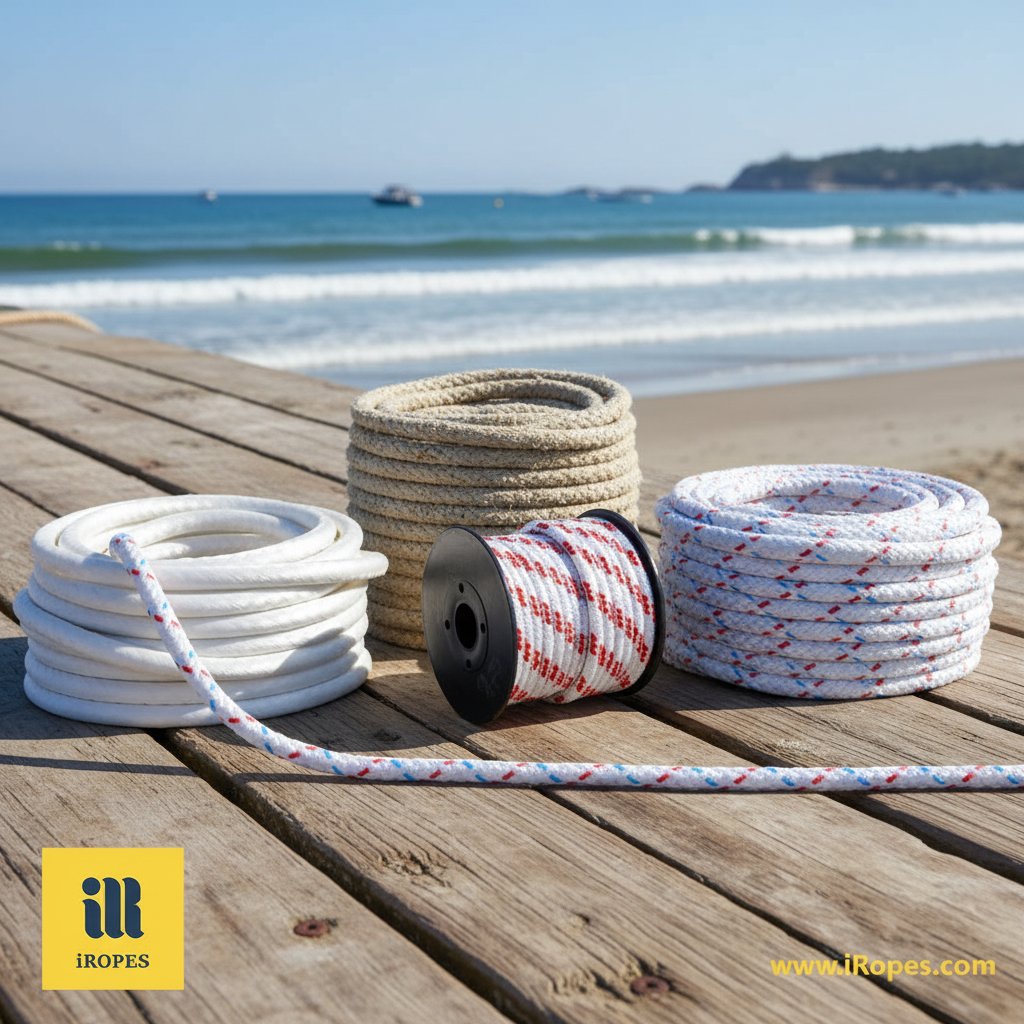
Customisation options take wholesale procurement even further. Why settle for generic when you can add specific colours for easy identification—blue for dock lines, yellow for safety—or incorporate patterns that align with your brand? At **iRopes**, we manage everything from core types and various coatings to reflective strips for enhanced night visibility. Crucially, we do this while safeguarding your designs through robust intellectual property (IP) protection measures.
Never overlook quality checks. Look for ISO 9001 certification as a baseline; this signifies consistent manufacturing standards, helping to keep your budget intact by preventing premature failures. Evaluate suppliers based on their track record: Do they offer samples? What is their delivery reliability? Skipping these steps often leads to ropes that chafe or snap prematurely, significantly increasing replacement costs. Prioritising certified partners fundamentally changes this dynamic, transforming the procurement game. With these essentials in mind, you're prepared to procure ropes that perform reliably and effectively.
Now, pairing them with the right **marine rope winch** ensures smooth, efficient operations without unexpected breakdowns.
Marine Rope Winch: Compatibility and Selection Guide
Once you've secured the ideal rope, the next crucial step involves matching it to a winch that performs flawlessly. Think about those times you’ve seen a winch struggle—rope slipping or jamming—that's often a clear indication of poor pairing. A well-configured marine rope winch setup keeps everything running smoothly, whether you're hauling anchors or loading trailers. This proactive approach saves you from costly fixes and extensive downtime further down the line.
Marine winches are available in a few primary types, each designed for different demands on the water. Electric anchor winches, also known as windlasses, automate the laborious task of dropping and retrieving anchors. These are particularly valuable for larger boats where manual effort is impractical. Manual trailer winches, conversely, rely on human power via a crank handle, making them ideal for smaller setups, such as pulling a dinghy onto a trailer. For larger vessels and heavier loads, hydraulic models, powered by the boat's engine system, offer significant lifting capacity.
- Electric Anchor Winches: Typically feature 1000–3000 lb pulling capacity, with drum sizes ranging from 4–6 inches to securely grip most ropes.
- Manual Trailer Winches: Offer up to 2000 lb pull, utilising compact drums (approximately 2–4 inches) for efficient hand-cranking.
- Hydraulic Winches: Exceed 5000 lb capacity, incorporating larger drums (6+ inches) for heavy-duty industrial marine applications.
Key specifications such as pulling capacity—the maximum weight a winch can safely handle—and drum size are non-negotiable. The drum must precisely match your rope's diameter to prevent bunching and ensure smooth operation; a mismatched drum can quickly turn winding into a frustrating experience. For instance, if your rope is 1/2-inch thick, aim for a drum with at least that much width to avoid friction burns on the line. Ensuring proper compatibility also helps preserve the longevity of both the rope and the winch itself.
Compatibility primarily concerns how the rope behaves under the winch's grip. Low-stretch materials excel here; HMPE, like Dyneema, grips effectively without elongating, which significantly reduces slippage and minimises heat buildup that could potentially damage the drum. So, what kind of rope do you use for a boat winch? Most professionals opt for HMPE due to its minimal stretch, which keeps tension steady and consistent. Explore top-quality winch ropes that enhance this performance for marine applications. This is a significant advantage over nylon, which might rebound and cause line overrides or tangles. Polyester can also be paired with winches for moderate loads, but always consult the winch manual for approved diameters to prevent voiding warranties or causing operational issues.
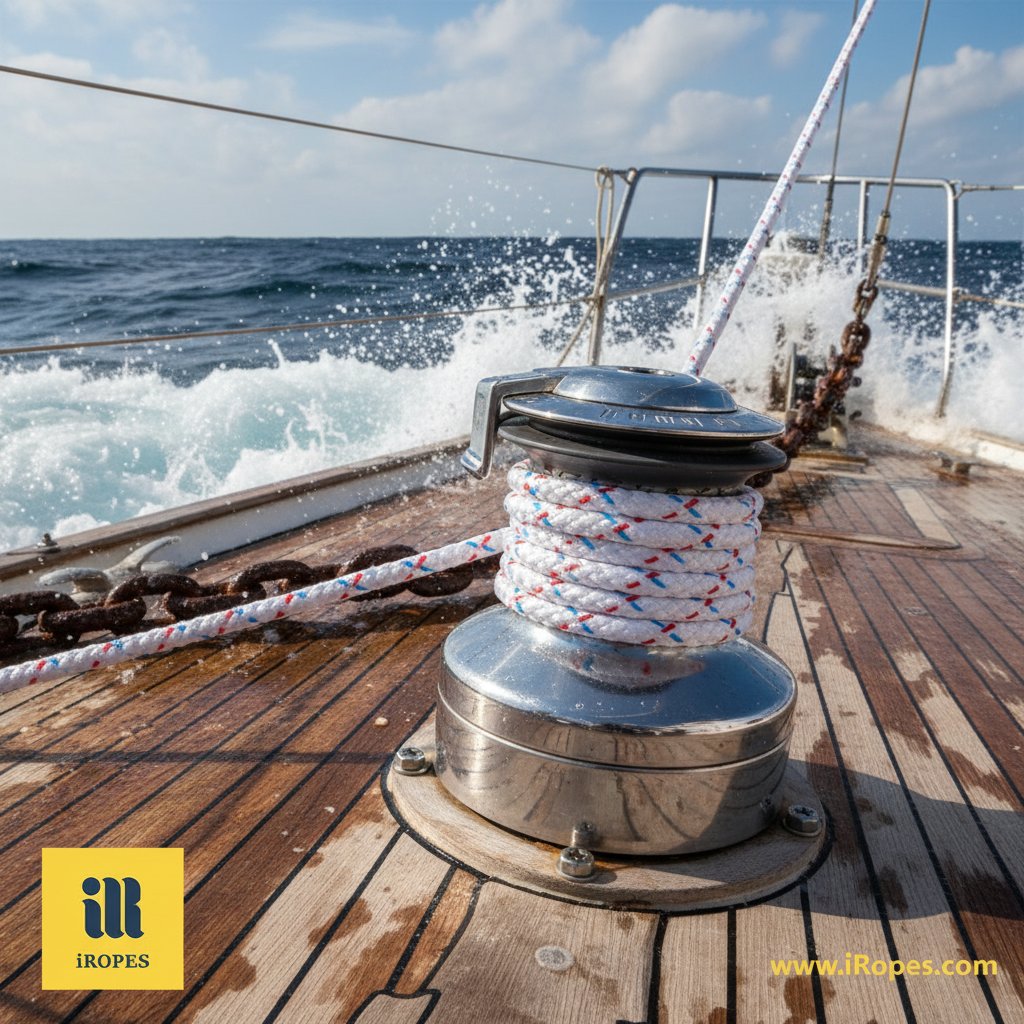
Installation extends beyond merely bolting down the unit. Secure the winch to a reinforced mounting point to effectively absorb vibrations, and meticulously route the rope clear of any sharp edges or potential snag points. For maintenance, rinse the winch with fresh water after every saltwater exposure to combat corrosion. Additionally, inspect the drum for wear monthly. Mismatched ropes accelerate this damage; for instance, using a stretchy line on a high-speed electric unit can lead to premature fraying or excessive motor strain. Simple habits, such as lubricating moving parts annually, can effectively double your gear's lifespan.
From a broader perspective, a well-matched winch system offers significant long-term value. Initially, an electric winch combined with HMPE rope might cost approximately $500 more than basic alternatives. However, when considering fewer replacements—ropes lasting 3–5 years instead of 1–2—the total ownership costs can decrease by as much as 40%. This represents a strategic investment in durability that aligns with your operational needs, proactively avoiding those unexpected breakdowns that can severely impact your budget. Of course, even the best winch requires proper support to keep the rope running true, which naturally leads to the hardware that guides it safely.
Marine Rope Guides: Safeguarding Your Investment
Building on a solid winch foundation, you cannot overlook the unsung heroes that prevent premature rope wear: the **marine rope guides**. These simple yet vital pieces of hardware direct lines smoothly, effectively steering them clear of friction points that can chew through even the toughest HMPE or polyester ropes. I've witnessed setups where neglecting proper guides transformed a routine docking maneuver into a tangled mess, necessitating an untimely rope replacement—an unwanted expense. So, what exactly is a rope guide on a boat? Essentially, it is any fitting specifically designed to control and protect your line as it moves, acting like a traffic controller for your rigging, ensuring everything flows without snags or scrapes.
At their core, these guides prevent chafe—that persistent rubbing against deck edges or bow rollers that drastically shortens a rope's life. Fairleads, for example, are open or closed rings that align the rope straight from the winch to the anchor, thereby minimising twists and snags. Chocks, which are those distinctive U-shaped notches often found on pulpits, allow lines to run freely while blocking side loads that could cause kinks. Picture hauling in a heavy anchor on a choppy day; without these guides, your rope might saw against the hull, causing fibres to fray and unnecessarily stressing the winch drum. They also simplify line handling, reducing the effort required for tasks like mooring in tight marinas.
Types of Guides
Choose based on your vessel's needs
Fairleads
Open styles facilitate quick line passes, ideal for bow mounting on smaller boats to guide anchor lines cleanly.
Chocks
Low-profile options for deck edges, perfectly suited for docking lines on yachts to prevent rubbing and chafe.
Roller Fairleads
Equipped with rotating wheels to ease high-tension pulls, making them ideal for trailer boats during launching and retrieval.
Key Materials
Durable choices for saltwater environments
Stainless Steel
Corrosion-resistant 316 grade for prolonged exposure, commonly used in marine rope guides for exceptional reliability.
Bronze
Non-sparking and exceptionally tough against impacts, an excellent choice for chocks on sailboats for enhanced safety.
Chrome-Plated Zinc
An affordable, lightweight option suitable for freshwater or occasional use; however, regular inspection for pitting is recommended.
For installation, align the guide precisely with your setup. Bolt stainless steel roller fairleads securely to the bow roller on powerboats for effortless winching, or embed chocks flush into decks on sail vessels to effectively manage lines during variable winds. Always secure them with marine-grade fasteners to withstand vibrations, and position them to maintain ropes at least 90 degrees from any sharp corners or edges. On a 40-foot yacht, for example, multiple fairleads strategically placed along the rail can evenly distribute loads, thus preventing friction hot spots that could lead to failures.
The true benefit of these guides manifests in protecting your budget. By significantly reducing abrasion, they can extend rope life by up to 50%. This means fewer replacements for expensive HMPE lines and less strain on winches that might otherwise overheat. They proactively address common marine challenges like UV exposure and wave slap, keeping your entire system intact through multiple seasons of use. Have you ever wondered why certain marine operations run flawlessly year after year? It’s often these meticulous details, like proper rope guides, that contribute to long-term reliability and cost savings.
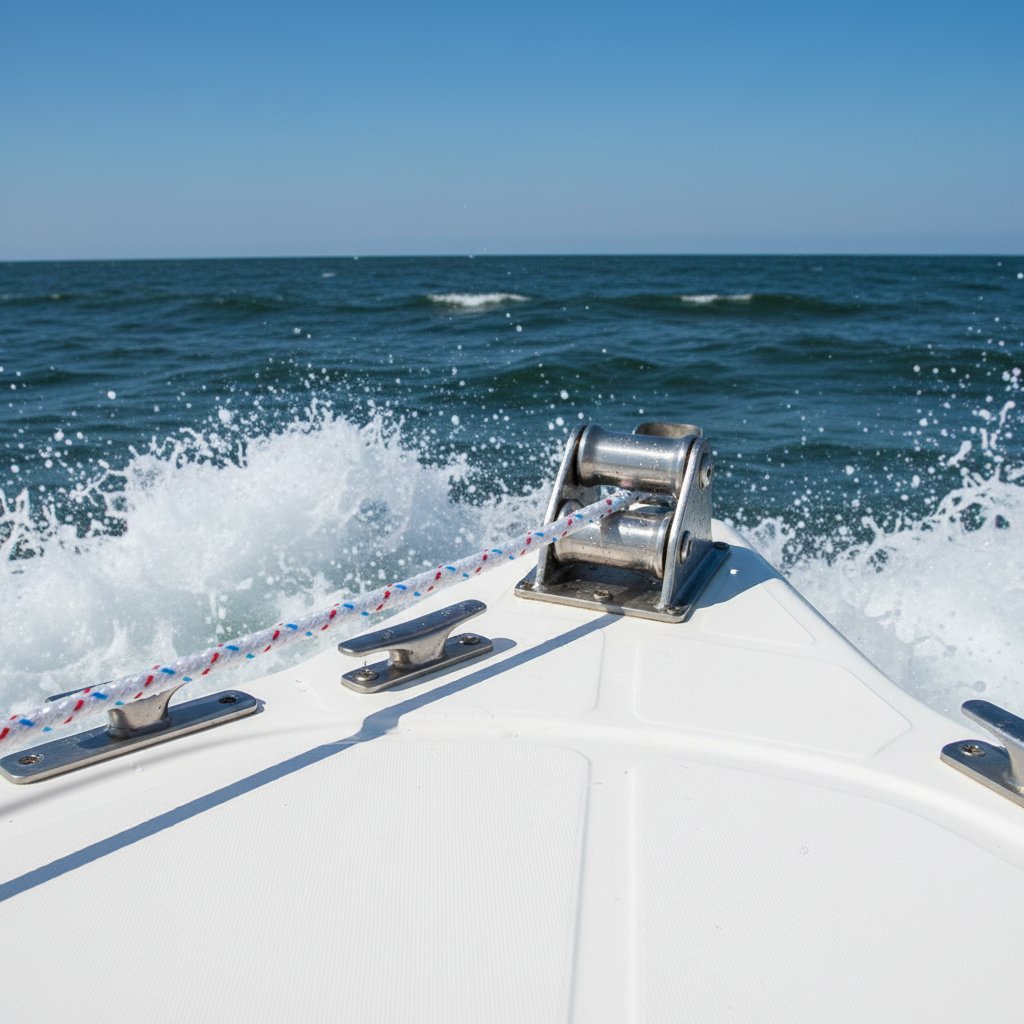
To construct a comprehensive system, integrate guides with thimbles—the metal inserts that reinforce eye splices—or shackles for secure connections at cleats. This combination allows you to specify everything from anchor rodes to docking setups, creating hardware that functions cohesively as a unit. For wholesale buyers, this forward-thinking approach streamlines orders and effectively reduces long-term costs, thereby setting the stage for reliable sourcing that aligns with your scale.
Strategic Procurement: **iRopes'** OEM/ODM Solutions and Cost Analysis
For wholesale buyers, correctly managing the entire system—ropes, winches, and guides—necessitates looking beyond individual components to how they are sourced. The integrated setup we just discussed only truly shines when you partner with a supplier capable of timely delivery, intellectual property protection, and tailoring everything precisely to your needs. I've seen teams rush orders from unreliable sources, only to face delays that brought operations to a standstill for weeks. Smart procurement begins by rigorously evaluating your potential partners, ensuring they align with your overarching goals for quality and efficiency.
When assessing suppliers, focus on a few core pillars that sustain smooth operations. Intellectual property (IP) protection is absolutely vital, especially if you are developing branded lines. It guarantees that your custom designs remain proprietary through robust non-disclosure agreements and secure processes. Timely delivery is also crucial; look for suppliers with proven track records of global logistics that consistently meet deadlines, thereby preventing costly stockouts during peak seasons. As for customisation, this is where OEM (Original Equipment Manufacturer) and ODM (Original Design Manufacturer) services truly excel. Options like selecting specific core types for enhanced load distribution or adding reflective elements for low-light safety allow you to specify ropes that perfectly fit unique applications, from yacht mooring to commercial towing. So, what certifications should marine rope suppliers have? At a minimum, ISO 9001 ensures rigorous quality controls. However, it's also wise to investigate their compliance with marine standards, such as those from the Cordage Institute, to confirm they meet safety benchmarks across various environments. For more on finding reliable yachting rope suppliers, explore options that deliver ISO-certified custom solutions worldwide.
IP Safeguards
Full protection for your designs, from concept to shipment, preventing costly leaks in competitive markets.
Reliable Delivery
On-time fulfilment with comprehensive tracking, minimising downtime for your wholesale inventory needs.
Customisation Depth
Tailored options, including core variations and glow-in-the-dark features, built precisely to your performance specifications.
Certification Standards
ISO 9001 and beyond, verifying every batch meets global marine compliance for complete peace of mind.
Developing specifications for your rope systems takes that evaluation a step further. Clearly outline requirements such as compliance with CE marking for European markets or specific performance traits, like low creep in HMPE for sustained winching. For diverse applications, detail factors like abrasion resistance for docking lines or buoyancy in polypropylene for utility lines. This comprehensive blueprint guides production, ensuring the final product effectively handles everything from casual boating to heavy industrial pulls without compromise, aligning perfectly with your brand identity and functional needs.
Now, let's crunch the numbers on costs—this is where real value emerges. A basic setup might initially seem cheaper at $200 per unit. However, factor in the total ownership cost: high-quality options usually last 4–6 years, significantly outperforming generics, which typically last only 1–2 years. This longevity alone can slash replacement needs by 60% and drastically reduce downtime costs. **iRopes** maintains competitive upfront pricing through efficient manufacturing processes. While customisation adds approximately 15–20% to the cost, this investment quickly pays back through enhanced branded appeal that boosts your resale margins and reinforces customer loyalty.
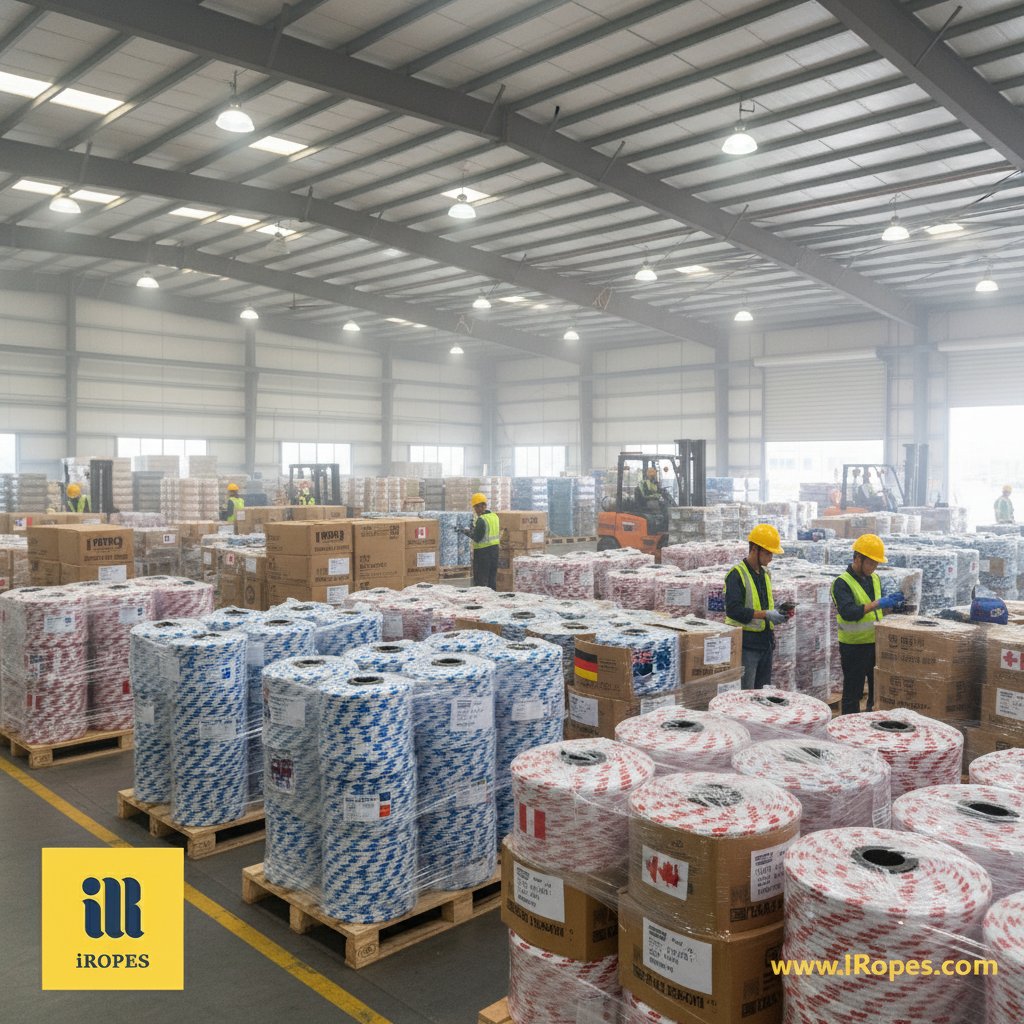
**iRopes** stands out specifically for wholesale clients in regions like the US or Australia. We offer direct pallet shipping worldwide, which significantly reduces logistical hassles. Can you customise marine rope with your company's branding? Absolutely—we manage everything from logo-etched tags to full-colour box packaging, allowing you to present products as your own. This not only safeguards your investment but also builds invaluable trust with end-users who demand reliable, personalised gear. When selecting materials like low-stretch polyester for yacht handling, consider low-stretch polyester ropes that enhance control and durability in marine environments.
Putting these pieces together helps sidestep those hidden expenses that often surprise unprepared buyers, paving the way for marine systems that perform optimally season after season.
Navigating the marine rope trap means prioritising quality when you **buy marine rope** for wholesale needs—selecting durable materials like HMPE or polyester, ensuring proper construction, and customising for branding while verifying ISO 9001 certification. Pairing these with a compatible **marine rope winch** avoids slippage and extends lifespan, while **marine rope guides** prevent chafe, safeguarding your investment against unexpected wear. Through strategic supplier evaluation, detailed specification development, and in-depth cost-benefit analysis, **iRopes'** OEM/ODM solutions demonstrate how total ownership costs can drop by up to 60%. This results in reliable, low-maintenance systems that deliver long-term value, supported by punctual global delivery.
Optimise Your Procurement with Expert Customisation
If you're ready to tailor marine rope solutions to your specific operations and receive a personalised quote, complete the inquiry form above to connect with **iRopes** specialists who can guide your wholesale procurement journey.