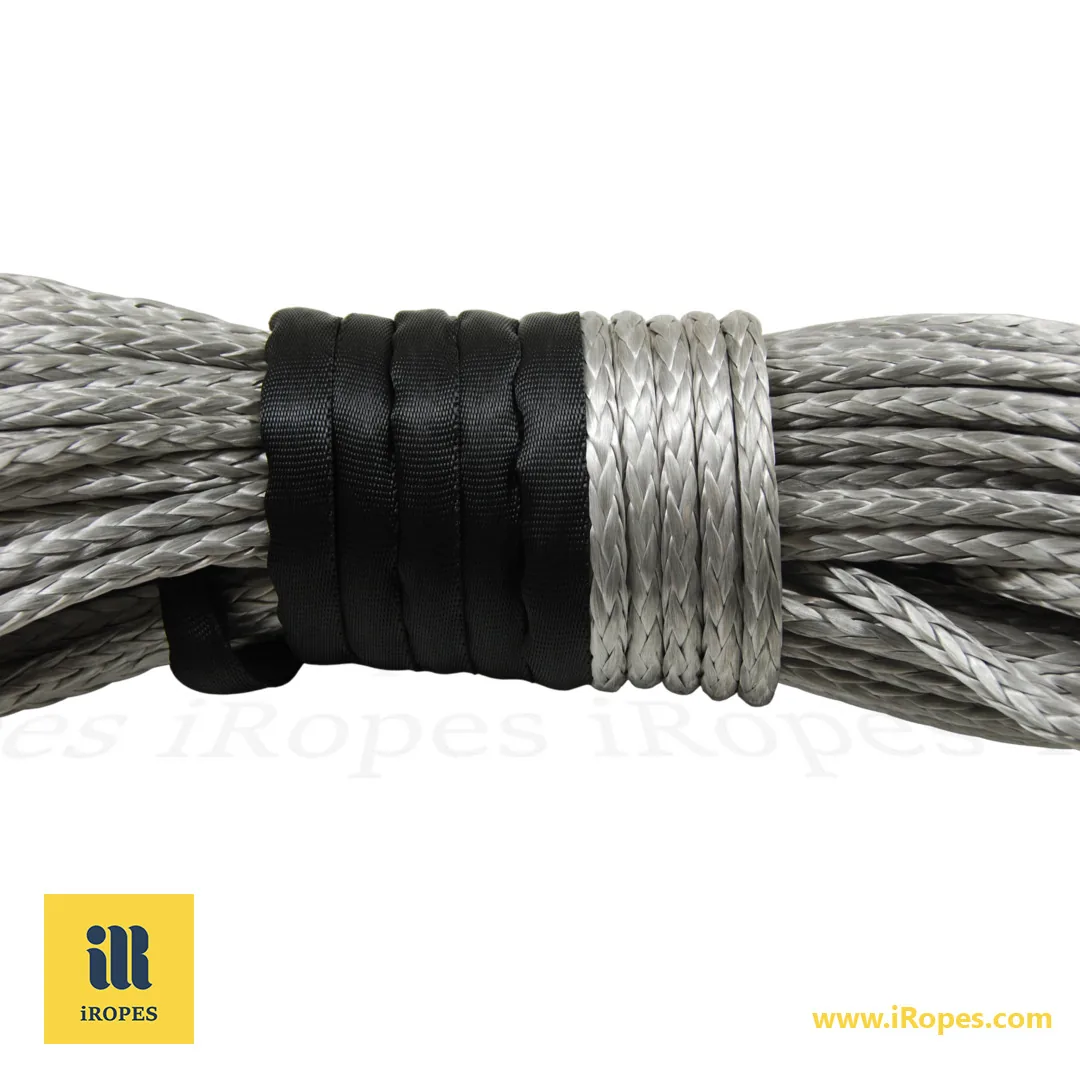
⚠️ The single flaw torpedoing marine projects: **chafing** that erodes working rope strength by up to 70% in abrasive deck conditions, causing snaps during critical cargo lifts and ballooning costs by 20% or more.
Unlock Marine Reliability in a 5-Minute Read → Discover the Flaw, Its Devastating Impacts, and Proven Fixes
- ✓ Pinpoint chafing's root causes and cut failure risks by 50% through material choices like abrasion-resistant polyester for heavy-duty hauling.
- ✓ Avoid project delays worth thousands by mastering inspection protocols that spot wear before it triggers safety hazards in cargo operations.
- ✓ Boost operational efficiency with rope work techniques—splicing and thimbles—that extend lifespan by 30% in harsh marine environments.
- ✓ Tailor unbreakable solutions via iRopes' OEM customisation, ensuring ISO-certified ropes match your exact load capacities up to 10 tonnes.
You've likely dismissed chafing as minor wear in your work ropes, but in salty, grinding marine decks, it silently slashes tensile strength. This could potentially drop a 50-tonne MBS line to failure mid-lift, risking crew safety and budgets. What if overlooked friction was the unseen saboteur behind your last delay? Dive in to uncover how simple custom tweaks from iRopes transform these vulnerabilities into *resilient assets* that keep projects surging forward without a hitch.
Identifying the Critical Flaw in Working Rope for Marine Use
Imagine a bustling marine deck where every knot and pull counts—that's the world where **working ropes** either shine or snap under pressure. Building on the high-stakes scenario we just explored, let's dive into what sets these ropes apart in industrial settings, far from the gym workouts you might stumble upon in online searches.
In industrial contexts, a working rope is essentially a heavy-duty lifeline designed for tough tasks like deck operations and cargo handling. These aren't lightweight fitness tools; instead, they are robust synthetics built to haul heavy loads, secure vital gear, and withstand relentless wear in salty, windswept environments. Think of them as the unsung heroes keeping ships operational and construction sites safe on water. For marine use, they handle everything from mooring lines to towing during stormy conditions, where failure isn't just inconvenient—it's dangerous.
But here's where things get tricky: what material constitutes a true industrial-grade work rope? It's typically one engineered with materials like nylon or polyester, highly prized for their superior abrasion resistance and ability to withstand constant friction. Nylon offers excellent shock absorption, which is ideal for dynamic pulls during cargo shifts, while polyester maintains strong performance with minimal stretch and superior UV protection for prolonged outdoor exposure. These material choices ensure the rope doesn't just endure but performs *reliably* under constant stress.
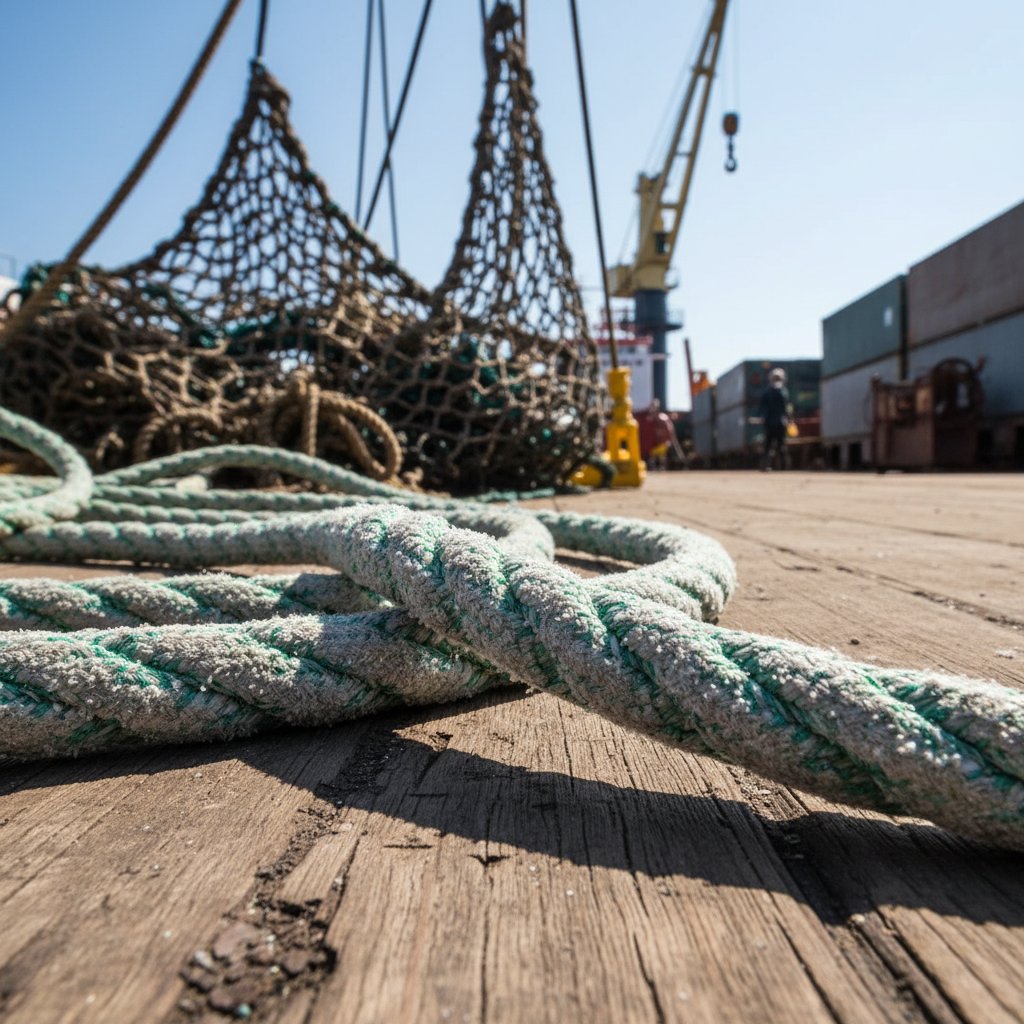
The primary flaw lurking in many working ropes for marine use is chafing and abrasion, which quietly erodes strength over time. Picture the rope rubbing against rough metal edges or barnacle-covered hulls—fibres soon begin to fray, reducing the overall integrity without visible warning. In heavy marine labour, this compromised strength can lead to sudden breaks during critical lifts, turning routine cargo handling into a severe hazard. I've seen crews on coastal projects lose valuable hours, or worse, face near-misses, because overlooked wear transformed a reliable tool into a critical liability. Why does this happen so often? Subpar constructions often lack the protective sheaths or robust materials required to shrug off such abuse, especially when saltwater and debris accelerate the damage.
Addressing this issue fundamentally starts with understanding how abrasion resistance directly links to material selection. Polyester, for instance, exhibits less wear than alternatives in wet conditions, but even robust materials require regular checks to spot early signs like glazing or minor cuts. Have you ever wondered why some ropes last seasons while others fail prematurely? It's often this unseen battle against friction that determines their fate.
- Nylon's Elasticity - Absorbs shocks in dynamic marine tasks, but monitor closely for UV-induced weakening.
- Polyester's Stability - Retains strength effectively in wet environments, making it key for abrasion-heavy cargo work.
- HMPE Integration - Significantly boosts overall cut resistance for high-risk deck operations.
Grasping this core issue reveals why everyday ropes often fall short in demanding marine setups, paving the way to explore the real fallout when they do.
How Subpar Work Rope is Sinking Your Marine Projects
That chafing flaw we just unpacked doesn't stay hidden for long—it typically strikes when you least expect it, transforming solid marine plans into chaos. In the thick of cargo handling or deck setups, a **work rope** giving way results in more than a quick fix; it halts everything and significantly escalates dangers on board.
Picture this: a crane lifting heavy containers on a construction barge, and suddenly the rope frays under tension, dropping the load into the water below. Delays inevitably pile up as crews scramble to recover gear, pushing deadlines back by days or even weeks. Safety takes a hit too; workers face risks of falls or crushing injuries if lines snap during hoisting operations. And the financial toll? We're talking thousands in lost productivity, replacement costs, and potential lawsuits stemming from accidents. I've heard from project managers who watched budgets balloon by 20% just from one critical rope incident in rough seas.
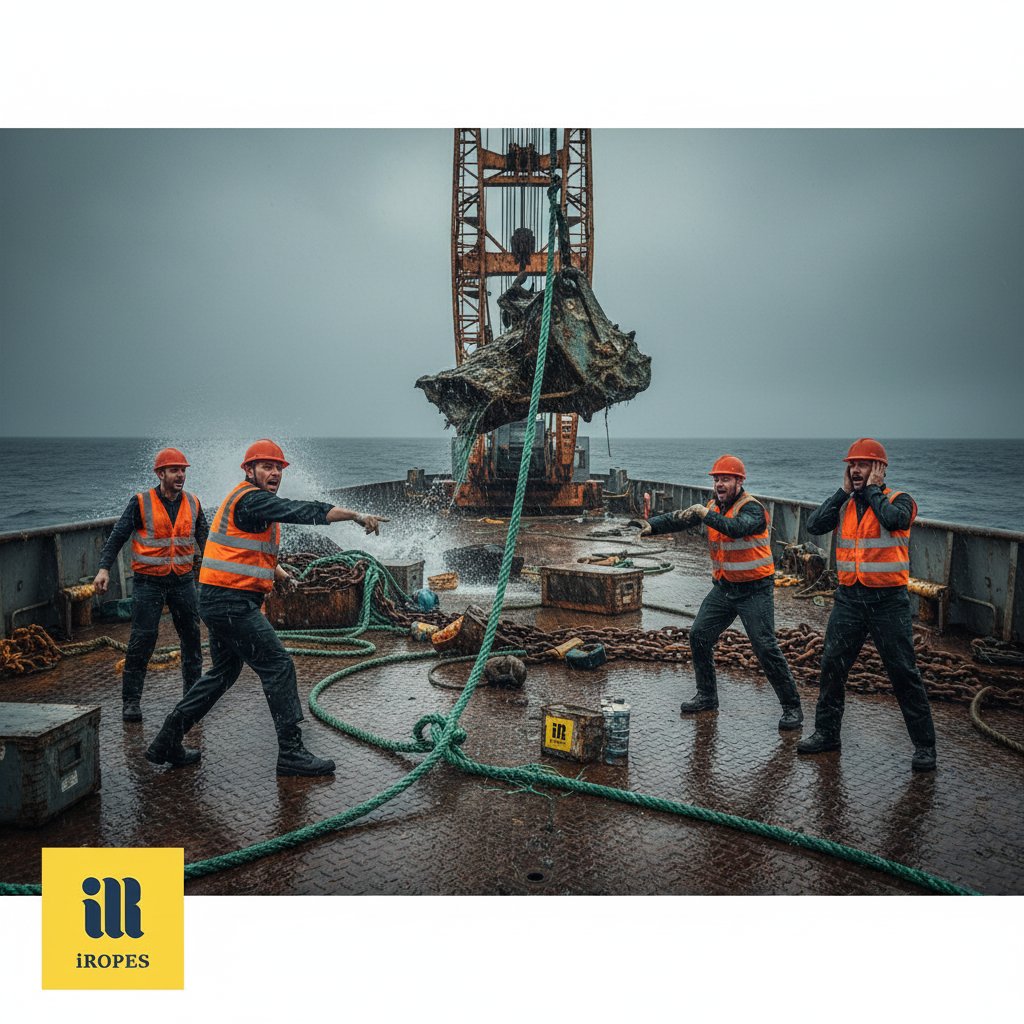
What inherently drives these breakdowns? Often, it's the poor selection of material that simply cannot handle the intense grind, like opting for a rope with inherently low tensile strength—the maximum pull it can withstand before breaking. Add to this environmental beatings from constant UV rays that weaken fibres over time, or saltwater soaking that adds weight and quickly speeds up degradation, and you've got a recipe for disaster. In harsh marine environments, continuous exposure like this dramatically shortens a rope's life, forcing unplanned replacements that severely disrupt workflows.
So, what exactly is a work rope used for in these demanding industrial setups? It serves as the backbone for critical tasks such as hoisting supplies aboard, mooring vessels securely against strong tides, and rigging safety lines to keep crews protected during shifts. Without robust and reliable ropes, even seemingly simple deck jobs quickly become hazardous.
To steer clear of this project sinkage, ensure your gear meets specifications tailored specifically for deck operations. Diameters ranging from 16-24 mm typically suit most cargo pulls, effectively balancing flexibility with essential grip. Lengths from 50-200 metres cover standard hauling requirements, while load capacities should ideally meet at least a 5-10 tonne safe working load (SWL) to match common marine weights. These crucial benchmarks keep projects afloat by precisely matching rope power to real-world demands—think of it as diligently building a safety net before any storm hits.
- 16-20 mm Diameter - Ideal for lighter deck ties, offering ease of manoeuvre by hand.
- 100 m Length - Standard for effective mooring in moderate operational conditions.
- 7-Tonne Capacity - Ensures a sufficient margin for dynamic sea loads without risk of overload.
Spotting these pitfalls early allows teams to shift focus to hands-on practices that build in resilience from the very start.
Mastering Rope Work Techniques and Safety Protocols
Spotting those inherent pitfalls in subpar gear is one thing, but consistently putting solid practices into action transforms potential disasters into remarkably smooth operations. With the right **rope work** techniques and stringent safety measures firmly in place, marine and construction teams can capably handle the rigorous demands of deck jobs without the constant worry of potential failure hanging over them.
Let's begin with the fundamentals of rope work best practices, which form the absolute foundation for reliable performance in these rugged environments. Splicing comes first—it's like weaving the rope's own fibres back together to create a seamless loop or eye, which is far stronger than any knot for heavy pulls. In marine settings, a properly executed eye splice on a mooring line specifically prevents slippage during powerful tides, a technique I've personally witnessed save a vessel from drifting in unexpected swells. Knotting follows suit; opt for tried-and-true options like the bowline for secure, yet easy-to-undo, ties around cargo, or utilise the clove hitch for quick deck secures. But don't stop there—integrate essential accessories such as thimbles, those metal inserts that effectively shield the rope from sharp edges and significantly reduce chafe during constant friction. Fitting a thimble into a splice not only boosts longevity but also distributes the load evenly, making it an absolute must for hoisting gear in critical construction lifts.
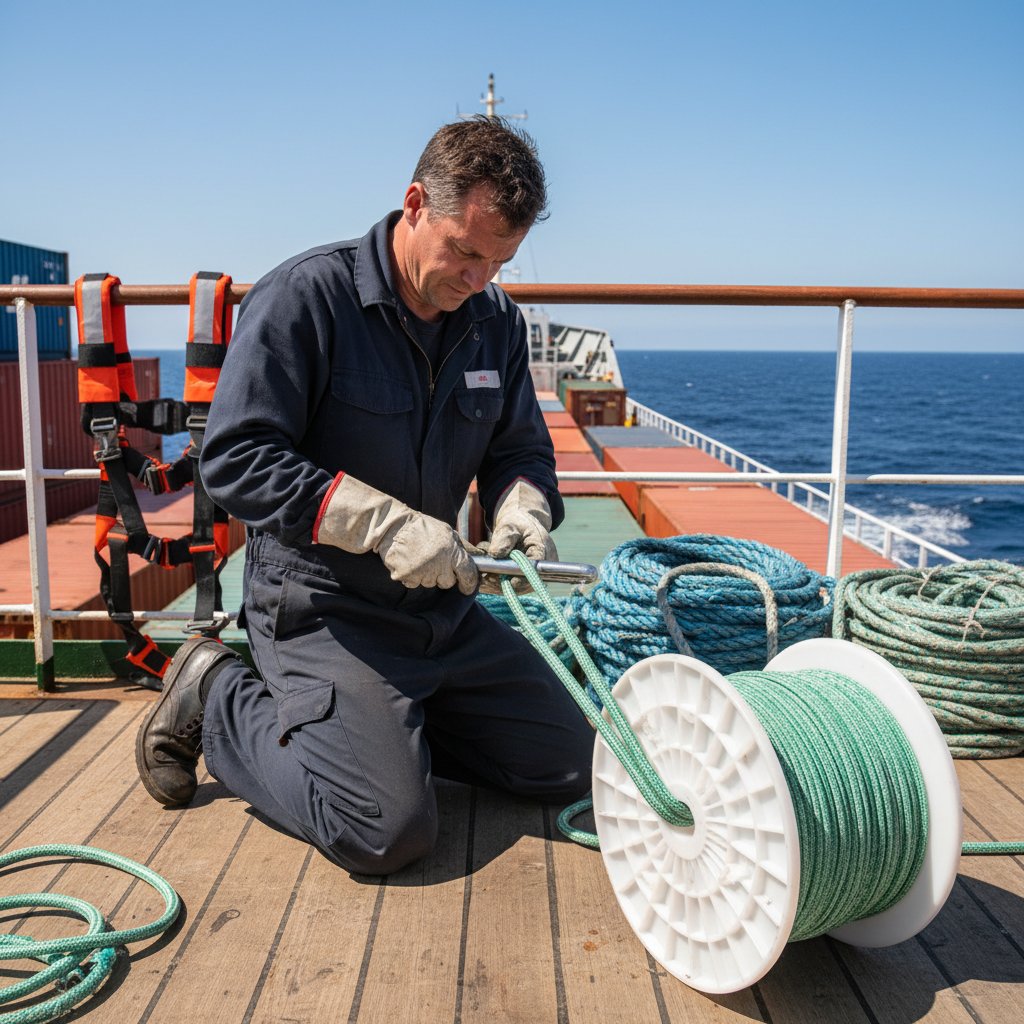
Layered on top of that are the stringent safety standards designed to keep everyone protected. ISO 9001 certification guarantees consistent quality from the manufacturing line, meaning every batch meets rigorous checks for uniformity and reliability—essential when lives and deadlines are critically on the line. Then there's the safe working load (SWL), which is the maximum weight you can safely handle under normal conditions, typically one-fifth of the rope's Minimum Breaking Strength (MBS), the precise point where it snaps under lab-tested force. For a typical deck operation, aim for an MBS of at least 50 tonnes to effectively cover dynamic stresses like sudden waves. These metrics aren't just mere numbers; they are crucial guides for how to rig a line without pushing it to its absolute critical edge.
Of course, even the best setup demands ongoing vigilance through meticulous inspection protocols. Check ropes before every major use and immediately after any high-stress event, actively looking for telltale signs of wear such as fraying at contact points or contamination from oil and grit that can stiffen fibres. Retirement criteria are critical: ropes should be retired when damage causes strength to drop below 80% of original capacity, or if cuts exceed 10% of the diameter—it’s far better to swap it out than to risk a critical break mid-lift. How often should you inspect and replace work ropes? It heavily depends on usage intensity: daily for heavy cargo shifts in harsh seas, but at minimum weekly for lighter duties, with full retirement typically after 12-18 months or much sooner if usage significantly ramps up. Regular checks catch issues early, extending service life and, most importantly, keeping your crew safe.
Inspection Signs
Spot Wear Early
Fraying
Loose or broken strands signal overload or rubbing—trace back to unprotected edges.
Contamination
Dirt or chemicals weaken grip and fibres; clean promptly to avoid hidden corrosion.
Cuts or Glazing
Surface shine from heat or nicks reduces capacity—retire if over 10% damaged.
Retirement Criteria
Know When to Replace
Usage Intensity
High-exposure ropes typically last 6-12 months; low-use up to 24 months maximum.
Strength Drop
Test if below 80% MBS; never guess with visible flaws—safety first.
Environmental Hits
UV or chemical exposure accelerates end-of-life; precisely log conditions for tracking.
These protocols not only meet essential safety standards but also build considerable confidence in every knot tied, setting the stage for ropes designed to fit your exact challenges without compromise by working with iRopes.
Overcoming Work Rope Flaws with iRopes' Custom Solutions
Those solid protocols we just covered provide teams with a strong foundation, but what if the rope itself was purpose-built from the ground up to effectively dodge the chafing pitfalls that plague off-the-shelf options? That's precisely where iRopes steps in as your go-to partner for comprehensive OEM and ODM services, meticulously crafting heavy-duty **work ropes** precisely tuned for the relentless grind of marine projects. We've dedicated years to fine-tuning this entire process in our state-of-the-art facilities, transforming vague specifications into ropes that reliably perform under real-world pressure—like the time we successfully helped a coastal builder swap generic lines for customised ones that held firm through an entire season of relentless tides and hull scrapes.
At the core of our approach lies deep customisation based on material and construction. Start with picking the precisely right blend: perhaps High-Modulus Polyethylene (HMPE) for its lightweight yet powerful punch in towing setups, or incorporate aramid layers for superior cut resistance during intricate cargo manoeuvres. Construction matters significantly too—opt for a parallel core with a tough outer jacket to lock in low stretch and high durability, or choose a braided design for enhanced flexibility in dynamic deck tasks. Our specialists will guide you through every step, ensuring the diameter hits that sweet spot for your specific loads, for example, 20 mm for balanced handling, while lengths are scaled precisely to your project's exact reach. It's not guesswork; it's meticulous engineering that precisely matches the sea's inherent unpredictability, keeping your operations steady without the unwelcome surprise breaks.
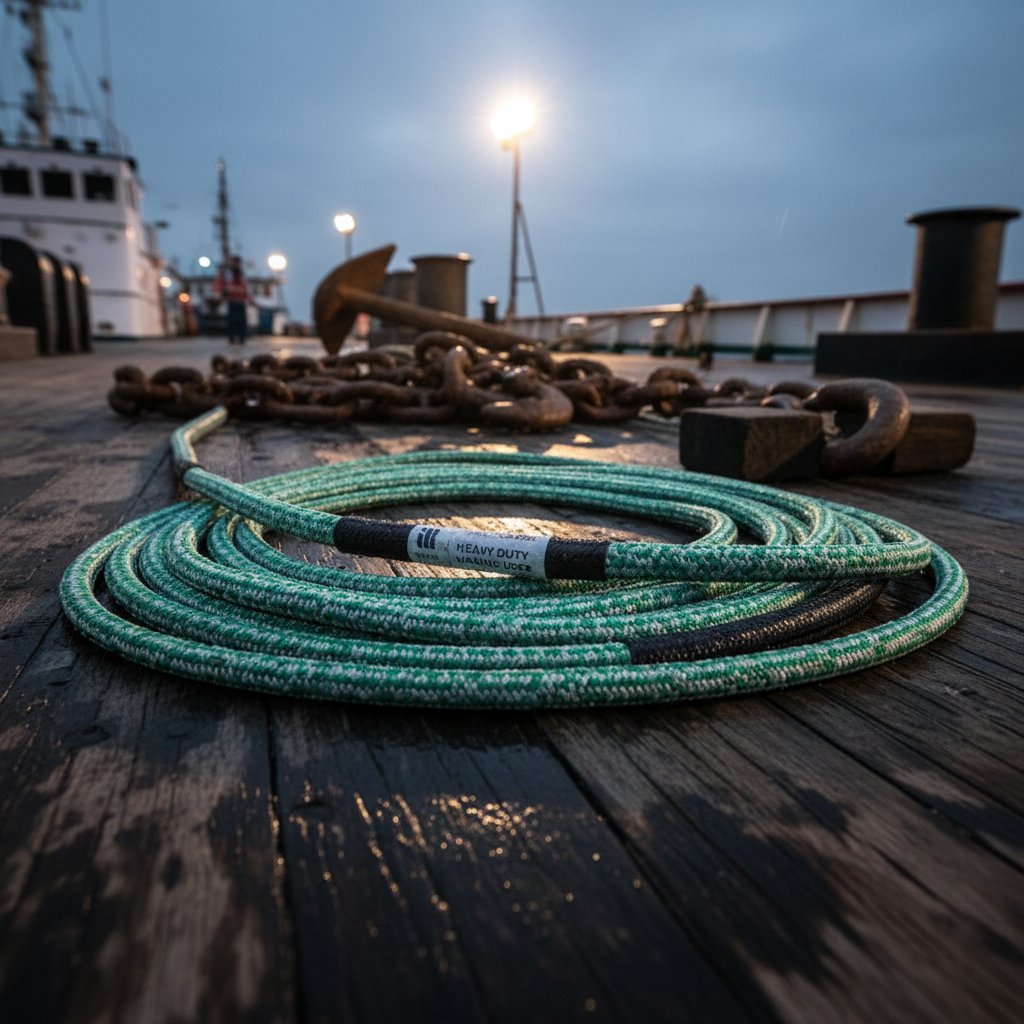
What truly sets these custom ropes apart are the ingeniously built-in features that directly tackle common flaws. Chafe protection comes via reinforced covers or seamlessly integrated sleeves that effectively fend off abrasion from metal fittings or abrasive rocky anchors, significantly extending life in harsh environments. We can also add reflective components for optimal low-light visibility during night shifts, making safety lines far easier to spot amid waves. Furthermore, compliance is paramount; every rope meticulously aligns with key standards, such as those for cargo slings, ensuring break strengths precisely suit your hauls, so you meet all critical regulations without ever needing to second-guess. Ever had a project stalled by mismatched or non-compliant gear? Our bespoke solutions diligently cut that risk by baking in these essential extras from day one.
Can a work rope be customised for your specific industrial needs? Absolutely—iRopes makes it incredibly straightforward, with full Intellectual Property (IP) protection to keep your unique designs under wraps, plus branding options like custom colours or logos expertly woven in. Whether it's glow-in-the-dark tracers for specialised spearfishing operations or robust loop terminations for quick yacht ties, we meticulously safeguard your ideas while diligently delivering ropes that fit as if they were made exclusively for you. Which, of course, they are.
To nail the right selection, run through this comprehensive buyer's checklist before committing—it highlights precisely what ensures lasting toughness and on-time arrival directly to your site.
- Match Load to MBS - Verify minimum breaking strength exceeds your maximum anticipated pull by at least five times for optimal safety margins.
- Assess Environment - Accurately factor in exposure to salt, UV, or chemicals; choose resistant materials to strictly avoid premature breakdown.
- Specify Accessories - Include essential thimbles or eyes for chafe-proof ends, meticulously tailored to your unique rigging style.
- Review Delivery Timeline - Confirm lead times precisely align with your project phases for seamless, uninterrupted integration.
- Check Certifications - Ensure ISO-backed quality and full compliance for your specific sector's stringent rules.
Armed with these tailor-made ropes, your marine ventures don't just merely survive inherent flaws—they actively thrive, paving the way for smoother, more predictable outcomes across the board.
From chafing flaws that erode **working rope** strength in marine environments to the cascading delays and significant safety risks in cargo handling and deck operations, this article underscores why subpar gear ultimately sinks projects. With proper **work rope** specifications—including 16-24 mm diameters, 50-200 m lengths, and 5-10 tonne capacities—precisely paired with effective **rope work** techniques like splicing and thimble integration, teams can significantly mitigate abrasion in heavy-duty marine labour and construction. iRopes' comprehensive custom OEM solutions, featuring advanced chafe protection and ISO 9001 compliance, ensure that ropes consistently meet stringent inspection protocols, from daily checks for fraying to crucial retirement criteria at 80% strength loss, thereby empowering reliable, branded performance.
Building on these insights, tailored guidance from iRopes can significantly optimise your setup for zero-fail operations, meticulously considering your specific loads and challenging environments.
Need Custom Work Ropes for Your Marine Projects? Get Expert Advice
If you're ready for personalised recommendations on heavy-duty ropes, rigorous safety standards, or intricate custom designs to perfectly fit your commercial needs, simply fill out the inquiry form above—our dedicated iRopes specialists are here to actively help elevate your marine and construction efficiency.