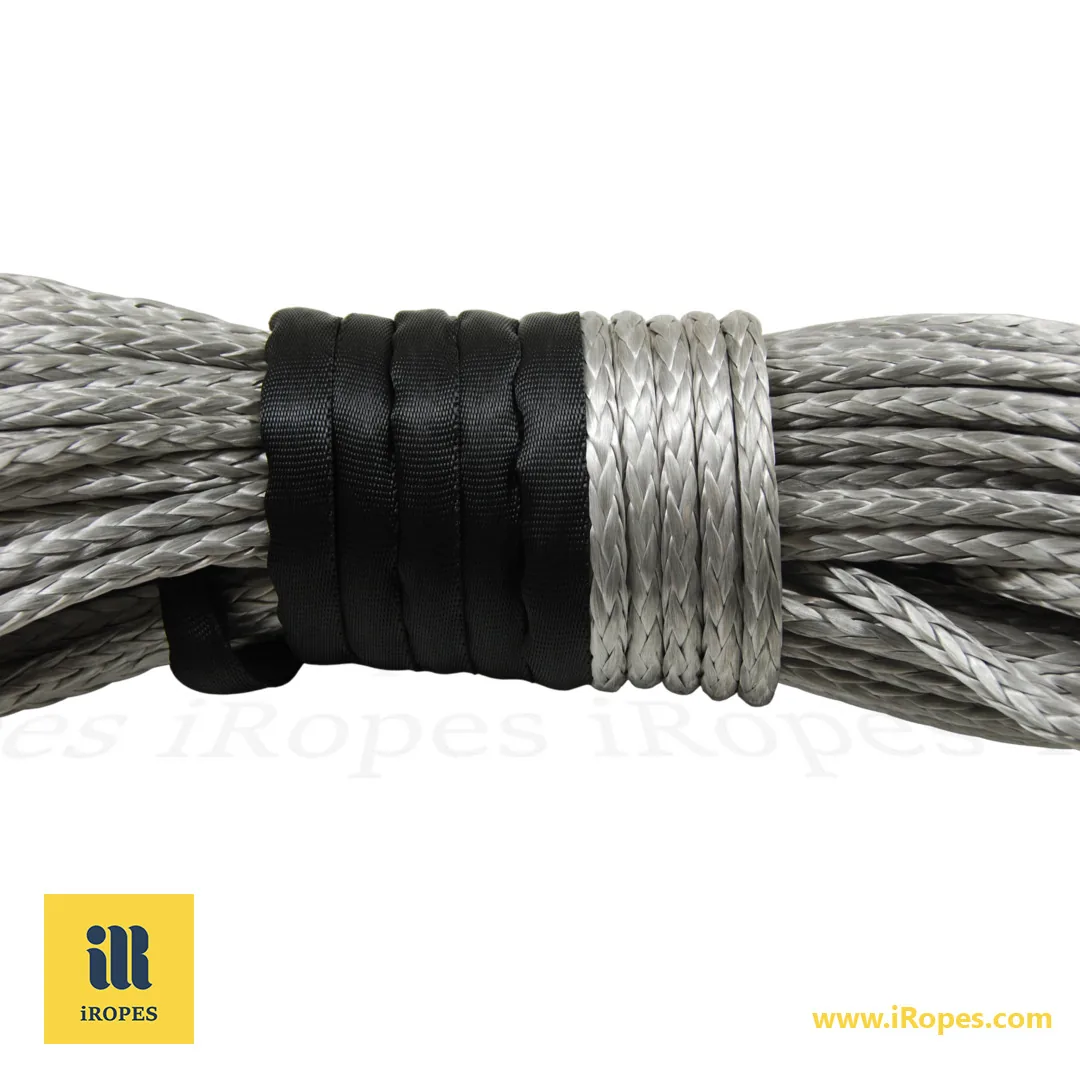
Swap any worn winch rope in a single session and improve safety by sizing and installing it correctly to meet the recommended ≥ 1.5 : 1 safety factor.
What you’ll unlock – ~8 min read
- ✓ Cut replacement downtime with precise sizing and a simple checklist.
- ✓ Save ≈ 30‑40 % weight using synthetic ropes, improving handling.
- ✓ Meet a safety factor ≥ 1.5 : 1 to reduce the risk of breakage.
- ✓ Leverage iRopes’ OEM/ODM custom branding with fast, punctual order fulfilment.
Many users wait until a hand winch rope snaps before ordering a new line, but that gamble increases risk and delays. Imagine streamlining your winch line replacement and locking in the right safety factor simply by following iRopes’ custom‑fit checklist. The guidance below covers hand winch checks, boat winch rope replacement sizing, and ATV winch rope replacement tips—so every pull is safer and smoother.
Understanding Hand Winch Rope Replacement
After learning why a fresh line matters for safety, the next step is to recognise the early warnings a hand winch gives you. A subtle fray or a hint of rust may seem harmless, but it can turn a routine pull into a dangerous snap. Experts suggest inspecting the rope before every use and swapping it out at the first sign of deterioration – the cost of a new rope is tiny compared with repairing a busted winch.

Two material families dominate the market. Steel cables deliver raw pulling power and resist abrasion, but they add weight and can corrode when exposed to moisture. Synthetic ropes—often made from UHMWPE or Dyneema—are lighter, float if dropped in water, and store far less kinetic energy when they break (≈ 50 % less), making them the safer choice for most hand‑winch applications.
“A hand winch rope that shows any sign of abrasion or rust should be swapped out before the next pull; the cost of a new line is tiny compared with a damaged winch.” – iRopes Technical Lead
To make the inspection routine quick and reliable, follow this short checklist before you start unwinding the drum.
- Fraying or broken strands – feel for any loose fibres along the length.
- Surface rust or corrosion – metal cables should be uniformly glossy, not pitted.
- Stiffness or loss of flexibility – a rope that no longer bends easily may have internal damage.
When any of these conditions appear, schedule a hand winch rope replacement immediately. Maintaining a regular inspection cadence—ideally before every outing—helps you keep a safe system that meets the recommended safety factor of ≥ 1.5 : 1. With the hand winch basics covered, we can now shift our focus to the specific sizing and material choices required for boat winch rope replacement.
Boat Winch Rope Replacement: Sizing and Material Selection
Having sorted the basics of hand winch ropes, the next logical step is to tackle the marine environment where boat winch rope replacement demands both precision and durability. A rope that’s too thin may elongate under load, while one that’s oversized can reduce drum capacity and foul the fairlead.
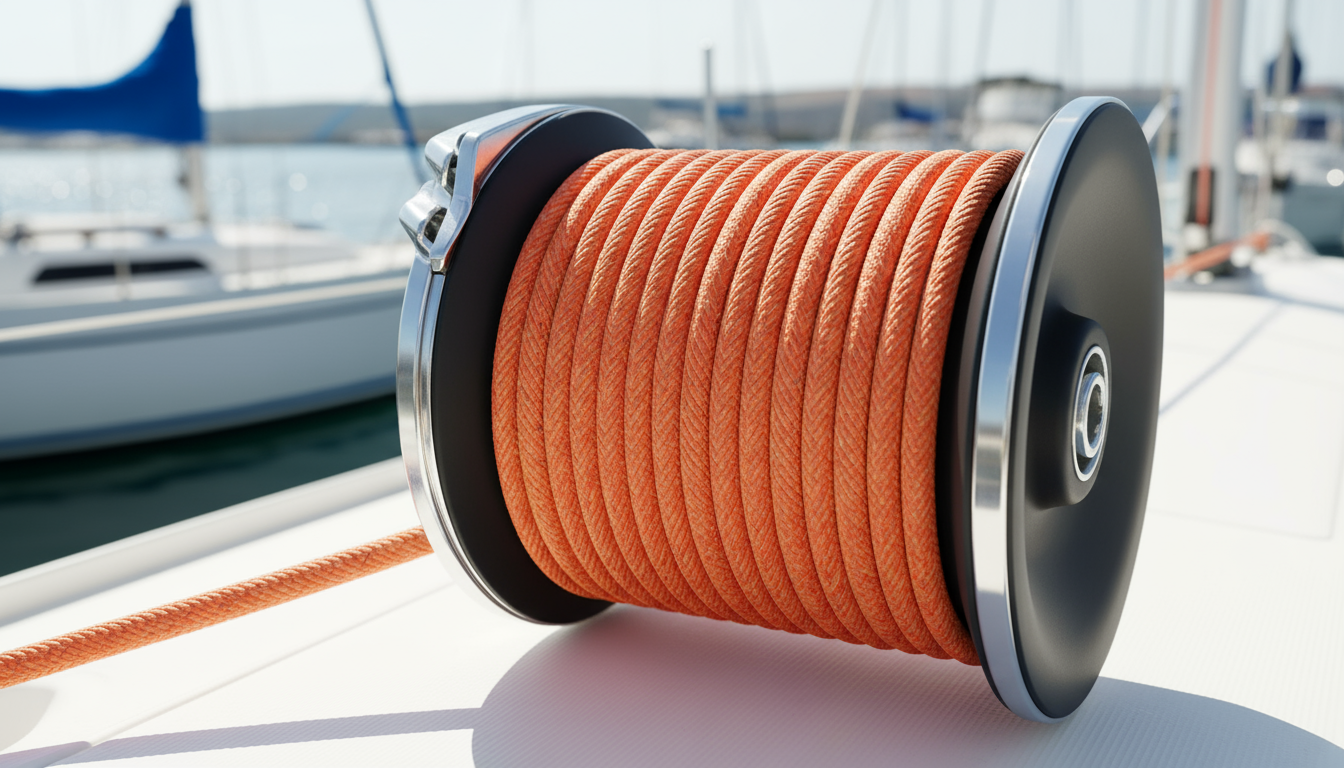
Below is a quick reference that matches common marine winch capacities with the rope diameters you’ll encounter on the market.
| Diameter | Typical Load Capacity | Recommended Winch Rating |
|---|---|---|
| 3/16" | ≈ 3 500 lb | Up to 3 500 lb |
| 1/4" | ≈ 5 000 lb | Up to 5 000 lb |
| 5/16" | ≈ 7 000 lb | Up to 7 000 lb |
| 3/8" | ≈ 12 000 lb | Up to 12 000 lb |
To translate those numbers into a safe installation, start by measuring the drum’s inner width and the existing rope’s diameter. Once you have those figures, apply a safety factor of at least 1.5 : 1 – meaning the rope’s minimum breaking strength should be 1.5 times higher than the winch’s maximum rated pull.
- Measure the drum’s groove width with a calliper; note the value in millimetres.
- Check the existing rope’s diameter; use the chart above to confirm the correct size without oversizing beyond the drum’s capacity.
- Multiply the winch’s rated pull by 1.5; verify that the chosen rope’s minimum breaking strength meets or exceeds this figure.
When it comes to material, synthetic ropes such as UHMWPE or Dyneema outperform steel in three key marine‑specific areas: UV resistance, buoyancy, and overall weight. Steel cables may corrode after repeated exposure to salt spray, while synthetic strands float if the rope slips overboard and are roughly 30–40 % lighter, making manual handling on a dock far easier.
| Material | Strength & Weight | UV & Corrosion | Safety on Break |
|---|---|---|---|
| Synthetic (UHMWPE) | High tensile strength; ≈ 30‑40 % lighter than steel | Excellent UV stability; no rust | Stores ~50 % less kinetic energy, reducing “whip” danger |
| Steel | Very strong but heavy; 1/4″ steel ropes often weigh ~6–7 lb for standard lengths | Prone to rust; needs regular coating | Releases more energy on failure, increasing injury risk |
Do you need a different fairlead for a synthetic line? In most cases, yes: use a roller‑type fairlead designed for synthetic rope to minimise friction and protect fibres, and avoid rough or sharp‑edged hawse plates that can abrade the rope.
Custom Options
iRopes can tailor every dimension – from strand count to colour‑coded jackets – ensuring your rope meets the exact load rating, visual branding, and ISO 9001 quality standards required for marine use. We also provide IP protection, custom packaging, and direct pallet shipping worldwide.
With the correct diameter selected, the material chosen, and the fairlead matched, you’re ready to move on to the broader winch line replacement workflow that will see the new rope safely seated, tensioned, and tested on the water.
Winch Line Replacement Best Practices and Safety
Now that you’ve sized the rope correctly, the real test begins: swapping the old line for a fresh one without compromising safety. Whether you’re working on a hand winch, a boat winch rope replacement, or an ATV winch rope replacement, following a disciplined procedure protects both the equipment and the operator.
- Secure the winch and release tension – engage the brake, disconnect power, and use a tension‑relief strap to keep the drum from unwinding unexpectedly.
- Remove the old rope – cut the termination cleanly, unwind the drum in the direction specified by the manual, and keep the slack rope clear of your feet and hands.
- Prepare the new line – inspect the fresh rope for any manufacturing defects, pre‑load a short section to check for kinks, and attach the appropriate termination (eye, hook or splice).
- Load the drum – feed the rope over the fairlead, align it with the drum groove, and wind it steadily in the correct direction, maintaining even tension.
- Apply final tension – run several controlled, low‑load pulls to seat the wraps evenly, then lock the brake.
- Test the system – perform a low‑load pull, observe for smooth operation, then repeat at increasing loads up to the winch’s rating.
During the test you’ll often be asked, “How do I calculate the safety factor?” Use this rule of thumb: Minimum Breaking Strength ≥ Winch Rated Line Pull × 1.5. If your winch is rated at 4 000 lb, choose a rope with at least 6 000 lb minimum breaking strength.
Wear protective gloves, safety glasses, and steel‑toe boots. Never work alone, and always double‑check that the brake is fully engaged before cutting or unwinding the rope. Common mistakes include skipping the tension‑relief strap, using the wrong termination type, and neglecting a final load test.
Splicing a synthetic rope can feel intimidating, but proven methods like a locked Brummel or long‑bury splice deliver reliable results when done to the rope maker’s instructions. If you prefer a permanent metal eye, a proper thimble with a rated crimp or swage fitting provides a clean, load‑rated termination.
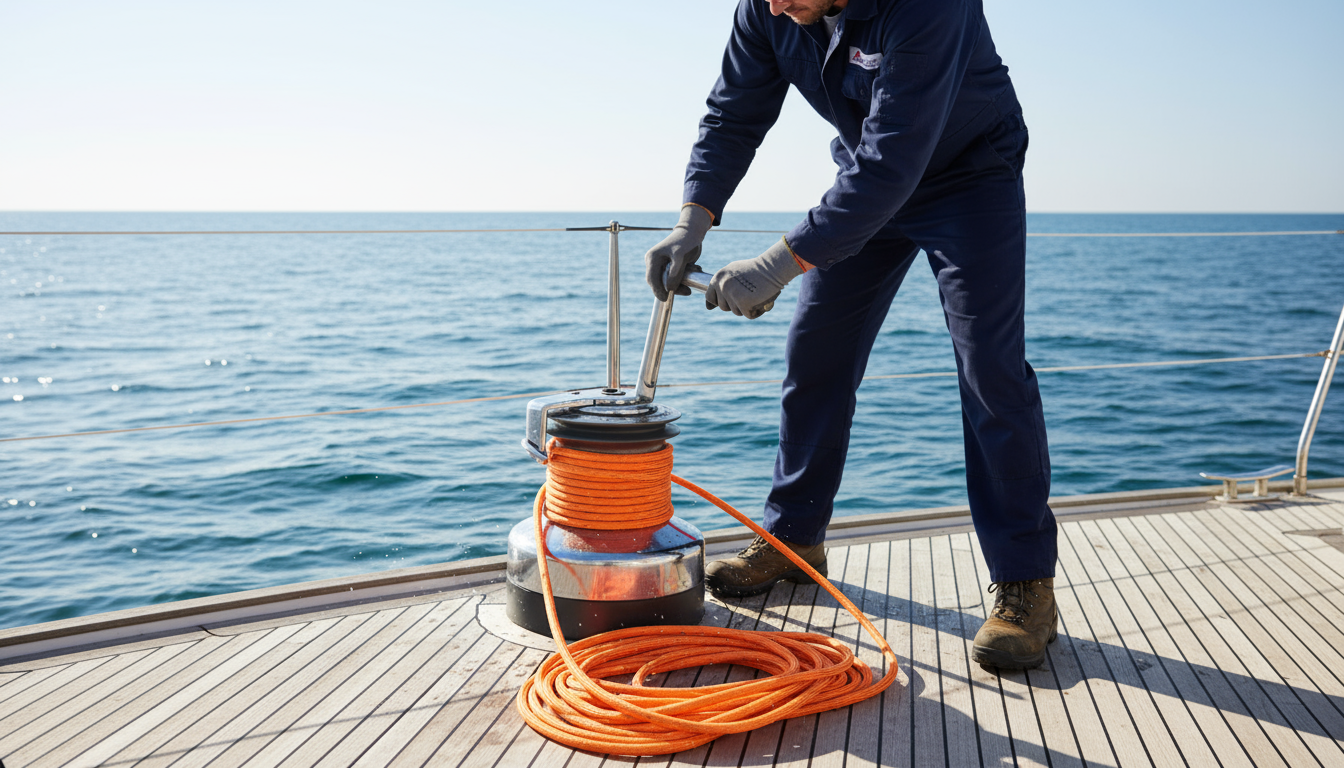
By treating each step as a checklist and never skipping the safety gear, you minimise the chance of a snapped rope or personal injury. Once the new line is verified, you’re ready to tackle the specific challenges of ATV winch rope replacement.
ATV Winch Rope Replacement: Installation and Customization
With the new line tested and the winch secured, the next task is swapping in the fresh rope on your ATV. Whether you’re prepping for a weekend trail or fitting a dealer‑spec unit, a methodical approach saves time and prevents costly mistakes.
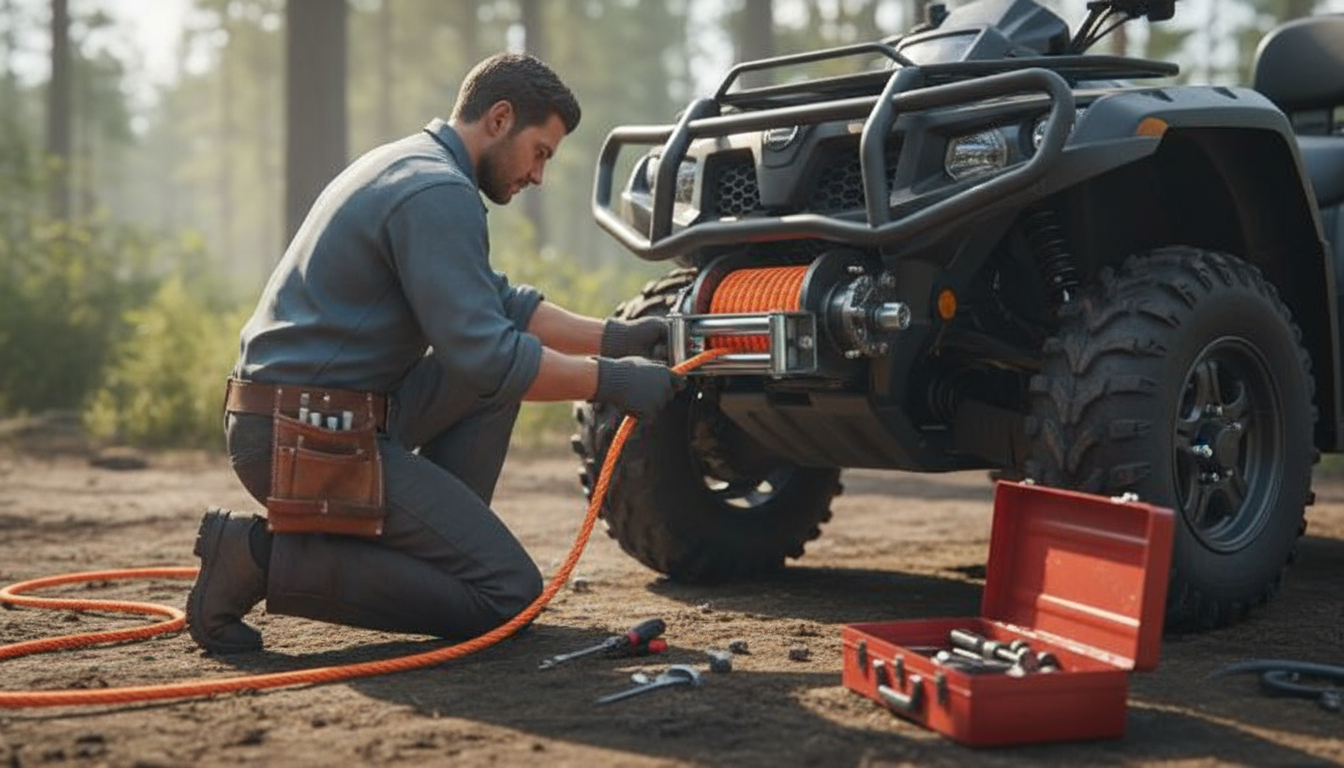
Checklist
Verify drum size, match rope diameter, confirm a safety factor of at least 1.5 : 1 before starting the swap.
Safety
Wear gloves, lock the winch brake, and use a tension‑relief strap to prevent sudden unwinding.
Fairlead
Roller fairleads designed for synthetic ropes work well; ensure all contact surfaces are smooth and free of burrs.
Accessories
Select thimbles, hooks or eye splices that match the rope’s core and load rating.
Custom Build
Tailor‑made for ATV use
Colour
Choose bright hues or colour‑coded bands for quick identification on the trail.
Core
Select parallel‑core or fibre‑core constructions to balance strength and flexibility.
Brand
Add your logo or fleet markings directly to the jacket for a professional appearance.
Care Guide
Keep rope performing longer
Inspect
Check for abrasions, UV fading, or broken strands after every off‑road session.
Clean
Rinse with fresh water, wipe dry, and apply a UV‑protectant spray annually.
Store
Coil loosely in a breathable bag away from direct sun to avoid compression damage.
During the winch line replacement process, keep the drum’s groove clean and feed the new rope evenly; a smooth lay prevents premature wear. By following the checklist, choosing the right fairlead, and leveraging iRopes’ custom colour or branding options, your ATV will be ready for the next adventure – and the rope will stay reliable until the next scheduled inspection.
Ready for a custom winch rope solution?
By now you’ve learned how to spot wear on a hand winch, size the rope for boat winch rope replacement, follow safe winch line replacement procedures, and apply custom tweaks for ATV winch rope replacement. iRopes is a specialist manufacturer offering OEM/ODM services with thousands of styles, material choices, colour‑coding, and branding options. Whether you need a synthetic marine line or a high‑visibility ATV rope, our experts will design, manufacture and ship a solution that meets your safety factor and performance needs, with ISO 9001 quality assurance and dedicated IP protection.
If you’d like personalised advice or a quote tailored to your specific winch application, simply fill out the form above and our rope specialists will get in touch.