3‑strand hemp rope typically delivers 15–30% higher tensile strength than cotton‑hemp blends. Apply a 15–25% safety factor for working load, while pricing usually sits only about 5–10% higher per foot.
What you’ll gain – 12‑minute read
- ✓ Clear load‑capacity guidance by diameter, so you can size rope without guesswork.
- ✓ A concise comparison that explains strength, stretch and cost differences.
- ✓ Proven checklist for selecting OEM/ODM manufacturers, including iRopes’ IP‑protected workflow.
- ✓ An overview of environmental benefits and how hemp’s biobased content reduces footprint.
Most readers assume the softer cotton‑hemp blend wins on versatility, yet the data flips that belief – 3 strand hemp rope often outperforms it by 15–30% in tensile strength while staying within a 5–10% cost gap. This guide unpacks the key metrics, shows why the stronger line can lower total cost of ownership, and explains how iRopes’ custom OEM process turns those numbers into a ready‑to‑order solution.
Understanding 3 strand hemp rope
After exploring the surge in natural‑fibre demand, it’s time to look closely at the construction that makes 3 strand hemp rope a favourite among demanding users.
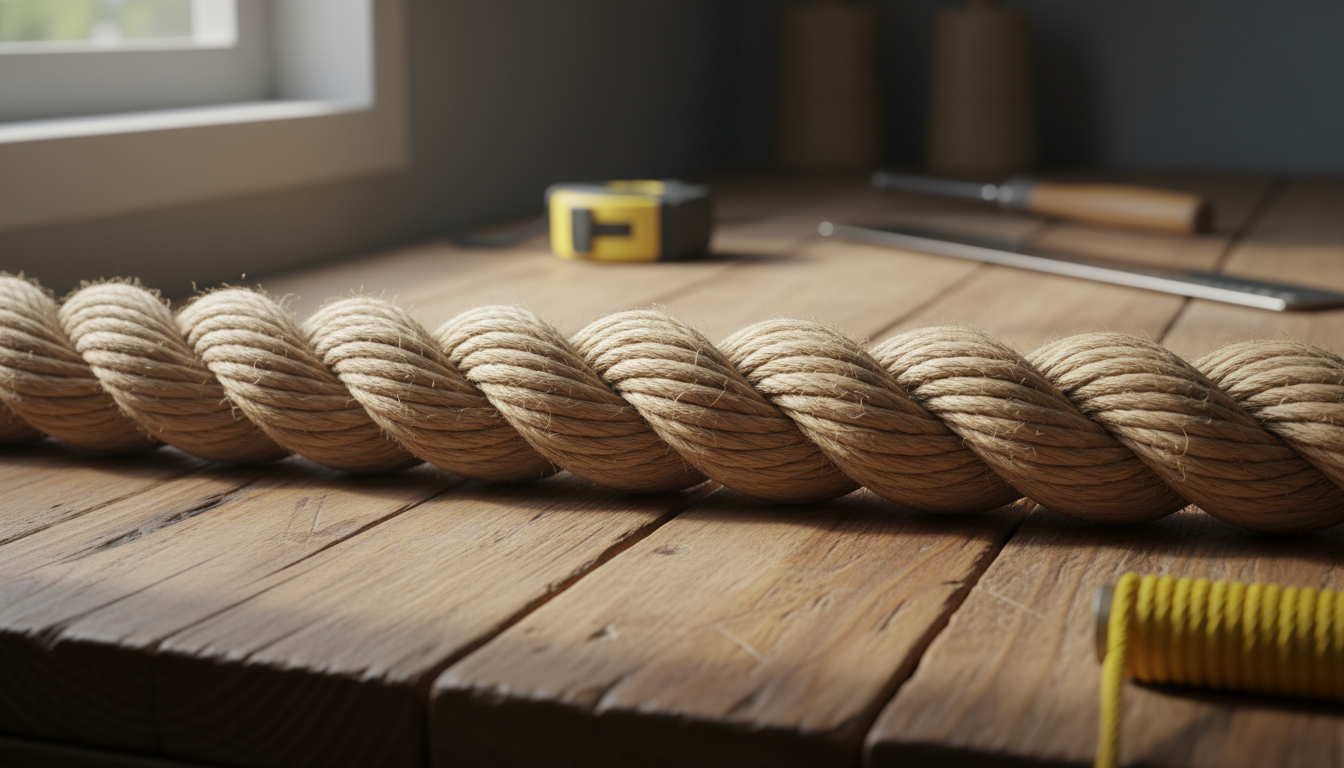
3 strand hemp rope is a classic laid rope: three strands are tightly twisted together to align fibres and transmit load efficiently. This simple construction delivers reliable strength, straightforward splicing, and good handling without requiring a separate core or complex braiding.
When you ask “what is the load rating of 3 strand hemp rope?”, the answer hinges on diameter and safety factor. As a rule of thumb, tensile strength rises by roughly 150 lb with each 1/8‑inch increase in diameter, with many 1‑inch lines around 1,800 lb tensile. The working load limit is typically 15–25% of tensile strength; for example, a 1/2‑inch rope might have ≈ 1,200 lb tensile and a safe working load of 180–300 lb. Always confirm the manufacturer’s WLL for your specific product.
“The three‑strand design gives hemp rope the rare combination of high static strength and low stretch, which is why it’s trusted for short‑term rigging and utility lines in rugged conditions.” – Senior Rope Engineer, iRopes
- Off‑road durability – the tight lay resists abrasion from rocks and sharp edges, making it ideal for lashing, tie‑downs and gear hauling.
- Marine resilience – when tarred or UV‑coated, the rope tolerates salt spray and sunlight far better than untreated fibres.
- Industrial reliability – low elongation under load provides consistent tension for lifting, anchoring, and safety‑line applications.
Understanding these construction basics, load capacities, and key benefits sets the stage for the next comparison: how cotton hemp rope’s blend changes performance and which scenarios call for a softer, more dye‑friendly line.
Comparing cotton hemp rope
Now that you’ve seen how the three‑strand construction delivers strength, let’s look at the next family in the line‑up – cotton hemp rope. This hybrid blends natural hemp fibres with cotton to create a line that feels softer in the hand while still offering many of hemp’s durability benefits.

Typical blend ratios range from 70% hemp / 30% cotton to an even 50% split. The higher the hemp proportion, the stronger the line; the more cotton you add, the softer the feel and the easier it is to dye. This is why you’ll often see cotton hemp rope marketed for macramé, pet accessories, and indoor décor where a gentle touch matters as much as load‑bearing capacity.
Blend Ratio
Common mixes are 70% hemp / 30% cotton or 50/50, balancing strength and softness.
Softness & Dye
Cotton adds a silky feel and improves colour uptake, allowing vibrant hues without sacrificing durability.
Pure Cotton
All‑cotton rope is softer but has lower tensile strength and higher stretch, limiting load capacity.
Eco‑Impact
Cotton requires more water than hemp, so a cotton‑hemp blend reduces the overall environmental footprint compared with pure cotton.
When you compare performance, cotton hemp rope stretches a bit more than pure hemp – roughly 7–10% elongation versus 3–5% for 100% hemp. Tensile strength drops by about 15% at a 50/50 blend. For illustration, if a 1/2‑inch pure hemp rope is ≈ 1,200 lb tensile, its safe working load at 20% is around 240 lb; a 50/50 blend would reduce that figure by about 15%.
Cost is another factor you’ll notice. Because cotton is cheaper to process, a blended rope typically costs 5–10% less per foot than a fully hemp line of the same diameter. The savings become more pronounced at larger quantities, making cotton hemp rope an attractive middle ground for businesses that need both sustainability and a competitive price point.
With these material differences clarified, you’re ready to move on to the next step: evaluating which hemp rope manufacturers can deliver the exact blend, finish, and branding you require.
Evaluating hemp rope manufacturers
Now that you understand how hemp and cotton blends behave, the next decision is finding a partner who can turn those specifications into a reliable product line.
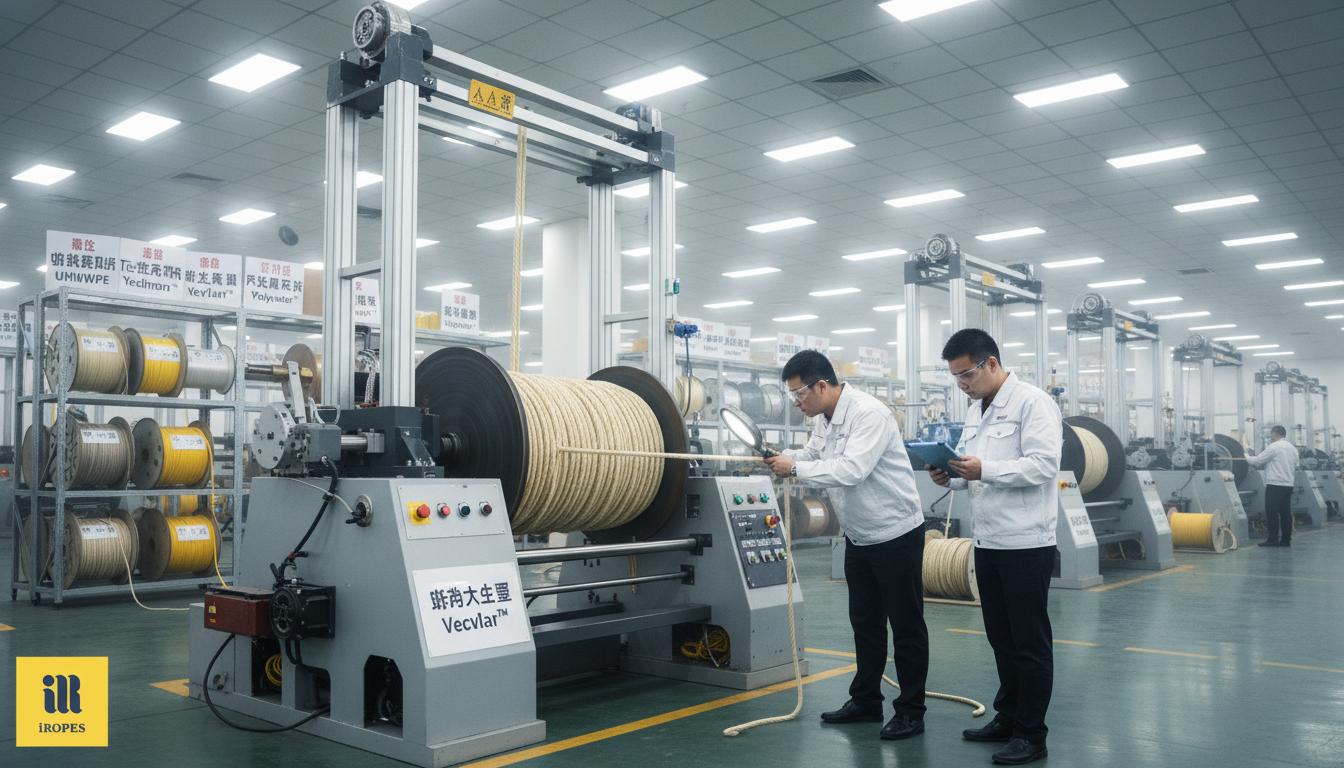
When you start comparing suppliers, focus on four practical checkpoints that separate a trustworthy source from a gamble.
- ISO 9001 certification – guarantees a documented quality‑management system and consistent batch testing.
- IP protection and NDA policies – ensure your proprietary blend, colour, or branding stays exclusive.
- OEM/ODM capability and production capacity – check whether the factory can handle low‑volume prototypes and scale to bulk orders without compromising lead‑time.
- Lead‑time and logistics reliability – confirm realistic delivery windows, export experience, and worldwide shipping options.
Answering common questions can speed up your shortlist. If you wonder where to buy bulk hemp rope in the US, look for manufacturers with a local distribution hub or a partner warehouse; this cuts shipping time and lowers freight costs. As for what certifications to look for when buying hemp rope, besides ISO 9001 you’ll want USDA‑Biobased verification and compliance with the American Rope & Cordage Institute standards – they signal both sustainability and safety.
iRopes Spotlight
As a leading rope maker in China, iRopes focuses on creating ropes from strong synthetic fibres like UHMWPE, Technora™, Kevlar™, Vectran™, polyamide and polyester, and pairs that expertise with natural‑fibre options. Their OEM/ODM service lets you choose fibre ratios, colourways and branding, while ISO 9001 quality assurance, strict IP safeguards, custom non‑branded or customer‑branded packaging and direct pallet shipping worldwide keep your project on spec and on schedule.
With a clear checklist and a supplier that ticks every box, you can move forward confidently, knowing the rope you receive will match the performance data you examined earlier and arrive ready for your branding or bulk‑order needs.
Need a personalised hemp rope solution?
You've learned how the robust construction of 3 strand hemp rope delivers high static strength and low stretch, while cotton hemp rope adds softness, dyeability and cost‑efficiency for lighter‑load applications. Selecting a partner that meets ISO 9001, offers IP protection and provides full OEM/ODM capability turns those specifications into reliable products. As a leading rope maker in China, iRopes focuses on creating ropes from strong synthetic fibres like UHMWPE, Technora™, Kevlar™, Vectran™, polyamide and polyester alongside comprehensive hemp customisation, making it a top choice among hemp rope manufacturers.
For tailored advice on the ideal blend, diameter, branding or bulk ordering, simply complete the form above and our specialists will reach out to help you bring your project to life.