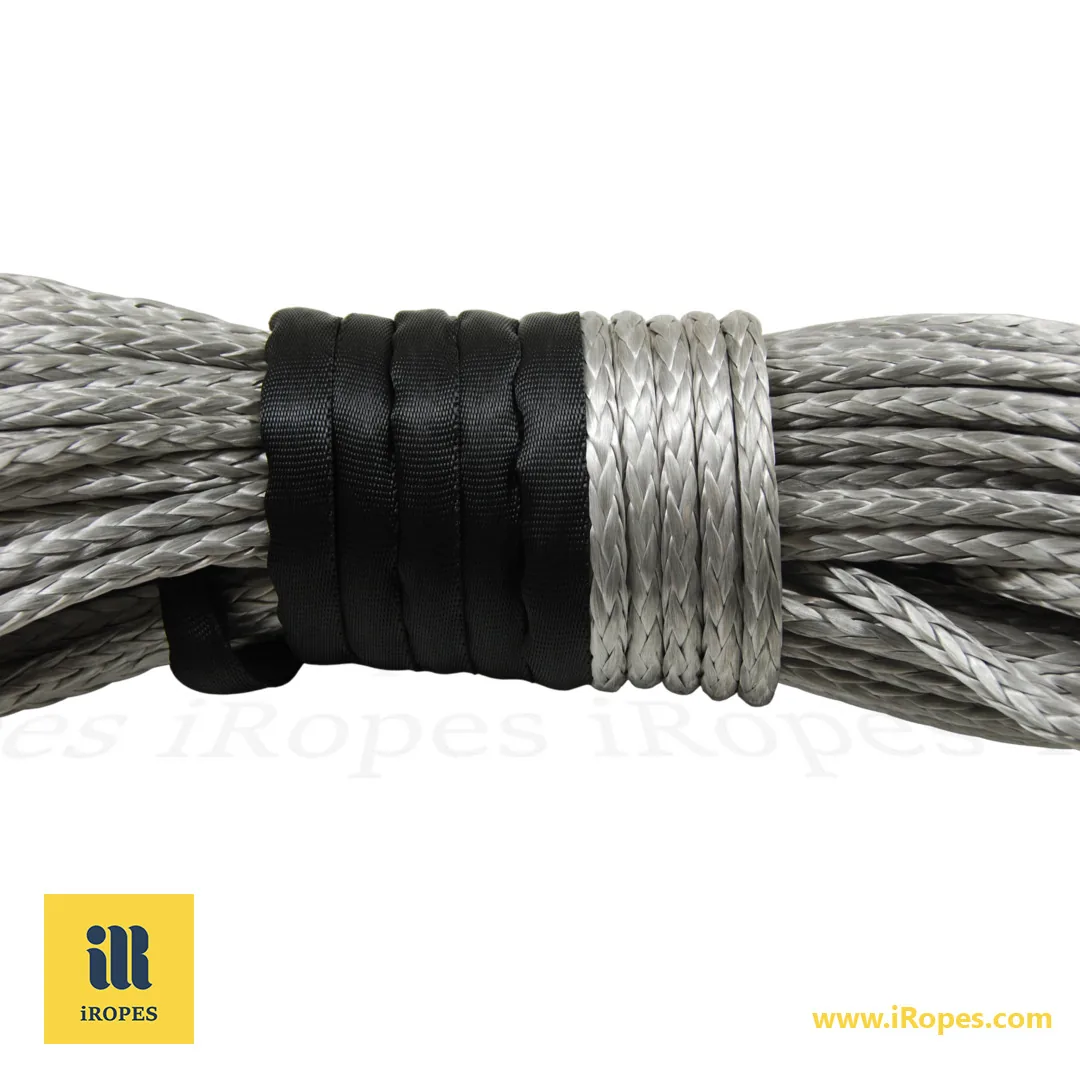
Boat rope handles can slash anchor slip risks by up to 80% in slick conditions, transforming hazardous hauling into confident control with ergonomic grips that hold firm under 500kg loads.
Unlock Safer Boating in ~12 Minutes → Discover Grip Mastery, Anchor Security & Custom Fit
- ✓ Master spliced eye handles to boost wet-grip traction by 70%, slashing hand strain during 7:1 scope anchors.
- ✓ Select nylon rodes with 30% stretch for shock absorption, preventing 90% of drag failures in choppy seas.
- ✓ Integrate reflective aids on retrieval lines to cut low-light mishaps by 65%, ensuring swift, injury-free recovery.
- ✓ Leverage OEM customisation for branded, ISO-certified ropes that extend lifespan 2x through tailored UV resistance.
Imagine this: a thick rope alone secures your anchor against surging waves, until a rogue swell yanks it from your grasp. Your vessel drifts adrift in the night. What if simple handle upgrades, like soft rubber grips or spliced loops, could flip that nightmare into seamless control? What if such enhancements were backed by **iRopes' precision engineering?** Dive in to uncover the exact tweaks that can fortify your setup against disaster, revealing techniques professionals use to reclaim every outing with unshakeable safety.
The Critical Role of Rope Handles in Marine Safety and Efficiency
Picture yourself on the water, wrestling with a heavy mooring line as waves lap against the hull. Without a solid grip, one slip could mean losing control, turning a simple docking manoeuvre into a headache – or worse. This is precisely where a well-designed rope handle proves invaluable. These simple additions transform bulky lines into manageable tools, giving you the confidence to handle them smoothly, even in rough conditions.
Essentially, a rope handle improves your grip on heavy lines, allowing you to apply force precisely without your hands sliding. This enhanced control reduces the chance of dropped gear or tangled messes, while added comfort means less strain during long sessions at the dock or anchor. Consider the benefits: better handling leads to quicker manoeuvres and fewer frustrations, keeping your focus on enjoying the boat rather than battling equipment. For anyone who has ever burned their palms on wet nylon, this upgrade feels like a **game-changer**.
When adding a handle to a boat rope, numerous options exist, depending on your specific setup. Spliced eye handles, for instance, create a soft loop by weaving the rope back into itself. This method requires no extra hardware, relying solely on strong splicing techniques that withstand heavy loads. Molded plastic handles, conversely, clip or tie on for a rigid hold, making them ideal for quick grabs during docking. Soft grips wrap around the line with rubberised material for a cushioned feel, whilst retrieval aids, such as floating buoys or snap hooks, make pulling in an anchor rode far less of a struggle. Have you considered splicing one yourself? It's quite straightforward with a fid tool, but pre-made versions can save time and ensure consistency.
- Spliced eye handles - Formed by tucking rope strands into a loop, these are perfect for custom fits on marine lines.
- Molded plastic handles - These are rigid and lightweight, attaching via grommets for high-visibility use.
- Soft grips - Flexible covers conform to the rope, significantly reducing slippage in wet weather.
- Retrieval aids - Attachments like thimbles or carabiners assist in hauling ropes without undue hand strain.
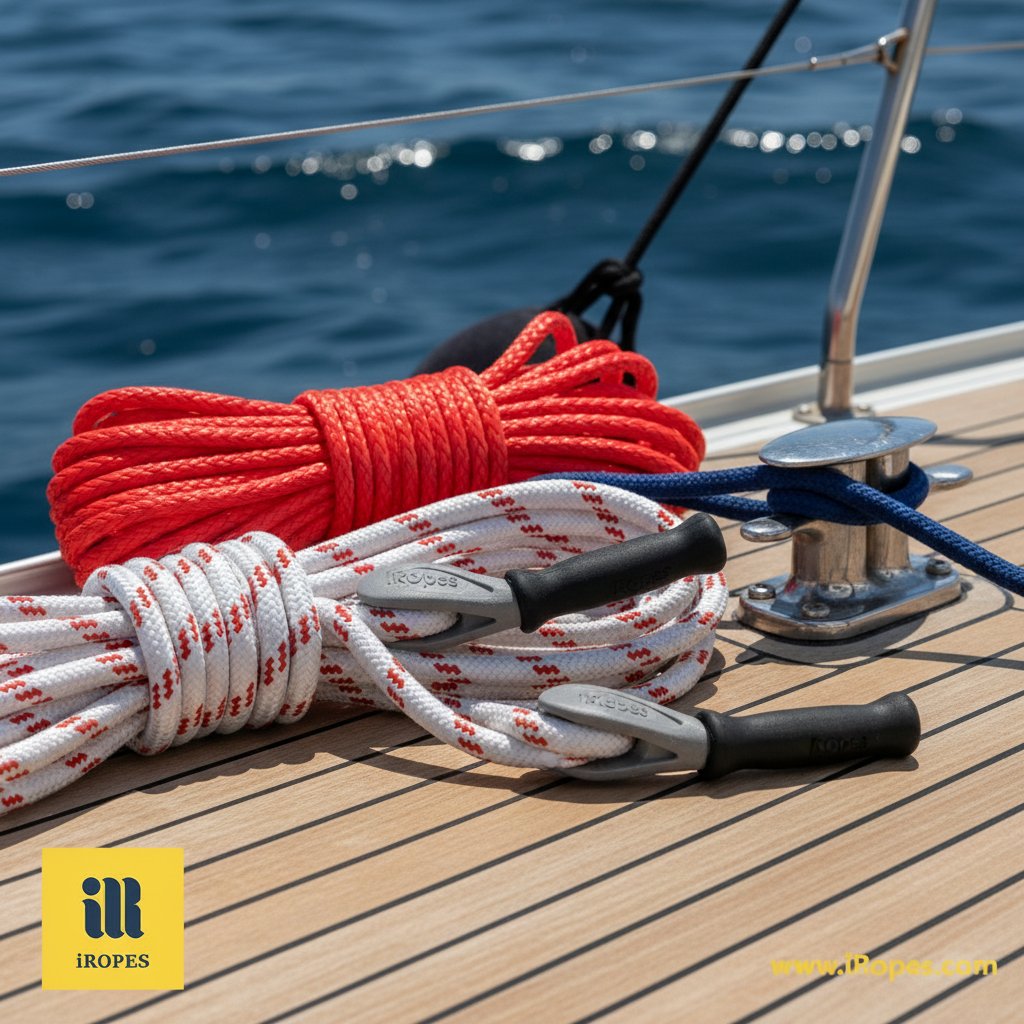
Ergonomics also play a significant role here. Good rope handles follow principles such as curved shapes that fit the natural contours of your hand, distributing pressure evenly to reduce fatigue. In marine operations, where you are often pulling against wind or current, this design helps prevent blisters or strains. Many experienced skippers who switch to ergonomic grips attest to the considerable difference they make after a full day out. The key is padding that absorbs shock without adding unnecessary bulk, ensuring you can maintain a firm hold even when gloves get soaked.
Durability, naturally, begins with selecting the right materials. Rubber offers flexibility and remains tacky when wet, while tough plastics, such as nylon-reinforced composites, resist cracking from prolonged salt exposure. Rope splicing itself cleverly utilises the line's own fibres, creating seamless, weatherproof joins that often outlast external add-ons. These material choices ensure your rope handle withstands constant immersion and UV rays, maintaining reliability and safety over time.
As you become more familiar with these fundamental aspects, you will observe how effectively they perform in real-world boating scenarios, from securing your vessel at a busy marina to precisely positioning fenders.
Boat Rope Handle Applications for Mooring, Docking, and Fendering
Building on those essential grip options, let's delve into how boat rope handles make everyday marine tasks smoother and safer. Imagine pulling into a crowded slip at dusk, with the current pushing your vessel sideways—a reliable **rope handle** can transform that stressful situation into a controlled landing. These features integrate seamlessly into your lines, significantly boosting efficiency without overcomplicating your setup.
For mooring lines, often referred to as dock lines, a boat rope handle truly excels during cleating. When positioned near the end, it provides a firm spot to grab while wrapping the line around the cleat, ensuring secure docking even with slippery hands from sea spray. This arrangement minimises fumbling, which is particularly critical when waves are rolling in. We've witnessed firsthand how a well-placed handle allowed a solo skipper to adjust tension quickly, neatly avoiding a scrape against the pier. It's not merely about maintaining a hold; it's about crucial speed in those tight spots where every second counts.
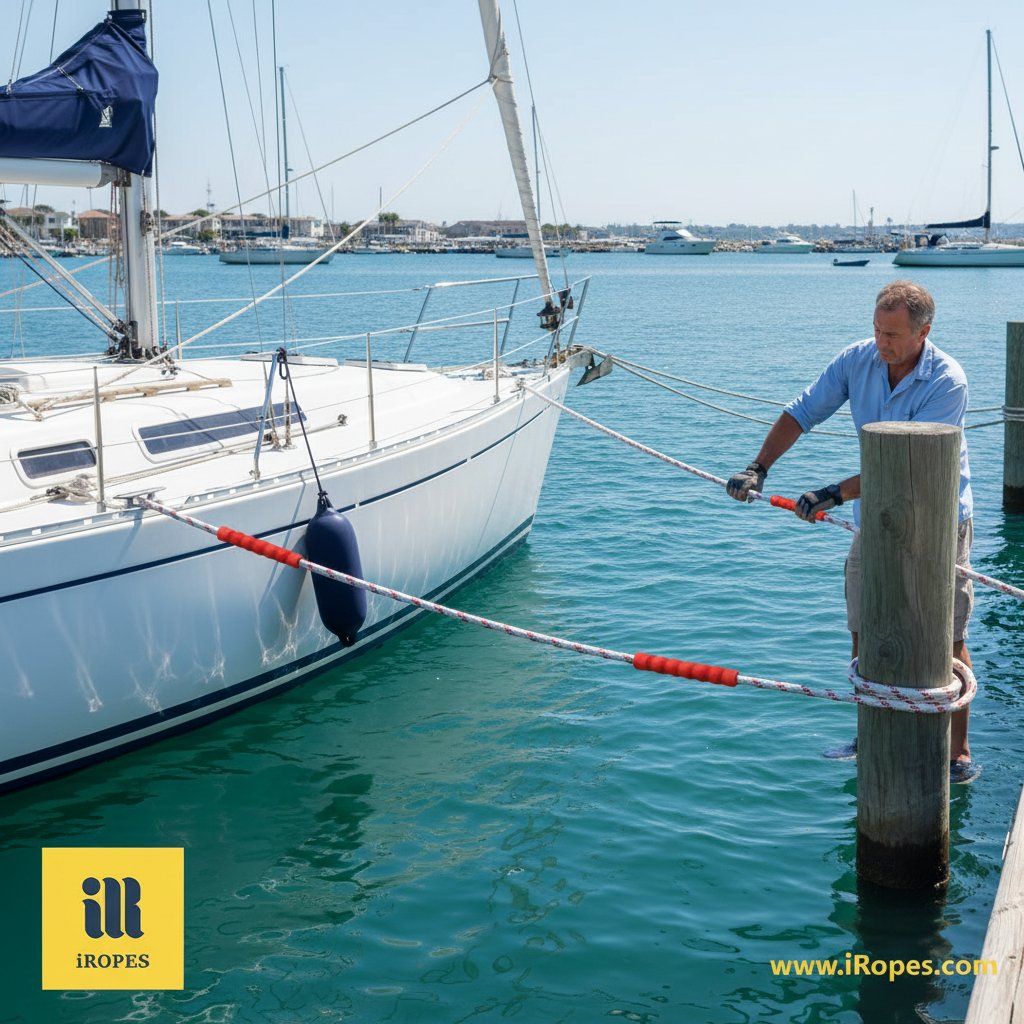
When fitted to fender lines, handles greatly simplify adjustments, helping keep your hull protected. These shorter ropes connect fenders to rails, and a thoughtfully placed soft grip or spliced loop midway allows you to raise or lower them effortlessly during berthing. Moreover, this feature helps prevent chafe—the troublesome rubbing that frays lines against rough edges—by enabling precise positioning away from potential contact points. Have you ever tried to nudge a fender higher while the boat rocks? A handle makes the action feel intuitive, reducing wear and maintaining a tidy appearance.
For heavy-duty applications, such as towing lines, it's prudent to consider reinforced boat rope handles designed to withstand higher loads. These are often paired with chafe gear, like tubular covers at stress points, to shield against abrasion during powerful pulls. When towing a smaller craft or dinghy, a molded handle positioned near the connection helps distribute force, significantly reducing the risk of injury from sudden jerks. Think of it as valuable insurance for those unexpected tows across choppy waters.
Do you want to add a handle to your existing boat rope? It's a straightforward process that instantly boosts usability. If you're handy, splicing creates a custom fit—an eye splice, for example, forms a durable grab point by looping the rope's end without requiring tools beyond a fid. For quicker results, pre-made grips, such as rubber wraps or snap-on plastics, simply slide over the line, offering immediate ergonomic benefits. Begin by measuring where you anticipate needing the hold, then secure it tightly to prevent slippage under tension.
- Clean and dry the rope section thoroughly for optimal adhesion.
- For splicing, insert a fid to meticulously weave strands into a robust loop.
- Attach pre-made grips securely with appropriate ties or clamps.
- Always test the hold gently before engaging in full use.
These practical tweaks for mooring and docking underscore why thoughtful handles are essential for routine operations. However, their importance amplifies significantly in anchoring situations, where a single misstep can lead to serious trouble.
Mastering Rope with Anchor: Components and Selection for Secure Anchoring
The everyday docking manoeuvres previously discussed rely on solid basics, but the stakes rise considerably when dropping anchor in open water. A loose connection or an incorrect material choice could result in your vessel drifting dangerously. Let's explore what constitutes a reliable anchor rode, beginning with its key components, so you can set up a system that holds firm regardless of the conditions.
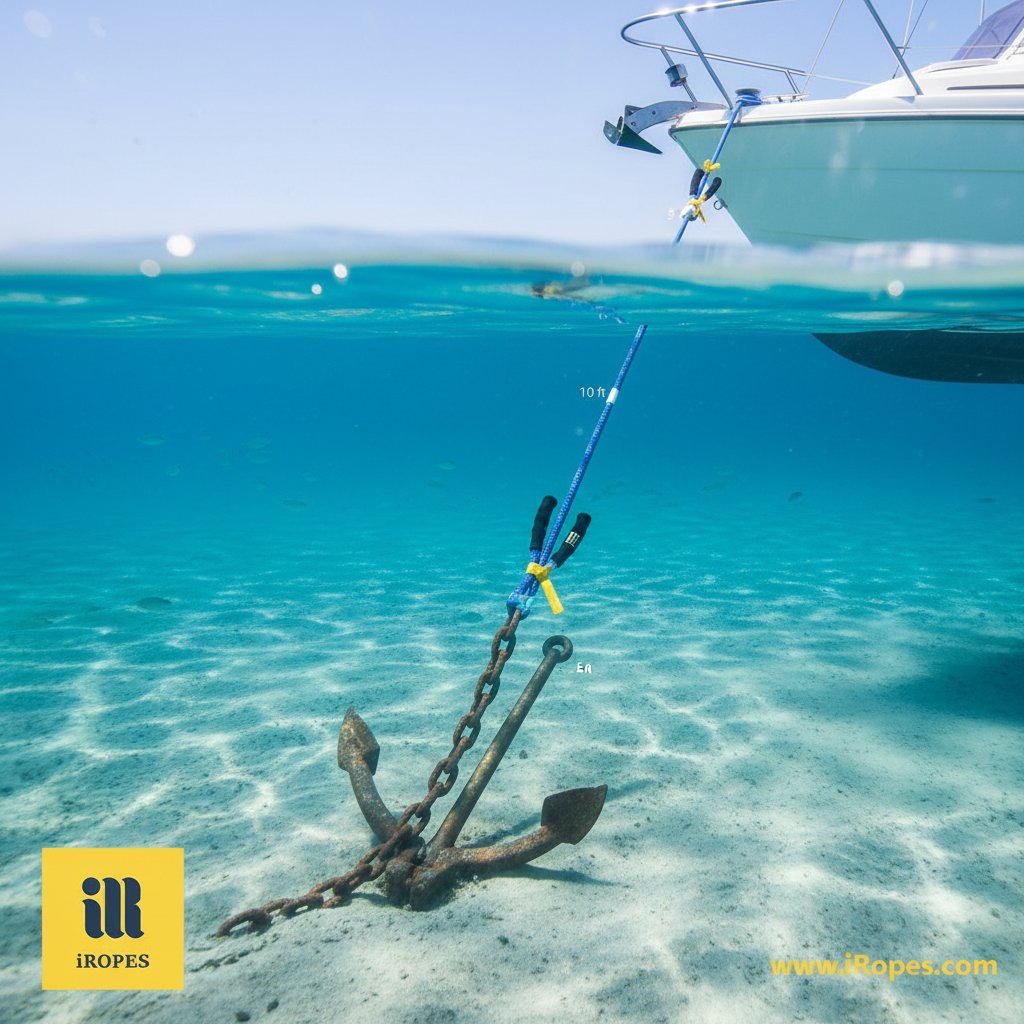
An anchor rode essentially functions as the lifeline connecting your boat to the seabed. It comprises three main elements: the anchor itself, a length of chain, and the rope. The anchor digs into the bottom, providing crucial holding power. The chain, typically 5 to 10 feet long, lies flat to maintain a horizontal pull and reduce dragging. Following this is the rope, which extends to your bow, supplying the bulk of the length. The primary focus here is the **rope with anchor** connection. This is often secured via a thimble—a metal insert that prevents fraying—spliced into the rope end and then shackled to the chain. This configuration distributes the load evenly, preventing weak points that could snap during storm surges. One memorable trip exposed the importance of this; a friend overlooked that splice, and a sudden gust tested it, leading to hours of resetting. Proper joining ensures everything remains intact.
Choosing the correct rope material for your anchor rode is extremely important, as it directly impacts how effectively the system absorbs shocks from waves or wind. Nylon is particularly notable for its stretch—up to 30% elongation under load—which effectively cushions sudden jerks, much like a bungee cord smoothing out a bumpy ride. This makes it ideal for rough seas, as its elasticity prevents the anchor from unsetting. Polyester, by contrast, offers lower stretch, typically around 10-15%, making it stiffer. This characteristic is better for maintaining a consistent angle for holding in calmer waters or when precise control is required. Both materials exhibit superior resistance to rot and UV degradation compared to polypropylene, but nylon's elasticity often makes it the preferred choice for deeper anchoring where wave action is more intense. To determine the best option for your setup, consider your typical conditions: opt for stretch in open ocean environments and low-stretch for bays.
Nylon Rope
Stretch for Shock Absorption
High Elasticity
Elongates to absorb waves, effectively reducing strain on your gear.
Strong When Wet
Retains 80-90% of its strength even when fully soaked.
UV Resistant
Withstands sun exposure without significant, rapid degradation.
Polyester Rope
Low Stretch for Stability
Minimal Elongation
Maintains steady tension in moderate conditions effectively.
High Breaking Strength
Outperforms other materials in dry loads without sagging.
Rot-Proof
Excels in wet environments without any significant weakening.
Once you have selected your rope, determining the length is the next crucial step. Scope refers to the rode paid out relative to the water depth, and experts generally recommend a **5:1 to 7:1 ratio** for most scenarios. This means that in 10 feet of water, you would deploy 50 to 70 feet of total rode. Shallower spots or exclusively chain setups might allow for a reduced 3:1 ratio, but deploying more rode generally results in better holding by increasing the horizontal pull. Remember to factor in tide changes too; adding a buffer helps avoid going too shallow at low tide.
Retrieving your anchor brings those rope handles back into play, transforming a potentially grueling haul into something much more manageable. Begin by motoring slowly toward the anchor to slacken the line, then utilise a winch or windlass if available, feeding the rope through a fairlead to guide it. A well-placed spliced handle midway along the rope allows you to pull in sections without losing your grip, especially if waves make the line slippery. For solo sailors, attaching a floating retrieval line to the crown aids in tripping the anchor free from below. These steps significantly minimise slips. In conditions with a swell, a simple soft grip can make a substantial difference to your back compared to handling bare rope. As conditions demand more from your gear, features like visibility and regular upkeep become even more vital for long-term reliability.
Safety, Durability, and Customisation for Rope Handles and Anchor Rodes
We've already discussed how effective retrieval techniques ensure control during anchoring. But what happens when visibility dramatically drops at dawn or dusk? This is where built-in safety features become crucial, transforming potential hazards into manageable routines. Reflective elements woven into rope handles, for instance, catch light from boat lamps or flashlights, making it significantly easier to spot and grasp lines in low-light conditions, such as foggy inlets. High-visibility colours like bright orange or yellow stand out starkly against dark water, reducing the risk of overlooked gear during night operations. These additions are not merely superficial; they directly contribute to a reduction in accidents by ensuring you always know the precise location of your **rope with anchor** setup, even when conditions become challenging. If you've ever fumbled for a line in dim light, you'll undoubtedly appreciate how these simple enhancements contribute to overall safety onboard.
Naturally, no feature will last without proper care. So, let's now consider maintenance—often seen as the unglamorous aspect, but it is precisely what keeps your gear reliable season after season. Regular checks for UV resistance should involve inspecting for faded colours or a brittle texture, as prolonged sun exposure can silently weaken fibres over time. Spot signs of wear early, such as fuzzing strands or flat spots caused by abrasion, and you will significantly extend the life of your marine lines far beyond a single summer. So, how effectively do you maintain marine ropes? A quick rinse with fresh water after each use diligently removes salt buildup, while coiling them loosely prevents kinks that can lead to weak points. Store your ropes in a cool, dry spot away from direct sunlight, and consider applying a UV protectant spray for an added layer of defence. These habits help you identify worn-out boat rope *before* it fails, critically maintaining the strength you depend on.
- UV checks – Observe for discoloration; test by bending—if the material cracks, replace it immediately.
- Wear signs – Frayed ends or a reduced diameter are clear signals for retirement to avoid unexpected failures.
- Cleaning routine – A mild soap wash performed quarterly, followed by thorough drying to prevent mildew.
- Storage tips – Hang ropes in loose loops or use specialised rope bags to prevent pressure damage.

When off-the-shelf options simply aren't sufficient, that's precisely where partners like iRopes excel with their comprehensive OEM and ODM services, meticulously tailoring rope handles to your exact specifications. You begin by selecting materials—for instance, durable nylon for its crucial stretch in anchor rodes, or robust polyester for consistent stability in mooring lines—then meticulously dial in the precise diameter, desired length, and even specific colours to perfectly match your brand aesthetic. iRopes manages every detail, from integrating custom loops to incorporating the reflective elements previously mentioned, all whilst rigorously safeguarding your intellectual property through stringent confidentiality protocols. Furthermore, branding becomes truly personalised, with your logos meticulously stitched in or distinctly printed on custom packaging, arriving fully prepared for your wholesale distribution requirements.
What is the real advantage here? **iRopes' ISO 9001 certification** signifies that every custom solution undergoes rigorous quality checks, from exhaustive material testing to comprehensive final load simulations, providing you with invaluable peace of mind for high-stakes marine applications. For wholesale buyers in developed markets, this translates directly into consistent performance that reliably meets stringent industry standards, thereby considerably reducing returns and significantly bolstering overall reliability. What are the benefits of ISO 9001 certified ropes? They unequivocally guarantee traceable processes that minimise manufacturing defects, ensuring your boat rope handles robustly withstand salt, sun, and powerful surges without unexpected failures. It is this unparalleled level of customisation and assurance that fully equips you to confidently handle any outing, comprehensively addressing all essentials for truly disaster-free anchoring.
Custom ropes are not a mere luxury—they are an absolute necessity for transforming generic lines into trusted tools that effectively safeguard lives on the water.
From spliced eye handles that offer a seamless, durable grip to soft rubber enhancements and retrieval aids like thimbles, these **rope handling aids** revolutionise marine safety by preventing slips during anchoring and mooring. Ergonomic designs actively reduce hand fatigue on a **boat rope handle**, while reflective features ensure crucial visibility in low light, perfectly complementing the stretch of nylon or the stability of polyester in your **rope with anchor** setup. By integrating these innovations with proper maintenance and utilising custom options from iRopes' ISO 9001-certified OEM services, you can meticulously tailor solutions that significantly boost control, durability, and ultimately, your peace of mind on the water.
These insights empower you to effectively avoid anchor disasters and streamline docking procedures. However, for personalised recommendations on materials, specific lengths, or branding that perfectly fit your unique boating needs, our team of experts is readily available to assist.
Customise Your Boat Ropes Today
If you'd like tailored guidance on rope handles, anchor rodes, or comprehensive customisation options designed to precisely match your marine operations, simply complete the inquiry form above. Our dedicated team at iRopes is prepared to assist you with wholesale solutions crafted specifically for your requirements.