⚠️ In marine lifts, choke angles under 120° can slash your choker sling's capacity by **up to 37%**, turning secure grips into high-risk failures for pipe and cylindrical loads.
Master Choker Slings in 8 Minutes
- ✓ Grasp basics and distinctions to avoid unsafe logging chokers, *reducing accident risks* in overhead lifts.
- ✓ Explore materials like UHMWPE that resist saltwater abrasion, **boosting marine durability** up to 3x longer.
- ✓ Learn hitch techniques and WLL reductions, preventing overloads that could drop capacity **from 100% to 75-80%**.
- ✓ Apply safety best practices for yachting and pipe handling, *saving valuable time* on inspections and compliance checks.
You might assume a tighter choke always means safer holds on slippery marine loads. But what if that very squeeze significantly increases tension, pushing your rigging towards disaster? iRopes reveals how subtle angle tweaks and custom UHMWPE designs can reclaim full strength without the guesswork. Imagine transforming risky pipe lifts into effortless, compliant operations. Dive in to uncover the exact configurations that keep your crew safe and your projects on track.
Understanding Choker Lifting Slings: Basics, Importance, and Distinctions
Imagine you're on a bustling dock, handling heavy pipes for a yacht repair job. The right tool can make the difference between a smooth lift and a risky slip. This is where choker lifting slings come in, building on the risks of sharp capacity drops from incorrect angles that we touched on earlier. These slings are more than just ropes; they're engineered for secure holds in challenging environments.
A choker hitch essentially involves wrapping the sling around your load, with one end passing through a loop or eye on the other, creating a self-tightening noose. This setup firmly grips cylindrical objects like pipes or bundles, preventing shifts during lifts. Choker lifting slings are designed specifically for overhead lifting in industrial and marine work. However, there's a crucial distinction: they are vastly different from logging chokers. Logging chokers are intended for dragging timber along the ground, not for hoisting anything overhead. Using them for overhead lifts could lead to snaps under tension, which is why experts strongly advise against it. Always stick to purpose-built lifting gear.

So, why opt for chopper slings over other methods? Their adaptability shines in tight spaces where precise control is paramount. In industrial settings, they handle everything from machinery parts to construction materials. In marine environments like yachting or pipe loading, they resist saltwater corrosion better than chains. Picture this: you're rigging a spearfishing boat's gear—these slings hug irregular shapes without slipping, keeping things steady as waves rock the deck. They are lightweight yet strong, which can reduce crew strain and setup time. *What are choker slings used for, exactly?* Primarily, they secure and lift pipes, bundles, or any cylindrical load that demands a snug embrace to maintain balance and avoid dangerous swings.
The differences between industrial choker lifting slings and logging versions boil down to safety and design. Industrial slings meet strict regulations such as OSHA and ASME B30.9, incorporating built-in safety factors—often 5:1 for synthetics—to ensure they won't fail unexpectedly. **Logging chokers lack these reinforcements**; they are cheaper but inherently risky for lifts, prone to fraying under vertical stress. At iRopes, our certified products, backed by ISO 9001, are tailored for wholesale needs, ensuring you receive compliant gear that lasts. Have you ever wondered if your current slings meet these standards? Switching to *quality-assured slings* could prevent mishaps and boost efficiency.
Grasping these basics sets the foundation; however, the real versatility comes from exploring the types and materials that suit your specific demands.
- Adaptable Fit: Hugs loads of various sizes for better control during movement.
- Load Stability: Minimises shifting, ideal for uneven terrain or water-based tasks.
- Quick Rigging: Sets up faster than basket hitches, saving time on jobsites.
Exploring Choker Slings: Types, Materials, and Construction for Optimal Performance
Now that we've covered the essentials of what makes choker lifting slings a smart choice for secure grips, it's time to unpack the building blocks that drive their reliability. Selecting the right material and construction can transform a standard lift into a seamless operation, especially when dealing with the salty spray of a marine dock or the constant grind of an industrial yard. Let's break down the options that ensure strength and adaptability.
When selecting materials for choker slings, nylon, polyester, and UHMWPE each bring unique strengths to the table. Nylon offers excellent resistance to alkalis and handles moderate stretching well, making it suitable for general industrial tasks where some give under load prevents sudden jolts. Polyester, on the other hand, provides better acid resistance and lower stretch, making it ideal for environments with chemical exposure. However, for marine work, **UHMWPE (ultra-high-molecular-weight polyethylene)** truly stands out. Its incredible strength-to-weight ratio translates to lighter slings that pack a punch, while simultaneously repelling water and standing firm against UV rays and abrasion from saltwater or rough surfaces. Ever wondered what materials choker slings are made from? These choices ensure the sling won't degrade quickly, even in harsh conditions, such as when you're hauling gear for spearfishing or performing yacht maintenance.

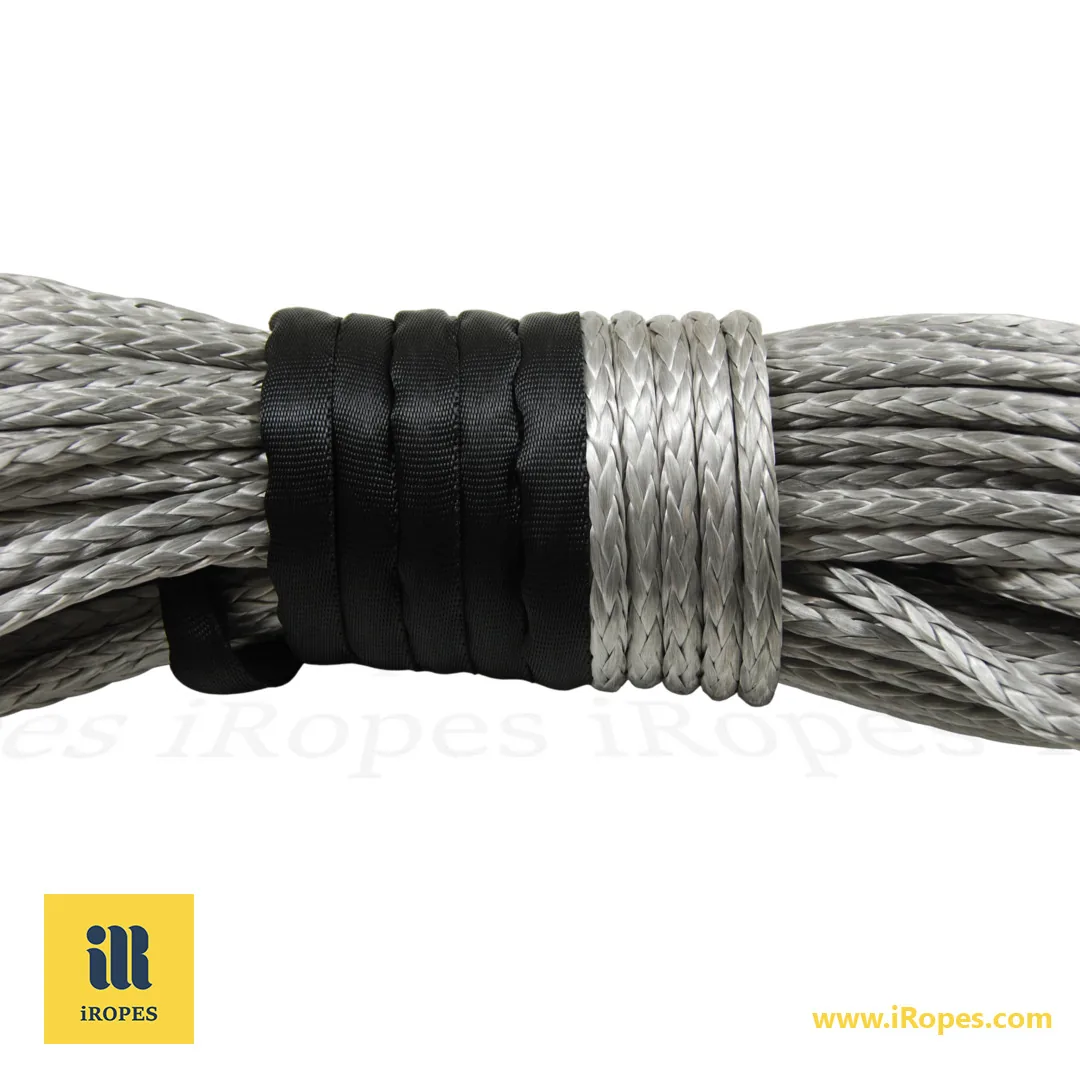
Moving to types and construction, choker slings are available in web, wire rope, and synthetic varieties, each precisely tuned for durability in scenarios like pipe handling. Web slings, often made from flat or tubular nylon or polyester, provide flexibility and are commonly used for lighter loads. Wire rope slings deliver heavy-duty power with their twisted steel strands, making them perfect for rough terrains but heavier to manoeuvre. Synthetic options, particularly those made from UHMWPE, combine the best attributes of both: they are lightweight yet incredibly tough, offering precise control around cylindrical objects. Construction details are also crucial: ply counts range from single-ply for basic jobs to four-ply for maximum strength, while eye types like flat or twisted loops ensure a secure attachment point. For pipe handling, a double-ply synthetic web sling with reinforced eyes securely hugs the load without fraying, maintaining stability as it swings into place.
Material Strengths
Key Properties for Choker Use
Nylon
Absorbs shock with slight stretch, resists oils and alkalis for versatile indoor lifts.
Polyester
Low stretch fights deformation and excels against acids in chemical-heavy sites.
UHMWPE
**Water-repellent and UV-stable**, it cuts weight while boosting marine abrasion resistance.
Construction Types
Builds for Lasting Durability
Web Slings
Flexible layers from 1-4 ply, with flat eyes for easy pipe encirclement.
Wire Rope
Stranded steel for high loads; *Flemish eyes add splice-free strength*.
Synthetic
Braided UHMWPE cores, with endless loops enhancing versatility.
At iRopes, we take this further with our comprehensive OEM and ODM services, crafting choker slings to fit your exact setup. Need a *longer length for oversized pipes* or custom colours to match your fleet? We adjust diameters, add thimbles for smoother rigging, or incorporate reflective strips for low-light marine operations. This personalisation, all under our ISO 9001 certification, ensures your gear aligns perfectly with job demands. Yet, even with the best construction, how the sling wraps around the load—the hitch angle—can significantly impact its effectiveness.
Hitch Configurations and Capacity Angles in Choker Lifting Straps
That hitch angle we just mentioned? It isn't merely a detail; it's the make-or-break factor in how effectively your choker lifting straps perform under real pressure. Getting the configuration right means harnessing the full potential of these tools without courting disaster, especially when waves are tossing your load around on a marine deck. Let's unpack the main hitch types and why angles matter so much for safe, efficient lifts.
The three core hitch configurations for choker lifting slings are the choker, vertical, and basket hitches, each suited to different scenarios but sharing the common goal of secure load handling. A vertical hitch is straightforward: you attach the sling directly from the hook to the load, ideal for straight-up lifts where maximum capacity is key. Basket hitches involve doubling the sling around the load and back to the hook, spreading the weight for even higher limits—think cradling a bundle of pipes without pinching. The choker hitch, true to its name, wraps the sling around the load with one end threading through an eye or loop to form a tightening grip. It's perfect for cylindrical items, such as those in pipe handling, where a noose-like hold is needed to prevent rotation mid-air.
- Drape the sling over the load, ensuring the eye or loop sits above the contact point.
- Pass the free end through the eye, pulling it snug but leaving enough tail for adjustment.
- Position the **choke point away from sharp edges** or the load's thinnest part to avoid stress concentration.
- Lift slowly, checking for even tension before full commitment—always verify the load's balance first.
This rigging process, often called forming a choker sling, maintains stability during hoists. I recall rigging one on a foggy morning dock; that seemingly simple loop adjustment transformed a wobbly barrel lift into a smooth operation, potentially saving the crew from a close call. An understanding of these practical steps is vital for safe and effective use.
Now, let's discuss capacity: the working load limit (WLL) represents the maximum safe weight for each setup, and it should always be checked against manufacturer specifications. In a vertical hitch, you typically get the sling's full rated load. For example, a standard synthetic model might have a 10,000-pound WLL. Basket hitches can effectively double that, depending on load balance. However, **choker hitches reduce the WLL to approximately 75-80% of the vertical capacity**—down to 7,500-8,000 pounds in our example—because the tightening action creates uneven stress. Factor in acute choke angles below 120 degrees, and this capacity can be slashed by an additional 37%, pushing tension dangerously high on the sling body. That's why professionals always measure the angle between the sling legs after choking; anything sharper risks overload, especially with dynamic marine forces like swells amplifying pull. To dive deeper into mastering choker angles for secure marine lifts, explore how these subtle adjustments prevent failures in pipe handling.

In marine lifts, these angles directly affect tension. Narrow chokes concentrate force, significantly heightening the risk of snaps on slick, rounded loads like boat hull sections or fishing gear bundles. For pipe handling, aim for that **120-degree sweet spot** to distribute tension evenly, ensuring the sling bites without binding. Have you checked your last rig's angle? Small tweaks here can prevent big headaches downstream, paving the way for reliable performance across tough jobs.
Applications, Safety, and Best Practices for Choker Slings in Marine and Industrial Use
The hitch angles we just explored can indeed make or break a lift in real-world scenarios. Seeing choker slings in action truly highlights their value. Whether you're battling ocean swells or manoeuvring heavy gear on a factory floor, these tools excel where others falter, offering a reliable grip for demanding tasks. Let's examine where they shine brightest and how to keep them performing safely over time.
In marine settings, choker slings prove indispensable for yachting and spearfishing operations. Picture rigging a spare propeller on a rocking vessel—the self-tightening loop secures it without slippage, even as saltwater sprays the deck. Their lightweight design, especially when using water-repellent synthetics, eases handling in wet conditions and prevents corrosion that could weaken other gear. *What are choker slings used for in these scenarios?* Primarily, they stabilise boat components or fishing nets during transfers, where a firm hold maintains balance against unpredictable waves. In industrial applications, they excel in pipe handling, wrapping around oilfield tubing or construction conduits to control descent into trenches. For cylindrical loads like drums or rolls, the choker configuration prevents rolling or shifting mid-hoist, ensuring crews stay clear of hazards. These applications underscore the slings' ability to adapt to rounded shapes, transforming potential chaos into controlled movement.

Safety begins with vigilance. Before every use, inspect your choker sling for any cuts, frays, or UV damage that could compromise its strength. Run your hands along the webbing, checking for abrasion from past jobs, and ensure all tags remain legible for accurate capacity ratings. Avoid shock loading, where sudden jerks can multiply forces beyond limits. Always pad sharp edges on loads to prevent tears; think of it as providing your sling a crucial buffer against rough surfaces. Compliance with OSHA 1910.184 and ASME B30.9 standards means using gear rated for your specific environment—no shortcuts here, as violations can lead to fines, or worse, critical accidents. These regulations outline everything from load balance to environmental protections, ensuring operations remain compliant and safe.
Marine Safety
Resist saltwater erosion with routine rinses; store away from direct sun to fend off fading.
Industrial Checks
Examine for chemical stains or heat marks after each shift; rotate stock to even wear.
Inspection Frequency
Daily for heavy use, or monthly otherwise; catch issues early to extend service life.
iRopes Support
Our **ISO 9001-certified custom builds** include branded packaging and direct global shipping for seamless wholesale integration.
For maintenance, clean slings with mild soap after exposure to grit or chemicals, then air-dry away from heat sources to preserve fibres. Proper storage—coiled loosely in a cool, dry spot—wards off mildew or tangles that shorten lifespan. At iRopes, we bolster this with tailored OEM and ODM options, adjusting lengths or adding protective sleeves to match your workflow, all delivered promptly worldwide. This approach not only extends gear longevity but equips you for smarter, safer choices in the field.
Mastering choker lifting slings is crucial for safe, efficient marine operations, where improper angles can significantly slash capacity during lifts of cylindrical loads like pipes. From understanding hitch configurations—such as the self-tightening choker hitch that ensures secure gripping—to selecting UHMPE materials for superior saltwater resistance, these tools offer remarkable adaptability in yachting, spearfishing, and industrial pipe handling. Proper rigging techniques, pre-use inspections, and adherence to OSHA standards minimise risks, while iRopes' comprehensive OEM customisation delivers tailored choker lifting straps that boost performance and longevity.
Equipped with these insights, you're set to enhance load stability and avoid costly errors in your next project. For personalised advice on choker slings suited to your specific needs, explore our expertise below.
Need Tailored Choker Lifting Solutions? Get in Touch
If you're ready for custom **choker lifting slings** designed for your marine or industrial applications, use the inquiry form above to connect with our specialists—we're here to provide precision guidance to elevate your operations safely and effectively.