Synthetic rope come‑along delivers up to 45 % weight reduction and 20–30 % lower five‑year cost versus steel wire rope. You’ll also benefit from ISO 9001 quality and full IP protection.
What you’ll gain in 7 min
- ✓ Cut load‑carrying weight by up to 45 % – lighter rigs mean faster deployment.
- ✓ Reduce total ownership cost by 20–30 % over five years thanks to lower maintenance.
- ✓ Secure ISO 9001‑certified quality and end‑to‑end IP protection for your designs.
- ✓ Receive custom colour, branding, and accessories with timely, on‑schedule delivery.
Most foremen instinctively choose steel‑cored wire rope, yet the hidden weight penalty can cripple efficiency. Imagine slashing that load by up to 45 % while maintaining the required pull strength and meeting OSHA safety factors. We’ll outline a data‑driven comparison and show how iRopes’ custom synthetic ropes turn those gains into tangible savings and performance improvements for your business.
Understanding the rope along winch and its key applications
Now that you’ve seen why the right pull‑device matters, let’s break down the rope‑along winch itself. Imagine you’re on a rugged trail, the vehicle’s rear end stuck in mud, and you need a reliable tool that won’t jam under pressure. That is exactly the scenario a well‑designed rope‑along winch solves, giving you controlled power with a simple hand‑crank.
Definition and core components
A rope‑along winch is a manual pulling system that combines four essential parts: a high‑strength rope, a drum‑style reel to wind the line, a pawl that locks the reel in place, and a hand‑operated handle for cranking. Together they generate a steady pulling force without relying on electricity or hydraulics.
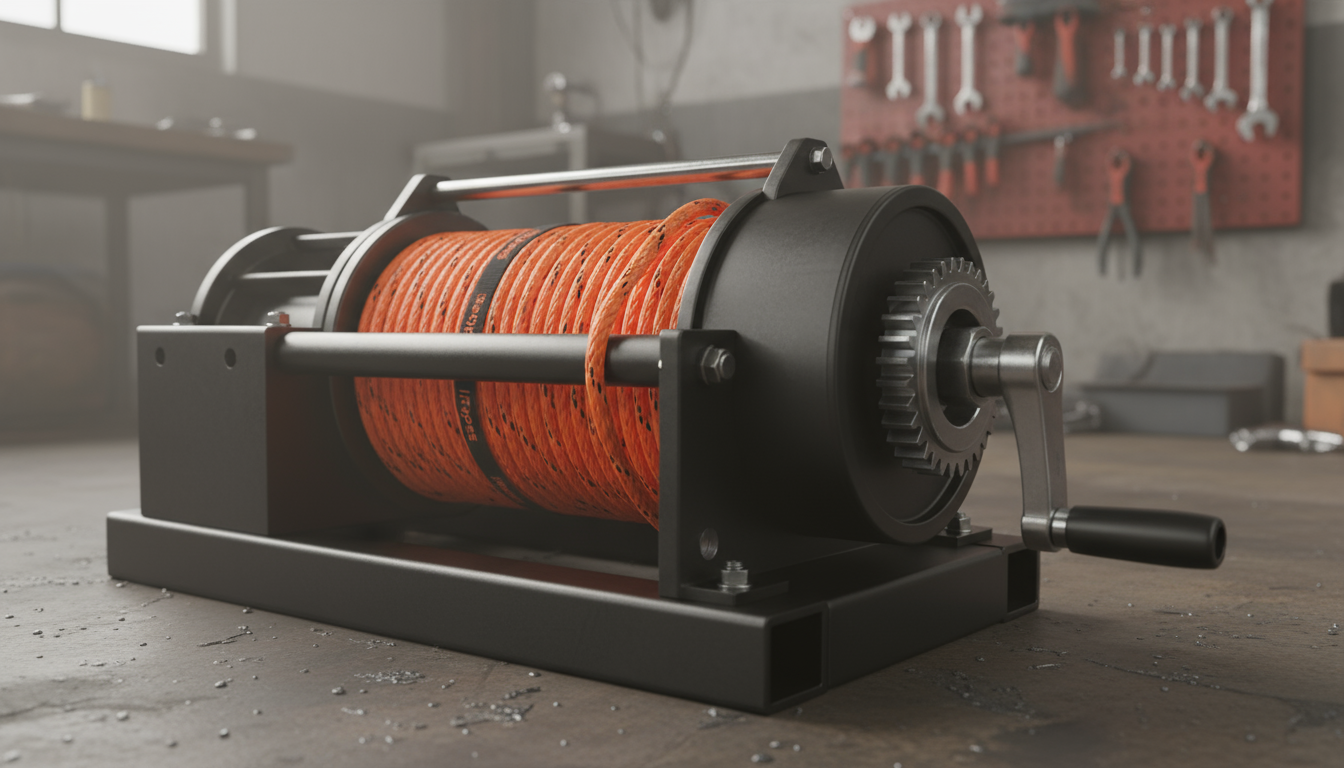
Primary industries that rely on rope‑along winches
Off‑road recovery teams trust rope‑along winches because the lightweight hand‑crank can be operated even when the vehicle’s battery is flat. Tree‑work specialists value low‑stretch lines that let them position loads without sudden jerks. In industrial rigging, the simple mechanical advantage helps you move steel beams safely in confined spaces where a powered winch is too bulky. Contractors who switch from powered units often report faster set‑ups and fewer maintenance headaches.
Calculating the working load limit (WLL) for a rope‑along winch
When you ask, “How do you calculate the working load limit for a rope‑along winch?” the answer lies in a straightforward safety‑factor formula: WLL = Rated Load ÷ Safety Factor. OSHA guidance commonly uses a safety factor of 5× for hoisting and 2× for pulling. For example, if the rope is rated at 10 000 lb (≈ 5 ton) and you are pulling, divide 10 000 lb by 2 to get a WLL of 5 000 lb (≈ 2.5 ton). For lifting, divide by 5, resulting in 2 000 lb (≈ 1 ton). Applying these calculations protects both the equipment and the operator.
When I first switched to a properly sized rope‑along winch, the difference was immediate – the pull felt smooth, the pawl held without slip, and my crew’s confidence rose dramatically.
Quick checklist for selecting the right rope‑along winch
- Load capacity – ensure the rated pull exceeds your maximum required force.
- Operating environment – choose corrosion‑resistant finishes for marine or salty conditions.
- Budget constraints – balance price with durability and maintenance costs.
- Ease of use – consider handle ergonomics and reel size for frequent operation.
- Compliance – verify the winch meets OSHA 1910.184 and relevant ASTM standards.
With a clear picture of what a rope‑along winch comprises, how it’s used across demanding sectors, and the maths behind safe loading, you’re ready to compare the two main material families that power modern come‑alongs.
Comparing wire rope come along versus synthetic rope come along
Having seen how a rope‑along winch works, the next question is which material offers the best blend of power and practicality. Steel‑cabled wire rope come along and HMPE‑based synthetic rope come along units each have distinct construction, and the choice often hinges on your environment.
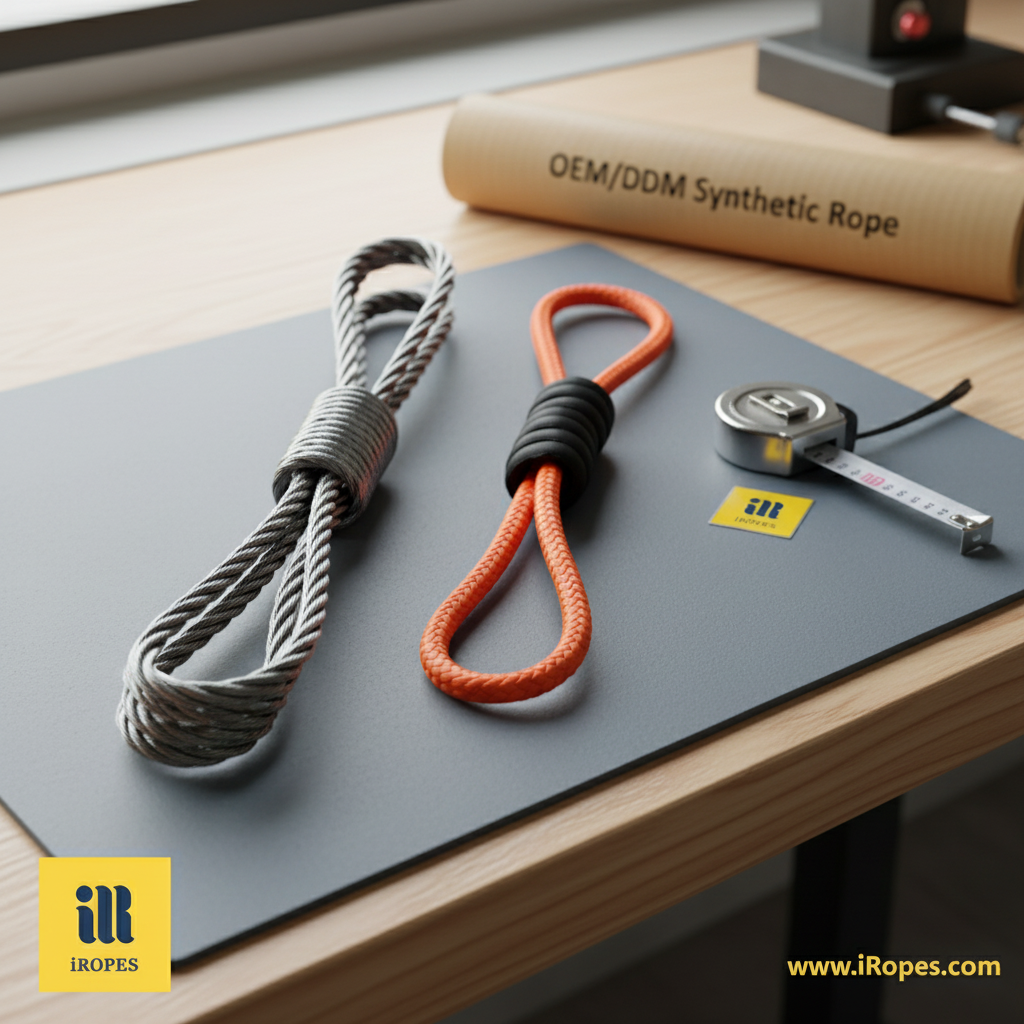
The steel cable in a wire rope come along is typically made from multiple galvanised or stainless‑steel strands, delivering a rugged, abrasion‑resistant surface. In contrast, a synthetic rope come along relies on tightly braided HMPE fibres—often marketed as AmSteel‑Blue or Dyneema—whose molecular alignment creates exceptional tensile strength while keeping the line surprisingly light.
- Weight savings – a 5‑ton synthetic line can be up to 45 % lighter than an equivalent steel cable.
- Strength‑to‑weight ratio – HMPE fibres deliver roughly 15× the strength of steel per unit of mass.
- Stretch & durability – synthetic rope offers very low stretch and strong UV resistance, while steel excels in extreme abrasion but can corrode if not treated.
When you map those metrics onto real‑world tasks, clear patterns emerge. Wire rope come along shines in heavy‑duty industrial rigging where the line may scrape concrete or metal edges for hours; its abrasion resistance translates to fewer replacements. Synthetic rope come along is ideal for mobile rescue, off‑road recovery, or marine work where every kilogram matters and exposure to sunlight is constant. The lighter line also reduces fatigue during repeated cranking.
Cost‑wise, a standard steel‑cable unit often carries a lower upfront price. However, the long‑term ROI can swing the other way. Because synthetic rope come along is lighter, you may spend less on ancillary hardware and shipping. Over a five‑year horizon, many operators report a 20–30 % total‑cost reduction once the longer service life and lower maintenance needs are accounted for.
Bottom Line
If abrasion and raw pulling power dominate your job, a wire rope come along remains the workhorse. If weight, ease of handling, and UV exposure dictate performance, a synthetic rope come along delivers superior strength‑to‑weight and lower total cost.
Understanding these trade‑offs equips you to select the right material before you even reach for a quote. Synthetic rope vs steel wire: benefits and best uses helps you compare performance, cost and durability in detail.
Custom synthetic rope solutions from iRopes for diverse industries
After weighing the pros and cons of wire‑rope and synthetic‑rope come‑alongs, the next step is figuring out which exact line fits your operation. iRopes offers a wide range of synthetic ropes, including winch rope, rigging line, recovery kinetic rope, soft shackle, towing rope and strop, plus ready‑made rope sets for OEM and ODM orders. Each can be tuned to the load, length, and look you need.
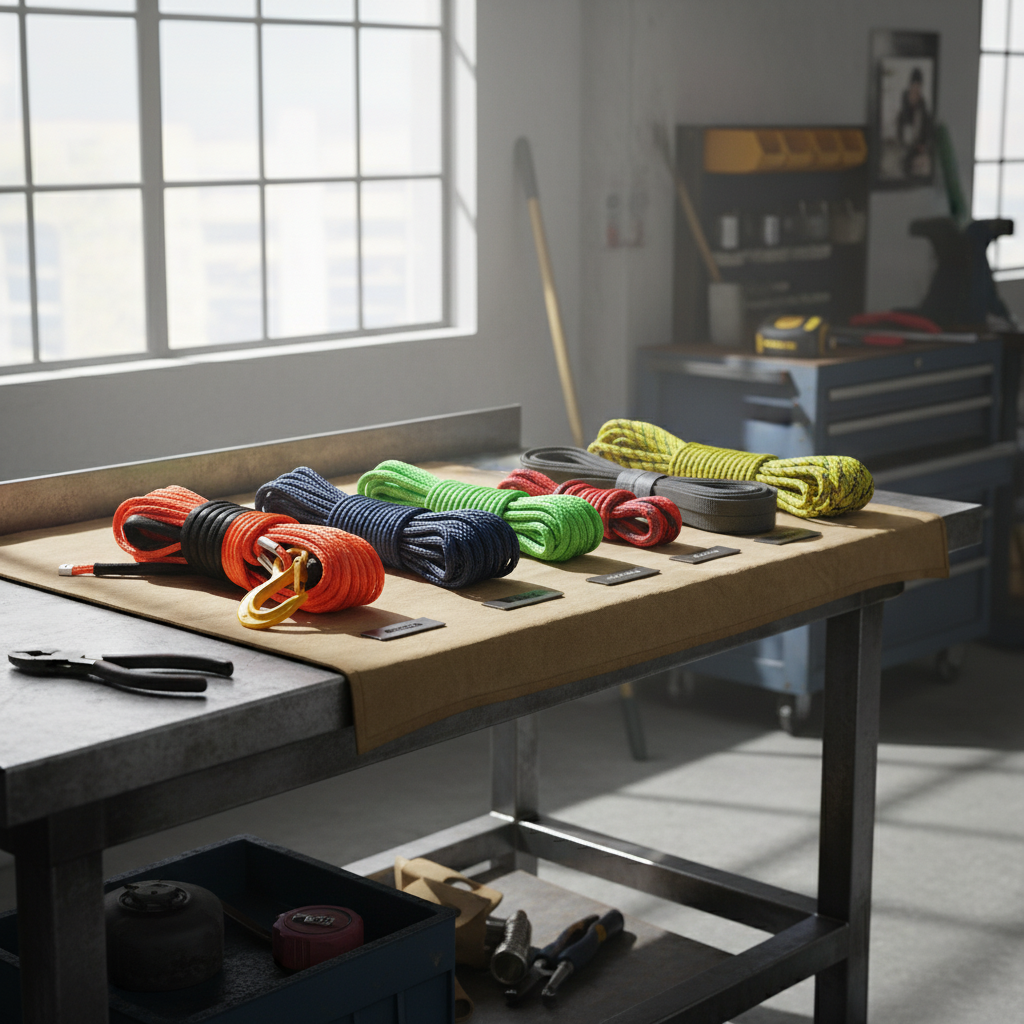
Here’s a quick look at the core products you can order straight from the factory:
Rope Types
Core products for every task
Winch Rope
High‑modulus fibre built for compact reels and rapid pulls.
Rigging Line
Low‑stretch line suited for precise load positioning in construction.
Recovery Kinetic
Elastic‑core rope that absorbs shock during vehicle rescues.
Custom Options
Tailor‑made to match your brand and environment
Diameter/Length
Select the exact diameter and length your job demands.
Colour/Branding
Dye‑stable hues, reflective strips or glow‑in‑the‑dark fibre, plus printed logos on the sheath.
Accessories
Soft shackles, thimbles, loops or custom‑machined terminations included.
Need a rope that matches your company’s colours while still meeting a 5‑ton pull rating? Our OEM/ODM workflow starts with engineering design, moves through ISO 9001‑verified production, and ends with secure IP protection so your proprietary specifications stay private. We also offer non‑branded or customer‑branded packaging options and can bag, box or carton to suit your branding. Once the prototype passes your sign‑off, we ship pallets directly to your dock worldwide, with punctual order fulfilment. For off‑road enthusiasts, our synthetic winch rope for off‑road use delivers the same strength with dramatically less weight.
One marine‑rescue unit recently asked for a 5‑ton synthetic‑rope come along that would cut the crew’s carried weight. We supplied an AmSteel‑Blue line with custom orange sleeves and reflective stitching. The result? Around a 30 % weight reduction, faster deployment, and noticeably lower fatigue during repeated pulls.
iRopes protects every design with full IP safeguards and ISO 9001 quality checks, ensuring your proprietary rope specifications stay confidential from prototype to pallet.
With a catalogue that spans winch rope, rigging line, recovery kinetic rope, soft shackle, towing rope, strop and ready‑made sets, you can order a single custom package or mix‑and‑match pieces for a complete rescue kit. The next step is simple: choose the line that meets your load, add any branding or reflective features you require, and let iRopes handle the rest. Discover the excellence of iRopes manual rope winch solutions for additional insight into our winch offerings. → Proper installation and maintenance will keep that custom rope performing safely for years to come.
Installation, safety, and maintenance best practices for any come‑along
Now that you have selected the ideal rope‑along, the next challenge is using it without compromising safety. Whether you are handling a rope along winch, a wire rope come along, or a synthetic rope come along, the same disciplined routine keeps you and your equipment out of trouble.

Step‑by‑step safe operation guide
1. Attach securely. Position the hook on a rated anchor point, ensuring the shank is fully seated.
2. Crank with controlled force. Pull the handle slowly until the desired tension is reached; avoid sudden jerks that can overload the pawl.
3. Lock the pawl. Engage the locking lever before the load stabilises; the pawl must bite the drum teeth cleanly.
4. Release safely. When the job is finished, disengage the lock, reverse the crank just enough to free the rope, and keep your hands clear of the moving line.
Common mistakes to avoid
- Over‑loading – pulling beyond the device’s working load limit can cause catastrophic failure of the rope or pawl.
- Improper anchoring – attaching the hook to a weak or angled point reduces effective holding strength and may slip.
- Damaged rope or hardware – using a rope with visible cuts, abrasion, or a bent hook compromises safety and voids compliance.
Maintenance checklist
A regular maintenance routine prolongs service life and preserves the rated load capacity. Inspect the rope for fraying or core exposure, lubricate the drum and pawl mechanism with a light oil, check the hook for deformation, store the unit in a dry, shaded area, and record the date of each inspection.
Required safety gear and compliance references
Before each use, wear gloves with grip, safety glasses, and steel‑toed boots. Verify that the equipment bears the CE marking and that the specifications meet OSHA 1910.184 and ASTM A1023 requirements. When in doubt, consult the manufacturer’s data sheet.
“I always double‑check the anchor and lock the pawl before I start cranking; that habit has saved me from near‑misses on every job.”
Following these practices not only protects you, it also ensures that the next time you reach for a rope‑along winch, the tool will perform exactly as engineered. → The next logical step is to keep records of each inspection so you can track wear over time.
This guide has walked you through the fundamentals of a rope along winch, then weighed the pros and cons of wire rope come along versus synthetic rope come along, highlighting the dramatic weight savings, strength‑to‑weight advantage and lower long‑term cost of HMPE fibres. Armed with that knowledge, you can now explore iRopes’ extensive synthetic rope catalogue – from winch rope, rigging line and recovery kinetic rope to soft shackle, towing rope, strop and ready‑made sets – all available through OEM or ODM channels and backed by ISO 9001 quality and IP protection.
Request your personalised rope solution
If you’d like a custom solution tailored to your specific load, colour or branding requirements, simply fill out the form above and our specialists will get in touch promptly.
