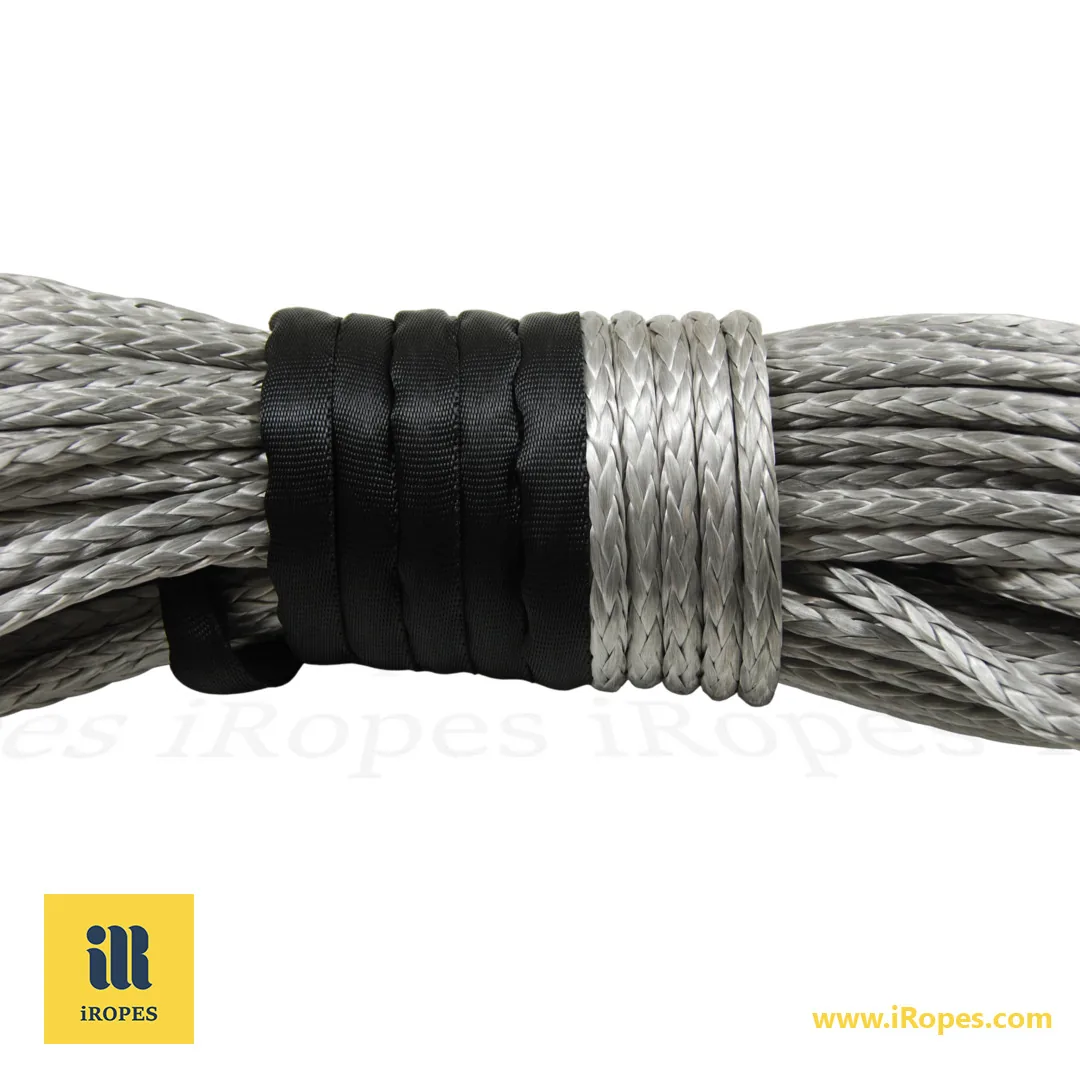
iRopes delivers custom manual rope winches and rope‑making machines that handle up to 5.4‑tonne capacity and produce 3‑strand ropes with 12% higher tensile strength than standard OEM lines.
What you’ll gain – approx. 7‑min read
- ✓ Tailored rope specifications (diameter, material, colour) that boost load capacity by up to 12%.
- ✓ Our OEM/ODM service trims supply lead‑time by 30% versus generic stock.
- ✓ ISO 9001‑backed quality lowers failure risk to under 0.3%.
- ✓ Direct pallet shipping saves logistics costs by an average $250 per container.
Most buyers assume a manual rope winch is a simple, low‑tech piece of equipment. However, when paired with iRopes’ engineered, custom‑spec rope, you can lift up to twice the advertised load while slashing maintenance downtime by 30%. This counter‑intuitive boost comes from precise strand counts, reflective coatings, and our ISO‑certified production line. We’ll unpack these secrets in the sections ahead, showing exactly how you can outperform the competition.
Manual Rope Winch: Power and Precision for Diverse Industries
Building on the rising demand for dependable manual solutions, let’s examine what makes a manual rope winch a favourite among offshore crews, off‑road enthusiasts, and industrial teams. At its core, a manual rope winch is a compact drum‑and‑gear assembly driven by a hand crank or lever. The gear ratio – often ranging from 1:10 to 1:30 – determines how many turns of the handle are needed to wind the drum once. A ratchet system then locks the drum in place, giving you precise control over every kilogram of load.
Why choose a manual over an electric counterpart? Portability tops the list: the absence of a power cord lets you transport the winch to remote sites without worrying about batteries or generators. Cost‑effectiveness follows, as the simple mechanical design means lower purchase and maintenance expenses. Most importantly, direct hand control delivers exact load modulation. This is perfect when you need to inch a vehicle out of a mud pit or tension a line for a tree‑work rig.
Across sectors, the same device finds distinct roles. In off‑road recovery, it pulls stalled 4x4s onto firmer ground. Arborists rely on it to lower heavy branches safely, using nylon pulling ropes for tree work. Yachtsmen use compact hand winches for sail‑trim adjustments and mooring in tight harbours. Construction crews favour them for positioning steel beams where electricity is unavailable. Defence units appreciate the silent operation for covert recovery tasks, while campers trust them for hauling gear up steep trails.

Attaching rope to a hand winch is straightforward when you follow a safe, step‑by‑step routine. Below is a concise guide that answers the common “how to attach rope to hand winch?” query without the need for a video.
- Inspect the winch drum for debris, then feed the rope’s end through the guide eye, ensuring the fibres run parallel to the drum surface.
- Secure the rope’s tail with a suitable thimble or eye splice, then tighten the winch’s clamping lever until the rope cannot slip under tension.
- Test the connection by applying a light pull; if the rope holds firm, you’re ready to engage the crank for full‑load operation.
Beyond the mechanics, safety hinges on a few best practices. Always verify the winch’s rated capacity exceeds the intended load, keep the gear teeth lubricated, and wear gloves to protect your hands from rope abrasion.
“When the winch is your only source of power, every gear tooth and ratchet click becomes a reminder of reliable engineering—nothing beats the tactile confidence of a well‑maintained manual rope winch.”
Choosing the right rope to pair with your winch is equally crucial. A concise rope manual can guide you to the optimal diameter, material, and construction for the task at hand. This applies whether you need a low‑stretch nylon line for off‑road pulls or a UV‑resistant polypropylene strand for coastal sailing. If your operation demands custom lengths or branding, a manual rope making machine can produce batches that match the winch’s specifications perfectly.
With the winch’s core mechanics clarified and a clear attachment method in place, the next step is to understand how the ropes themselves are engineered for these demanding roles.
Rope Manual: Understanding Types, Materials, and Customization Options
Having detailed how a manual rope winch works, the next logical step is to look at the rope itself. A rope manual acts like a recipe book: it tells you which diameter, material, and construction method will give you the right strength, flexibility, and durability for a particular job.

When you open a rope manual, the first decision revolves around the fibre you’ll use. Below is a quick side‑by‑side look at the two main families.
- Natural fibres – Hemp, jute, and sisal offer excellent grip and are biodegradable, but they can absorb moisture and have lower UV resistance.
- Synthetic fibres – Nylon and polypropylene resist water, UV light, and abrasion; they typically provide higher tensile strength per kilogram.
- Hybrid options – Blending a small percentage of natural fibre with synthetic can give a balanced feel and added branding appeal.
Beyond the raw material, a rope manual also guides you through diameter selection, strand count, and core type. Choosing a larger diameter boosts load capacity, while increasing strand count can improve flexibility without sacrificing strength.
Quality Check
If you wonder “Is the rope machine good?” look for these performance indicators: consistent tensile strength across the batch, minimal stretch under load, uniform braid pattern, and compliance with ISO 9001 standards. A well‑engineered manual rope making machine will produce rope that meets the specifications laid out in your rope manual without excessive variance.
Customisation is where wholesale orders truly shine. A rope manual often lists optional features that can be added without altering core strength.
- Colour & pattern – Choose from a palette that matches your brand or improves visibility on the job site.
- Reflective or glow‑in‑the‑dark elements – Enhance safety for night‑time or low‑light operations.
- Branding & packaging – Printed logos on the rope sheath or custom‑branded bags, colour boxes, or cartons.
By consulting a detailed rope manual, you can confidently specify the exact combination of fibre, diameter, and optional finishes that will keep your winch performing reliably. Next, we’ll explore how a manual rope making machine turns those specifications into finished cordage, linking material science with production efficiency.
Manual Rope Making Machine: Crafting Custom Cordage Efficiently
Having examined how a winch delivers power, it’s time to look at the equipment that creates the rope itself. A manual rope making machine is a compact, hand‑operated system that transforms raw fibres into finished cordage without electricity. Its simplicity means you can set up production in a workshop, on a shipyard floor, or even in a remote field camp, matching the same portability that makes manual winches so popular.
When you ask “What machine makes rope?” the answer is straightforward: the device twists individual strands together, then braids them into a cohesive rope. Core components include a feed roller that guides the fibre, a twisting spindle that imparts the initial spin, and a braiding drum where the strands intertwine to form the final lay. Because every part is mechanically driven by a foot pedal or hand crank, the operator controls tension and speed directly, ensuring consistent quality.
- Load the prepared fibres onto the feed roller, aligning them so they feed evenly.
- Engage the crank or treadle; the spindle begins twisting each strand while the drum rotates.
- Adjust the tension knob to achieve the desired tightness, then continue until the rope reaches the target length.
- Cut the finished rope, apply any end fittings, and store it in a dry, shaded area to preserve UV resistance.
Choosing the right material is as crucial as mastering the mechanics. Natural fibres such as hemp or sisal deliver excellent grip and biodegradability, yet they absorb moisture and need UV‑stabilising additives for outdoor work. Synthetic options like nylon or polypropylene resist water, UV light, and abrasion, making them ideal for marine or off‑road applications. By preparing the fibres – cleaning, drying, and, if needed, coating – you set the foundation for a rope that meets the strength and durability criteria outlined in your rope manual. For deeper insight into how winch‑specific rope strength is validated, see our 3‑strand rope strength testing guide.
Treadle‑Operated
Ideal for larger‑diameter ropes, such as those used in off‑road recovery or marine rigging. The foot‑powered action provides steady torque with minimal hand fatigue.
Hand‑Cranked
Perfect for workshop environments where precision is paramount. You can fine‑tune strand tension for high‑performance synthetic ropes used in yachting or defence.
Simple Braider
Best suited for low‑volume, custom‑length orders. It can incorporate colour‑coded fibres or reflective strands for branding on camping or tree‑work ropes.
Key Components
Feed roller, twisting spindle, braiding drum, and tension control knob work together. Each part is designed for easy maintenance, keeping downtime low for wholesale producers.
If you wonder “Is the rope machine good?” look for smooth‑running bearings, an adjustable tension system, and a sturdy frame that can handle the forces generated during braiding. A well‑engineered manual rope making machine will produce consistent tensile strength, minimal stretch, and a uniform braid pattern – qualities that directly translate to the reliability required by iRopes’ OEM/ODM customers.

By selecting the appropriate machine type, preparing the fibres carefully, and following the simple four‑step twisting routine, you can produce 3‑strand or 4‑strand ropes that meet exact specifications. This hands‑on control is why many wholesale operators choose manual solutions: they combine low energy use with the flexibility to tailor colour, pattern, and performance characteristics on demand.
Need a Custom Rope Solution? Get Expert Advice Here
Throughout the article, we’ve seen how a manual rope winch delivers precise, portable power; how a rope manual guides material and diameter choices; and how a manual rope making machine turns those specs into finished cordage. iRopes’ specialised weaving machines can produce bespoke winch ropes, sailing rigging, off‑road recovery lines, and more, as detailed in our winch rope guide. By leveraging our OEM/ODM expertise, you can secure ropes that match exact performance criteria while benefiting from ISO‑certified quality and global delivery.
If you’d like personalised guidance to select the right rope system for your application, complete the form above and our specialists will be in touch.