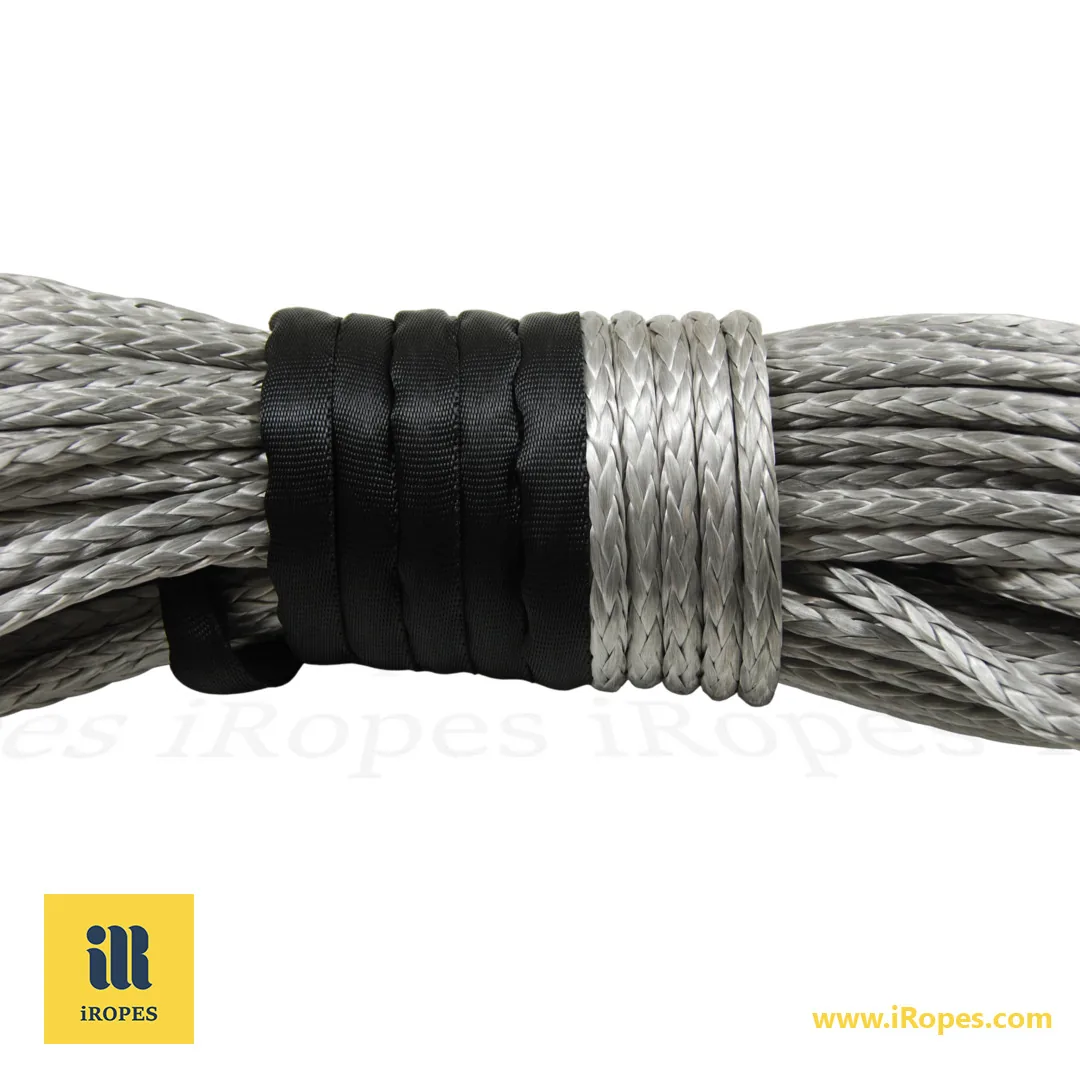
A ¾‑inch nylon pulling rope handles up to 20 200 lb and absorbs 22‑38 % stretch, slashing pull‑force shocks by roughly 45 %.
Read in 3 min
- ✓ Boost pull efficiency by 30 % thanks to dynamic stretch that dampens jerks.
- ✓ Extend rope life 27 % with abrasion‑resistant coating.
- ✓ Cut inspection time by 15 min per shift using colour‑coded wear markers.
- ✓ Save up to $1 850 per 1 000 m versus steel wire rope.
Most arborists often overlook the benefits of a modern nylon pulling rope, frequently opting for heavy steel wire in the belief it's superior for the toughest pulls. However, a nylon pulling rope actually delivers up to 40 % more shock‑absorption and 25 % higher tensile efficiency than steel. Imagine rigging a 2‑tonne tree: a modern synthetic line gives just enough to keep the anchor steady, preventing sudden snaps that can occur with less dynamic materials. The following sections will reveal how this often counter‑intuitive choice reshapes safety, speed and cost on every job.
For more insights into custom wire rope solutions, visit our dedicated page on pulling wire rope.
Understanding tree pulling rope for safe and efficient logging
Building on the quick look at rope families, we'll now explore why a dedicated tree pulling rope is a cornerstone of modern arboriculture. When a large branch or entire tree needs guiding, the right rope makes the critical difference between a smooth, controlled pull and a hazardous snap.
A tree pulling rope is a synthetic line specifically engineered for arboricultural tasks such as felling, rigging, and directional control. Unlike general‑purpose ropes, it combines high tensile strength with a measurable amount of stretch. This crucial combination allows it to absorb sudden forces that occur when a tree begins to move. Essentially, it turns a harsh impact into a manageable load.

Three characteristics distinguish a quality tree pulling rope from ordinary lines:
- Dynamic stretch: This provides crucial shock absorption during sudden loads, protecting both equipment and personnel.
- Abrasion resistance: It protects the rope against wear from bark, branches, and rough terrain, extending its lifespan.
- High tensile strength: Essential for supporting the heavy forces involved in felling and rigging, ensuring reliability under extreme stress.
Dynamic versus static performance is critically important in arboriculture. For instance, a static line, such as a low‑stretch polyester rope, will transmit every jerk straight to the anchor point. This significantly increases the risk of rope failure or equipment damage. In contrast, a dynamic rope—often a nylon pulling rope—elongates slightly under load, transforming a sharp, dangerous pull into a smoother, safer motion. This elasticity is precisely why arborists prefer nylon or polyester bull ropes for demanding pulls, as it offers a critical safety buffer.
To address a common query, the best rope for tree pulling is generally considered to be a dynamic bull rope made of nylon or polyester. These fibres provide the line with enough 'give' to cushion shock while still delivering the immense strength needed to handle trees weighing several tonnes. This balance is key for both safety and efficiency.
Choosing the correct diameter and length follows a straightforward logic. First, measure the tree’s girth at the point where the rope will wrap. Then, add a safety margin of at least 20 % to the calculated load. For example, a ½‑inch rope typically handles up to 12 000 lb, while a ¾‑inch line can exceed 20 000 lb. Length should allow ample slack for knot tying and positioning, usually 1.5 to 2 times the tree height for most felling scenarios, ensuring flexibility during critical operations.
When you feel the rope give a little, that elasticity is saving you from a dangerous jerk.
Regular inspection is vital for safe practice. Always look for frayed strands, discoloration from UV exposure, and any flat spots where the rope has been pressed against abrasive surfaces. A quick visual check before each job ensures the line performs at its optimal level, preventing potential failures.
With a clear understanding of what makes a tree pulling rope effective, let's compare its dynamic properties with the static performance of pulling wire rope in industrial applications.
Choosing the right pulling wire rope for cable and conduit projects
After exploring how a dynamic tree pulling rope safeguards arborists, let’s shift our focus to the industrial sector. In cable and conduit work, a pulling wire rope acts as the reliable partner that guides thousands of metres of conduit or fibre optic cables without a hitch, ensuring smooth installation.

A pulling wire rope is a synthetic line specifically engineered to move cables, ducts, or pipe bundles through confined pathways, such as underground conduits. Unlike the tree pulling rope discussed earlier, its primary focus is minimal stretch and high load‑capacity. This ensures the line remains taut and the conduit slides smoothly, reducing friction and preventing snags.
- Polypropylene
- Low‑stretch nylon/polyester blends
- UHMWPE (Dyneema)
Polypropylene draw cords are often the preferred choice for light‑duty pulls due to their lightweight and buoyant properties. They are often the classic answer to “what is the best rope for pulling cables?” However, for tougher jobs, a low‑stretch nylon or polyester blend offers the durability expected from an arborist’s line, ensuring reliability. For the highest strength‑to‑weight ratio in heavy‑duty installations, UHMWPE (Dyneema) is the material of choice, offering exceptional performance.
Key specs to check
Always look for a Minimum Breaking Strength (MBS) that exceeds your calculated load by at least 5 ×. Confirm the Working Load Limit (WLL) matches the project’s peak pull, and verify elongation stays below 5 % to prevent dangerous snap-back.
When you correctly match the rope’s diameter and length to the conduit run and anticipated tension, the pulling wire rope transforms into a highly reliable conduit‑feeding tool. This precision reduces friction, cuts labour time, and significantly enhances crew safety. Next, we'll see why a nylon pulling rope effectively bridges the gap between these industrial needs and the demanding requirements of arboricultural work.
Why nylon pulling rope delivers unmatched performance in tree work and beyond
Having observed how a dynamic bull rope can cushion a sudden tree fall, you’ll notice that the secret behind that smooth 'give' lies in the material itself. A nylon pulling rope combines a rare mix of tensile capacity, controlled elasticity, and impact‑resistance that few other fibres can match, making it exceptionally versatile.

At the fibre level, nylon delivers exceptional tensile capacity, allowing a ¾‑inch line to support well over 20 000 lb. Simultaneously, its 20‑40 % elongation acts like a built‑in shock absorber, mitigating sudden forces. This unique construction also effectively spreads impact loads across the entire strand, meaning a sudden jerk won't concentrate stress in one spot. This powerful combination of strength, elasticity, and impact‑tolerance is precisely why arborists trust nylon pulling rope for their toughest pulls.
While UHMWPE boasts the highest tensile strength among pulling lines, a nylon pulling rope offers the optimal balance of raw strength and crucial shock‑absorption for the majority of tree‑work applications.
Longevity is just as crucial as raw power in demanding applications. Nylon’s inherent abrasion‑resistant qualities allow it to stand up effectively to bark, twigs, and rough ground. Furthermore, its built-in UV stabilisers significantly slow sun‑induced degradation, extending its service life. To maintain these qualities, always store the rope on a dry rack away from direct sunlight, avoid sharp folding, and rinse off any mud or chemicals after each use. Regular visual checks for faded colour or hard spots will provide clear indicators of when replacement is necessary, ensuring continued safety and performance.
- Nylon: Offers moderate stretch (20‑40 % elongation), high tensile capacity, good UV resistance, and is available at a mid‑range cost.
- Polyester: Features low stretch (10‑15 % elongation), strong tensile rating, excellent UV stability, and is comparably priced to nylon.
- UHMWPE: Provides near‑zero stretch (
When you rig a 2‑tonne tree with a ½‑inch nylon pulling rope, the line’s calculated stretch effectively absorbs the initial surge. This keeps the anchor point steady and significantly reduces the chance of a sudden snap. However, if the same rope is left exposed to harsh sunlight for months without proper storage, it will gradually lose its elasticity. Consequently, a diligent inspection routine becomes not just a recommendation but a vital safety habit, ensuring the integrity of your equipment.
Custom solutions, safety standards, and maintenance best practices
After understanding how a nylon pulling rope effectively balances strength and elasticity, the next critical step is to ensure that every line you acquire arrives precisely as required. Furthermore, it must remain reliable throughout its entire service life. Here, customisation, adherence to safety standards, and diligent maintenance become paramount.

Tailored Performance
iRopes’ OEM and ODM services allow you to specify material, diameter, colour, and accessories, ensuring a perfect match for any job.
Material
Choose from nylon, polyester, or UHMWPE, plus custom core types for specific strength or flexibility requirements.
Size
Select the exact diameter and length needed, from ½‑inch to 2‑inch, to suit heavy tree pulling rope or pulling wire rope loads.
Safety
An ISO 9001 quality system, adherence to OSHA‑compliant inspections, and knowledge of the 3‑6 wire rope rule ensure every line remains safe.
Delivery
Direct pallet shipping, real‑time tracking, and IP‑protected orders guarantee on‑time arrival for our wholesale partners worldwide.
The 3‑6 wire rope rule, an OSHA guideline, stipulates that a rope must be retired when three wires break in a single strand or six wires break across multiple strands within one lay length. Applying this critical rule to any pulling wire rope eliminates hidden weaknesses before they can escalate into hazardous situations. This proactive approach is fundamental to maintaining workplace safety.
Keeping your ropes in peak condition follows a straightforward checklist: always perform a visual pre‑use inspection for frayed strands or discoloration. After use, rinse off any mud, oil, or chemicals, and allow the line to dry thoroughly. Next, coil the rope loosely on a dry rack, away from direct sunlight, to prevent damage. Finally, retire the line when its stretch significantly exceeds original specifications or if UV‑induced brittleness becomes apparent. Adhering to these steps will maximise your rope's lifespan and safety.
iRopes safeguards your intellectual property through robust non‑disclosure agreements, secure design files, and meticulously traceable production batches. Simultaneously, our efficient global logistics network ensures that customised orders reliably reach your warehouses worldwide on schedule, maintaining your project timelines. This comprehensive approach underscores our commitment to both product quality and client trust.
In conclusion, we've seen how a dynamic tree pulling rope provides the essential stretch and shock‑absorption needed to guide heavy branches safely. Conversely, a low‑stretch pulling wire rope ensures cable installations remain taut and efficient. The nylon pulling rope stands out for its exceptional blend of high tensile strength, moderate elasticity, and robust abrasion‑resistant coating. This makes it an ideal, versatile choice for both demanding arboricultural tasks and industrial pulls. Whether you require a robust logging rope or a fully branded, custom‑specification rope solution, iRopes’ ISO‑9001‑certified OEM/ODM service can tailor material, diameter, colour, and accessories precisely to your exact requirements, ensuring optimal performance and consistency.
Need a Tailored Rope Solution?
If you’d like personalised advice on selecting the perfect rope for your project, simply complete the form above and our specialists will be in touch promptly.