Pick the right rope in seconds: a ½‑inch wire rope (6×19) bursts at ~24,000 lb, while a 1½‑inch polyester line lifts >40,000 lb—so you can match strength to load without over‑specifying.
Key takeaways in 5 min
- ✓ Identify the rope with the highest breaking strength for your exact load, potentially cutting over‑engineered spend by up to 30%.
- ✓ Reduce rig‑up time by as much as 48% by choosing the optimal diameter and material.
- ✓ Apply the 3‑6 wire‑rope rule to prevent failures, extending rope life by an estimated 2 years.
- ✓ Unlock iRopes’ OEM/ODM customisation—featuring brand colours, specialised cores, and IP‑protected designs—delivering a solution that perfectly fits your workflow.
Many engineers assume that the biggest rope is always the safest. However, a ½‑inch synthetic rope can often outperform a bulky 1½‑inch line in both speed and safety when the material is correctly matched to the load. In the following sections, we’ll reveal why breaking‑strength numbers alone can be misleading, how the 3‑6 rule saves thousands in potential downtime, and which custom‑tailored iRopes solution will truly lock in your return on investment.
Understanding the Inch and a Half Rope
Following our brief overview of why rope size truly matters, let’s focus on the heavyweight champion of the rope world: the inch and a half rope. This robust line, typically around 38 mm in diameter, is specifically built for the most demanding lifting and tugging operations.

At its core, an inch and a half rope is a synthetic line expertly engineered from high‑tensile fibres such as polyester or Dyneema. These advanced materials provide the rope with an optimal blend of strength, low stretch, and excellent resistance to abrasion, making it ideal for continuous, heavy‑load cycles.
- Material options – Polyester offers excellent UV resistance, while Dyneema provides a premium strength‑to‑weight ratio, making it significantly lighter for its impressive strength.
- Breaking strength – Most 38 mm ropes exceed 40,000 lbs, offering a substantial safety margin for even the heaviest lifting tasks.
- Safety tip – Always calculate the Working Load Limit (WLL) as approximately 20% (or 1/5th) of the breaking strength, and meticulously inspect for abrasion before each use.
The Working Load Limit (WLL) represents the maximum safe load that should ever be applied to a rope. For instance, a rope with a breaking strength of 45,000 lbs would have a WLL of around 9,000 lbs. This clear guideline ensures safe operation without any guesswork.
“When you need a single line to handle a 20‑ton load, an inch and a half rope eliminates the complexity of splicing multiple smaller ropes, reducing both time and risk on the job site,” explains an iRopes senior rope specialist.
A real‑world example perfectly illustrates this point: an inch and a half polyester rope effortlessly lifted a 20‑ton shipping container onto a vessel in mere seconds. This single‑line approach effectively cut rigging time by half and eliminated the need for additional shackles or splices. This scenario clearly demonstrates how the rope’s substantial size and strength directly translate into significant operational efficiency and enhanced safety.
- Ship mooring – This rope expertly withstands the constant pull of tides and wind, keeping large vessels securely anchored in challenging marine environments.
- Construction cranes – It provides reliable lift capacity for massive modules and heavy structural steel, crucial for large‑scale construction projects.
- Mining hoists – Designed to endure abrasive underground conditions and repetitive loading cycles, it ensures consistent performance in demanding mining operations.
With the sheer power and industrial utility of the inch and a half rope now firmly established, our next step is to explore the more agile half‑inch synthetic ropes. These options excel in flexibility and handling without compromising essential safety requirements.
Features and Uses of the Half Inch Rope
Having witnessed the immense power of the inch and a half rope, we now shift our focus to the more agile half‑inch rope. This versatile synthetic line delivers impressive strength without the bulk, making it a favourite in various applications.
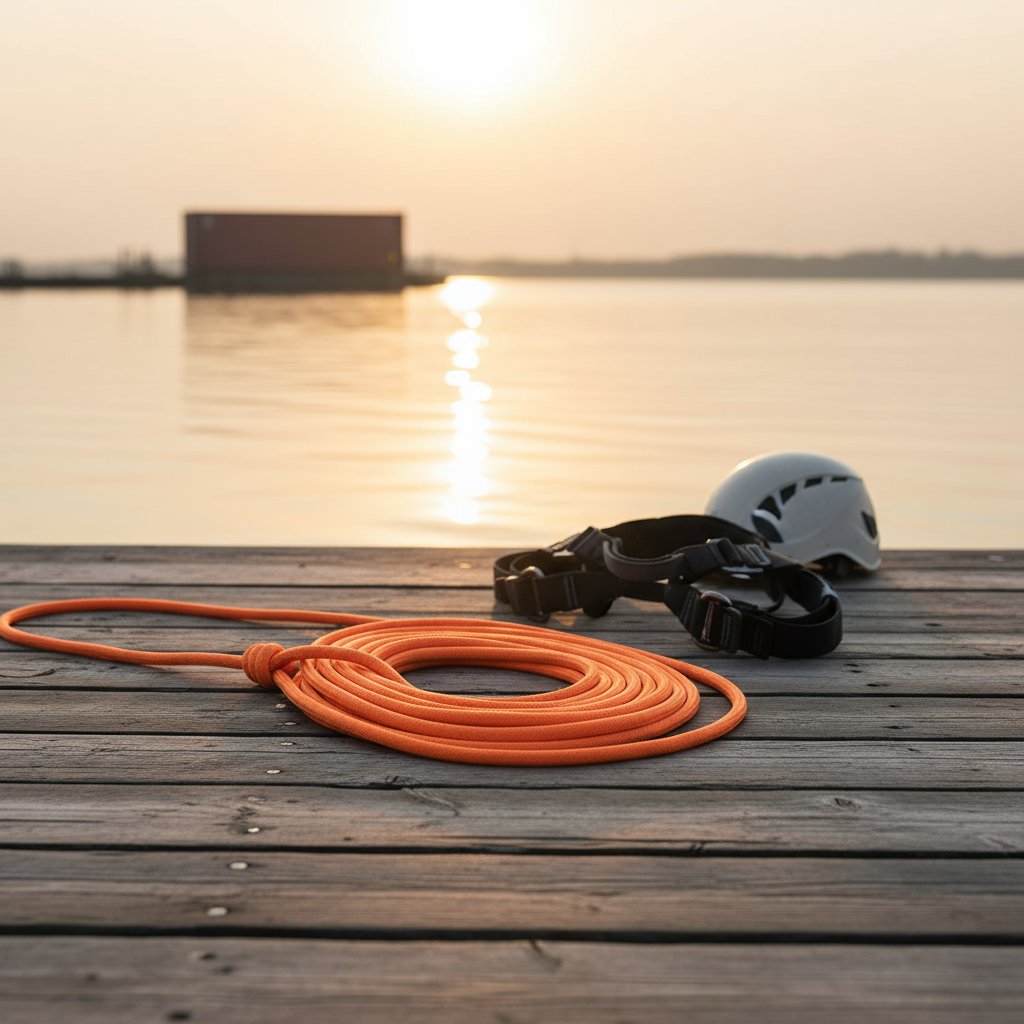
Choosing the correct material is crucial, as it fundamentally dictates how the rope performs under load and reacts to environmental elements. Here are three common fibres frequently used for a half‑inch rope:
- Nylon – This material offers generous stretch and exceptional shock absorption, making it ideal for dynamic loads where elasticity is beneficial.
- Polyester – Known for its higher tensile strength and superior UV resistance, polyester is well‑suited for long‑term outdoor applications where durability is key.
- Dyneema – An ultra‑light synthetic fibre, Dyneema is remarkably strong—roughly 15 times stronger than steel on a weight‑for‑weight basis. Its extreme strength and minimal bulk make it perfect for specialised uses.
Due to its thinner construction, a half‑inch rope typically delivers a breaking strength ranging from 12,000 to 15,000 lbs. This figure translates to a Working Load Limit of approximately 2,400 to 3,000 lbs, providing ample safety margin for rescue lifts, tree‑work rigging, or even a weekend camping haul. Despite its strength, it remains supple enough for quick knotting and effortless handling.
Climbing & Rescue
The low‑stretch characteristic of nylon‑based half‑inch rope allows a climber to feel each movement with precision, while its high‑strength core provides confidence when rescuers raise a casualty from difficult terrain. The rope’s modest diameter also significantly reduces bulk in a pack, enhancing portability.
Always calculate the correct Working Load Limit for your specific task and diligently inspect the rope for any signs of abrasion, cuts, or UV‑induced fading before each and every use.
Beyond climbing and rescue, the half‑inch rope truly shines in tree work, spearfishing, camping rigs, and general‑purpose rigging where manoeuvrability is prioritised over the need for massive load capacity. Next, we’ll delve into the robust construction of the half‑inch wire rope and explore why its steel core makes it indispensable for heavy‑duty hoisting applications.
Technical Guide to the Half Inch Wire Rope
Building on the flexibility of synthetic half‑inch rope, the half inch wire rope introduces steel‑grade durability, which is perfect for the most demanding lifts. Its metallic core makes it the definitive choice when a firm, non‑stretching line is absolutely essential.
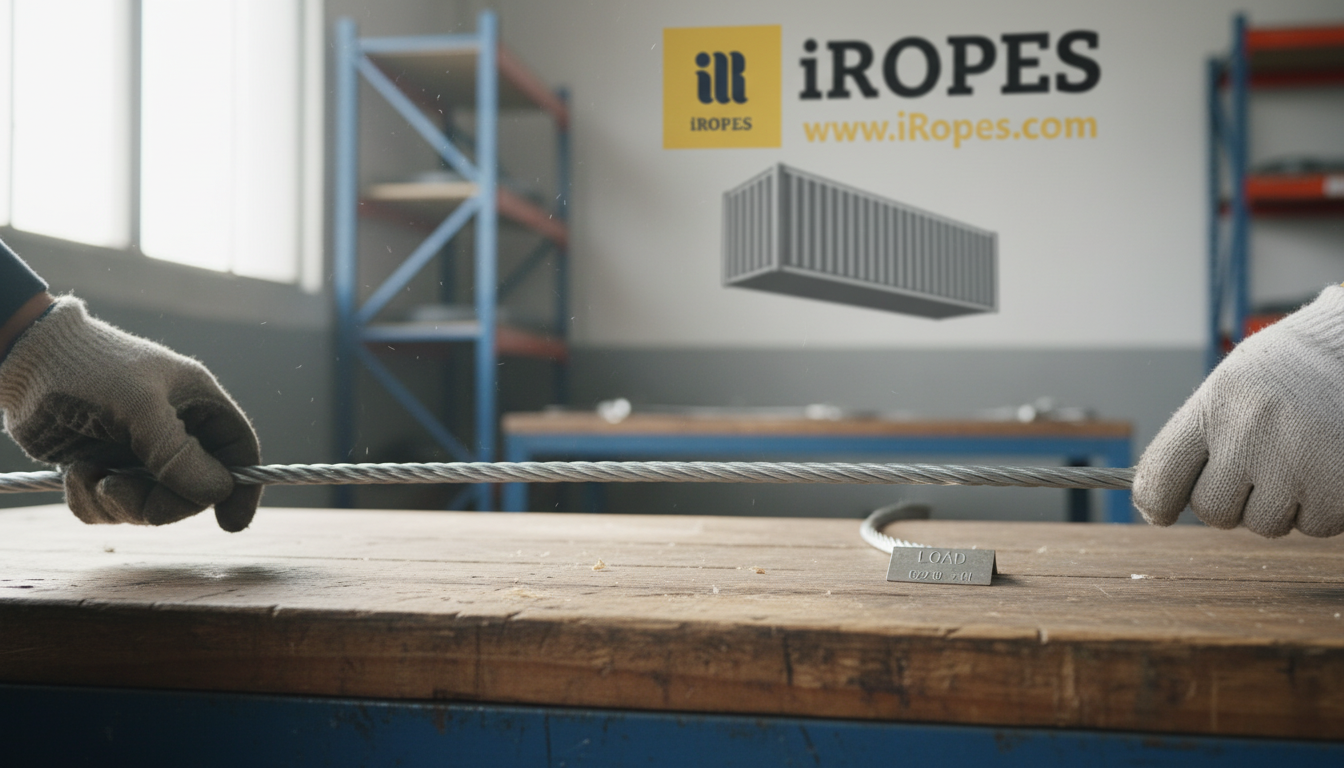
The most common constructions for half‑inch wire rope are 6x19 and 6x37. Both are frequently paired with an Independent Wire Rope Core (IWRC). A 6x19 layout offers easier bending around sheaves, making it suitable for applications that require a degree of flexibility. In contrast, 6x37 features a denser core, providing enhanced durability in environments where abrasion is a significant concern. Galvanised finishes protect against corrosion, while bright or stainless‑steel variants are tailored for specific marine or chemical exposures, offering superior resistance in harsh conditions.
When it comes to sheer power, a standard 6x19 half inch wire rope has a breaking strength of approximately 24,000 lb. Translating this to a safe Working Load Limit (WLL) means it can reliably hoist about 4,800 lb, assuming a standard 20% safety factor. This calculation ensures a secure margin for operational safety.
Construction
6x19 offers easier bending; 6x37 adds extra core strength for abrasive settings. Both are compatible with IWRC for superior load distribution and stability.
Strength
A 6x19 galvanised cable typically reaches about 24,000 lb breaking strength, yielding a safe WLL near 4,800 lb for routine, critical lifts.
Inspection
The 3‑6 rule dictates replacing the rope if six wires break in a single lay or three wires break within any single strand. This prevents hidden fatigue and ensures safety.
Applications
Favoured in construction hoists, marine anchoring, mining cable logging, and other heavy‑duty rigging where uncompromising reliability outweighs flexibility requirements.
Key point
A thorough understanding of its construction, inherent strength, and the crucial 3‑6 inspection rule ensures that half inch wire rope performs safely and lasts significantly longer.
When selecting this wire rope for your project, always double‑check that the finish perfectly matches its intended environment. Furthermore, meticulously calculate the Working Load Limit (WLL) before initiating any lift, and always keep the 3‑6 rule at the forefront of your inspection checklist. Adhering to these practices not only safeguards personnel but also significantly maximises the return on your investment by extending the rope's lifespan and ensuring operational integrity.
After observing an inch and a half rope effortlessly lift a 20‑ton container in a single, smooth pull, it becomes undeniably clear: choosing the right rope size and material can dramatically reduce both complexity and risk in your operations. Whether you require the supreme manoeuvrability and handling of a half inch rope for climbing, rescue, or camping, or the rugged, unyielding performance of a half inch wire rope for heavy‑duty hoisting, iRopes can precisely fine‑tune the diameter, construction, colour, and accessories. We match your exact load‑capacity and brand requirements, all backed by our ISO‑9001 quality certification and efficient global shipping.
Request a personalised rope solution
Use the form above to discuss your specific application. Let our specialists design the optimal rope configuration tailored perfectly for your project’s unique demands.
