Hollow‑core nylon rope lifts comparable loads while shedding about 30% of the weight – a clear advantage wherever you haul, rig, or carry.
What you’ll gain – ~2 min read
- ✓ Cut handling weight by about 30 % → faster rig‑ups and less fatigue.
- ✓ Retain ≥90 % of tensile strength after 5 years of UV exposure with UV‑stabiliser additives.
- ✓ Deliver ≈2 800 N at 12 mm while reducing shipping weight and potential costs.
- ✓ Pick the correct hollow fid in seconds with our size‑matrix, avoiding splice failure.
Many riggers assume heavier, solid rope is the only way to guarantee strength. In practice, a hollow‑core nylon rope can deliver around 2 800 N at 12 mm with far less mass. You’ll see why the empty centre boosts performance, and how a correctly sized hollow fid helps you create a splice that locks under tension. Read on for the steps and the data.
Understanding Hollow Nylon Rope: Definition and Core Benefits
After looking at how the right rope can boost performance, let’s dive into what makes a hollow‑core nylon rope distinct from the rest.
A hollow‑core nylon rope is a single‑braid, tubular construction made from woven nylon strands with an empty centre. The hollow interior reduces mass, while the braided tube carries the load with an excellent strength‑to‑weight ratio. You’ll notice the difference when you’re hauling gear up a cliff or packing a boat.
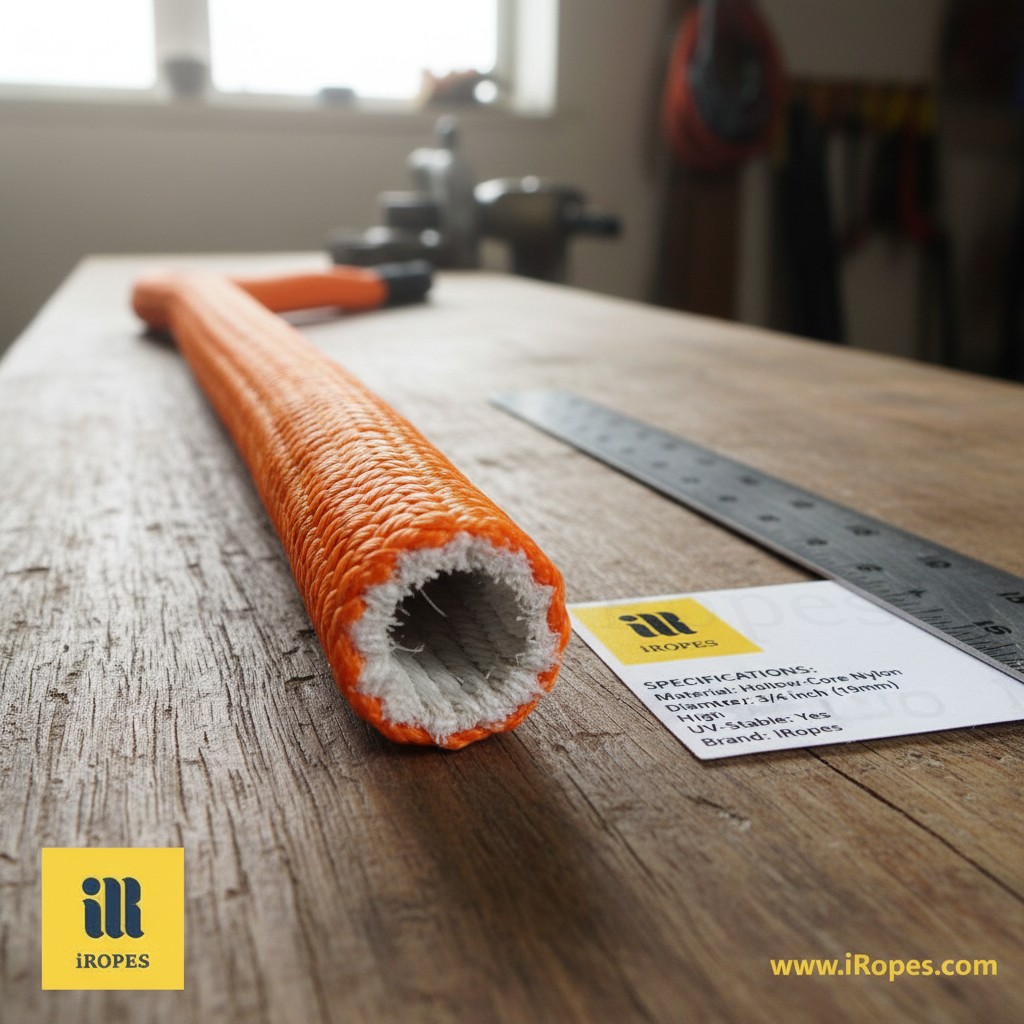
The recommended hollow woven nylon construction is where the rope earns its durability badge. It resists abrasion from rough edges, defends against sun‑induced degradation when paired with UV‑stabilisers, and offers high elasticity to absorb shock. Those three traits – wear resistance, UV resistance, and high elasticity – keep the rope performing reliably season after season.
- Lightweight – about 30 % less mass than a solid counterpart of the same diameter.
- Strong‑to‑weight – maintains comparable tensile strength while shedding weight.
- Durable braid – wear‑resistant, UV‑protected (with stabilisers), and highly elastic.
When you stack a hollow nylon rope against a solid rope, the maths are clear: a 12 mm version can handle roughly 2 800 N of tension, yet it weighs about a third less. That strength‑to‑weight ratio translates into easier handling, lower shipping weight, and less fatigue for the person doing the work.
Under tension, a hollow‑core braid tightens like a Chinese finger‑trap, so a well‑made eye splice stays secure while the line remains remarkably light.
Understanding these core benefits sets the stage for the next part of the guide, where we’ll look at how the rope’s internal construction influences performance and which hollow fid you’ll need for a perfect splice.
Construction and Performance of Hollow‑Core Nylon Rope
Now that you see why the lightweight core matters, let’s look inside the rope. Hollow‑core nylon is a single‑braid design, typically with 8–12 interwoven strands forming a self‑supporting tube. High‑tenacity nylon fibres and balanced braid geometry spread the load evenly, keeping the rope supple through pulleys and resistant to kinking.
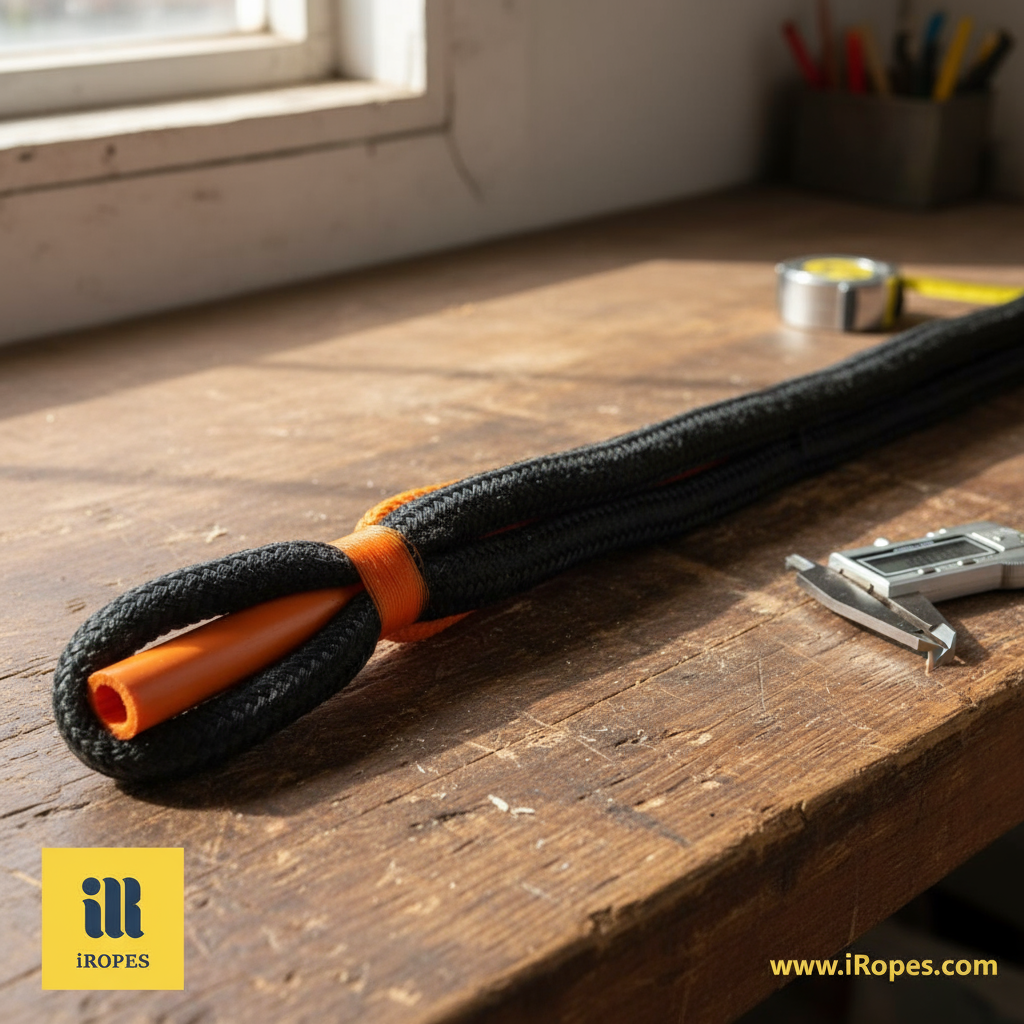
When it comes to performance, the construction translates into measurable benefits. A 12 mm diameter line typically delivers about 2 800 N of breaking load. Nylon’s inherent elasticity helps absorb shock, and with UV‑stabiliser additives the rope can retain ≥90 % of its strength after five years of outdoor exposure. The tightly woven surface enhances abrasion resistance for off‑road, marine, and industrial use.
- Pros – about 30 % lighter than comparable solid rope.
- Cons – slightly lower abrasion tolerance under extreme edge loading.
- Verdict – superior strength‑to‑weight for most uses.
So, is a hollow‑core braid better than a solid line? In practice the lighter weight and secure splice behaviour outweigh the modest drop in raw abrasion resistance, especially when you pair the rope with a properly sized hollow fid for splicing.
Key Performance Specs
Tensile strength ≈ 2 800 N (12 mm), high elasticity for shock absorption, with UV‑stabilisers retains ≥ 90 % strength after 5 years, weight reduction ≈ 30 % versus solid rope.
With that construction insight in mind, you’ll find the next step—choosing the right hollow fid for a clean splice—much clearer.
Choosing the Right Hollow Fid and Size Selection
Now that you understand how the braid influences performance, the next decision is the tool that opens the strands for a clean splice. A hollow fid is a tapered instrument—usually steel or reinforced plastic—designed to separate the fibres of a hollow‑core nylon rope without damaging the surrounding braid. By inserting the fid into the rope’s centre, you create a neat eye that preserves the line’s strength‑to‑weight advantage.
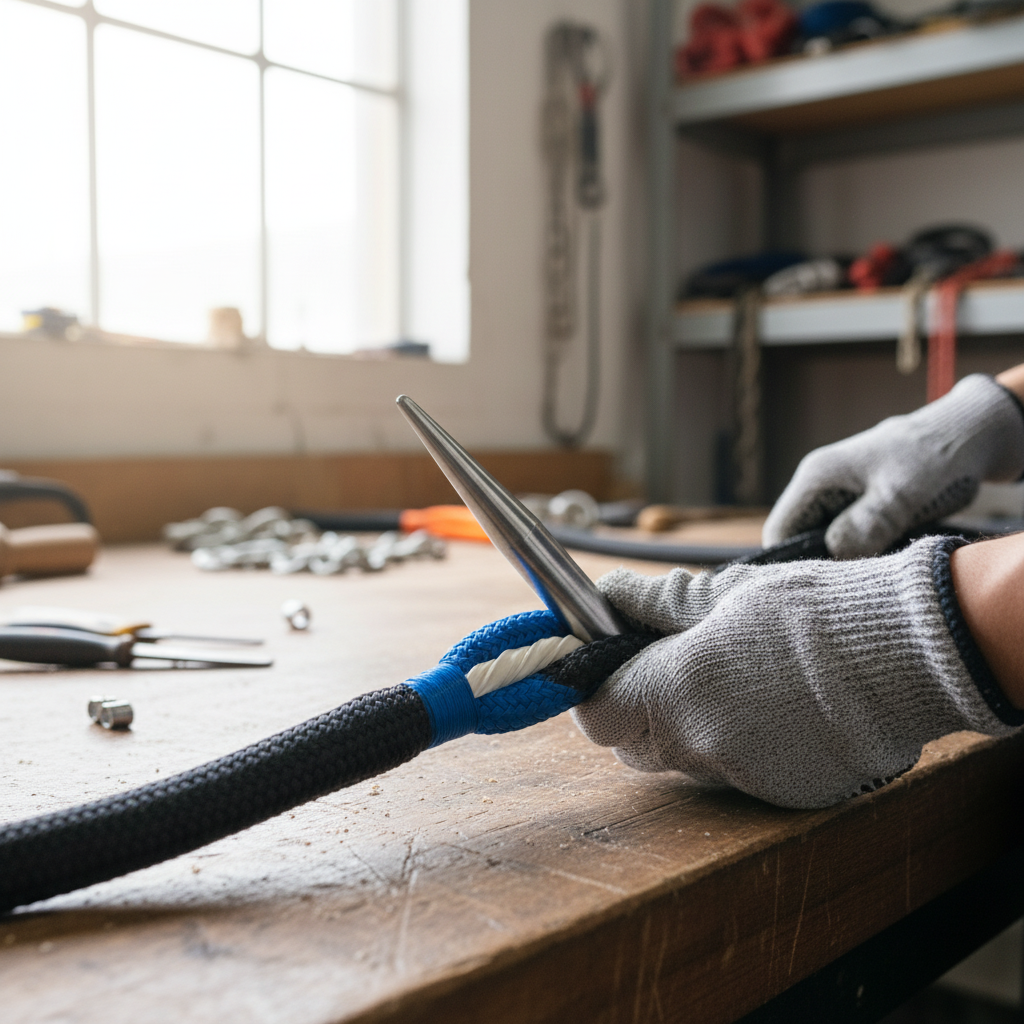
Choosing the right size is easier when you treat the relationship as a simple matrix: rope diameter on one side, fid size on the other. Below is a quick reference that works for most commercial ropes.
Rope → Fid
Match the tool to the line
4 mm rope
Use a 4 mm fid – fits up to 4 mm line.
8 mm rope
5.5 mm fid – ideal for 6‑8 mm ropes.
12 mm rope
7.5 mm fid – handles up to 12 mm line.
Fid → Max Rope
Select the largest rope the fid can open
4 mm fid
Works with ropes up to 4 mm diameter.
5.5 mm fid
Suitable for 6‑8 mm ropes.
7.5 mm fid
Covers 10‑12 mm ropes.
So, what size fid do you need for an 8 mm rope? The industry‑standard answer is a 5.5 mm hollow fid—it opens the strands cleanly without excess play, giving the splice reliable holding power.
Quick DIY tip: wrap duct tape around a stiff wire or the rope end to form a temporary hollow fid for occasional light‑duty splices.
With the appropriate fid in hand, you’re ready to splice, inspect, and maintain your hollow‑core nylon rope for years of service. The next section will show how iRopes tailors custom options and what you should look for when buying and caring for your rope.
Customization, Buying Guide, and Maintenance for Long‑Lasting Durability
Now that you have the right hollow fid in hand, the next step is to make sure the rope you buy fits your exact workflow and stays reliable year after year.
Tailored Solutions
From colour palettes to reflective strips, iRopes moulds each rope to match your brand and application, supporting off‑road and marine use, with OEM/ODM services, ISO 9001 quality assurance, and strict IP protection.
Colour
Choose any hue or high‑visibility shade; colour‑coding speeds rig checks on site.
Reflective
Add striping that pops under low light, ideal for night‑time work.
Pricing
Typical US wholesale pricing for ½‑inch hollow nylon rope ranges from US$12–$45 per 100 ft; volume discounts apply.
Shipping
Direct pallet delivery worldwide; lead times depend on customisation and volume, with punctual order fulfilment.
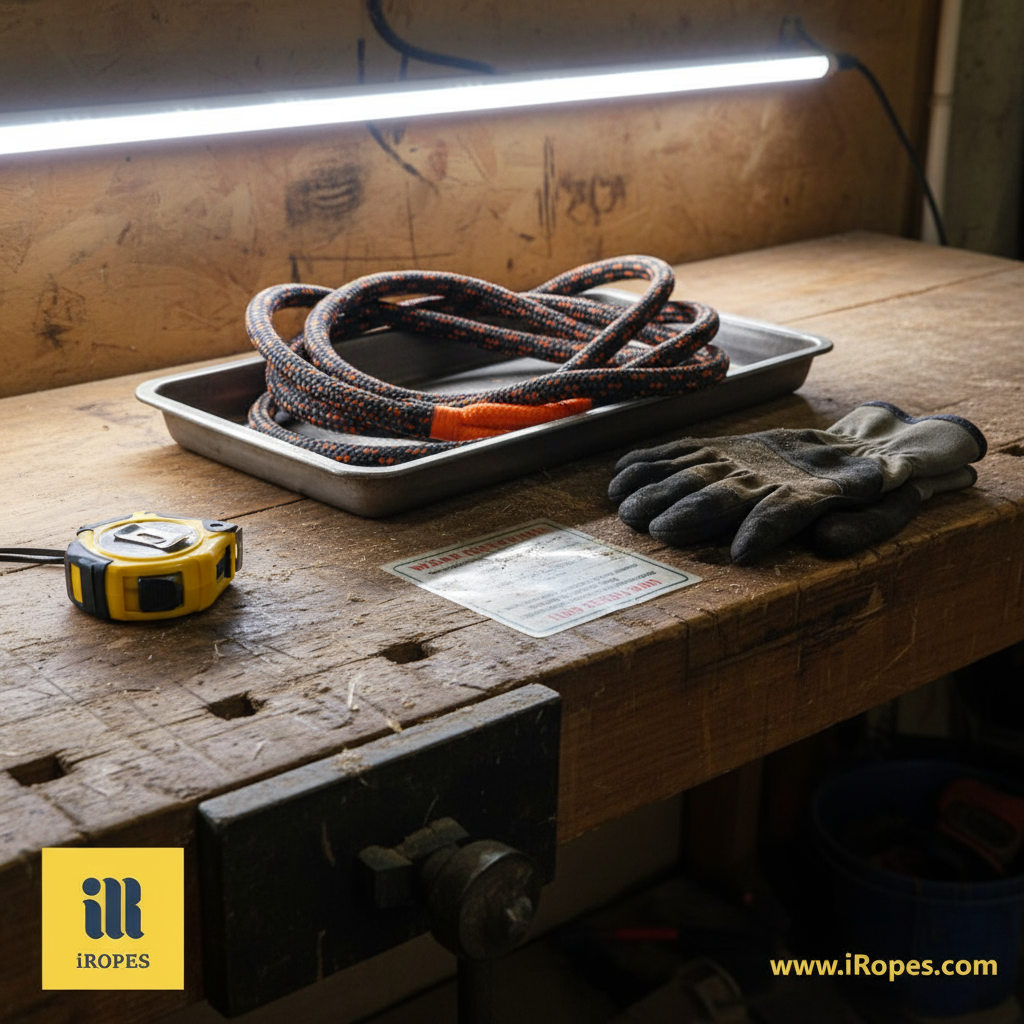
Before you pack the rope away, run a quick inspection each season: look for abrasion flats, glazing, or broken fibres; check for UV fade or embrittlement; feel for stiffness from moisture ingress; and log splice dates. A simple maintenance routine—visual checks, safe storage out of direct sun, and timely replacement when damage appears—keeps hollow‑core nylon rope performing at its best.
When it comes time to splice, the process is straightforward: feed the rope with a properly sized hollow fid, form your eye, bury and taper the tail, then milk and trim. Using the right hollow fid helps the splice retain the line’s original strength‑to‑weight advantage.
By understanding how a hollow core nylon rope’s lightweight tubular design works with a durable hollow woven nylon braid—offering wear resistance, UV resistance and high elasticity—you can achieve superior strength‑to‑weight performance while cutting shipping weight. Pairing the right hollow fid with the appropriate rope diameter ensures clean splices that retain the line’s load capacity, and iRopes’ OEM/ODM options let you customise colour, reflective strips and branding for any industry application.
Request Your Custom Rope Solution
If you’d like personalised guidance on selecting the ideal hollow nylon rope, matching the perfect hollow fid, or specifying a high‑performance braid for your project, just complete the form above and our experts will tailor a solution to your needs.
