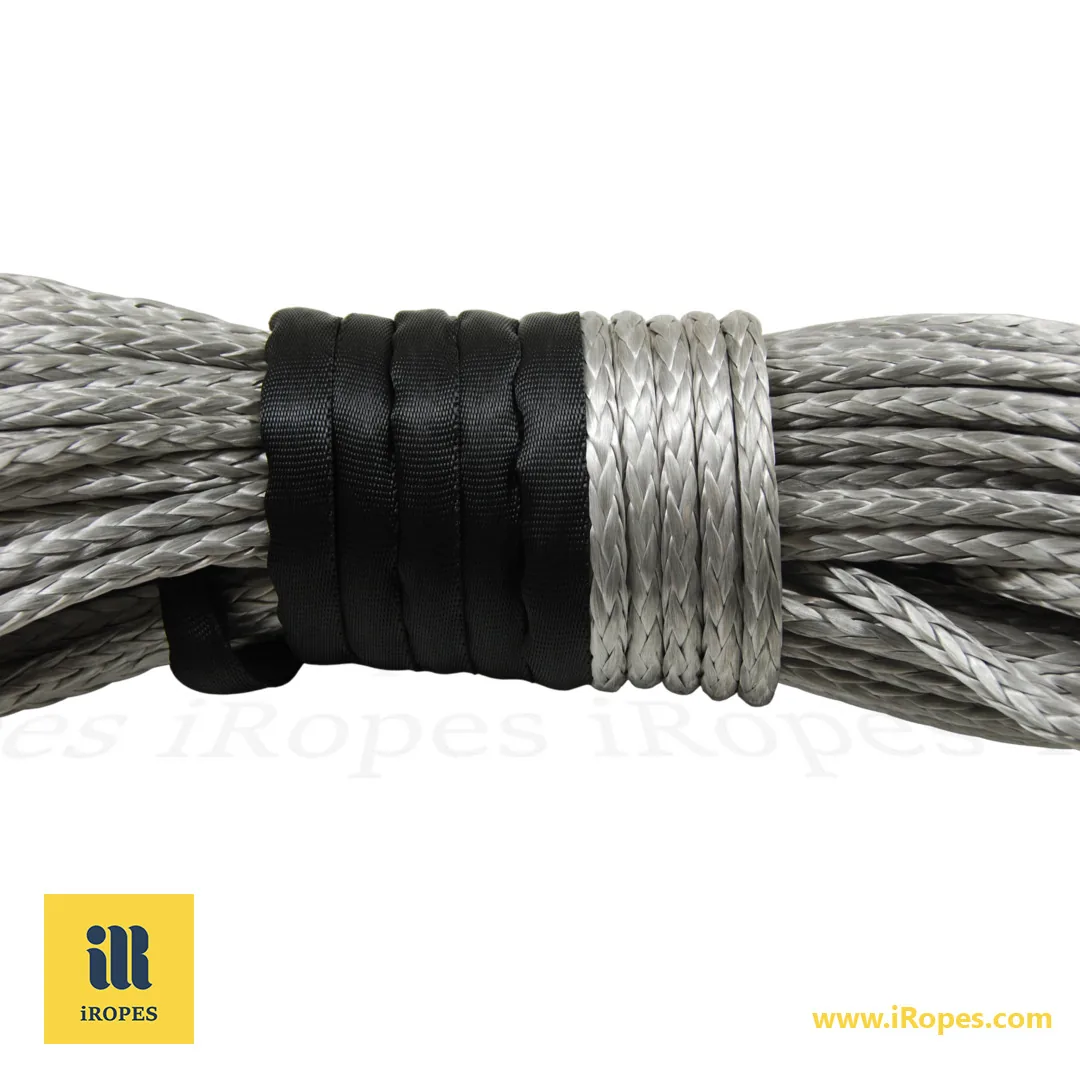
A quality 12 mm anchor rope in nylon offers about 2 400 kg breaking strain. Using the 1/8‑in‑per‑9‑ft rule, it typically suits 25–35 ft (7.5–10.5 m) boats when you verify a ×4 safety factor.
Read in 2 min 30 sec
- ✓ Choose the optimal material (nylon, polyester, polypropylene, Dyneema) for the best strength‑to‑weight ratio and UV resistance.
- ✓ Size your rope precisely with the 1/8‑in‑per‑9‑ft rule, then verify a ×4 safety margin.
- ✓ Customise diameter, colour, branding and accessories (thimble, button) to match your operational needs.
- ✓ Access OEM/ODM pricing with cost‑effective terms, strong IP protection, and on‑time delivery.
Many mariners reach for low‑cost polypropylene, assuming “any rope will hold.” That habit overlooks the recommended safety factor and UV degradation that can shorten service life. Switch to double‑braided nylon with a short chain snubber to improve safety and durability. Below we share the sizing rule, strength data, material comparisons, and custom options that turn a routine purchase into a strategic upgrade.
Understanding the 12mm Anchor Rope
A 12 mm anchor rope is a marine‑grade line with a nominal diameter of 12 mm, commonly supplied in lengths from 10 m to 100 m for midsize vessels. The rope on an anchor is called an anchor rode; it may be all rope, all chain, or a chain‑rope combination.
A good rule of thumb is 1/8 in (≈ 3 mm) of rope diameter for every 9 ft (≈ 2.7 m) of boat length, meaning a 30‑ft boat comfortably uses a 12 mm line.

- Nylon – high tensile strength, useful elasticity, sinks, ideal for most marine anchoring.
- Polyester – excellent UV resistance, lower stretch, suited for sunny climates.
- Polypropylene – lightweight and floats, best for temporary or light‑duty setups.
- Dyneema® – ultra‑high strength with very low stretch; use for specific high‑load requirements.
- Yachting – provides reliable rode for recreational and charter vessels.
- Offshore rigs – used as a secondary line for mooring or emergency retrieval.
- Shore landing – supports beach‑landing operations for tenders and inflatable boats.
BoatUS notes that nylon is the go‑to material for most anchor lines because it balances strength, elasticity, and the ability to sink.
With a clear picture of what a 12 mm anchor rope is, plus its material options and typical uses, we can move on to practical sizing rules and strength calculations that ensure safe anchoring.
Sizing rules and strength calculations
Let’s translate the overview into concrete sizing and strength decisions that keep your vessel secure in varied conditions.
- Apply the rule‑of‑thumb to match rope diameter with boat length.
- Check the breaking‑strain values for your chosen material.
- Factor in a safety margin of four to five times the expected load.

| Material | Approx. breaking strain (kg) |
|---|---|
| Nylon | ≈ 2 400 kg |
| Polypropylene | ≈ 2 030 kg |
| Dyneema® | ≈ 3 500 kg |
Marine best practice recommends applying a safety factor of × 4–5 to the breaking strain. This helps the rope handle sudden loads such as wave shock or a snagged anchor.
So, how strong is 12 mm rope? The table shows a 12 mm nylon line tolerates roughly 2 400 kg before failure, while Dyneema offers an even higher capacity. Multiply your expected load by the safety factor to confirm you remain within safe limits.
Can you use a 12 mm rope for a 30‑ft boat? Yes. The rule‑of‑thumb (≈ 3 mm per 9 ft) aligns a 30‑ft vessel with 12 mm diameter, and the strength data confirms ample margin once the safety factor is applied.
Material choices and customization options
When selecting a 12 mm anchor rope, the fibre type dictates performance in salt water, sunlight, and heavy load cycles. Nylon delivers high tensile strength and forgiving stretch, polyester holds its shape under UV exposure, polypropylene stays buoyant for lightweight setups, and Dyneema provides very high strength at low weight.
| Material | Key advantage | Typical drawback | UV resistance |
|---|---|---|---|
| Nylon | Excellent strength‑to‑weight ratio | Absorbs water and can swell | Moderate |
| Polyester | Low stretch, retains shape | Heavier than nylon | High |
| Polypropylene | Floats, very light | Lower breaking strain | Low |
| Dyneema® | Highest breaking strain per kilogram | Higher cost | Very high |
Construction also influences handling. A three‑strand rope feels supple and is easy to splice, an eight‑plait (octoplait) offers smoother payout with less torsion, while a double‑braided (D‑Braid) core‑and‑cover design gives a clean line and strong abrasion resistance. For anchor lines that must coil quickly and run smoothly over a windlass, many mariners favour double‑braided nylon.
iRopes Custom Options
iRopes can produce 12 mm anchor rope and other diameters from 8 mm to 20 mm in any colour or pattern you require. Branding can be woven‑in or printed on the sheath, and a button‑making service adds custom eye‑splices or loops. Accessories such as stainless‑steel thimbles, chain snubbers, and UV‑protective coatings are available on request. All ropes are made in ISO 9001‑certified facilities with dedicated IP protection, plus non‑branded or customer‑branded packaging and direct pallet shipping worldwide.
SEACO Rope highlights that double‑braided nylon often provides smoother handling and higher tensile strength than three‑strand lines.
The best rope for an anchor line combines high breaking strain, moderate stretch, and solid UV resistance; a double‑braided nylon 12 mm line usually meets those criteria. Essential accessories for a 12 mm rope include a stainless‑steel thimble at the anchor end, a suitable eye splice or loop for the boat, and—when extra shock absorption is desired—a short chain snubber.

Installation, maintenance, and buying guide
Once you have the right material and construction, ensure the line fits your vessel, is installed correctly, and stays in good condition over time.
Length and rode design
The most reliable rule for a safe rode is to multiply the deepest water you expect to anchor in by 8. This “depth × 8” guideline gives enough scope for the anchor to set securely. For offshore work many sailors add a short chain snubber between the anchor and the rope to absorb shock loads and reduce wear.
| Water depth (m) | Recommended rode length (m) |
|---|---|
| 3 m | 24 m |
| 5 m | 40 m |
| 8 m | 64 m |

Installation checklist & maintenance schedule
Installation checklist
Key steps before you set sail
Splice the end
Create a clean eye splice or loop that matches your windlass fittings.
Fit a thimble
Secure a stainless‑steel thimble on the anchor side to protect the rope from chafing.
Load check
Apply a firm, controlled load at the berth to confirm the splice and thimble seat correctly. Never shock‑load during testing.
Maintenance schedule
Keeping the rope reliable
Inspect every 6 months
Check for abrasion, UV fading, glazing, or soft‑spots before each cruising season.
Rinse with fresh water
After each outing, wash away salt to slow fibre degradation and preserve flexibility.
Apply UV protection
Re‑coat the rope with a UV‑resistant treatment if it shows signs of sun damage.
Buying guide – price ranges and OEM/ODM benefits
Standard retail 12 mm anchor rope typically ranges from about US$30 to US$250+, depending on fibre, such as nylon, polyester, or polypropylene, construction, length, and brand. Bulk purchases can reduce the price per metre, though retailers rarely offer colour or logo options. iRopes’ OEM/ODM service provides custom materials, colours, branding, and accessories under ISO 9001 quality assurance, with dedicated IP protection, non‑branded or customer‑branded packaging, and reliable global shipping.
You’ve seen how a 12 mm anchor rope balances strength and handling, from the rule‑of‑thumb diameter guide to breaking‑strain tables for nylon, polypropylene and Dyneema. Nylon is the preferred choice for most primary anchor lines; polypropylene suits temporary or lightweight duties. By applying a ×4–5 safety factor and matching the rope to your vessel’s length, you can ensure reliable mooring whether you’re cruising, offshore, or doing a shore landing.
If you need a rope tailored to your exact specifications—such as customization options for an 8–20 mm shore‑landing line, colour, branding, or button‑making service—iRopes delivers OEM/ODM solutions with ISO 9001 quality, competitive pricing, secure IP protection, and worldwide delivery. Use the form above to discuss your project and receive a free quote.
Ready for a tailor‑made anchoring solution?
For personalised assistance, complete the enquiry form above and our rope experts will help you design the perfect solution for your needs.