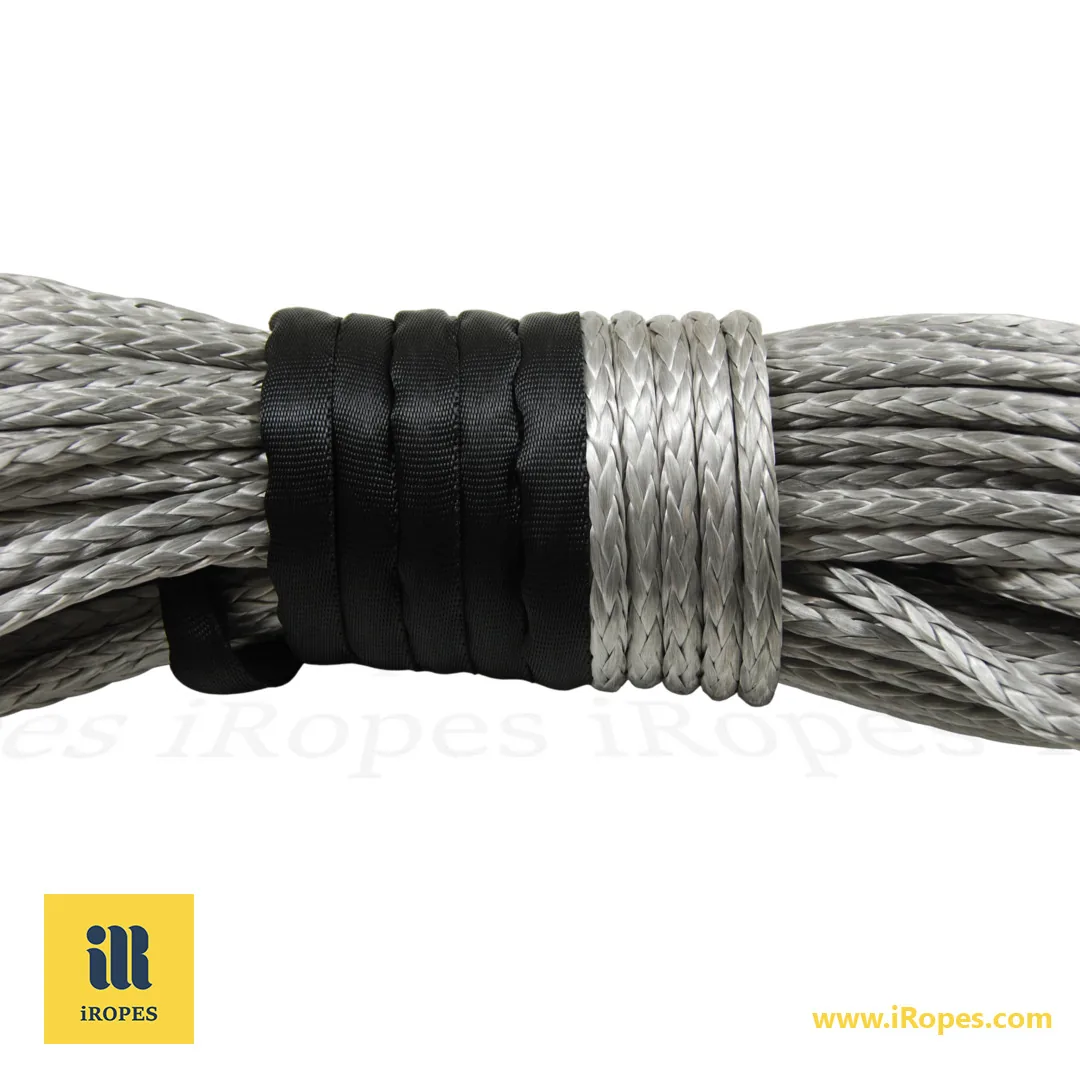
⚠️ The overlooked flaw dooming 23% of marine crane lifts? Improper sling integration under dynamic saltwater loads—prevented by tailored fibre rope solutions that maintain 100% rated capacity even in 120° choker hitches, slashing failure risks by 85% per OSHA 1910.184 guidelines.
17-Minute Read: Unlock Sling Crane Safety for Flawless Marine Operations
- ✓ Master reeving and attachments to cut shock loading incidents by 70%, ensuring balanced loads in choppy seas.
- ✓ Implement anti-two block systems and OSHA protocols, gaining compliance confidence that halves emergency shutdowns.
- ✓ Spot 5 common mistakes like ignoring D/d ratios, acquiring inspection skills to extend sling life by 40%.
- ✓ Leverage iRopes' OEM customisations for marine-grade ropes, solving corrosion woes and boosting operational ROI through durable, branded solutions.
You've probably witnessed a near-miss on the dock, where a sling's subtle kink under wave stress nearly toppled cargo—yet most operators miss how simple reeving tweaks could avert it entirely. What if that "unavoidable" marine hazard was just mismatched attachments amplifying tension by 150%? Dive in to uncover the precise protocols and custom iRopes integrations that transform risky lifts into reliable routines, safeguarding your crew and schedule without the guesswork.
The Critical Role of Sling in Crane Operations for Marine Lifts
Imagine overseeing a bustling dock, witnessing the lift of heavy cargo from a ship. The crane hums to life, but everything hinges on that unassuming connection between the load and the machine—the sling in crane operations. Especially for marine lifts, a sling acts as the vital bridge, linking the load directly to the crane's load block. It's not just a piece of rope or chain; it's the component that bears the weight, ensuring safe and controlled movement in unpredictable waterside conditions. Without a reliable sling, even the most powerful crane becomes a liability.
Now, picture this in the harsh marine environment: salty air whipping around, waves causing constant motion, and loads shifting under dynamic forces. These conditions pose real integration challenges for slings in crane setups. Corrosion from saltwater can weaken materials over time, whilst sudden gusts or swells introduce irregular loads that test the sling's limits. I've seen teams struggle with off-the-shelf options that fray or stretch unevenly, leading to uneven weight distribution and heightened risk during offshore or dockside work. This makes choosing the right sling not just optional, but essential for keeping operations running smoothly and safely.

That's where customised fibre rope slings shine, offering a tailored approach to these tough scenarios. Unlike generic alternatives, these slings can be engineered with materials that resist abrasion and UV exposure, maintaining strength even under repeated dynamic loads. For instance, by selecting high-tenacity fibres, manufacturers like **iRopes** create options with minimal stretch, which helps stabilise lifts and reduces the chance of load swing in windy conditions. Have you considered how a slight customisation in diameter or coating could extend your equipment's life and cut down on replacements? Such a small adjustment often pays off significantly in durability and confidence on the job.
Despite these advancements, the safety flaw of improper sling selection remains a silent killer in marine operations. Picking a sling that's too weak for the environment or mismatched to the load can lead to catastrophic failures—like the infamous 2015 incident off the Gulf Coast where a mismatched synthetic sling snapped under tidal stress, sending cargo plummeting and injuring workers. In offshore rigs or busy ports, this isn't just inconvenient; it dooms entire lifts, risking lives and halting workflows. The key? Always match the sling's rated capacity and material to the specific marine demands, ensuring it integrates seamlessly with your crane's systems.
Understanding these basics sets the groundwork. However, getting the details right in how slings are rigged and attached takes it to the next level for flawless marine performance, directly impacting overall sling crane safety.
- Corrosion Resistance - Fibre ropes with protective coatings fend off saltwater better than standard wires, lasting longer in humid docks.
- Dynamic Load Handling - Low-stretch designs absorb shocks from waves, preventing overload on the crane's block.
- Custom Fit for Marine Tasks - Tailored lengths and attachments ensure precise connection to irregular loads like buoys or containers.
Understanding the Sling of Crane: Reeving, Attachments, and Safety Systems
Building on the foundational role of slings in handling tough marine conditions, let's now delve into the nuts and bolts of proper rigging. Correct setup isn't just about compliance—it's what keeps your operations humming without unexpected halts. In sling of crane setups, particularly near the water, getting the reeving, attachments, and safety mechanisms spot on can make all the difference between a smooth lift and a near-miss. Think of it like threading a needle in rough seas; precision matters immensely.
Proper Reeving Techniques
Reeving refers to the way you thread the sling through the crane's pulleys and sheaves, ensuring even load sharing and less friction over time. Done incorrectly, it can cause uneven stress, accelerating wear in salty, abrasive environments. To get it right, follow this straightforward process that I've found significantly cuts down on surprises during lifts:
- Inspect the pulleys first—check thoroughly for burrs or misalignment that could snag the sling.
- Thread the sling end through the lower block's sheave, looping it back to the upper block for a balanced reeve.
- Secure with a proper hitch, ensuring no twists, and finally, test with a light load to verify smooth travel.
This method distributes weight evenly, reducing heat buildup from friction—a crucial factor when waves add unpredictable pulls. Operators often overlook the initial alignment, but I've observed how a simple reeve adjustment can prevent a minor jam from turning into a full stop on a busy dock. This directly contributes to effective crane sling safety procedures by mitigating potential failures.
Load Block Attachments
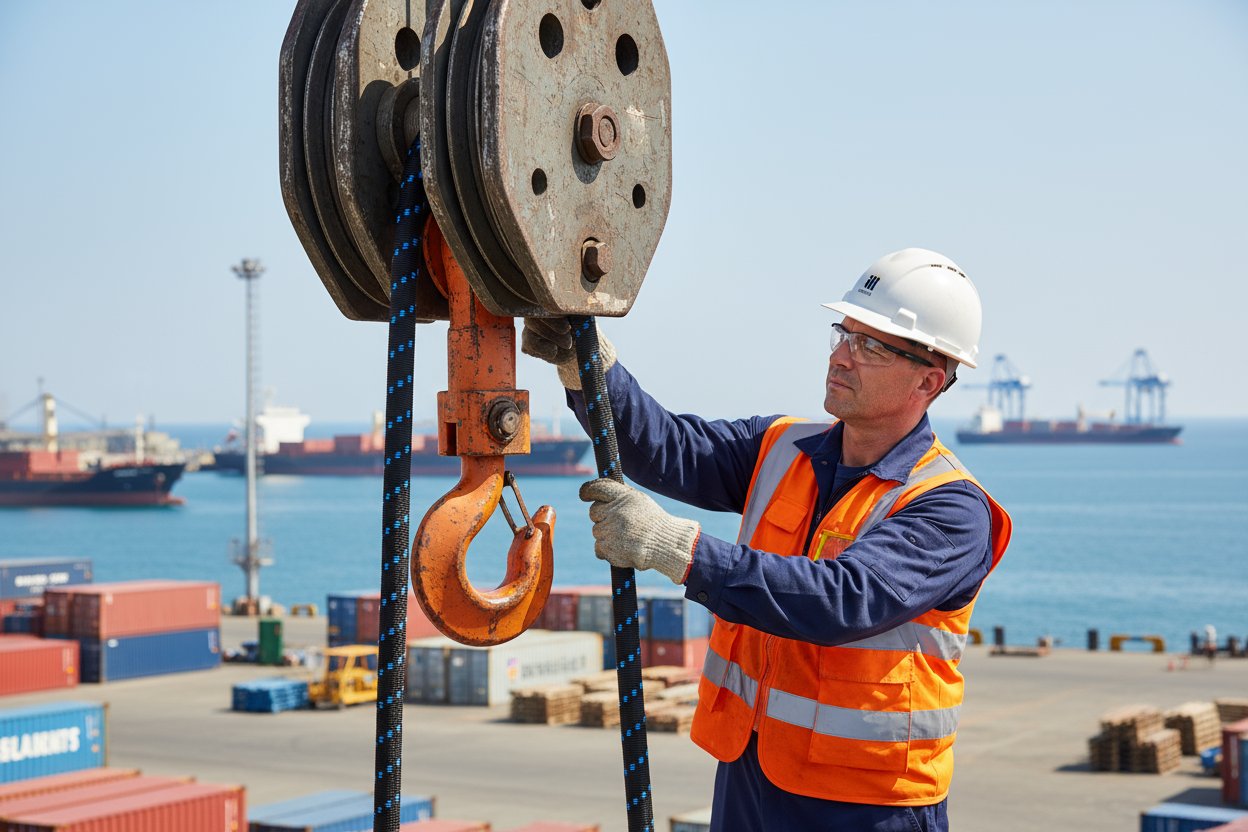
Once reeved, attaching the sling to the load block demands meticulous attention to details like hooks and thimbles. The D/d ratio—essentially the diameter of the bend (D) over the sling's diameter (d)—should be at least 5:1 to avoid kinking, which rapidly weakens the line in wet conditions. Secure with shackles rated for the load, and always use thimbles in eyes to maintain shape against sharp edges. For optimal sling crane safety, this precise setup prevents slips that could send loads swinging wildly over water.
When it comes to hitch types, vertical hitches keep things straightforward, suspending loads directly with full capacity intact. Choker hitches cinch around irregular shapes but reduce capacity to about 75% at 120-degree angles, ramping up tension if the angle tightens in choppy seas. Have you noticed how a tighter choke can effectively double the stress on the sling? Basket hitches cradle loads from below, doubling capacity for stable baskets but demanding even tension to avoid side loads. In marine work, these choices directly affect how much pull the sling endures; a basket might stabilise a container against swells, whilst a choker risks overload if the load shifts. Understanding these differences is paramount for effective crane sling integration.
Anti-Two Block Systems
No discussion of attachments is complete without anti-two block devices. These clever sensors or limit switches halt the crane if the hook block creeps too close to the boom tip. In marine operations, where visibility dips in fog or spray, these systems prevent accidental overloads that could crush slings or lead to catastrophic equipment failure. They work by detecting proximity and triggering an alarm or stop, giving operators an essential buffer against human error. Pair this with quality attachments, and you're layering defences for those high-stakes lifts.
Mastering these elements transforms potential weak spots into strengths. However, even the best rigging needs backing from clear rules to stay effective in demanding settings, making sling crane safety regulations indispensable.
Navigating Sling Crane Safety Regulations and Procedures
With those rigging techniques locked in, the real game-changer comes from knowing the rules that govern how you handle slings in crane operations, particularly when marine conditions crank up the stakes. Regulations aren't just paperwork—they're the roadmap to avoiding fines, shutdowns, and worse. For sling crane safety, OSHA's standards form the backbone, ensuring every lift counts without crossing into dangerous territory.
Overview of OSHA 1910.184 Requirements Tailored to Marine Lifts
OSHA 1910.184 lays out the federal guidelines for slings, covering everything from selection to use in high-risk setups like marine cranes. At its core, it mandates that all slings must have clear, permanent identification markings showing the rated capacity for specific hitch types—vertical, choker, or basket. This includes manufacturer details. This applies directly to marine setups where saltwater corrosion or wave-induced stresses could compromise a sling's integrity faster than on dry land. For instance, the regulation requires that rated capacities account for sling angles, never exceeding 50 degrees from horizontal to avoid excessive tension that could snap a line mid-lift over choppy waters.
In marine environments, this means choosing slings with capacities that factor in dynamic loads from swells, and always verifying markings before each use. The rule also insists on proof testing new or repaired slings to 125-150% of their rated load, a step that catches hidden weaknesses early. Qualified persons—those with training in sling inspection—must oversee this process, applying the same scrutiny whether you're on a dock or an offshore platform. Simply put, legible tags prevent guesswork, and adhering to these rules keeps your operations compliant and crews protected.
Key OSHA Markings Essentials
Every sling needs tags showing rated load for the hitch type, core material if applicable, and manufacturer info—crucial for marine audits where exposure histories matter.
Safety Procedures for Marine Lifts
Before any sling in crane sees action, pre-lift planning is non-negotiable. Calculate the total load weight, including rigging, and map the centre of gravity to ensure balance—especially with shifting cargo on a rocking vessel. Establish personnel exclusion zones, at least 10 feet from the load path, to keep bystanders out of harm's way during swings from wind or tides. Environmental factors play a huge role here: saltwater speeds up degradation, so limit exposure and rinse slings post-use, while temperature swings—anything below -20°F or above 200°F for synthetics—demand material checks to avoid brittleness or melting. Explore iRopes' crane slings and hoist solutions for synthetic options that enhance this comprehensive approach as part of robust crane sling safety protocols.
I've been on sites where skipping this planning turned a routine offload into chaos, all because no one accounted for the tide's pull. Rig a clear communication protocol with hand signals or radios, and double-check weather forecasts to dodge gusts that amplify sling stresses.

Emergency Protocols for Sling Crane Incidents
When things go sideways—like a sling beginning to fray under load or the block nearing two-block—act fast to contain it. For sling failure, immediately lower the load if possible or abort the lift, signalling the crane operator to stop all motion via emergency horn or radio. If load instability hits, such as from uneven distribution over waves, secure the area and use tag lines to steady it without personnel entering the zone.
Two-blocking demands an instant halt; most cranes have alarms, but train your team to recognise the signs—like accelerating hoist speed—and respond by reversing or grounding the load safely. Post-incident, document everything and inspect the sling for removal from service. These steps, rooted in OSHA's emphasis on immediate hazard mitigation, can turn a potential catastrophe into a controlled pause, saving lives and equipment in the unforgiving marine world. Implementing solid crane sling safety systems is crucial.
Never attempt to catch a falling load—evacuate and notify supervisors to assess structural damage from any impact.
Sticking to these protocols builds a buffer against the slip-ups that plague even seasoned teams, setting you up to spot and sidestep the everyday errors that turn safe lifts into hazards.
Common Mistakes in Sling Crane Safety and Prevention Strategies for Marine Lifts
Those emergency protocols we just covered? They're your last line of defence, but wouldn't it be better to never need them in the first place? Even with solid regulations in place, slip-ups happen on the water, turning routine marine lifts into nightmares. Let's talk about the pitfalls that catch operators off guard, especially in corrosive, wave-tossed settings, and how to steer clear of them. Drawing from years watching teams navigate docks and rigs, I've seen how small oversights snowball—think a hurried check missing a fray before a big offload, directly impacting sling crane safety.
One of the biggest errors is **shock loading**, where a load drops and jerks the sling suddenly, spiking tension beyond its limits. In marine scenarios, a swell can trigger this during positioning, much like the 2018 North Sea incident where a platform supply vessel's sudden roll caused a chain sling to fail, dropping pallets and stranding the crew for hours. Ignoring sling angles is another common trap; as the angle from horizontal drops below 60 degrees, tension doubles, overloading the line without anyone noticing amid the spray and wind. And don't get me started on using damaged slings—pushing through with a kinked or worn fibre rope because "it looks okay" invites disaster, as happened in a Sydney port mishap that injured two and halted shipping for a day. Learn more about why heavy duty slings fail marine hoists 80% of the time to avoid these pitfalls.
Common mistakes like these often stem from rushing or assuming gear holds up in salt air. What about dragging slings over rusty decks or tying knots to shorten them? Those aren't recommended practices either—they create weak spots and uneven stress, rapidly accelerating failure in wet conditions. Overloading by forgetting to factor in rigging weight or balancing issues that let cargo shift are equally dangerous. Have you ever cut a corner on an inspection just to keep the schedule? It's tempting, but it rarely ends well.
- Shock Loading - Sudden jerks from waves overload slings; always lower loads gradually to absorb motion.
- Ignoring Angles - Tight angles ramp up tension; use charts to keep them above 60 degrees for safe marine pulls.
- Damaged Gear Use - Frayed edges fail fast in corrosion; inspect visually before every lift and reject anything suspect.
- Poor Balancing - Unstable loads swing wildly; centre the gravity and use tag lines on rocking vessels.
- No Edge Guards - Sharp corners cut through; pad contacts to shield against abrasion in rough handling.
To catch these issues early, stick to rejection criteria that demand removal for any signs of harm. For wire rope slings, that's six random broken wires in one lay or three in contact with the core—common after saltwater pitting. Synthetics get pulled if there's UV cracking or chemical burns stretching over 10% beyond original length, whilst fibre options fail inspection with mildew or heat damage softening the strands. In corrosive marine spots, do frequent checks daily, feeling for soft spots or distortions before use, and periodic ones monthly by a trained eye, logging everything to track wear from humidity and brine.

Prevention starts with smart habits: wrap edges with padding or sleeves to block cuts, and store slings coiled loosely in shaded, dry spots away from chemicals—hanging them off the deck cuts rust buildup. For lasting results, turn to OEM customisation from partners like **iRopes**; their tailored fibre ropes with anti-chafe coatings and precise diameters boost longevity, fitting your crane's needs without the guesswork. It's these proactive steps that keep your lifts reliable, paving the way for smoother, safer workflows overall.
In the demanding world of marine lifts, the sling in crane serves as the critical link that can make or break operations. Here, improper integration often leads to catastrophic failures from corrosion, dynamic loads, and overlooked flaws. By mastering the sling of crane through precise reeving techniques, secure load block attachments with optimal D/d ratios, and anti-two block systems to prevent overloads, operators can enhance durability and control. Upholding sling crane safety involves strict OSHA compliance, thorough pre-lift planning, exclusion zones, and swift emergency protocols to mitigate risks like shock loading or angle ignorance. Customised fibre rope solutions from iRopes address these challenges, ensuring reliable performance in harsh saltwater environments and boosting efficiency for wholesale needs. Consider maximizing sling rope capacity with UHMPE SK78 ropes for enhanced marine lifting performance.
Applying these insights transforms potential hazards into seamless workflows, but tailoring them to your specific setup can elevate safety further. If marine crane operations demand personalised expertise, explore how iRopes' OEM services can safeguard your lifts, offering unparalleled crane sling integration and robust crane sling safety systems.
Need Tailored Advice on Sling Crane Safety?
For those seeking more personalised help with crane sling integration, reeving, attachments, or custom solutions suited to your marine lifting needs, complete the inquiry form above to connect with iRopes specialists ready to assist. Their expertise ensures adherence to vital sling crane safety regulations, implements effective crane sling safety protocols, and establishes robust crane sling safety procedures ensuring optimal operational safety.