Custom nylon winch cables from iRopes deliver up to 19,800 lb breaking strength at a 7 mm diameter – 22% stronger than standard nylon and 5 × lighter than steel.
What you’ll gain – ~2 min read
- ✓ Tailored strength: select a breaking load 2‑3 × your vehicle weight for a solid safety margin.
- ✓ Weight reduction: synthetic line up to 6.8 × lighter than comparable steel, boosting fuel efficiency.
- ✓ Fast turnaround: OEM/ODM lead‑time as short as 12 days, keeping projects on schedule.
- ✓ IP‑secure branding: custom colours, logos and packaging protected by NDA.
Most operators still opt for steel cables, typically assuming sheer mass equates to maximum safety. However, current data indicates a Dyneema-based nylon winch cable can handle the same load while weighing only a fraction of its steel counterpart, cutting snap‑back risk by over 90%. In the following sections, we will reveal how iRopes’ custom formulations transform this counter‑intuitive advantage into a practical, cost‑effective solution for even your toughest recoveries.
nylon cable – The Essential Guide to Winch Cables: Steel vs. Synthetic (and the ‘Nylon’ Misconception)
Building on the idea that the right winch line is crucial for a successful recovery, let’s first clarify the core function of a winch cable. Simply put, it transmits pulling force from the winch drum to the load. It must effectively resist stretching under tension and endure repeated cycles without fraying.
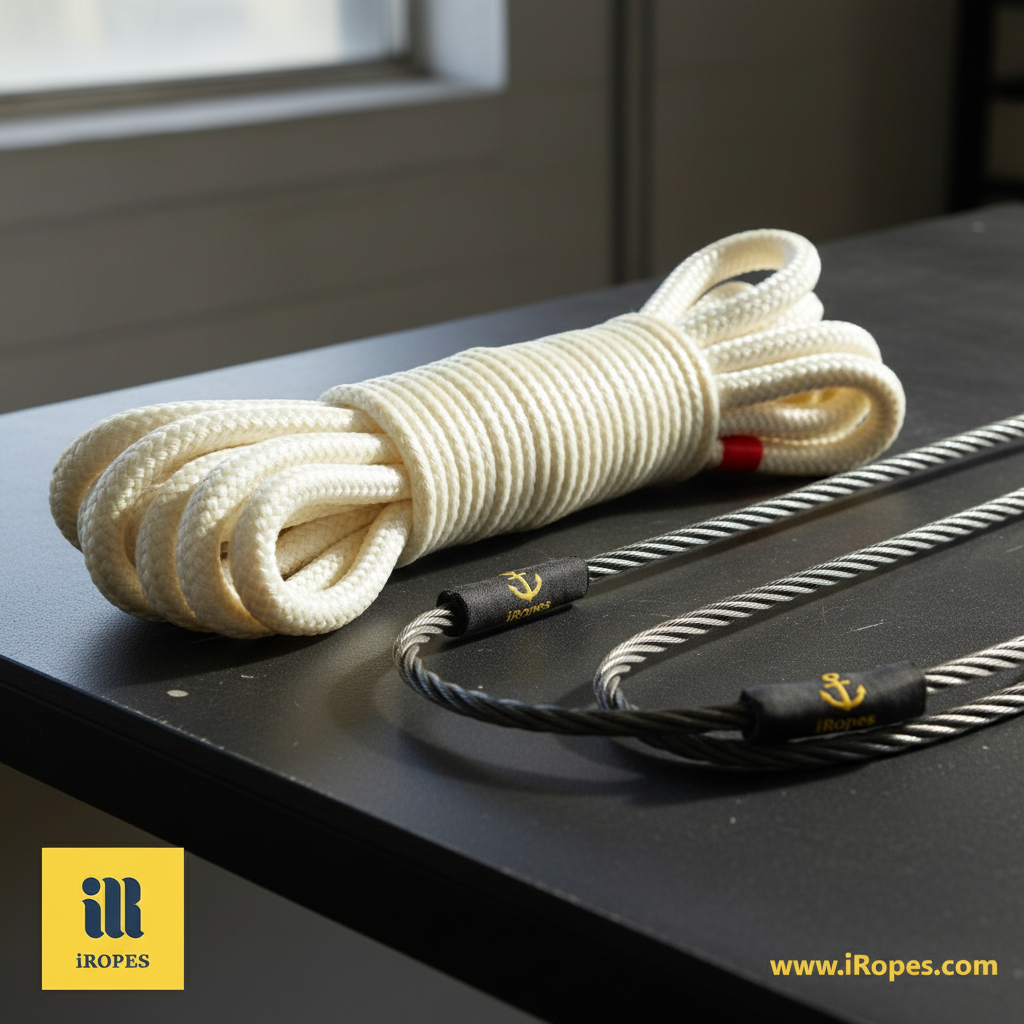
So, why does the term “nylon cable” often lead to confusion? Traditional nylon rope can stretch up to 30% under load. In a winching scenario, this significant elasticity can cause sudden tension release, leading to dangerous recoil. For high‑load recovery situations, such elasticity is a considerable liability rather than a benefit.
- High stretch – Nylon elongates considerably under tension, which reduces effective pulling power and control.
- Low heat resistance – Friction‑generated heat during heavy use can significantly weaken nylon fibres.
- Reduced safety – Excessive stretch makes snap‑back extremely unpredictable and dangerous if the line fails.
This is where modern synthetic alternatives come in. Most high‑performance winch ropes today are crafted from Dyneema (HMPE/UHMWPE), a polymer with molecular chains specifically aligned to provide an extraordinary strength‑to‑weight ratio. Compared with traditional nylon, Dyneema stretches less than 5%, offers superior heat resistance, and floats if it contacts water.
Can nylon rope be used as a winch line? For most demanding winching applications, the answer is generally no. The inherent high elongation of traditional nylon compromises both control and safety. In contrast, a Dyneema‑based nylon winch cable delivers the essential low‑stretch performance that winches require.
If you are still contemplating whether a traditional “cable nylon” product could meet your specific needs, consider the critical scenario: extracting a 4x4 from a mud pit. This task demands a line that remains taut, resists heat generated from the drum, and will not snap back dangerously. A Dyneema‑based nylon winch cable meets all these requirements, whereas classic nylon does not.
Understanding these crucial material differences establishes a solid foundation for our next discussion, where we will compare steel’s durability against the lightweight advantages of synthetic ropes.
Steel Winch Cables: Durability, Drawbacks, and When They Still Make Sense
Now that we’ve established the material landscape, let’s focus on the traditional workhorse that many still rely on – the steel winch cable. Steel has certainly earned its reputation in demanding environments, yet it also comes with trade‑offs that are vital to consider when weighing safety against raw power.
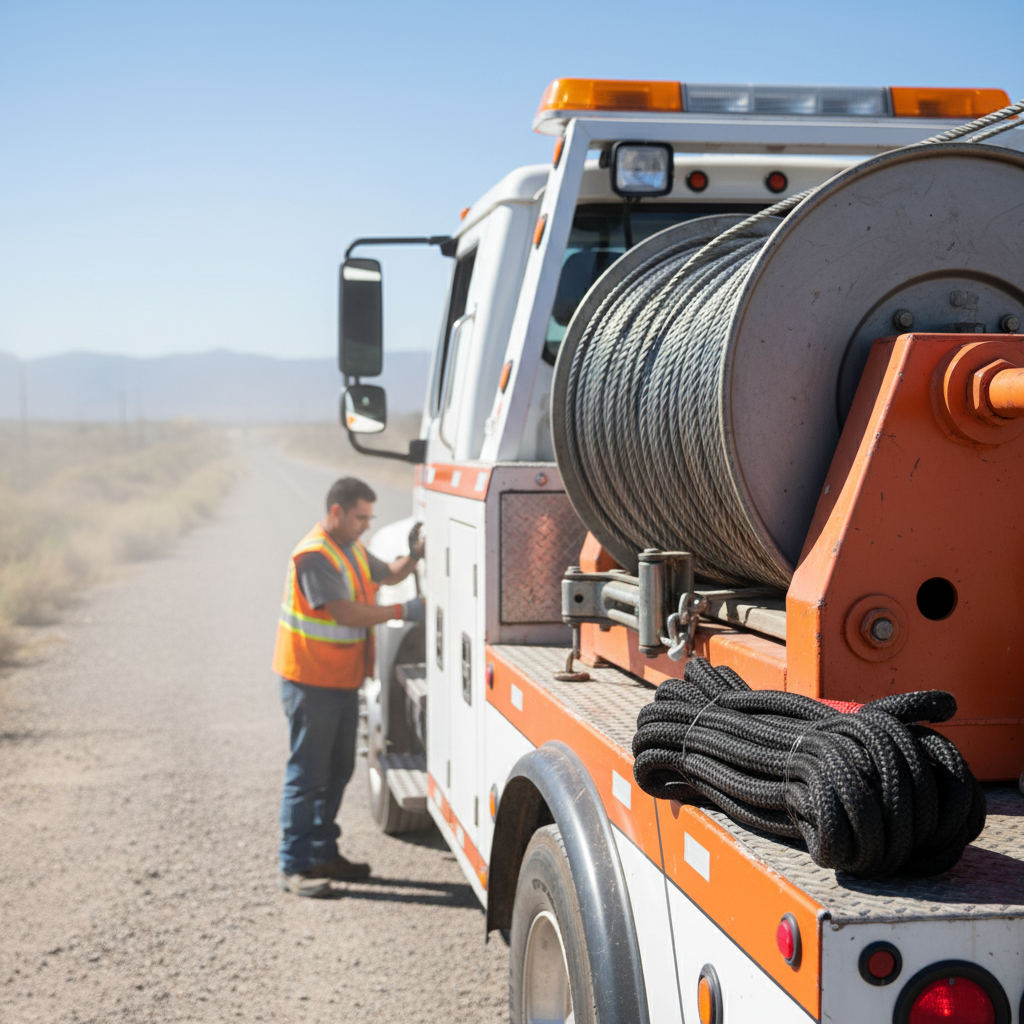
Here are the core advantages that ensure steel cables remain a part of the conversation:
- Exceptional Strength – Steel cables typically provide the highest breaking loads for a given diameter, often exceeding 30,000 lb on a 3/8 inch line.
- Superior Abrasion Resistance – The metallic surface effectively withstands sharp edges, rocky terrains, and occasional contact with metal hooks without fraying.
- Predictable Performance – Unlike traditional nylon, steel does not stretch, ensuring the line remains consistently taut throughout the pull.
However, these strengths are balanced by three practical drawbacks you are likely to encounter in the field:
Significant Weight – A steel rope can weigh up to seven times more than an equivalent‑diameter synthetic line, adding a noticeable and often undesirable load to the vehicle. High Snap‑back Risk – If the cable snaps under tension, the stored kinetic energy can create a dangerous recoil, posing a serious threat to bystanders. Prone to Kinking – Sharp bends can permanently deform the individual strands, thereby significantly reducing the cable's overall strength and integrity.
Because of these inherent characteristics, steel is not always the universal answer. It truly excels in specific scenarios where its durability decisively outweighs the handling penalties:
- Industrial rigging – For heavy‑duty lifts, crane operations, and permanent anchoring tasks where the cable remains static for extended periods.
- Sharp‑edge environments – Such as mining, demolition, or construction sites where the line is likely to encounter jagged metal or abrasive rock.
- Low‑cost, occasional use – An ideal choice for fleet owners who require a reliable yet inexpensive backup for rare recovery missions.
When you ask, “What is the best cable for a winch?” the answer fundamentally depends on your priority matrix. If you prioritise lightweight handling, minimal recoil, and ease of splicing, a high‑performance synthetic rope (often marketed as a nylon winch cable but actually constructed from Dyneema/HMPE) is typically the superior choice. Conversely, if you require sheer abrasion resistance and can manage the extra mass, a steel cable remains a robust option for specific, heavy‑load applications.
Understanding both sides of the equation empowers you to match the correct cable to the specific job, rather than forcing a one‑size‑fits‑all solution. In the next section, we will explore why synthetic ropes, particularly Dyneema‑based designs, are rapidly becoming the preferred alternative for the majority of modern winching tasks.
Synthetic Winch Ropes (Dyneema/HMPE): Performance, Safety, and Customisation Benefits
Building on our comparison of steel and synthetic options, let’s now delve into why a Dyneema‑based nylon winch cable is frequently the smarter choice for contemporary recovery and lifting operations. The polymer’s unique molecular alignment provides a strength‑to‑weight ratio that significantly outperforms traditional nylon cable, all while maintaining a supple line for effortless spooling.

Key material properties that truly set Dyneema apart include:
- Minimal Stretch – With less than 5% stretch, the line remains consistently taut under load, providing superior control and precision during operations.
- High Breaking Strength – A 3/8 inch diameter Dyneema rope can achieve a breaking strength of up to 20,000 lb, comparable to a significantly heavier steel cable.
- Floating Behaviour – Should the rope enter water, it remains buoyant, preventing loss during critical off‑road recoveries and marine applications.
From a safety perspective, synthetic ropes demonstrate clear superiority because they store considerably less kinetic energy than steel. When a synthetic line eventually parts, it simply drops inertly without the dangerous snap‑back phenomenon that can cause severe injuries. Moreover, the absence of metal splinters makes post‑pull inspections far quicker and safer.
Lightweight
Dyneema ropes can weigh up to seven times less than equivalent steel cables, noticeably reducing vehicle load and improving fuel efficiency.
Enhanced Safety
The low‑recoil design eliminates the critical risk of hazardous snap‑back, and the non‑metallic construction removes any splinter hazards.
UV Protection
While exposure to sunlight can degrade UHMWPE over time, incorporating a UV‑resistant sleeve can extend its service life by up to 30%.
Abrasion Shielding
Adding a woven cover or chafe guard provides vital protection to the rope from sharp edges and rough terrains, thus preserving its critical breaking strength.
These protective measures directly address the most common drawbacks of synthetic ropes: UV degradation and abrasion. A simple sleeve or double‑braid cover can effectively mitigate both, ensuring the rope remains reliable and safe season after season.
When deliberating, “Which is better, synthetic or wire winch cable?” the concise answer is: synthetic ropes offer superior safety, lighter handling, and comparable strength. While wire cables maintain an edge in extremely abrasion‑heavy environments and boast a lower upfront cost, for most off‑road and marine recoveries, the synthetic option unequivocally wins on overall performance and practicality.
Customisation Edge
iRopes can tailor a custom nylon winch cable solution to your exact specifications – choose colour, diameter, length, terminations, and even incorporate reflective yarn for night‑time visibility, all under stringent ISO 9001 quality control.
Understanding the performance characteristics, safety advantages, and effective protection strategies for Dyneema‑based ropes equips you to select the optimal line for any given task. The next crucial step involves matching these attributes to your specific load‑capacity requirements, diameter preferences, and accessory needs, ultimately ensuring a truly custom winch cable that perfectly fits your application.
Tailoring Your Winch Cable Solution: Selection Criteria, Maintenance, and iRopes’ OEM/ODM Advantage
Having thoroughly weighed the pros and cons of both steel and synthetic lines, the next and crucial step is to precisely match the rope to your specific operational needs. Starting with a clear set of selection criteria is paramount, whether you are outfitting a 4x4 for challenging off‑road rescues or preparing a marine vessel for complex towing tasks. The right dimensions and accessories will ultimately dictate safety, performance, and the longevity of your winch line.
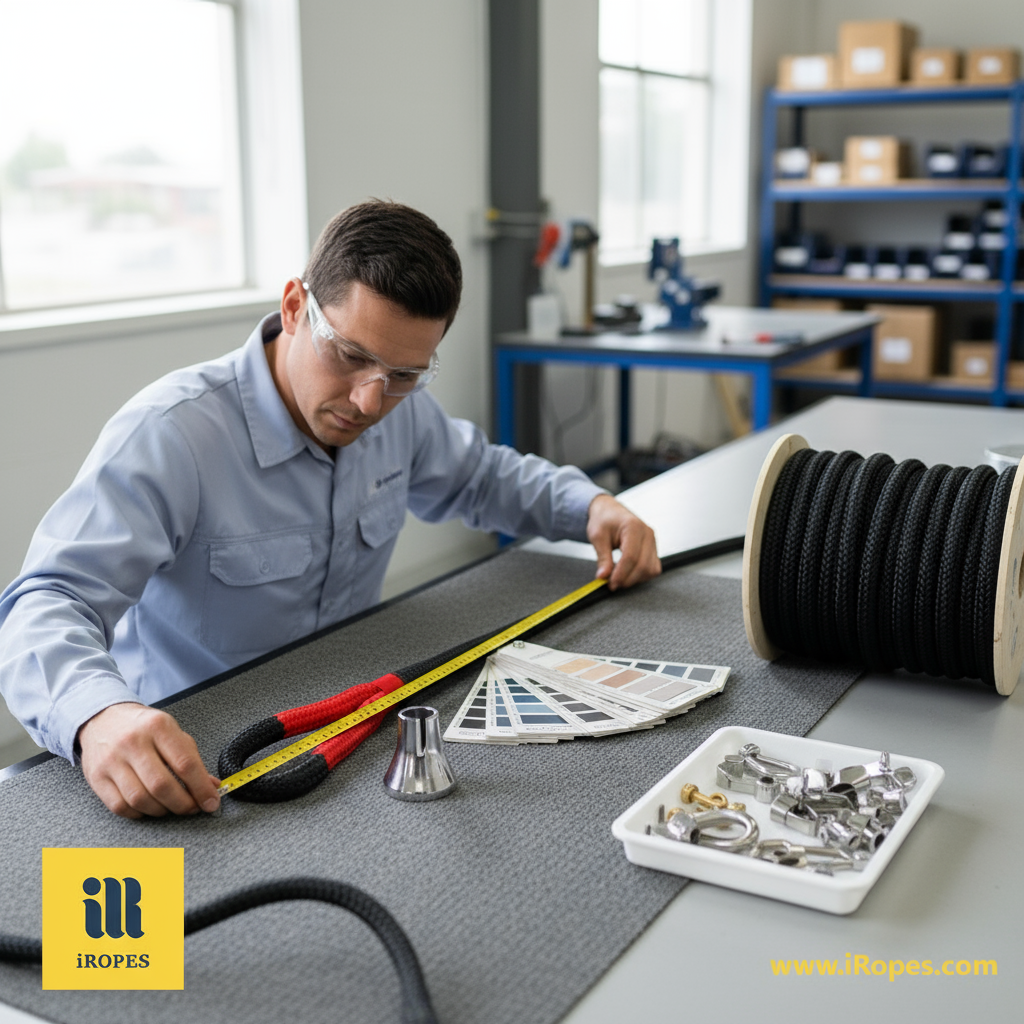
Below is a quick reference guide designed to help you identify which specifications are non‑negotiable for your particular application.
Selection Essentials
Key factors for appropriately sizing your winch line
Load Capacity
Always choose a breaking strength that is at least 2‑3 times the vehicle’s weight. For instance, a 3/8 inch Dyneema line typically handles between 18,000‑20,000 lb.
Diameter & Length
The winch drum’s groove specifically dictates the optimal diameter, while the length must sufficiently cover the longest anticipated pull distance, plus a critical safety margin.
Essential Accessories
Thimbles, shackles, and chafe guards are indispensable for protecting the rope wherever it makes contact with metal or rough terrain.
Customisation Options
Tailor the rope to specifically match your brand identity
Colour & Branding
Select high‑visibility hues or precisely match corporate colours; you can even have logos directly imprinted onto the sheath for enhanced branding.
Termination Types
Eye splices, swage fittings, or custom‑engineered loops can be seamlessly integrated directly during the manufacturing process.
IP Protection
Our comprehensive design process includes robust confidentiality agreements specifically crafted to safeguard your proprietary specifications and intellectual property.
While maintenance might seem like an additional chore, a disciplined routine demonstrably pays off in unwavering reliability. A swift visual check before each use, followed by a gentle wipe‑down with mild soap and careful storage in a bag that shields the rope from harmful UV rays, can significantly extend its service life by years. When you consistently treat your winch line with the same care as any precision tool, the risk of unexpected failure dramatically decreases.
Maintenance Made Simple
Regular inspection, thorough cleaning, and proper storage practices collectively extend your rope’s lifespan by up to 30%.
iRopes transforms these critical considerations into a streamlined and seamless procurement experience. Our comprehensive OEM/ODM workflow allows you to upload a CAD sketch, select a precise colour palette, and specify exact length or termination styles—all managed under stringent ISO 9001 quality control. Because we meticulously protect every design with robust IP clauses, you can confidently launch a branded winch line without any concern about potential duplication.
Are you ready to replace generic “cable nylon” offerings with a purpose‑built nylon winch cable that precisely meets your load chart requirements and visual identity specifications? Contact iRopes today for a complimentary quote and explore how a meticulously customised solution can significantly boost safety, enhance handling, and elevate your brand recognition.
Need a Tailored Winch Line? Get Expert Guidance
After exploring the substantial heft of steel and the safety-first performance of Dyneema, you now understand why a high-strength synthetic line is the optimal choice for demanding recoveries. Our analysis clearly demonstrates that a custom-engineered rope can deliver the low‑stretch reliability of a nylon winch cable, while our nylon cable provides ultra‑high breaking strength at a highly competitive price. With iRopes’ ISO‑9001‑backed OEM/ODM capabilities, you can extensively customise your cable nylon to precisely match branding, colour, and termination requirements, all while fully protecting your design with comprehensive IP safeguards. If you’re ready to specify the perfect solution, simply complete the form above.
For personalised assistance—whether you require expert advice on load capacity calculations, specific material selection, or unique bespoke packaging solutions—please complete the enquiry form conveniently located above, and our dedicated specialists will respond promptly.
