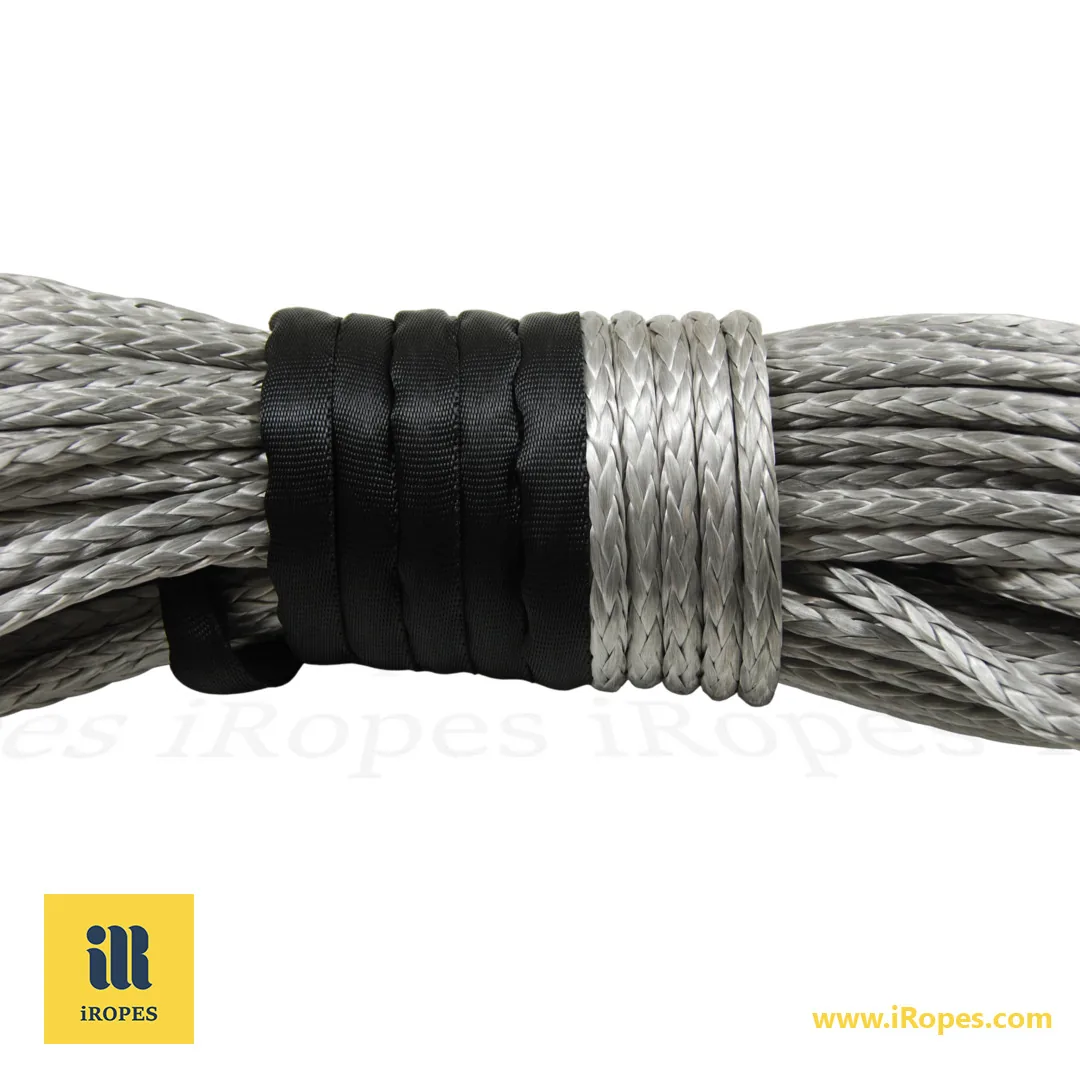
Polyester rope delivers about 5 800 lb break strength and around five years of UV life, while polypropylene can cut price per foot by roughly 55 % but typically lasts only 1–2 years in sunlight.
≈ 3 min read – What you’ll gain
- ✓ Cut replacement costs with UV‑stable polyester for long‑term rigs.
- ✓ Reduce upfront spend by roughly half per foot using buoyant polypropylene for temporary lines.
- ✓ Boost safety: nylon’s 15–28 % stretch absorbs shock; a typical ½‑in nylon line breaks around 6 500 lb.
- ✓ Choose eco‑friendly sisal or Manila to lower environmental impact.
You’ve probably been told that the lowest‑priced rope is the smartest buy, yet most projects bleed money when the line snaps after a season. What if you could pick the fibre that outlasts the load, reduces failures, and still stays within budget? In the sections ahead we dissect polyester, nylon, polypropylene, sisal and Manila, revealing the trade‑offs that turn a simple rope choice into a strategic advantage.
Polyester vs Polypropylene Rope
When you weigh the difference between polyester and polypropylene rope, the decision often comes down to how each fibre handles strength, stretch, sunlight and water. Imagine a sunny marina: one line stays taut and sinks, the other bobs on the surface. Which one suits your project?

Material makeup and standards
Polyester (PET) fibres are extruded from a petroleum‑derived polymer that yields a dense, abrasion‑resistant yarn. Common constructions include three‑strand twisted and braided ropes. Polypropylene (PP) is a lighter thermoplastic; it is typically spun into twisted or braided lines that prioritise buoyancy. Both fibres are produced across wide diameter ranges (for example, 3 mm to 25 mm), yet their densities differ markedly, so polyester sinks and polypropylene floats. At iRopes, these ropes are manufactured under an ISO 9001 quality system to ensure consistent performance.
Side‑by‑side performance snapshot
| Property | Polyester | Polypropylene |
|---|---|---|
| Typical ½‑in. breaking strength | ≈ 5,800 lb (2,630 kg) | ≈ 4,300 lb (1,950 kg) |
| Elongation at break | 2.5 % | 2 % |
| UV life (outdoor exposure) | ~5 years | 1‑2 years |
| Floatation | Sinks | Floats |
| Price per foot (2025) | $0.30‑$0.45 | $0.11‑$0.20 |
Pros and cons
- Polyester – High tensile strength - about 5,800 lb break for a ½‑in. line.
- Polyester – Low elongation - stretches only ~2.5 %, perfect for static rigging.
- Polyester – Excellent UV & abrasion resistance - retains performance for roughly five years outdoors.
- Polyester – Sinks in water - density exceeds water, limiting buoyant uses.
- Polypropylene – Lightest synthetic rope - naturally floats, ideal for buoy lines.
- Polypropylene – Lower break strength - around 4,300 lb for the same diameter, adequate for many temporary tasks.
- Polypropylene – UV‑sensitive - may degrade after 1‑2 years without a protective coating.
- Polypropylene – Lowest cost per foot - typically $0.11‑$0.20, reducing overall project cost.
Polypropylene is the only rope type the US Coast Guard approves for floating buoy lines because it naturally floats, whereas polyester, with its higher density, will sink.
Ideal applications
Choosing the right material becomes clear when you match its strengths to a task:
- Marine mooring lines that demand UV endurance and low stretch – polyester.
- Floating dock lines, buoy attachments, or temporary festival rigging where buoyancy and low cost matter – polypropylene.
- Industrial‑grade tie‑downs that require a balance of strength and budget – polypropylene for lighter loads, polyester for heavier, permanent installations.
Understanding the difference between polyester and polypropylene rope equips you to select the fibre that will hold fast when it counts. Next, we’ll see how nylon measures up against polypropylene in both strength and flexibility.
Difference between nylon and polypropylene rope
After seeing how polyester and polypropylene compare, you’ll notice that nylon brings a very different feel to the table. Its low‑friction surface slides smoothly through pulleys, it tolerates temperatures up to 500 °F (260 °C), and it stretches enough to absorb shock – traits that make it a favourite for prototyping and components that face repeated stress.
Polypropylene, on the other hand, shines because it is lighter than water, floats, and is highly resistant to many chemicals and moisture. It offers a lower static break load than nylon at the same diameter, but its buoyancy and low cost keep it popular for lines that must stay on the surface or be replaced frequently.

So, which is better, nylon or polypropylene rope? In short, nylon provides higher tensile strength and excellent shock absorption for dynamic loads, whereas polypropylene delivers unmatched floatation and cost‑effectiveness for static or temporary applications.
- Friction & glide – Nylon’s slick surface reduces wear in moving systems.
- Temperature tolerance – Nylon endures higher heat; polypropylene softens at comparatively low temperatures.
- Buoyancy – Polypropylene floats, making it ideal for marine or floating‑line projects.
When you match a rope to a job, consider these practical pairings:
- Dynamic‑load lifting, winches, or high‑stress rigging – choose nylon for its elasticity and heat resistance.
- Floating dock lines, buoy attachments, or budget‑friendly temporary setups – opt for polypropylene because it stays on the surface and costs less per foot.
- Hybrid projects that need occasional buoyancy but also some stretch – some blended constructions combine nylon and polypropylene to balance properties.
Nylon excels under dynamic loads and higher heat, but polypropylene wins for floating, low‑cost lines. Choose based on whether strength or buoyancy matters most.
Understanding the difference between nylon and polypropylene rope helps you avoid costly replacements and keeps your projects running safely. Up next, we’ll turn our attention to natural fibres and see how sisal measures against Manila.
Difference between sisal and manila rope
After exploring how nylon and polypropylene stack up, it’s time to turn to the world of natural fibres. Sisal and Manila may look similar at a glance, but their textures, strength levels and environmental footprints differ enough to affect every project you tackle.
Material profiles
Sisal is harvested from the leaves of the Agave sisalana plant. The fibres are coarse, giving the rope a gritty feel that grips well and handles sunlight reasonably. Manila comes from the abaca (Musa textilis) plant and is oil‑treated during manufacturing, which smooths the surface and adds water resistance. Both are biodegradable, but sisal typically breaks down faster when composted or buried.
Side‑by‑side comparison
| Property | Sisal | Manila |
|---|---|---|
| Typical ½‑in. breaking strength | ≈ 1,900 lb (≈ 860 kg) | ≈ 2,400 lb (≈ 1,090 kg) |
| Elongation at break | 3‑5 % | |
| UV life (outdoor exposure) | 4‑6 years | 5‑7 years |
| Water absorption | High – swells when wet | Lower – oil‑treated surface helps repel moisture |
| Biodegradability | Fully biodegradable; typically decomposes faster | Biodegradable; typically decomposes more slowly |
| Cost (USD/ft, 2025) | $0.15‑$0.25 | $0.25‑$0.40 |
So, is sisal stronger than Manila rope? In a direct break‑load test, Manila outperforms sisal by roughly 20 %, giving it the edge for heavy‑duty loads. However, sisal’s higher elongation and rougher texture make it a better fit for applications where grip and feel matter most.
Sisal
Rough, eco‑friendly natural fibre
Grip
Coarse texture provides excellent knot‑holding power, ideal for pet accessories.
UV resilience
Handles sun exposure reasonably well, though weathering will occur over time.
Eco‑profile
Decomposes naturally, making it suitable for green landscaping and decor.
Manila
Oil‑treated, water‑resistant natural fibre
Strength
Higher break load makes it reliable for heavy‑duty rigging and load‑bearing tasks.
Water resistance
Oil treatment limits swelling, so it stays more stable in damp environments.
Longevity
With proper care, Manila can last up to seven years outdoors.
Environmental impact
Both fibres are renewable. Sisal’s quicker biodegradation can reduce end‑of‑life impact. Manila’s longer service life may reduce replacement frequency, balancing material use over time.

When you match a rope’s characteristics to the job – whether it’s a cat‑scratching post, a garden trellis, or a heavy‑duty hoist – the choice between sisal and Manila can mean the difference between a durable solution and a frequent replacement. If you need a biodegradable option that grips well and tolerates sun, sisal is your go‑to. For projects that demand higher static load capacity and better resistance to moisture, Manila offers the extra strength you’ll appreciate over time. Up next, we’ll wrap the guide with a quick recap of the three material pairings and show how iRopes can tailor any of them to your exact specifications.
Looking for a customised rope solution?
Understanding the difdifference between polyester and polypropylene rope helps you choose UV‑resistant or buoyant lines, the difference between nylon and polypropylene rope highlights low‑friction, temperature‑tolerant nylon for prototyping, and the difference between sisal and manila rope shows how natural fibres balance eco‑friendliness with load capacity. iRopes can tailor any of these materials to your exact needs – from low‑friction, temperature‑tolerant nylon for prototyping to budget‑friendly, buoyant polypropylene for floating or temporary equipment – with ISO 9001 quality assurance, comprehensive OEM/ODM services, and full Intellectual Property protection.
If you’d like personalised guidance on selecting or customising the perfect rope for your application, simply fill out the enquiry form above and our specialists will be in touch.