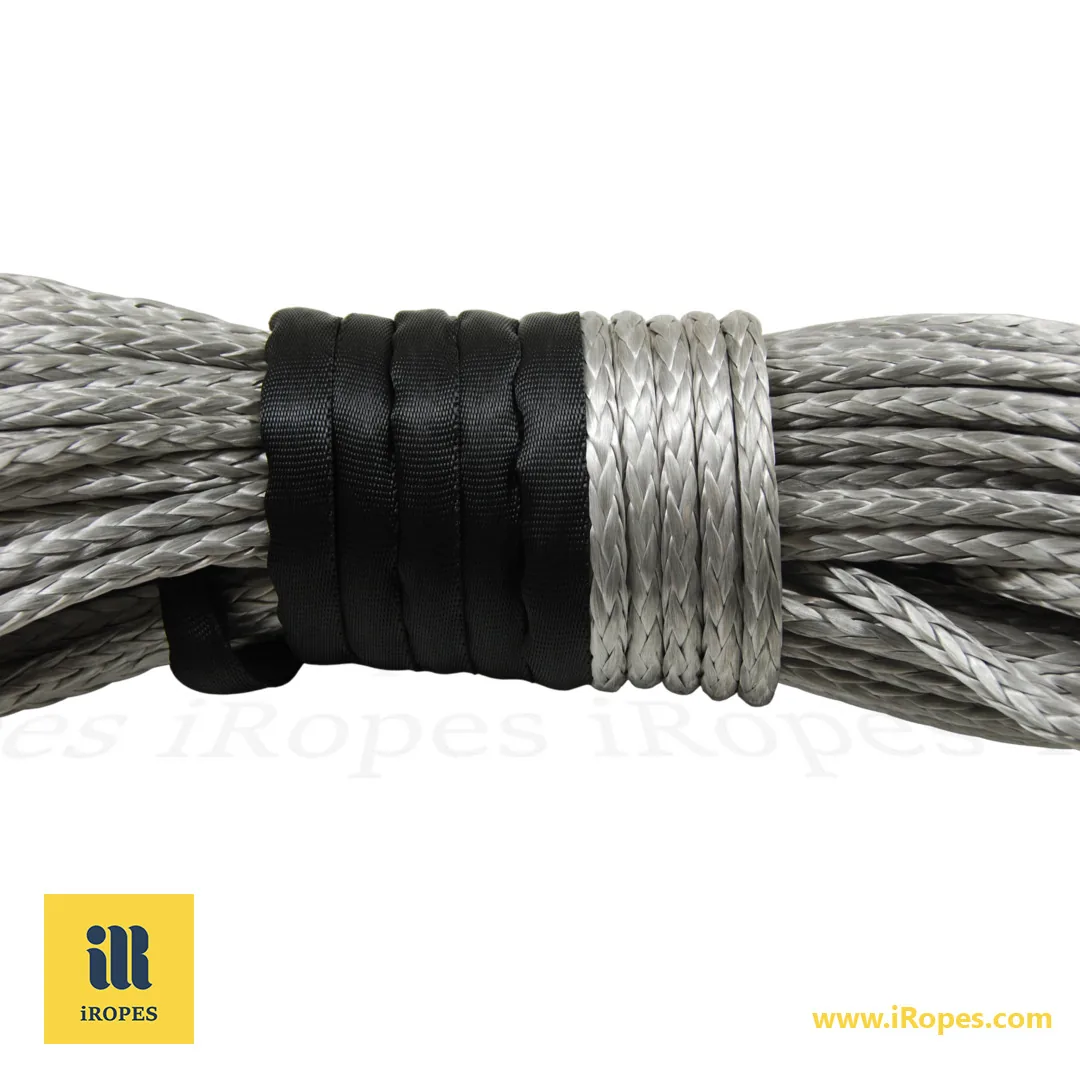
180 kN breaking strength and 95% tensile retention after 10k load cycles – the toughest pull you’ll ever need.
≈4 min read – Why iRopes tow ropes win
- ✓ Up to 180 kN MBS, 30% higher strength-to-weight vs steel.
- ✓ UV- and abrasion-resistant nylon stays flexible from –30 °C to 60 °C.
- ✓ ISO 9001-certified production guarantees 0% deviation on spec tolerances.
- ✓ Direct pallet shipping cuts lead time to 7 days worldwide.
You probably assume a massive steel cable is the only way to pull a 4-tonne vehicle. Yet, most professionals swear by a lightweight nylon tow rope that delivers the same 180 kN breaking strength while eliminating recoil risk. This counter-intuitive choice also cuts handling weight by half and speeds up rigging – benefits you’ll see in the data ahead. Keep reading to discover how iRopes engineers that hidden advantage for every demanding pull.
Tow Rope for Sale: High-Strength Synthetic Options
Reliable ropes are a cornerstone of off-road, marine and industrial work. Now, it’s time to dive into the synthetic families that dominate the tow rope for sale market. Modern synthetic tow ropes combine lightweight construction with a level of tensile strength that rivals steel, making them the go-to choice for anyone who needs a rope that won’t snap under extreme load.

The secret lies in the advanced braiding technique that interlocks high-strength nylon fibres in a parallel-core pattern. This architecture creates a rope that resists chafing from rocks, sand and salty spray, while remaining flexible enough to feed smoothly through a winch. Because the rope’s core is protected by a woven sheath, the material remains stable in both scorching desert heat and sub-zero freeze-outs.
“A well-engineered synthetic tow rope gives you the strength of steel without the weight penalty, letting you pull faster and safer.”
When you compare product data, three specifications emerge as the decision-making pillars:
- Diameter range – from 12 mm to 30 mm, matching most recovery vehicles.
- Minimum breaking strength (MBS) – up to 180 kN, ensuring a large safety margin.
- Working load limit (WLL) – typically set at half the MBS, complying with industry safety factors.
Choosing the right size starts with a simple rule: the rope’s WLL should be at least 1.5 times the heaviest load you expect to move. For a 4-tonne 4×4, a 20 mm synthetic rope with an 80 kN WLL comfortably meets the guideline, while still fitting most winch drums.
Safety isn’t an afterthought; it’s built into every step of using a synthetic tow rope. Secure the rope to a rated attachment point—such as a D-shackle or a forged eye—and double-check that the knot or splice is snug before you apply any tension. After each use, run your fingers along the entire length, looking for frayed strands, abrasion scars or hardened knots that could compromise performance.
By understanding these material benefits, key specs and best-practice habits, you’ll be equipped to select a synthetic rope that delivers the durability promised by iRopes’ engineered designs. The next section will untangle the dual meanings behind “2 tow rope,” showing how a single phrase can refer to both recreational tube-pulling lines and heavyweight industrial ropes.
Understanding 2 Tow Rope: Dual Meaning for Industrial and Recreational Needs
After the brief glimpse of high-strength synthetic tow ropes, it’s time to clarify what “2 tow rope” really refers to. In practice, the phrase points to two very different products: a lightweight, floating line used by water-sport enthusiasts and a massive 2-inch-diameter rope built for heavy-duty industrial recovery.
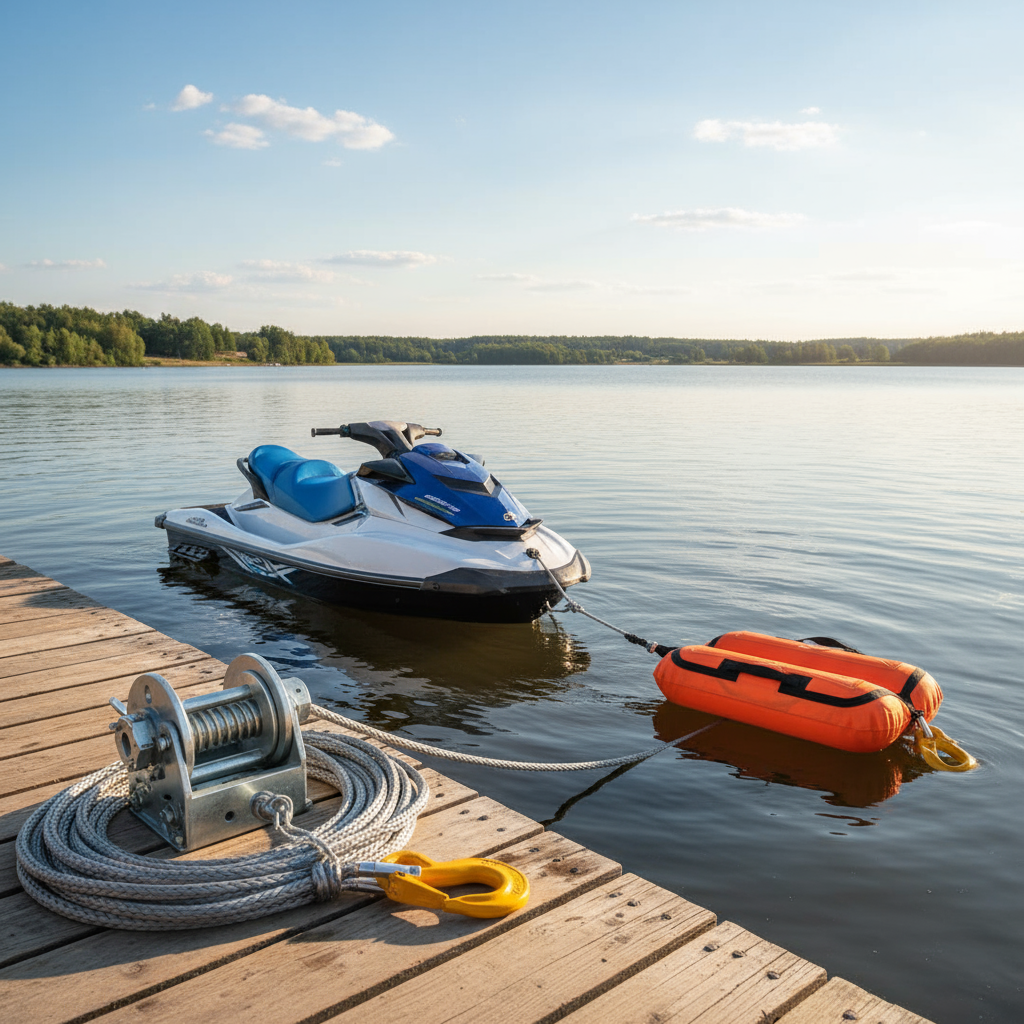
If you’re planning a day on the lake, the 2-person tube tow rope you’ll buy is typically made from floating polypropylene. This material is buoyant, resists UV-induced cracking, and stays supple even after prolonged sun exposure. It’s cut to lengths of 30-45 ft, enough to give the rider a thrilling pull while still being easy to store on a boat deck.
For the industrial world, the “2 tow rope” label usually means a 2-inch-diameter synthetic or wire rope designed to move trucks, tractors, or even small ships. iRopes often builds these with UHMWPE fibres that deliver a minimum breaking strength (MBS) of roughly 190 kN, paired with a working load limit (WLL) of about 95 kN when terminated with a forged steel thimble. The rope can be ordered in lengths from 10 m up to 100 m, allowing you to match the exact span required for your recovery rig.
- Buoyancy vs. Strength – Polypropylene floats for water-sport safety; UHMWPE stays heavy and ultra-strong for land recovery.
- Diameter and Load – 2-person lines are ½-inch to ¾-inch, supporting up to 2 kN; 2-inch industrial ropes handle up to 190 kN MBS.
- End Terminations – Recreational ropes end with a quick-release snap‑shackle; industrial ropes use welded eyes or threaded sockets.
When you match a rope to its job, think about the environment and the forces involved. A floating line will never sink if you accidentally drop it, which saves you hours of retrieval. Conversely, a 2-inch industrial rope must survive abrasive contact with metal fair‑leads and the occasional shock‑load when a stalled tractor finally moves.
Custom-Fit Solutions
iRopes can tailor colour, length, and termination style for both recreational and industrial 2‑tow rope variants, ensuring the product you receive aligns perfectly with your branding and safety standards.
Typical scenarios illustrate the split nicely: a weekend boat crew might attach the polypropylene tube line to a jet ski’s tow hook for a fast‑paced ride, while a construction site could employ the 2‑inch UHMWPE rope to pull a 12‑tonne excavator out of a mud pit using a portable winch. Both applications rely on the same principle—matching rope strength and behaviour to the task at hand—yet they demand entirely different designs.
Understanding these nuances helps you choose the right “2 tow rope” without guessing. Whether you need a buoyant line for water‑sport fun or a beast‑like 2‑inch rope for heavy equipment recovery, the right material, diameter, and termination will keep you pulling safely and efficiently.
Wire Rope for Sale: Construction, Materials, and Performance
After untangling the dual meanings of “2 tow rope,” it’s time to look at the steel‑core alternatives that dominate heavy‑duty recovery and lifting tasks. If you’re hunting for a wire rope for sale, understanding how the strands are arranged and which alloy you choose will determine whether the line survives a quarry lift or a marine cargo swing.

At the heart of any wire rope is its construction. A “6x19” layout means six strands wrapped around the core, with each strand containing nineteen fine wires. This geometry delivers a balance of flexibility and strength, letting the rope run over small sheaves without kinking. By contrast, a “6x37 IWRC” (Independent Wire Rope Core) stacks thirty‑seven wires per strand and replaces the core with a secondary wire rope. The extra wires stiffen the line, making it ideal for long spans where minimal stretch is critical, such as crane hoists or mine shaft supports.
Construction choice drives flexibility and load‑bearing behaviour.
Pick the right lay and strand count to match the motion path of your equipment.
Material grade is the next decisive factor. Galvanized steel wraps a zinc coating around the wires, shielding the rope from rust in damp environments—a smart pick for outdoor construction sites. Bright steel foregoes the coating, delivering the highest tensile capacity for short‑run lifts where corrosion is less of a concern. Stainless‑steel variants, often austenitic grades, survive the salty spray of shipyards and offshore rigs, keeping the breaking strength consistent over years of exposure.
Construction Types
How the strands are arranged
6x19
Flexible enough for pulleys, yet strong for most lifting applications.
6x37 IWRC
Stiff, low‑stretch line suited for long‑span rigging and heavy‑load cranes.
Fibre‑Core
Inner synthetic core reduces weight while preserving core strength.
Material Grades
Choosing the right alloy
Galvanized
Zinc coating fights rust, perfect for outdoor construction and farming.
Bright Steel
Maximum tensile strength for short‑run, high‑impact lifts.
Stainless
Corrosion‑resistant, ideal for marine cargo handling and offshore rigs.
When you compare product data, three specifications matter most: diameter, minimum breaking strength (MBS), and working load limit (WLL). The MBS tells you the absolute force the rope can survive before it snaps; the WLL is typically set at half that value to comply with safety factors. For example, a 2‑inch 6x37 IWRC rope in an EIPS (Extra Improved Plow Steel) grade may boast an MBS of roughly 400 kN, translating to a safe WLL of about 200 kN. iRopes tags every batch with these numbers so you can match the rope to your load chart without guesswork.
Industrial users find these ropes in a wide range of scenarios. In a mining operation, a rugged 6x19 galvanized line pulls ore carts up steep ramps, while a shipyard relies on stainless 6x37 IWRC cables to lift container stacks on floating cranes. Construction cranes, heavy‑duty winches, and even defence‑grade rigging kits all list a wire rope for sale as the backbone of their load‑bearing systems. If you need a rope that can endure abrasive steel contacts, resist salty air, or simply lift a hundred‑tonne beam, the right construction and material grade will keep the job moving safely.
For those looking for a robust, high‑performance pulling solution, explore our heavy‑equipment tow rope options, which combine UHMWPE strength with lightweight handling.
Choosing the proper wire rope isn’t just about raw numbers; it’s about fitting the rope’s behaviour to the motion of your equipment. As you plan your next purchase, ask yourself whether flexibility, corrosion resistance, or sheer tensile capacity is the priority—and let iRopes tailor the strand count, core type, and alloy to meet that exact need.
Get a personalised rope solution
If you’re still evaluating a tow rope for sale, this guide has shown how advanced braiding and high‑strength nylon fibres ensure unmatched strength, abrasion resistance and weatherproof performance, even under extreme temperatures. Our tow ropes are engineered with advanced braiding processes for superior strength and resilience, capable of withstanding immense pulling forces without compromising integrity, even in the most extreme conditions. Made from high‑strength nylon fibres, our tow ropes offer outstanding abrasion resistance and excellent weather durability, maintaining performance consistently whether in scorching heat or freezing cold.
We’ve also clarified the dual meaning of 2 tow rope, from buoyant recreational lines to heavyweight 2‑inch industrial ropes, and explained why choosing the right wire rope for sale depends on construction, core type and material grade. iRopes’ ISO‑9001 backed custom design, branding options and worldwide delivery ensure you get a rope that fits your exact load and branding needs.
For tailored advice, complete the form above and our specialists will contact you with a custom quote.