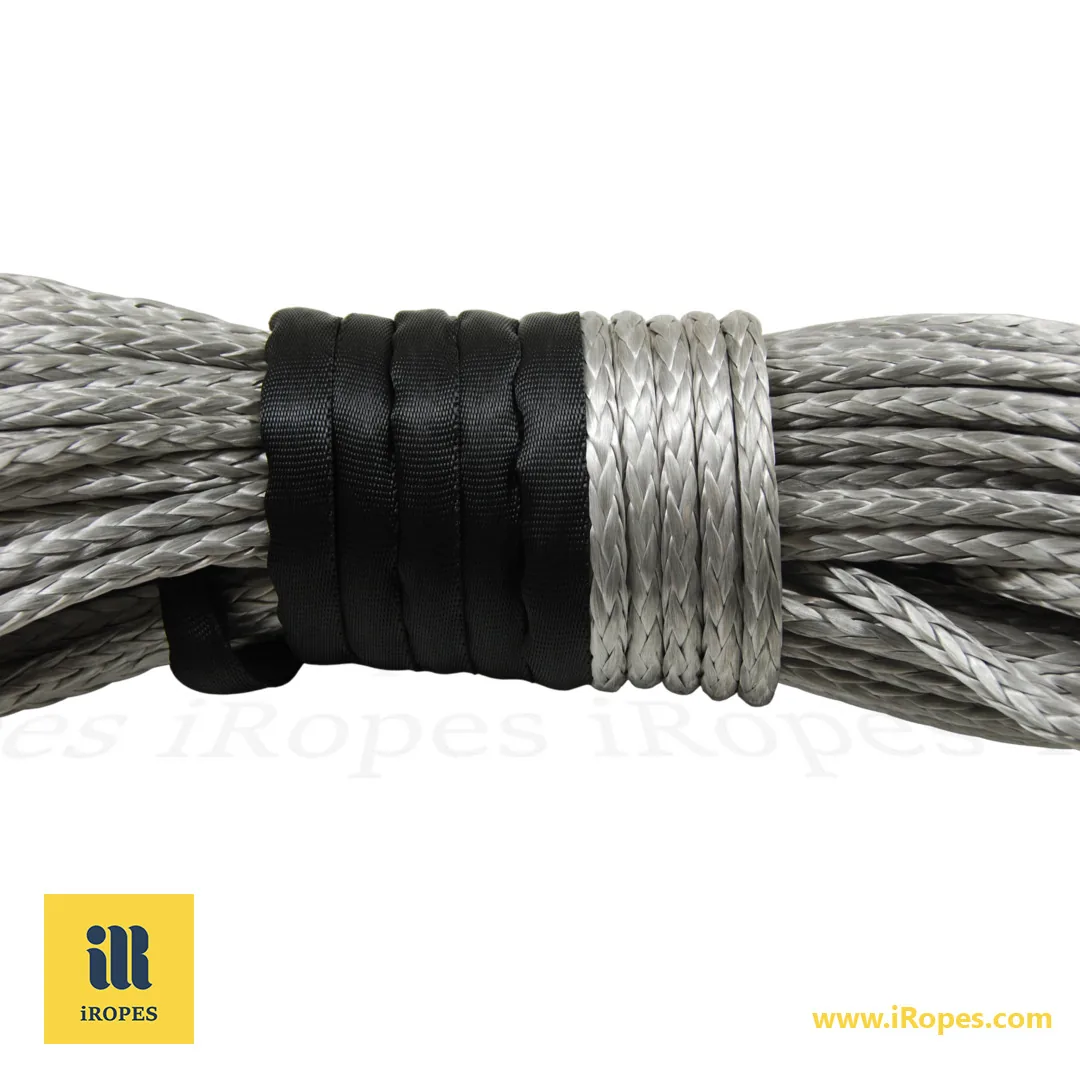
iRopes delivers high‑visibility rope that's 23 % more UV‑stable and up to 1.7 × stronger than standard polyester, with neon or reflective customisations ready in a 14‑day lead‑time.
4‑minute read: What you gain
- ✓ 23 % higher UV resistance extends service life in harsh outdoor conditions.
- ✓ Up to 1.7 × tensile strength over generic polyester, reducing break‑risk.
- ✓ Tailored stretch of 15‑20 % elongation for optimal energy absorption in dynamic loads.
- ✓ OEM branding options (neon bags, colour‑coded cartons) reinforce your market identity.
You might assume that a neon rope automatically guarantees safety. However, colour alone can’t prevent a rope from failing under dynamic load. But what if you could pair that eye‑catching hue with a fibre that’s 15 times stronger than steel—pound for pound—and engineered to stretch just enough to absorb shock? In the sections ahead, we’ll reveal how iRopes blends visibility, strength, and stretch into a single, custom‑engineered solution. This approach meets your exact specifications and protects your brand.
High Visibility Rope
After exploring why rope performance can be the difference between a smooth operation and a safety incident, it’s time to shine a light on ropes that are literally easy to see. High visibility rope is engineered to stand out in low‑light or cluttered environments. This gives you confidence that the line you reach for is unmistakable.

So, what gives a high visibility rope its eye‑catching character? The answer lies in the fibre blend and the way colour is locked into the material. Often, high visibility ropes are crafted from:
- Polyester – dyed with fluorescent pigments for colour stability and UV resistance.
- Polypropylene – lightweight, often with added reflective filaments for enhanced night‑time visibility.
- Nylon blends – combine inherent strength with glow‑in‑the‑dark fibres for specialised operations.
These base fibres are just the beginning; the real value appears when you match the rope to a demanding task. High visibility ropes are crucial in a variety of applications:
- Marine safety – ideal for line markings and rescue throws where quick identification can save lives.
- Construction sites – essential for fall‑protection lines and equipment tagging to ensure swift hazard identification.
- Outdoor recreation – perfect for camping ropes and boundary markers that remain bright from sunrise to dusk.
iRopes takes this base formula and allows you to tailor every detail. Do you need neon orange for a busy dockyard, or a lime‑green rope for a construction site? Choose from a palette of fluorescent shades, add reflective threads that flash back when headlights sweep over them, or even request glow‑in‑the‑dark yarn for night‑only operations. All these options can be packaged in your brand’s logo‑printed bags or colour‑coded cartons. This ensures your supply chain receives a product that looks and feels like it was custom‑made for you.
When you order a high visibility rope from iRopes, the same OEM expertise that delivers high strength synthetic rope for offshore winches also ensures that colour fastness, UV resistance, and tensile performance meet your exact standards. Now, let's explore how synthetic fibres push strength limits while keeping weight down, a key advantage for demanding industrial tasks.
High Strength Synthetic Rope
Building on the bright safety of high‑visibility rope, we now turn to the fibre that carries the biggest loads. Whether you are pulling a 4×4 through mud or securing a naval mooring, the right high strength synthetic rope can be the difference between a smooth operation and a costly failure. iRopes has been an OEM service provider for high strength synthetic ropes for branded companies from the USA, Canada, Australia, and Europe for many years, relying on our Chinese manufacturing facilities.

So, which synthetic rope claims the top spot for ultimate strength? The answer is Dyneema, a type of ultra‑high‑molecular‑weight polyethylene (HMPE). In head‑to‑head tests, Dyneema delivers roughly 15 times the strength of steel on a weight‑for‑weight basis, while staying buoyant and resistant to UV degradation. Kevlar‑based aramids follow, offering excellent heat resistance and a tensile strength that rivals steel, though they typically exhibit more stretch under load. High‑modulus polyester rounds out the trio, providing a balanced mix of strength, low stretch, and excellent abrasion resistance for applications where durability is paramount.
"Swapping a steel cable for Dyneema cut the winch weight in half while keeping the breaking load the same – a game‑changer for off‑road rigs."
Strength alone isn’t enough; how the fibres are assembled matters just as much. A 12‑strand single braid packs many thin yarns together, creating a rope that tolerates high loads without a bulky profile. Double‑braid designs pair a sturdy core with a protective outer sheath, delivering superior abrasion resistance and a smoother surface for low‑friction winching. Kernmantle construction separates the load‑bearing core from a protective mantle, a configuration prized in climbing and rescue, but also valuable in marine mooring where the outer layer shields against saltwater wear.
When you pair a fibre such as Dyneema with a 12‑strand or double‑braid layout, you end up with a rope that lifts heavy gear, resists harsh chemicals, and still fits comfortably in a standard pallet box. For more details on selecting the optimal line, see our Ultimate Guide to Choosing the Best Winch Line. The next logical step is to examine how stretch characteristics complement these strength advantages, especially for applications that need energy absorption.
These material and construction choices translate into real‑world solutions. Off‑road enthusiasts rely on lightweight, high strength synthetic rope for winch lines that can pull a stuck vehicle without adding unnecessary mass. Commercial vessels use the same fibre blends for mooring lines that hold firm in rough seas while remaining easy to handle on deck. Heavy‑duty lifting rigs benefit from the minimal stretch of Dyneema, ensuring precise positioning of loads. Even defence contracts specify low‑signature, high‑strength rope for tactical equipment where reliability cannot be compromised.
Material Power
Why fibre choice matters
Dyneema
15× stronger than steel per kilogram, floats, low‑stretch.
Kevlar
Heat‑resistant, excellent tensile strength, slightly higher elongation.
High‑modulus polyester
Balanced strength, superior abrasion resistance, stable under UV.
Construction Edge
Designs that boost capacity
12‑strand
Maximises load distribution, keeps rope slim and lightweight.
Double braid
Core‑strength with a protective outer sheath for abrasion‑heavy tasks.
Kernmantle
Separate load‑bearing core and guard mantle, ideal for dynamic loads.
When you pair a fibre such as Dyneema with a 12‑strand or double‑braid layout, you end up with a rope that lifts heavy gear, resists harsh chemicals, and still fits comfortably in a standard pallet box. The next logical step is to examine how stretch characteristics complement these strength advantages, especially for applications that need energy absorption.
High Stretch Rope
After looking at how strength‑focused fibres boost performance, the next question is how much give a rope should have. A high stretch rope deliberately elongates under load, turning a sudden shock into a smooth, controlled motion. This energy‑absorbing quality is why many professionals prefer it for dynamic‑load scenarios.
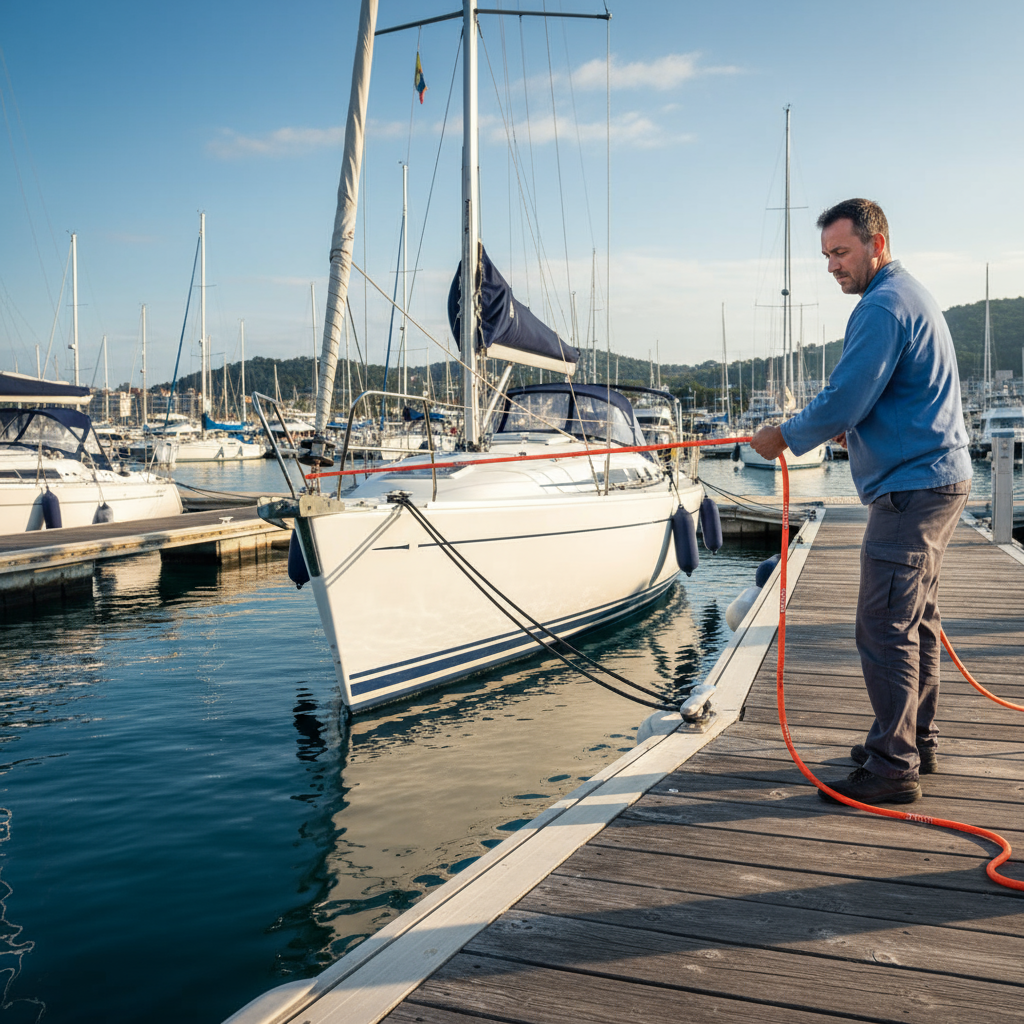
What is a high stretch rope used for? In maritime settings, it becomes the forgiving link between a dock and a boat, allowing the vessel to settle without jolting the cleats. On land, kinetic‑recovery ropes use the same principle to pull stalled trucks—each metre of stretch stores energy that is released as the load moves forward. Fall‑protection lanyards also rely on a measured give, ensuring that a sudden drop is cushioned rather than transferred directly to the body.
Material‑wise, nylon dominates the high stretch market because its elongation profile typically ranges from 15 % to 20 % at break. By contrast, low‑stretch alternatives such as polyester rarely exceed 5 % elongation, making them unsuitable where shock absorption is critical. The higher stretch of nylon also means it retains flexibility after repeated loading cycles, a valuable trait for equipment that sees frequent use.
Tailored Energy‑Absorbing Rope
iRopes can blend nylon with proprietary elastomer additives, then finish the rope with accessories such such as reinforced loops, stainless‑steel thimbles, or quick‑release shackles. The result is a custom‑engineered high stretch rope that meets the exact load‑management specifications of your dock, recovery vehicle, or safety system.
For wholesale buyers, the key is to match stretch characteristics with the intended application. If you need a rope that can tolerate repeated impacts—say, a marine dock line that sees daily berthing—select a nylon blend with a 15 % elongation rating and pair it with corrosion‑resistant hardware. If the rope will serve as a fall‑protection lanyard, opt for a certified dynamic rope that combines the same stretch with a certified Working Load Limit (WLL) and an approved splice system.
Never exceed the manufacturer’s recommended working load limit; even a high stretch rope can fail if subjected to loads beyond its design capacity.
Understanding where a high stretch rope fits into your equipment portfolio completes the picture of how iRopes balances visibility, strength, and elasticity. The upcoming decision framework will help you evaluate these factors side by side. This ensures the rope you choose aligns perfectly with performance, safety, and budget goals.
Choosing the Right Rope for Wholesale Buyers
Now that you’ve seen how visibility, strength, and stretch each solve a specific safety challenge, the next step is to align them with your project’s exact demands. A systematic decision framework prevents costly over‑engineering and ensures the rope you source delivers the right balance of performance, durability, and price.

Start with the end‑use: is the rope meant for a marine dock, an off‑road winch, or a fall‑protection system? From there, walk through the checklist below. Ask yourself whether each criterion is a must‑have or a nice‑to‑have. The answer will steer you toward either a high visibility rope, a high strength synthetic rope, or a high stretch rope – or perhaps a hybrid that blends two attributes effectively.
Criteria
Evaluate application, required load capacity, stretch tolerance, colour‑visibility needs, UV/chemical resistance, and budget constraints.
Certification
ISO 9001 guarantees consistent quality. We also provide industry‑specific test reports to satisfy maritime, construction, or defence standards.
Customisation
Our OEM/ODM consulting lets you pick material blends, diameters, neon colours, reflective threads, and accessories. These options perfectly match your brand and performance targets.
Logistics
We handle palletised shipping, IP protection, and on‑time delivery to warehouses worldwide. This means you can focus on sales instead of freight headaches.
When the checklist points to a need for bright colour and night‑time recognisability, a high visibility rope with fluorescent dye and reflective yarn is the logical choice. If your priority is maximum load capacity with minimal weight, high strength synthetic rope—often built from Dyneema or Kevlar—delivers that advantage. For applications that must soak up shock, such as kinetic‑recovery lines, high stretch rope's 15‑20 % elongation provides the cushioning effect you need.
Trusted Quality
ISO 9001 certification guarantees every rope meets rigorous performance and safety standards, giving you confidence in every batch you receive.
Finally, remember that the most cost‑effective solution is often the one that aligns with both performance metrics and supply‑chain efficiency. By following the framework above, you can present a clear brief to iRopes. We'll then translate it into a rope that ticks every box—whether you’re after high visibility, high strength synthetic, or high stretch characteristics—while protecting your brand and your bottom line.
Ready for a customised rope solution?
By now, you’ll understand how a high visibility rope can dramatically improve safety on site. You'll also see how a high strength synthetic rope delivers unrivalled load capacity with minimal weight, and why a high stretch rope provides essential energy‑absorption for dynamic applications. iRopes leverages decades of OEM expertise—servicing branded companies in the USA, Canada, Australia, and Europe from our Chinese facilities—to tailor colour, construction, accessories, and packaging that meet ISO 9001 standards and protect your IP.
If you’d like personalised guidance to match these capabilities to your specific project, simply use the inquiry form above and our specialists will help you design the perfect rope solution.