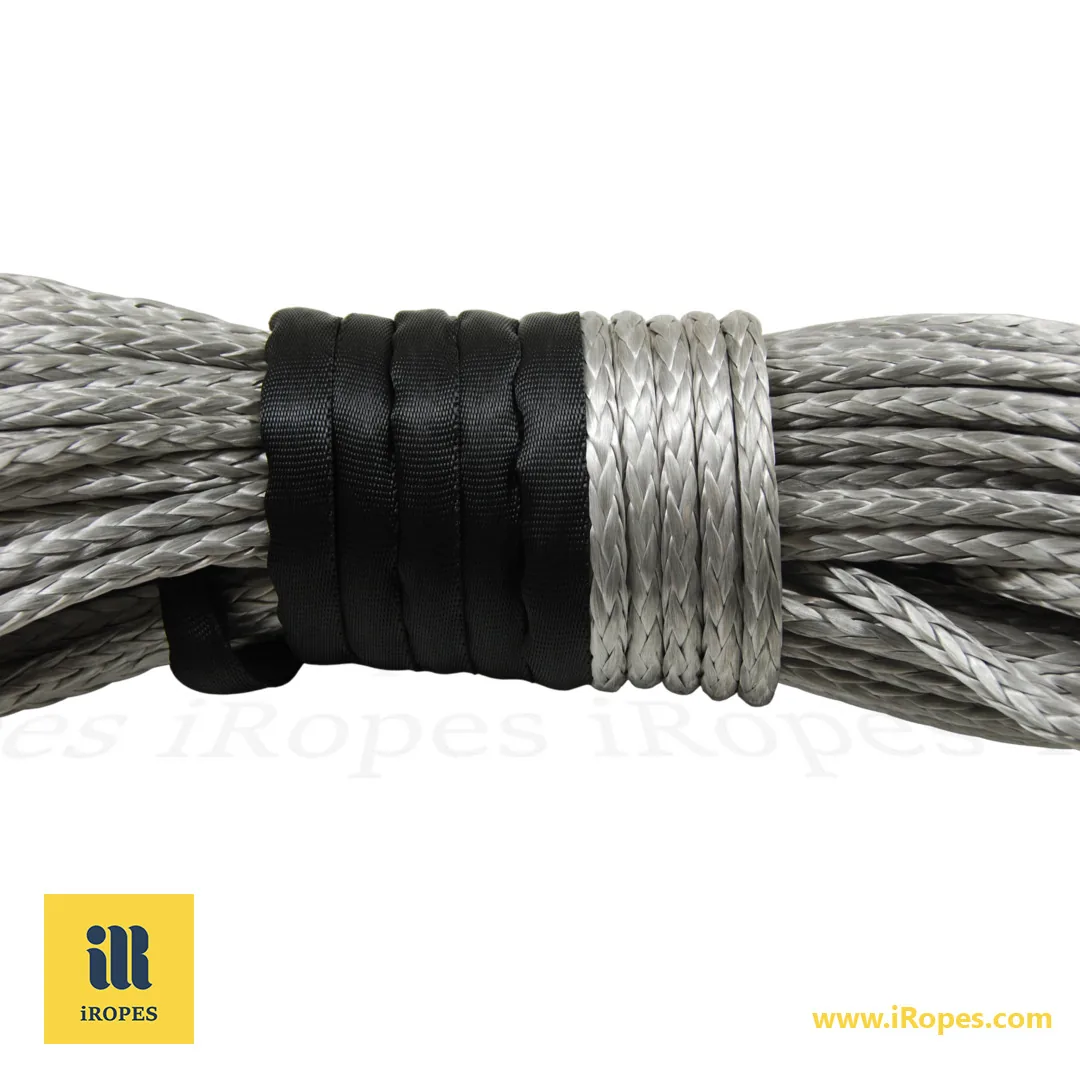
1‑inch natural‑fibre rope delivers up to 2,500 kg breaking strength while staying fully biodegradable — the eco‑performance you can quantify.
What you’ll gain – 5 min read
- ✓ Reduce environmental impact — biodegradable fibre eliminates landfill waste.
- ✓ Match synthetic power — 1‑inch Manila reaches ≈2,500 kg break strength.
- ✓ Cut costs — natural fibres are up to 18% cheaper per metre.
- ✓ Ensure consistent quality — ISO‑9001‑certified production guarantees compliance.
You might assume natural-fibre ropes cannot handle heavy loads. However, a 1-inch Manila line offers the same 2,500 kg break strength as many synthetic counterparts, yet it achieves this without contributing to plastic waste. Have you considered customising that strength, selecting specific colours, or even integrating glow-in-the-dark accents, all while maintaining a low carbon footprint? Read on to discover how iRopes transforms this challenge into a practical advantage for your projects.
Understanding Natural Fibre Rope: Benefits and Eco‑Friendly Advantages
When you hear the term natural fibre rope, picture a line spun from plant-derived strands, rather than petroleum-based synthetics. The most common fibres include Manila (from the abaca plant), sisal (agave leaves), jute (corchorus), cotton, and hemp. Each originates from a renewable crop, meaning the rope you hold is essentially a bundle of harvested vegetation, carefully twisted into a strong, flexible cord.
One of the most significant advantages for businesses and DIY enthusiasts alike is the rope's environmental footprint. Since these fibres are biodegradable, the rope will naturally break down at the end of its lifespan, returning to the earth rather than persisting in a landfill for centuries. Furthermore, growing these plants demands significantly less energy than producing synthetic polymers. This efficiency translates into a lower carbon footprint for every metre you order. Many of our raw materials come from farms that can be replanted each season, establishing a truly renewable supply chain.
- Biodegradability – The rope returns to the soil without releasing harmful micro-plastics.
- Renewable sourcing – Fibres are harvested from crops that regrow year after year.
- Reduced carbon emissions – Manufacturing uses less fossil-fuel energy compared to synthetic alternatives.
Beyond sustainability, natural fibre ropes offer a distinct tactile experience. Their texture provides excellent grip, particularly when slightly damp, which can be a significant safety advantage over slick synthetic lines. While durability varies by fibre, Manila consistently delivers the highest tensile strength among natural options, making it the strongest natural fibre rope. Sisal offers good abrasion resistance, and hemp balances strength with UV resilience. Softer options like cotton and jute excel in decorative or indoor projects where a gentle aesthetic is paramount.
“Choosing natural fibre rope means you get a product that not only performs well but also respects the planet — a win‑win for any project.” – Rope specialist, iRopes
A direct comparison with synthetic ropes highlights clear trade‑offs. Synthetic fibres often surpass natural ones in sheer tensile strength and moisture resistance. However, they typically lack the tactile grip and eco‑credentials that many clients now prioritise. Understanding these nuances helps you determine whether the natural look and feel outweigh the need for extreme load‑bearing capacity in your specific application.

Choosing the Right Natural Fibre Cord: Materials, Properties, and Common Uses
Now that we have explored the distinct feel and environmental significance of natural fibre ropes, the next step is to match the ideal material to your specific task. Whether you are specifying rope for a dock, a decorative railing, or an intricate crafting project, understanding each fibre’s unique characteristics will save you time, money, and potential maintenance issues.
- An overview of natural fibre cord types and their strength hierarchy.
- Key properties that influence performance and lifespan.
- Typical applications for each material.
Natural fibre cord is produced from plant-derived strands, including Manila (abaca), sisal, jute, cotton, and hemp, each sustainably harvested from a renewable crop. When these fibres are twisted into a three‑strand rope, Manila consistently demonstrates the highest tensile rating, securing its position as the strongest natural fibre rope available. Hemp closely follows, offering a robust blend of strength and UV resilience, while sisal provides commendable abrasion resistance. Jute is prized for its softness, and cotton excels where a gentle hand‑feel is of utmost importance.
Four primary properties typically determine which cord is best suited for a particular job:
- Tensile strength – This refers to the maximum load the rope can bear before breaking. A 1‑inch Manila line, for instance, often exceeds 2,500 kg, whereas cotton typically remains below 500 kg.
- Abrasion resistance – This measures how effectively the fibres withstand rubbing against rough surfaces. Sisal's leaf‑derived fibres particularly excel in this regard.
- Rot resistance – This property describes the rope's ability to resist decay when exposed to moisture. Hemp and sisal generally outlast Manila in consistently wet environments.
- Flexibility – This indicates the ease of bending and knotting. Cotton and jute are the most pliable, making them ideal for decorative loops and intricate work.
Considering these characteristics, each fibre type is typically assigned to a set of proven uses within the industry:
- Manila – Ideal for heavy‑duty utility, marine rigging, and any application where maximum load capacity is critical.
- Sisal – Suited for agricultural tie‑downs, cat‑scratching posts, and rugged outdoor tasks that benefit from its abrasion‑hardiness.
- Jute – Frequently chosen for decorative bundling, interior design accents, and lightweight packaging, where a soft aesthetic is desired.
- Cotton – Perfect for macramé, pet toys, and indoor swings, especially where a smooth, skin‑friendly surface is a priority.
- Hemp – Excellent for landscaping, rustic railings, and outdoor installations that demand both UV stability and a natural appearance.
Custom Solutions
iRopes can tailor any of these natural fibre cords to your exact specifications. You can choose the diameter, colour, length, and even add reflective elements or bespoke terminations. Our ISO-9001-certified facilities ensure that every batch meets the stringent strength and quality standards demanded by our wholesale partners worldwide.

Understanding these subtle distinctions simplifies the decision of whether a 1‑inch natural fibre rope—or a thinner cord for purely decorative purposes—will meet your performance and aesthetic goals. The following section will translate this knowledge into practical insights, examining why the 1‑inch size achieves an optimal balance for many demanding applications.
Why 1‑Inch Natural Fibre Rope Is Ideal for Versatile Applications
Building on our material overview, the 1‑inch size of natural fibre rope truly hits a sweet spot where strength, comfortable handling, and visual impact converge. A 1‑inch natural fibre rope typically offers a breaking strength close to 2,500 kg, yet it remains flexible enough to tie, splice, and store without excessive bulk. This exceptional strength‑to‑size balance directly answers the common question: "What are the uses for 1 inch natural fibre rope?" It confirms its suitability for both demanding heavy‑duty tasks and sophisticated decorative projects.

Because this rope's diameter is substantial enough to handle significant loads, yet slender enough to integrate smoothly into design schemes, it finds a home in a broad array of applications. Dock lines, for instance, gain immense benefit from the rope’s natural grip, especially when wet. Similarly, heavy‑duty utility tasks, such as securing loads on trailers, appreciate the high safe working load. Furthermore, decorative railings, robust playground equipment, and even challenging battle‑rope workouts leverage its rustic aesthetic without compromising performance. In essence, whether you are anchoring a boat, constructing a garden pergola, or rigging a fitness station, the 1‑inch natural fibre cord consistently delivers the perfect blend of power and polish.
Maintenance tip: Always keep the rope dry after use, store it in a well‑ventilated sack, and apply a light coat of natural oil to deter rot. These steps significantly extend its lifespan and preserve the rope’s original strength.
Regarding durability, natural fibre ropes are inherently resilient but do require thoughtful care. Manila, the strongest of the natural fibres, can shrink by up to 10% after its initial exposure to moisture. Therefore, allowing the rope to air‑dry flat prevents unwanted tension. While hemp and sisal tolerate moisture more effectively, both still benefit from periodic inspections for fraying. By adhering to these simple upkeep routines, you can maintain the rope’s performance for many years, effectively answering another frequent query: "How durable is natural fibre rope?"
Versatile Strength
A 1‑inch diameter delivers a breaking strength of around 2,500 kg, yet remains easy to handle and knot.
Ultimately, the combination of high breaking strength, manageable size, and straightforward maintenance makes the 1‑inch natural fibre rope a trusted choice for projects demanding both reliability and a touch of organic character. For applications requiring superior abrasion resistance, our high‑quality sisal rope is an excellent option. Our next discussion will explore how iRopes leverages these qualities to provide tailored OEM and ODM solutions for wholesale partners worldwide.
Ready for a tailor‑made rope solution?
By now, you understand the natural advantages of natural fibre rope — its biodegradability, renewable sourcing, and a grip that often outperforms many synthetics. You also know how its various fibres suit applications ranging from marine dock lines to decorative railings. Choosing the right natural fibre cord hinges on factors such as strength, abrasion resistance, and rot resistance. Crucially, the 1‑inch natural fibre rope strikes an ideal balance for both heavy‑duty tasks and aesthetic projects. You might also explore our guide on choosing the right 1‑inch and 2‑inch cotton ropes for customized projects. If you need expert guidance to select or customise the perfect rope for your business, the form above is your direct line to iRopes’ OEM/ODM specialists.
Our team is ready to transform your specifications into a reliable, eco‑friendly product that delivers precisely what you need.