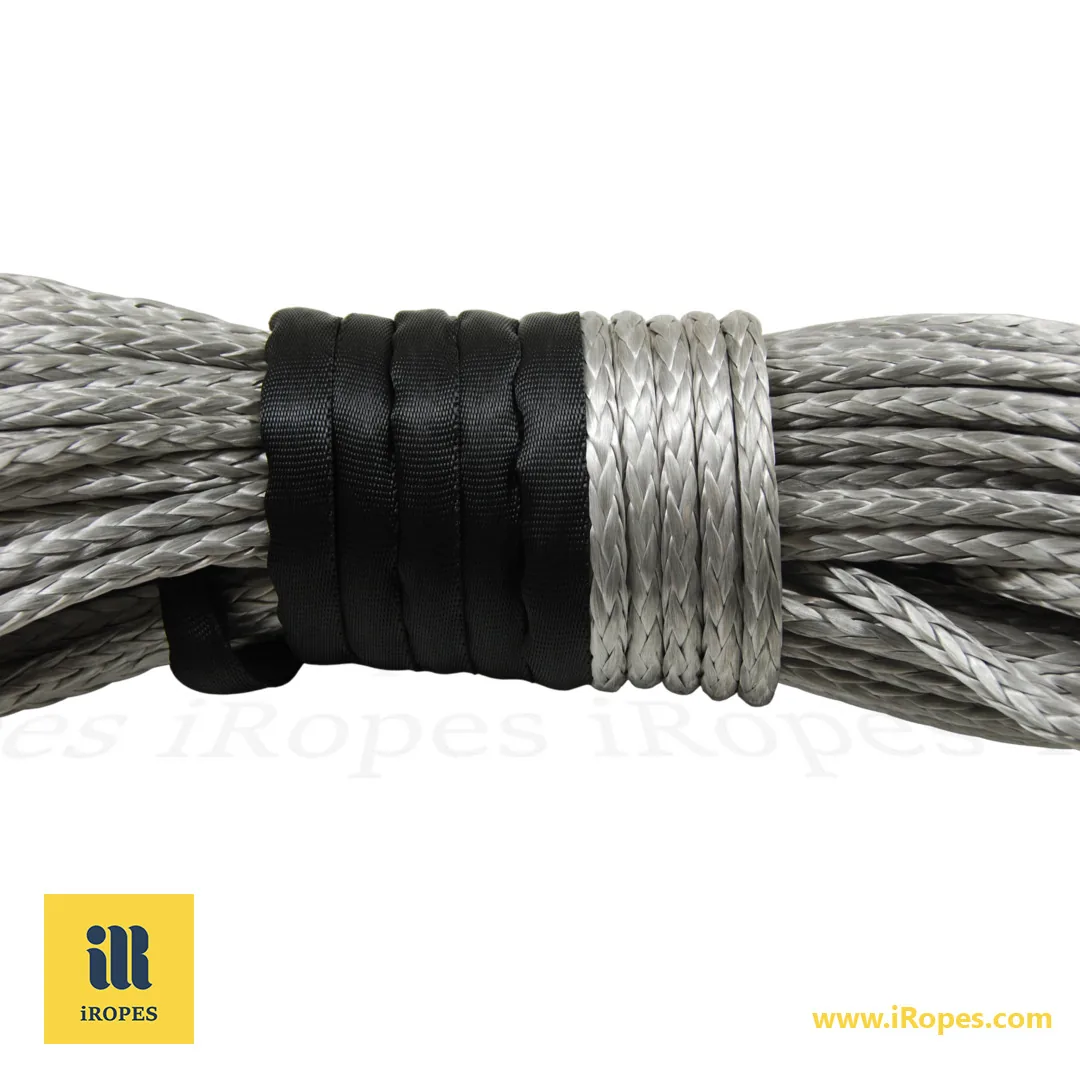
✅ The best‑performance rope for most professional uses is a custom polyester core with a Kevlar‑reinforced jacket, delivering outstanding strength‑to‑weight, UV resistance, and long service life.
≈12 min read – Your advantages
- ✓ Engineered for higher load capacity and dependable performance.
- ✓ Lower lifetime maintenance with durable, abrasion‑resistant designs.
- ✓ ISO 9001‑backed quality management and on‑time delivery.
- ✓ IP‑protected branding and custom packaging options.
Many teams assume any low‑cost rope will do, yet using non‑engineered lines increases the risk of premature failure and unplanned downtime. iRopes proves that precision‑crafted, application‑matched ropes reduce breakage risk and keep projects on schedule—discover how below.
Understanding the Best Quality Rope for Top Performance
When you pick a rope that consistently delivers strength and safety, you’re choosing more than just a piece of fibre. A best quality rope is defined by four pillars: ISO 9001 certification, proven material strength, long‑term durability, and performance that stays predictable under load. These pillars turn a simple line into a reliable partner for demanding tasks.

- ISO 9001 certification – ensures every batch follows a documented quality‑management system.
- Material strength – measured in breaking tenacity; higher values support higher loads.
- Durability – resistance to UV, abrasion and moisture preserves performance season after season.
- Consistent performance – controlled stretch and predictable behaviour under shock loads keep safety factors reliable.
At iRopes, our core is quality first and service excellence. Every specification you share is matched with experienced engineers who fine‑tune fibre blends, core constructions and jacket finishes. The result is a rope that meets your exact load rating while carrying your brand’s colours and logos.
“Our commitment to a rigorous ISO 9001 framework means every metre of rope you receive has passed the same exacting standards, giving you confidence from the factory floor to the field.”
Answering the common query, “What is the best material for rope?” – for most professional applications the answer is a custom‑engineered polyester core with a Kevlar‑reinforced jacket. This combination delivers an excellent strength‑to‑weight ratio, strong UV and chemical resistance, and the flexibility to be tailored to any diameter or colour.
In short: a polyester core plus Kevlar jacket is the best rope material for durability, safety and adaptability across many environments.
Beyond material, iRopes’ in‑process quality checks and post‑production tensile testing ensure that the rope you order behaves exactly as specified. That level of oversight turns a good quality rope into a dependable partner for any job, whether you’re rigging a marine dock or securing a climbing line.
With the quality criteria clear, it’s time to compare the most common materials and see how they stack up against each other.
Choosing a Good Quality Rope: Materials and Comparisons
Now that we’ve clarified what makes a rope truly premium, let’s look at the fibres themselves. Different polymers bring distinct strengths, weights and price points, so the “best quality rope” for a marine dock may differ from the one you need on a construction site.

Below is a quick reference that lines up the most common rope materials against two key metrics—strength and weight. Ratings are relative and vary by rope construction, diameter and coating.
| Material | Relative Strength | Relative Weight |
|---|---|---|
| Nylon | High | Medium |
| Polyester | High | Medium |
| Polypropylene | Moderate | Light |
| Manila | Moderate | Heavy |
| Kevlar/Dyneema | Ultra‑high | Light |
One of the most‑asked questions is whether nylon or polypropylene rope wins on pure strength. The answer sits in a side‑by‑side comparison that highlights the trade‑offs most users care about.
| Property | Nylon | Polypropylene |
|---|---|---|
| Relative strength | Higher than polypropylene | Lower than nylon |
| Stretch under load | 6‑8 % (good shock absorption) | 3‑5 % (stiffer) |
| Water absorption | 2‑8 % (strength drops 10‑15 % when wet) | 0 % (floats; no loss) |
| Typical use | Dynamic loads, climbing, rescue | Floating lines, marine buoyancy |
If you’re still unsure which fibre matches your needs, evaluate three practical factors. The following checklist turns a vague idea into a concrete decision.
- Durability – look for UV‑resistant coatings, abrasion‑resistant fibres and moisture‑resistant construction.
- Strength‑to‑weight ratio – higher strength with lower grams‑per‑metre means easier handling without sacrificing safety.
- Cost vs performance – compare unit price against lifespan; a slightly pricier best rope material often saves money long‑term.
For example, a contractor who needs a rope that resists sun‑bleaching on a rooftop will lean toward polyester because of its excellent UV stability, even though nylon feels a bit softer. Conversely, a boat‑yard manager who values flotation above all will choose polypropylene, accepting its lower tensile rating for the benefit of never sinking.
Quick Tip
When you calculate the required diameter, start with the maximum load, apply a safety factor of five for static loads, and then match that figure to the material’s strength chart. This habit ensures you never underspecify a rope.
By weighing these attributes side by side, you can move from a vague “I need a good quality rope” to a confident specification that aligns with budget, environment and load requirements. The next step will show how those material choices translate into real‑world applications, from marine docks to climbing rigs.
Identifying the Best Rope Material for Your Specific Application
Having compared the strengths of each fibre, you now need a quick way to match the right rope to the job at hand. Below is a concise matrix that pairs common‑use scenarios with the material that delivers the most reliable performance.
| Application | Recommended Material |
|---|---|
| Marine docking and rigging | Polyester – excellent UV and salt‑water resistance |
| Climbing or rescue lines | Nylon – high elongation absorbs shock loads |
| Industrial hoisting & heavy‑load rigging | Kevlar/Dyneema – ultra‑high tensile strength, low stretch |
| Decorative or landscaping ropes | Manila – natural grip and aesthetic appeal |
When you ask, “What type of rope lasts the longest?” the answer centres on three high‑performance fibres. Each combines durability with resistance to the elements, making them the go‑to choices for demanding environments.
Top Long‑Lasting Materials
Why they stand the test of time
Kevlar/Dyneema
Very low stretch, superior abrasion resistance and exceptional tenacity for heavy duty use.
Polyester
Outstanding UV and chemical stability, retains strength after prolonged sun exposure and in harsh weather.
Polypropylene
Floats and will not absorb water or rot; specify UV‑stabilised options for long outdoor exposure.
Customization Workflow
From concept to finished rope
Step 1 – Needs assessment – you share load requirements, environment and branding goals.
Step 2 – Material selection – our engineers map your criteria to the matrix above, recommending the optimal rope material.
Step 3 – Design & branding – colour, logo placement and packaging options are finalised, all protected under our IP‑safeguard agreement.
Step 4 – Production & delivery – precision manufacturing follows ISO 9001 standards, and pallets ship directly to your site.

With the matrix and our step‑by‑step custom workflow, you can select the best rope material for your exact needs, then let iRopes turn that specification into a reliable, good quality rope that bears your brand and meets ISO 9001 standards. The next stage will walk you through how to request a tailored quote and start production.
You’ve learned how ISO 9001 certification, material strength and durability define the best quality rope, and how our application matrix points to the best rope material for each job. Whether you need lightweight nylon for climbing or a Kevlar‑reinforced line for industrial hoisting, iRopes’ principle of quality first with excellent service ensures you receive a good quality rope that meets exact specifications.
Our end‑to‑end OEM/ODM workflow turns your load requirements, branding and IP protection into a seamless, on‑time delivery at competitive pricing. Ready to turn these insights into a tailor‑made solution?
Request a personalised rope solution
For expert guidance on selecting the perfect rope for your project, simply complete the form above and our specialists will be in touch.