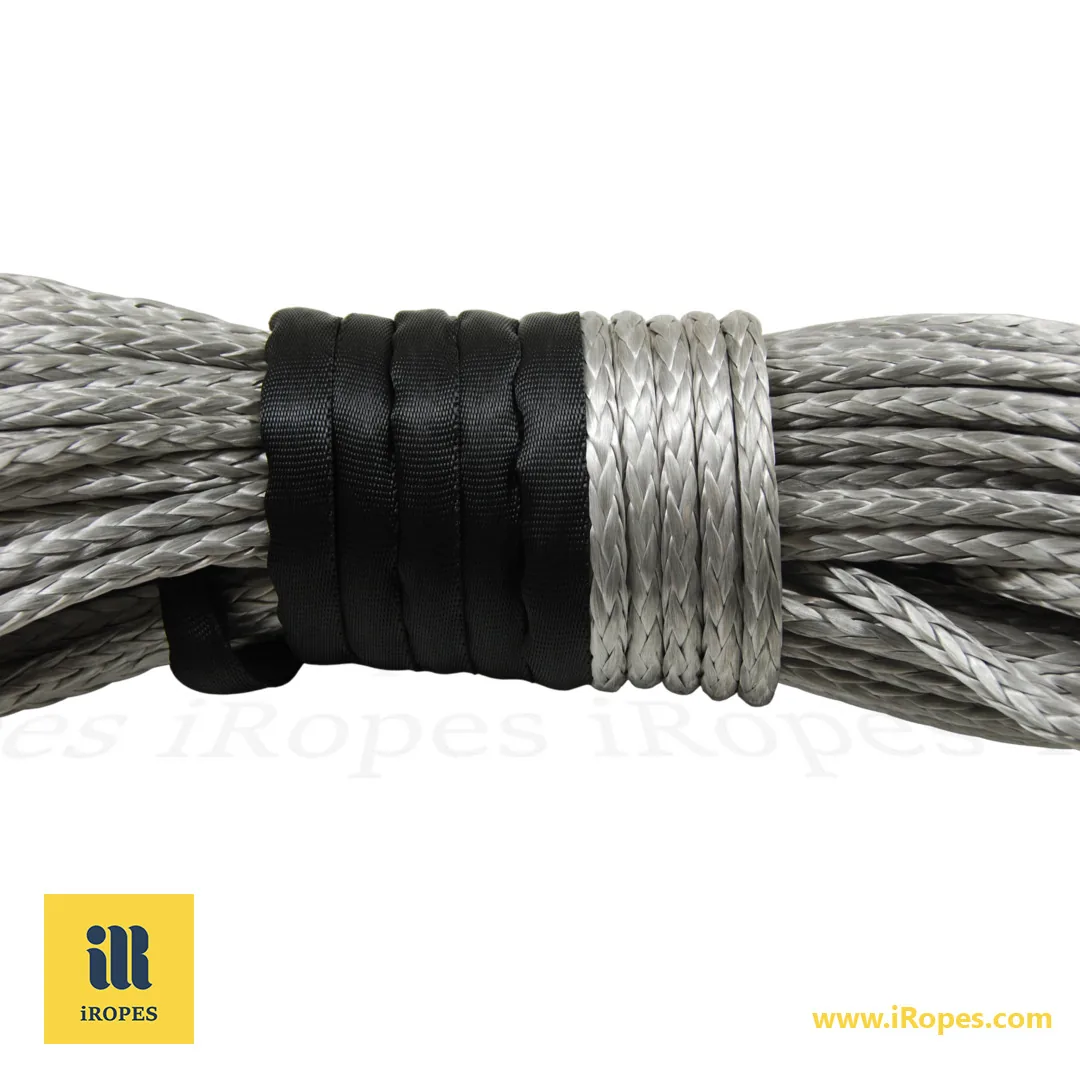
200 ft × ½‑inch double‑braided nylon rope delivers ≈8,300 lb breaking strength and a safe 1,660 lb working load – ideal for vessels up to 30 ft.
Read in 2 min – your ROI roadmap
- ✓ Pinpoint material & diameter to meet exact WLL for your boat size.
- ✓ Compare double‑braided vs 3‑strand performance with real‑world strength data.
- ✓ Get OEM/ODM custom branding, colour and packaging – no extra cost.
- ✓ Rely on ISO 9001 quality + IP protection for every batch.
Many believe a longer anchor rode ensures a safer hold. However, excess length can create slack, which actually weakens holding power. In truth, the precise 7:1 scope rule dictates optimal performance. This article will expose a common myth and show why a 200 ft rope from iRopes delivers optimal strength, weight‑saving efficiency, and a lower total cost compared to generic stock lines. Read on to unlock the data‑driven formula that turns this misconception into measurable performance gains for your fleet.
Understanding the 200 ft rope: Key considerations for strength and length
Now that we’ve highlighted why a reliable rope matters in marine and industrial settings, let's explore the specifics that make a 200 ft rope perform when you need it most. Whether you’re pulling a heavy load on a dock or securing a vessel in choppy waters, the rope’s composition and dimensions dictate safety and efficiency.

The first decision point for any rope is its material. Each fibre offers a unique balance of durability, stretch, and resistance to environmental elements. Below are the most common options you'll encounter when specifying a 200 ft rope:
- Nylon – offers high elasticity, excellent shock absorption, and good abrasion resistance.
- Polyester – provides low stretch, superior UV resistance, and retains strength over time.
- Polypropylene – is lightweight, floats, and is ideal for buoyancy‑critical tasks.
Next, consider diameter and overall length. While 200 ft is a standard span for deep‑water anchoring, the rope’s thickness directly influences its load‑bearing capacity. A reliable rule of thumb in the boating world is to match approximately 1/8 inch of diameter for every 9‑10 feet of vessel length. For example, a 30‑foot boat would typically use a 3/8‑inch line. Selecting a larger diameter not only increases the breaking strength but also reduces stretch, which can be crucial when precise control of a heavy vessel is needed.
Breaking strength, frequently expressed as Ultimate Tensile Strength (UTS), indicates the maximum load a rope can withstand before failure. For instance, a 1/2‑inch double‑braided nylon line, 200 ft in length, can achieve approximately 8,300 lb of breaking strength. Applying a 5‑to‑1 safety factor to this figure results in a safe Working Load Limit (WLL) of roughly 1,660 lb. Always calculate the WLL for your specific application to ensure operations remain well within the rope’s capability.
“Choosing the right rope isn’t just about length; it’s about matching material, diameter and construction to the exact forces your operation will encounter.”
Beyond anchoring, a 200 ft rope proves its versatility across many sectors. In off‑road recovery, the same length serves as a robust winch line for freeing a stuck vehicle from mud. In industrial rigging, it functions as a heavy‑duty hoist, moving equipment across a warehouse floor. Even arborists value the extra length for safely descending large trees, leveraging the rope’s stretch characteristics to absorb sudden loads effectively.
Understanding these fundamentals—material choice, diameter relevance, breaking strength, and broader applications—prepares us for the next step. We will compare how different constructions, such as double‑braided versus 3‑strand, further influence performance in marine anchoring and other applications.
Choosing the right 200 ft anchor rope for marine applications
With material basics covered, we now explore how different fibres influence performance when a boat drops anchor in real‑world conditions. Selecting the optimal 200 ft anchor rope means matching its behaviour to the vessel, the seabed, and the windlass you rely on.

When the choice narrows to the three most common polymers, their differences become clearer once you consider how the rope will behave under load, exposure, and handling.
- Nylon – its forgiving stretch softens the shock of a sudden anchor grab, while a smooth surface reduces friction on most windlasses.
- Polyester – holds its shape well in cold water and resists UV‑induced fading, maintaining a consistent feel even after months of sun exposure.
- Polypropylene – stays buoyant, making it easy to retrieve. However, its lower tensile capacity means it’s best suited for lighter craft or as a secondary rode.
Diameter selection follows a simple rule of thumb: match approximately one‑eighth inch of rope for every nine to ten feet of boat length, then adjust this for your expected scope. For example, a 28‑foot cruiser typically benefits from a 3/8‑inch line, whereas a 45‑foot vessel may require a 1/2‑inch rope to keep the Working Load Limit comfortably above the maximum anchor load. Remember that a longer scope (the ratio of rode length to water depth) significantly improves holding power. Consequently, a 200 ft rope often suffices for a 30‑foot boat anchoring in up to 30‑foot water when a 7:1 scope is applied. For selecting the best ship mooring rope, consider both material and construction to match your vessel’s requirements.
Windlass Compatibility
A pre‑spliced stainless‑steel thimble eliminates the need for on‑deck splicing and ensures the rope feeds smoothly through the drum. Choose a thimble size that matches the rope diameter, and verify that your windlass’s line‑pull rating exceeds the rope’s breaking strength. iRopes can supply a thimble already attached, saving installation time and reducing wear points.
Many boaters frequently ask, “Is 200 ft enough anchor rope for deep water?” The answer depends critically on the scope you plan to use. For a 20‑foot depth, a 7:1 scope calls for 140 ft of rode, leaving ample room with a 200 ft line. In 40‑foot water, however, the same scope would require 280 ft. This means a single 200 ft rope would be insufficient unless combined with a chain rode or a longer line from a secondary source.
With the material, diameter, and windlass factors clarified, the next logical step is to examine how the rope’s construction—specifically, double‑braided versus 3‑strand—further shapes its strength, handling, and suitability for marine or industrial tasks.
Construction types and performance: Double‑braided vs 3‑strand
When you move from material selection to the way fibres are assembled, the rope’s behaviour on a winch or in a rig changes dramatically. The two most common assemblies for a 200 ft rope are double‑braided and 3‑strand twisted, each bringing a distinct set of trade‑offs.

Double‑braided ropes weave a tight, round core with a protective outer sheath. This geometry gives a higher tensile strength per inch of diameter and creates a smooth surface that slides effortlessly over windlass drums. The reduced friction also means less wear on the drum’s bearings, which extends their service intervals. For those interested in the capabilities of a black double‑braided nylon rope, the performance gains are especially evident in high‑load marine scenarios.
Three‑strand ropes consist of three large yarns twisted together. Their construction is simpler, which translates into a lower purchase price and the ability to splice the strands by hand – a useful feature when a field repair is unavoidable. The looser lay, however, introduces more stretch and a tendency to kink under abrupt loads. To understand how this affects real‑world performance, see our guide on 3‑strand rope strength.
Windlass performance hinges on how the rope interacts with the drum. A double‑braided line feeds smoothly, maintaining consistent tension and minimising the risk of sudden snags. A 3‑strand line can still be used, but the operator should monitor for uneven feeding and may need to lubricate the drum more frequently to avoid premature wear.
Strength
Higher breaking load per diameter, ideal for heavy‑duty anchoring.
Smooth feed
Rounded profile glides through windlass drums with minimal friction.
Spliceable
Strands can be hand‑spliced, saving time and cost on field repairs.
Economical
Lower material usage reduces price while still meeting many industrial standards.
Choosing the right construction ultimately depends on its intended use. A 200 ft anchor rope for a cruising yacht typically benefits from the strength and smooth handling of a double‑braided design. In contrast, heavy‑industry riggers who value spliceability and budget may opt for a 3‑strand variant, especially when the line will be terminated with custom fittings. Arborists, who rely on controlled stretch to absorb sudden loads, often prefer the forgiving nature of a three‑strand rope.
Before installing a 200 ft rope on a windlass, verify that the drum’s line‑pull rating exceeds the rope’s breaking strength and that the chosen construction matches the vessel’s anchoring style.
iRopes customization and OEM/ODM advantages for wholesale buyers
Having explored how double‑braided and 3‑strand constructions affect handling, the next logical step is to consider how a supplier can adapt those specifications to match a brand’s exact requirements. This is where iRopes excels, offering comprehensive OEM and ODM services.

iRopes’ OEM/ODM programme enables wholesale partners to select the exact fibre, diameter, and colour shade, then pair those choices with bespoke terminations such as stainless‑steel thimbles, heat‑sealed ends, or field‑splice kits. The same workflow supports non‑branded bulk cartons, colour‑matched bags, or premium printed boxes. This ensures the finished product aligns perfectly with a client’s visual identity and specific requirements.
Customisation
Tailor‑made solutions for wholesale partners
Material
Choose nylon, polyester, or polypropylene; specify fibre grade, UV‑resistant dyes, or reflective strips.
Colour
Match brand palettes with solid or patterned sheathing, including optional glow‑in‑the‑dark threads.
Packaging
Select branded bags, custom colour boxes, or bulk cartons bearing your logo.
Reliability
Assured performance and secure delivery
Quality
ISO 9001 certified processes guarantee consistent tensile strength and abrasion resistance.
IP Protection
Designs, formulas, and branding are safeguarded throughout production.
Logistics
Direct pallet shipping, real‑time tracking, and on‑time delivery to ports worldwide.
As a concrete illustration, consider a leading yacht manufacturer who approached iRopes. They needed a 200 ft rope in a deep‑sea blue hue, fitted with a stainless‑steel thimble sized for a 1/2‑inch line. iRopes engineered the double‑braided nylon rope, applied the custom colour throughout the entire 200 ft length, and shipped 10,000 units on schedule. This successful partnership reinforced the builder’s brand on every vessel.
These capabilities mean that wholesale buyers can transition from a generic catalogue item to a product that truly reflects their engineering standards, visual brand language, and logistical timelines, all while relying on the proven durability of a 200 ft anchor rope.
Through this detailed guide, you now understand how material, diameter, construction, and OEM/ODM options influence the performance of a 200 ft rope and its anchoring capabilities. This knowledge equips you to select the right line for safety, durability, and handling.
Request Your Custom Rope Solution
If you’d like personalised assistance to fine‑tune the perfect rope for your marine or industrial needs, complete the form above and our experts will guide you through material choice, construction style, and branding options.