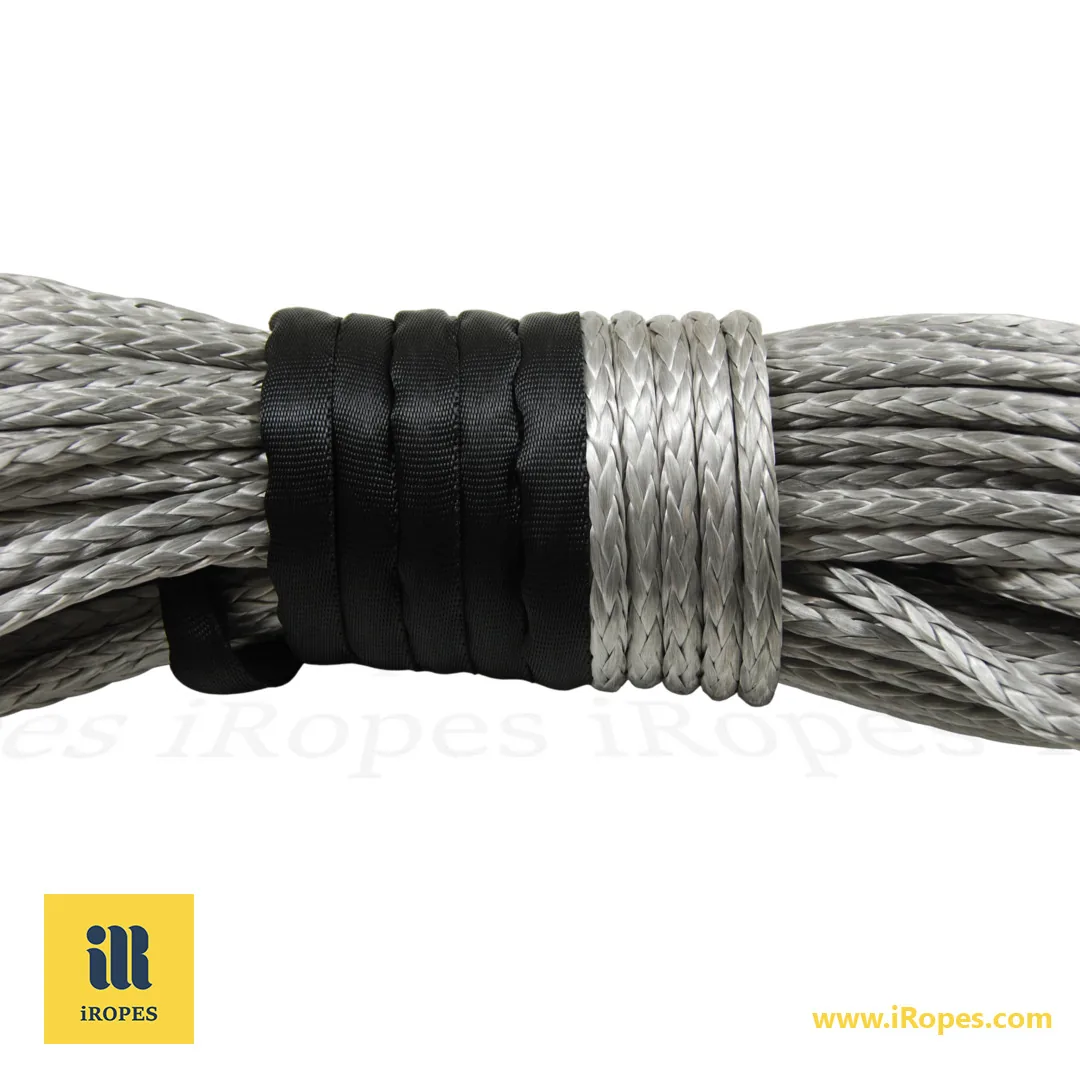
iRopes’ nylon twine delivers up to 27% higher tensile strength and 15% superior abrasion resistance—ideal for your toughest tasks ⚡
Benefits Overview – ~2 min read
- ✓ Reduce material spend by up to 20% as our higher‑strength twine lowers re‑order frequency.
- ✓ Extend service life by approximately 30% thanks to UV‑proof, rot‑resistant nylon, cutting maintenance cycles.
- ✓ Choose from 15+ diameter options and custom colour or reflective strips for safety‑critical projects.
- ✓ Rely on ISO 9001‑certified production for a zero‑defect guarantee, speeding project approvals.
Most workshops still reach for standard polyester rope, assuming cost trumps performance. Yet, they’re silently sacrificing up to 30% of load capacity and years of service life. What if you could upgrade to iRopes’ custom‑engineered nylon twine and instantly gain a 27% strength boost, UV‑proof durability, and a colour‑coded safety edge? Keep reading to discover the exact specifications that transform ordinary cordage into a strategic advantage for your toughest projects.
Understanding Nylon Twine: Definition, Core Benefits and Quality Assurance
Building on the overview of why high‑strength cordage matters, let’s delve into what nylon twine actually is.
Nylon twine is a synthetic polyamide cord, renowned for its exceptional strength and durability. The fibres are precisely extruded into a smooth, tightly‑spun strand that resists abrasion while remaining flexible, making it ideal for demanding environments.

What truly sets this material apart from natural fibres is its resilience against the elements. Unlike cotton or jute, nylon resists degradation from UV exposure, rot, mildew, and many chemicals.
- Superior wear resistance – endures abrasive surfaces and harsh environments without fraying.
- Higher tensile strength – supports greater loads while limiting unwanted stretch.
- Broad diameter range – offers precise sizing from fine to robust, matching any task.
iRopes backs every metre of its cord with a rigorous quality system. Our ISO 9001‑certified facilities utilise calibrated testing rigs to verify tensile strength, elongation, and abrasion resistance before any batch leaves the warehouse.
“Our ISO‑9001 process guarantees that every batch of nylon twine meets exacting strength and durability standards, giving wholesale partners confidence in every metre we ship.”
With these core benefits in mind, choosing the right nylon twine rope for your application becomes a straightforward decision. This is especially true once you understand how construction influences performance. The next section will explore how different constructions of twine nylon affect suitability for specific tasks.
Twine Nylon: Construction Types, Performance Differences and Selection Guidance
Now that we have covered the material itself, let’s consider how the fibres are assembled. The construction method determines how the rope behaves in the field. Whether a strand is twisted, braided, or tarred influences its strength, handling, and durability. Therefore, picking the right construction is as important as choosing the correct diameter.

When fibres are twisted, individual strands wrap around each other in a helical pattern. This process typically yields a higher break strength for a given diameter because the load is distributed along the length of the spiral. However, a twisted strand can unwind if the ends are not terminated properly, which may affect knot security in some applications.
In contrast, a braided construction involves interlacing multiple yarns in a flat or round weave. The result is a smooth, flexible cord that resists unravelling and holds knots firmly. Braided twine is favoured where frequent knot adjustments are required, such as in masonry lines or crafting projects.
- Twisted – delivers the highest tensile strength per diameter, ideal for heavy‑duty utility lines.
- Braided – offers superior knot‑holding and a smooth surface, perfect for precision work and crafts.
- Tarred Twisted – adds a protective coating that repels water and UV, making it the go‑to choice for marine rigging and outdoor storage.
Our tarred twisted variant receives a thin layer of pitch during the final stage of extrusion. This coating fills microscopic gaps, preventing moisture ingress and shielding the fibre from sun‑induced degradation. For boats, docks, or any exposure to salty spray, this extra barrier can extend service life by months or even years.
Choosing the right construction starts with a clear picture of the task at hand. Consider these factors:
- Load intensity – If the application demands the greatest possible break strength, twisted nylon twine typically provides the edge.
- Knot reliability – When you need a knot that won’t slip after repeated tightening, braided twine is the safer bet.
- Environmental exposure – For constant contact with water, sunlight, or chemicals, tarred twisted twine offers the most resilient protection.
Quick FAQ
The main difference between twisted and braided nylon twine lies in how the fibres are arranged. Twisted twine packs the strands into a spiral, giving it higher break strength but a tendency to unwind. Braided twine weaves the strands together, producing a smoother finish and better knot‑holding while sacrificing a small amount of raw strength.
By matching the construction to the specific demands of your project, you ensure that the nylon twine rope performs exactly as needed—whether it’s hauling a sail, securing a masonry layout, or bundling equipment for a remote campsite. In the next section, we will explore the diverse applications where these customised twine solutions truly shine.
Nylon Twine Rope: Applications, Customization Options and Sizing Guidance
Having clarified the construction differences, it’s time to explore where this high‑strength cord truly shines. From the deck of a yacht to a remote campsite, the same resilient fibre adapts to wildly different challenges.

Below is a quick visual guide that matches common sectors with the features they rely on most.
Applications
Where strength meets purpose
Marine & Yachting
Lines for mooring, sail hoists, and spearfishing rigs benefit from salt‑water resistance and minimal stretch.
Construction & Masonry
Precision mason lines and utility ties demand high tensile strength and reliable knot‑holding.
Outdoor & Survival
Bank lines, shelter guy lines, and gear repair cords need abrasion resistance and weather durability.
Customization
Tailor‑made to fit your brand
Size & Length
Select any diameter and spool length to match the exact working load limit required for your job.
Colour & Visibility
High‑visibility hues or subtle tones can be chosen, with optional reflective strips for night‑time safety.
Accessories & Branding
Loops, thimbles, custom tags, or fully branded packaging can transform ordinary twine into a marketing asset.
Choosing the right size and strength begins with reviewing the #/mm chart, which pairs each diameter with a break‑strength rating. The key is to select a twine whose working load limit is comfortably below that rating, while still meeting the actual load demands of the task. For instance, if a job requires a 150 lb capacity, a twine rated at 300 lb provides a safe margin and accommodates any sudden shock loads.
When reading the size chart, match the # or mm diameter to the required working load limit – never exceed the listed break strength.
Our approach to sizing is straightforward: identify the maximum load, add a 2‑to‑3‑times safety factor, then select the nearest diameter that meets that requirement. Because we produce a continuous range of diameters, you won’t need to compromise on either strength or flexibility. This method directly answers the common question, “How do I choose the correct size/strength of nylon twine for my project?” by turning a technical chart into a practical decision‑making step.
Armed with the right application insight and a customised product plan, you’re ready to see how partnering with iRopes can turn a generic cord into a strategic advantage for your business.
Having explored the material, construction, and applications, you now understand why iRopes’ nylon twine stands out. Its superior wear‑resistance, higher tensile strength, and a diameter range that spans from fine to robust are all produced under ISO‑9001 control. Whether you need a twisted rope for heavy‑duty utility lines, a braided strand for precise knot‑holding, or a tarred variant for marine exposure, the right twine nylon choice can be tailor‑made to match your load limits, colour preferences, and branding requirements, delivering the perfect nylon twine rope for your project.
Ready for a custom rope solution? Get expert advice below
If you would like a tailored recommendation for your specific application, simply complete the form above and our specialists will contact you.