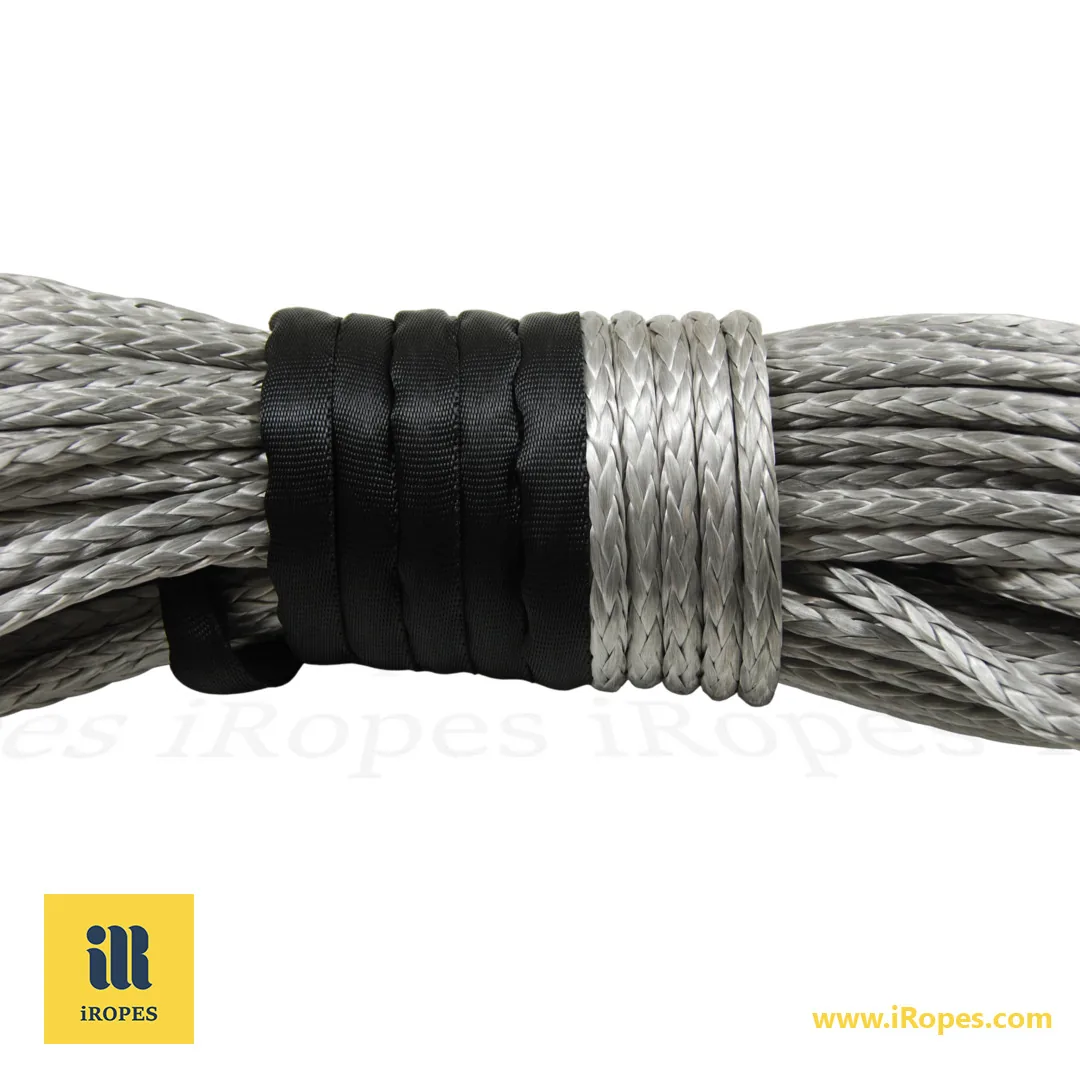
Three‑strand nylon twisted twine delivers up to 120 lb test strength at 0.20 in. diameter and offers predictable, modest stretch to absorb shock loads in marine use.
What you’ll gain in a 6‑minute read
- ✓ Cut sizing time with our quick‑pick decision guide.
- ✓ Improve mooring reliability with UV‑treated twisted twine.
- ✓ Unlock bulk pricing on orders over 200 lb.
- ✓ Access ISO 9001‑backed, IP‑protected OEM packs with custom branding.
Many assume braided rope is always the best choice for anchoring, yet a three‑strand nylon twist can reduce slip and provide steady, predictable elongation under typical loads—saving both time and gear. What if the hidden advantage lies not in strength alone but in the way the strands lock together under load? In the sections that follow, we’ll explain the construction, compare the numbers, and show you exactly how to pick the right twine for dependable marine use.
nylon twisted twine – Definition, Construction & Core Properties
Twisted nylon twine is a three‑strand, heat‑set rope that ranges from 0.04 in. to 0.20 in. in diameter and carries test strengths between 6 lb and 120 lb, making it a go‑to choice for marine accessories, net‑making, and light‑duty rigging within mooring and anchor systems.
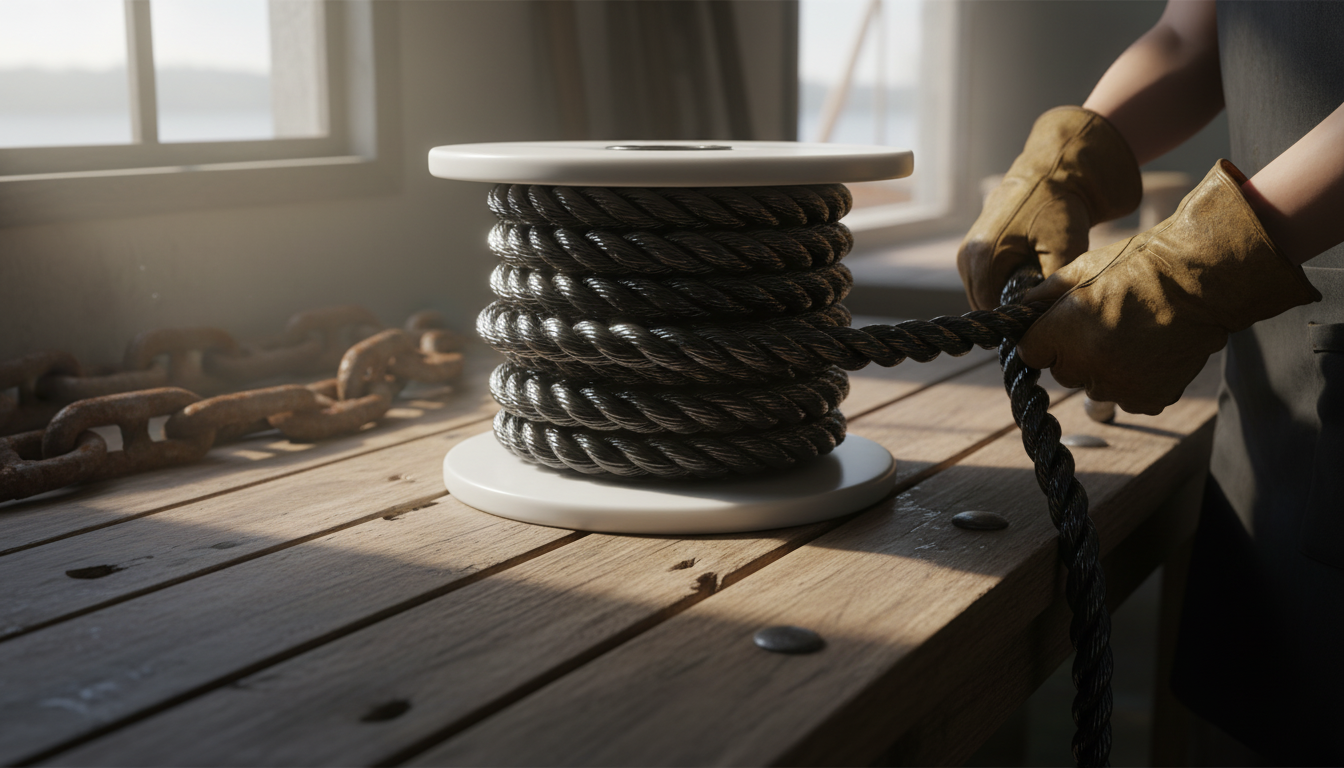
iRopes engineers refer to this product as twisted nylon twine because the three strands are individually twisted before being heat‑set into a permanent shape. The process locks the fibres, so the rope keeps its geometry even after repeated loading and exposure to salt water.
- UV resistance – when UV‑treated or tarred, nylon resists sun damage and maintains tensile strength longer in exposed settings.
- Abrasion tolerance – the tightly twisted construction distributes wear across all three strands, extending service life on rough dock surfaces.
- Stretch performance – predictable elongation helps absorb shock while maintaining a firm hold, typically around 4–5 % under working loads.
The 3‑strand twist is what gives twisted twine its predictability. Unlike braided ropes, which offer different elongation profiles, the three‑strand layout behaves like a uniform cable. When you apply a steady load, the rope elongates in a consistent way, letting you calculate the slack required for marine tasks.
“In my 15 years of designing anchor systems, the consistency of a three‑strand twist lets me fine‑tune knot‑hold without fearing unexpected stretch.” – iRopes Marine Rope Specialist, 2023
Because the core properties remain consistent, you can rely on the quoted test‑strength values when sizing a line for specific tasks. Combined with UV resistance, abrasion tolerance, and predictable elongation, this is why iRopes’ nylon twisted twine remains a favourite among boat owners and commercial operators alike. Every order is produced in ISO 9001‑certified facilities for quality you can trust.
Now that you understand what twisted nylon twine is and how its construction influences performance, the next step is to explore the standard size and test‑strength chart that helps you pick the right diameter for your application.
twisted nylon twine – Standard Size & Test‑Strength Chart
Having clarified what three‑strand nylon twisted twine is, the next logical step is to match the right diameter to the required load capacity. Below is the quick‑reference chart engineers use when selecting a twine for marine and industrial tasks.

| Diameter (in) | Test Strength (lb) | Typical Use |
|---|---|---|
| 0.04 | 6 lb | Lightweight garden ties |
| 0.06 | 12 lb | Small fishing‑net panels |
| 0.09 | 24 lb | Net‑making and decoy lines |
| 0.12 | 36 lb | Marine lacing and fender lanyards |
| 0.16 | 60 lb | Trot‑lines and gear lashings |
| 0.20 | 120 lb | Heavy‑duty tag lines and industrial tasks |
Choosing the right variant further refines performance for the environment you’ll face at sea or on shore.
- Tarred – a black, oil‑based coating that repels water and adds UV shielding, ideal for long‑term marine exposure.
- Bonded – a polymer‑bonded finish that reduces friction during spooling and improves knot‑hold in freshwater settings.
- Colour‑coded – bright‑hued or reflective strands that boost visibility on docks, making line‑checks quicker and safer.
When you wonder how strong is nylon twisted twine, look to the “lb‑test” rating in the chart. This figure represents the load a twine will withstand before breaking under standard test conditions. Always apply an appropriate safety factor and choose a higher rating for dynamic loads and light‑duty marine tasks such as net‑making or decoy rigging. For a deeper dive into the advantages of three‑strand nylon rope, see our detailed guide on three‑strand nylon twisted rope benefits.
Armed with the size‑strength matrix and an understanding of the available finishes, you can now move on to real‑world scenarios where the right twine makes a measurable difference.
twisted twine – Key Marine Applications and Selection Guide
Moving from the size‑strength chart to the field, the advantage of nylon twisted twine shows up in how it behaves under water and wind. Its three‑strand construction bends easily around hardware yet holds knots with minimal slip, which is why many skippers prefer it for fender ties, retrieval cords, light‑duty lashings, and accessory lines within mooring and anchor systems.
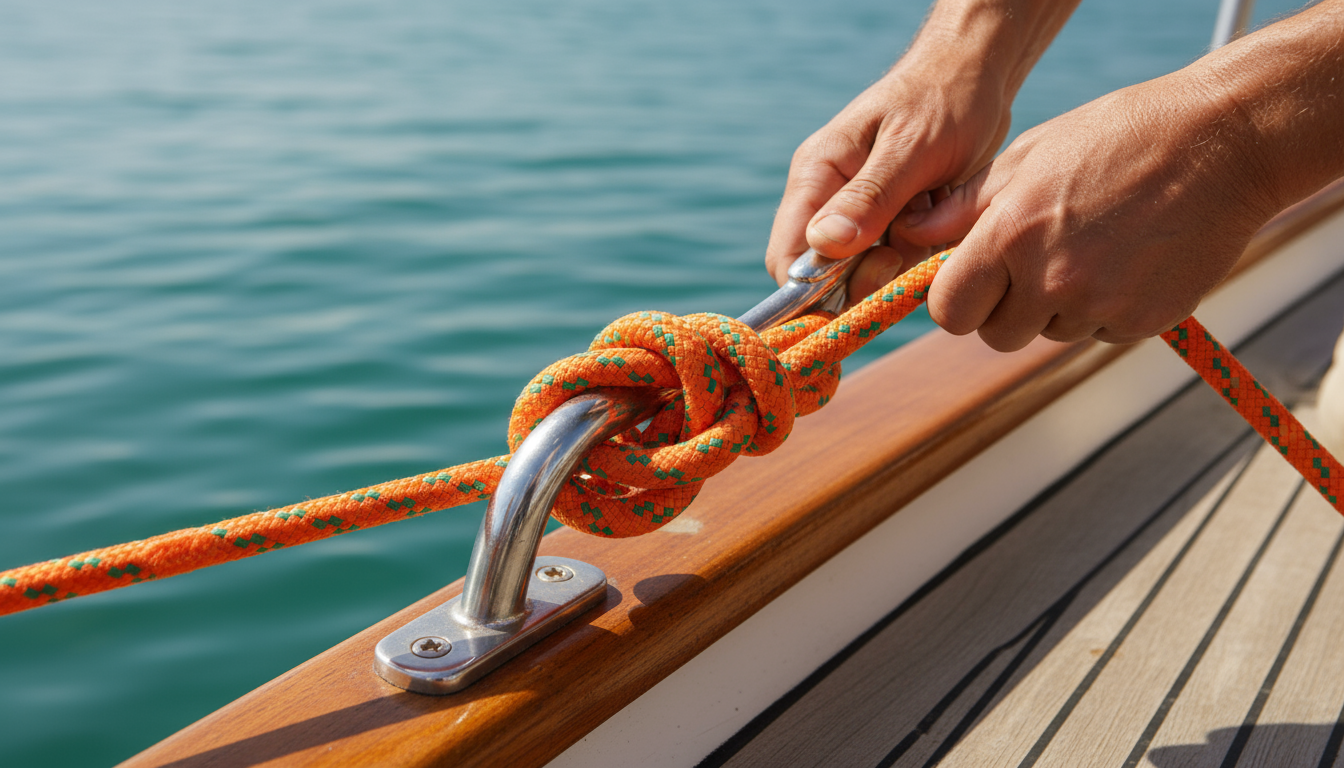
Here are eight common marine scenarios where twisted twine outperforms alternatives for light‑duty use:
- Mooring snubbers and lashings – the twist provides predictable give, letting you fine‑tune slack without the line looping back on itself.
- Anchor system accessories – ideal for trip lines, chain markers, and retrieval cords where flexibility and knot‑hold matter.
- Trot‑lines for fish‑pots – the smooth surface helps prevent snagging on nets, and the tarred finish repels salt spray.
- Seine net braces – a 24‑lb test (≈ 0.09 in.) balances flexibility and strength to follow curved net shapes under catch weight.
- Dock‑side safety checks – colour‑coded twine makes visual inspections fast, reducing the chance of hidden wear.
- Grab‑lines on gear and buoys – reliable knots hold well even after repeated wet‑dry cycles.
- Light gear retrieval – a 36‑lb to 60‑lb test handles tag‑line work without excessive elongation.
- Fishing‑net sizing – for a standard seine net, a 24‑lb test twine typically supports full net opening while holding the catch securely.
Choosing the right twine can feel like solving a puzzle, so treat it as a simple decision tree. First, determine the static load. If you’re in salt water, a tarred or UV‑treated finish extends service life. Fresh‑water environments often benefit from a bonded finish that reduces friction on spools. Finally, consider visibility—bright orange or reflective strands help you spot a loose line before it becomes a safety issue.
Quick‑Pick Guide
If your load is under 30 lb and you work mainly in salt water, select a 0.09 in. tarred nylon twisted twine (24‑lb test). For loads up to 60 lb in fresh water, a 0.12 in. bonded version (36‑lb test) offers smoother handling. When visibility is critical, choose a colour‑coded or reflective variant, and always apply a sensible safety factor for dynamic loads.
By matching the application to the appropriate diameter, finish, and colour, you minimise wear and maximise safety. The next logical step is to see how iRopes can turn these selections into a custom‑made spool that arrives on your dock exactly when you need it.
Custom Solutions, Buying Guide & CTA for iRopes Twisted Twine
After seeing how the right diameter and finish can change a line’s behaviour, you’ll want a supplier who can turn those choices into a ready‑to‑use spool. iRopes specialises in transforming standard specifications into bespoke packages that arrive on schedule, complete with any branding you require and backed by ISO 9001 quality assurance. Learn more about how our three‑strand nylon lines can enhance your anchoring system in our benefits of 3‑strand nylon line and anchor line article.
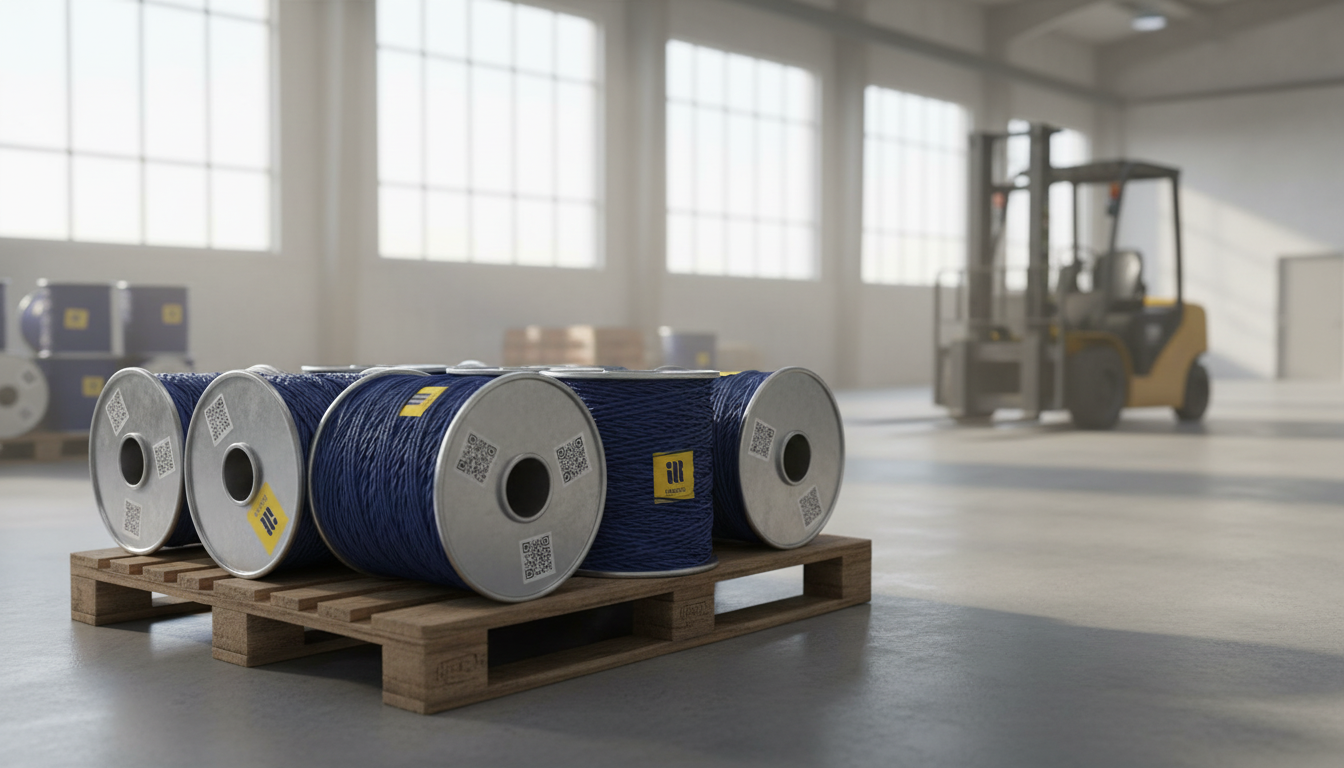
Our OEM/ODM service lets you specify everything from material grade to final packaging. You can request high‑tenacity nylon for maximum load, recycled‑nylon blends on request for greener projects, or a UV‑treated finish that endures harsh sunlight. Each variant can be supplied in custom diameters as fine as 0.04 in. or as robust as 0.20 in., and we’ll add any required accessories such as terminations, loops, or thimbles before the twine leaves the factory. Throughout the process, iRopes safeguards your designs with full IP protection, so your proprietary colour formula or logo remains confidential.
Material Options
Choose the performance profile
High‑Tenacity Nylon
Maximum load capacity for heavy‑duty marine and industrial tasks.
Recycled Nylon
Eco‑friendly option with strength comparable to virgin material.
UV‑Treated Coating
Extended sun resistance for long‑term exposure on open decks.
Branding & Packaging
Make your product stand out
Full‑Colour Dye
Match any corporate palette or create high‑visibility safety colours.
Printed Spool Labels
QR‑code tags for traceability and quick inventory checks.
Non‑Branded Bulk Packs
Cost‑effective palletised rolls for large‑scale OEM projects.
Pricing scales with volume and finish. As an indicative guide, orders up to 50 lb are often quoted around $13 per lb; 51‑200 lb typically fall near $11 per lb; and orders above 200 lb may qualify for ~$9 per lb. Spools are available in ¼ lb, ½ lb, and 1 lb, or as bulk rolls of 4‑8 lb, all wrapped in moisture‑resistant film. Lead time for a standard colour is usually 2‑4 weeks; custom dyes may add a week, and expedited production is available on request. We ship pallets directly to ports, warehouses, or dockside locations worldwide, with full milestone tracking.
Typical lead time is 2‑4 weeks for custom orders; expedited production available for an additional fee.
Can iRopes provide custom colours and branding? Absolutely – we offer full‑colour dyeing, reflective strips, and printed packaging. The minimum order for a bespoke colour is 500 lb, and larger projects benefit from reduced set‑up costs. Once you approve the shade, we apply the dye in a single‑batch process that guarantees uniformity across every metre of twisted twine.
If you’re ready to replace generic rope with a solution that carries your logo, meets exact load requirements, and arrives on schedule, simply click the button below to request a personalised quote. Our sales engineers will confirm the specs, finalise pricing, and lock in a delivery window that matches your project timeline.
Looking for a personalised twisted twine solution?
By now you know that the three‑strand construction of nylon twisted twine delivers predictable stretch, UV resistance, and abrasion tolerance, and that the size‑strength chart lets you match diameters from 0.04 in. to 0.20 in. with test ratings up to 120 lb for marine applications, including components within mooring and anchor systems. iRopes can further tailor twisted nylon twine with custom colours, finishes, terminations, and branding, ensuring the rope meets your exact load, environment, and visibility requirements. For further guidance on selecting the right nylon rope for your vessel, read our essential tips for choosing your nylon boat rope.
If you’d like a personalised recommendation—whether you’re choosing the right test rating for a new fleet or need a bespoke colour scheme—simply use the enquiry form above and our engineers will design the perfect twisted twine solution for you.