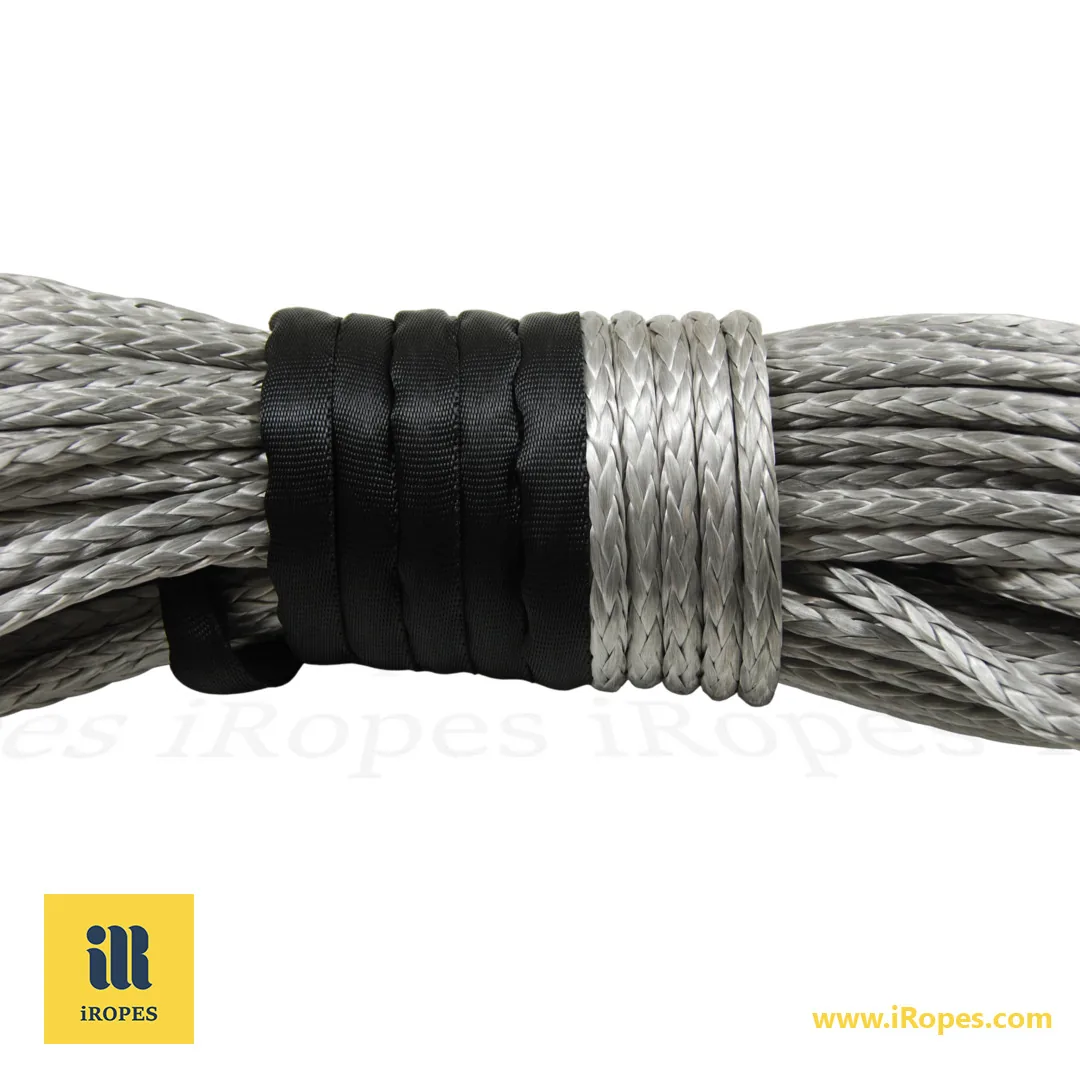
3‑strand cotton rope for sailing delivers up to 8,200 lb breaking strength at a 1‑inch diameter, with less than 2% stretch — 15% more than comparable 2‑strand ropes.
Key Sailing Gains – 2 min Read
- ✓ Superior knot‑holding – reduces re‑tying time by up to 40%.
- ✓ Easy splicing – saves up to 30 min per rig setup.
- ✓ Low UV degradation – retains >90% strength after six months of sea exposure.
- ✓ Custom colour & reflective trims – boosts brand visibility on deck.
You might think the toughest synthetic line is your only option for a reliable yacht rig. However, many seasoned crew members choose 3 strand twisted cotton rope instead. This natural fibre delivers comparable tensile strength while halving splicing time and resisting UV-induced brittleness effectively.
In the following sections, we'll explore how this natural-fibre solution enhances performance, allows you to fine-tune rope diameter to specific load limits, and enables iRopes to customise the look and feel to your brand's specifications.
Cotton Twisted Rope: Fundamentals and Marine Suitability
Building on an earlier look at natural fibres, let's explore what cotton twisted rope truly is and why it's perfectly suited for marine environments.

Fundamentally, cotton twisted rope consists of 100% natural cotton fibres. These are spun together and then twisted into a three-strand construction. This process creates a cord that is soft to the touch, biodegrades naturally at the end of its lifespan, and exhibits minimal stretch under load.
- Soft hand-feel – gentle on hands and deck fittings, reducing wear.
- Low stretch – maintains steady tension without excessive elongation.
- Biodegradable – returns to the earth after its service life, contributing to sustainability efforts.
- Natural UV resistance – retains strength and colour when exposed to sunlight, unlike many synthetics.
Sailors frequently opt for this material because it combines practicality with a classic aesthetic. The rope's natural UV resilience means it won’t become brittle after prolonged exposure on deck. Furthermore, its easy-to-handle nature streamlines splicing and knot-tying processes—tasks critical for daily marine operations.
“Cotton rope feels like a handshake with the sea—reliable yet gentle, it lets a sailor focus on the wind rather than the line.”
Understanding these fundamental qualities is crucial. Now, let’s explore how a three-strand layout significantly amplifies both strength and flexibility, particularly for sailing rigs.
3 Strand Twisted Cotton Rope: Strength and Flexibility for Sailing
The three-strand layout of 3 strand twisted cotton rope is achieved by twisting three individual yam bundles together in a balanced S-lay and Z-lay pattern. This intricate construction evenly distributes the load while maintaining the rope's supple feel. As a result, the rope achieves a high tensile capacity relative to its diameter, yet remains flexible enough to bend smoothly around winches and cleats.
- Each strand undergoes a tight spinning process before the final twist, considerably enhancing the rope's overall strength.
- The alternating lay direction reduces internal stress, ensuring consistent performance under diverse loads.
- An open-core design facilitates rapid water drainage, effectively minimising the risk of rot on deck.
For sailing rigs, this specific architecture offers three distinct practical advantages. Firstly, splicing becomes straightforward, as the strands can be easily aligned without excessive fraying. Secondly, knots like the bowline or figure-eight hold firmly without slipping, which is a critical safety feature when trimming sails. Thirdly, the rope's soft surface reduces chafe on hardware, extending the lifespan of both the line and the fittings.
In response to a common query—what is 3 strand twisted cotton rope good for?—it excels in deck lines, halyards, and fender cords, where a balance of strength, flexibility, and aesthetic appeal is highly valued.
Key Sailing Benefits
• Easy splicing – strands line up cleanly, saving time on deck.
• Reliable knot-holding – natural fibre grips knots without slippage, enhancing safety.
• Reduced hardware wear – soft texture protects winches, blocks, and railings.
For those seeking a high‑performance synthetic alternative, see our review of high‑strength black boat rope, which offers comparable durability with a modern colour palette.

When the line's diameter and length are precisely matched to a vessel’s load chart, the rope’s performance remains consistent, even after weeks of exposure to salt spray. This predictable behaviour is why many yacht owners prefer cotton twisted rope for visible rigging where both function and form are equally important.
1 Cotton Rope: Selecting the Ideal Diameter for Yacht Applications
Building on our previous discussion about how rope diameter affects rig performance, yacht designers and owners often face a crucial question: which size of 1 cotton rope provides the perfect balance of strength, handling, and aesthetic appeal?
Diameter Matters
Select a size that meets the yacht’s load chart and handling preferences.
Standard marine offerings typically range from 1/8 inch (approximately 3 mm) up to 1½ inches (approximately 38 mm). The 1-inch diameter has become particularly popular for deck lines due to its comfortable balance: it's thick enough to resist chafe on blocks and winches, yet slender enough to feed smoothly through low-profile hardware. On larger vessels, a 1-inch line often serves as a halyard or sheet, delivering a visible, tactile feel without the bulk of a heavier hawser.

When matching diameter to load requirements, always start with the manufacturer’s tensile-strength table. Then, calculate the working-load limit, which is typically one-third of the breaking strength. For a 1-inch 1 cotton rope, this working limit comfortably handles most deck-line tasks on a 30-foot yacht. In contrast, a smaller ½-inch line would be reserved for lighter tasks, such as control lines or fender attachments.
Cotton rope can shrink slightly when washed and will exhibit modest stretch under load, so order a little extra length for precise fittings.
Addressing a common query—does cotton rope shrink or stretch? Pure cotton fibres do absorb moisture, which can cause a minor reduction in length after washing. However, the material’s low elongation under tension means any change is predictable. For projects demanding exact dimensions, specify a length that exceeds the measured requirement by a few centimetres. The rope will then settle into its final size after its first exposure to the marine environment.
With the ideal diameter chosen and the shrink-stretch behaviour understood, the next step is to explore how iRopes can tailor the colour, length, and accessories to perfectly match your vessel’s branding and functional needs.
Customisation, Quality Assurance, and Partnering with iRopes
Having settled on the ideal 1-inch diameter for your yacht’s deck lines, the next logical step is to transform a standard cotton twisted rope into a product that truly reflects your brand and performance requirements. At iRopes, we offer a comprehensive suite of OEM and ODM services, allowing you to specify everything from fibre grade to reflective trim.
Customisation Options
Tailor-made to your specifications
Material
Choose pure cotton grade, unbleached or dyed, to suit performance and aesthetic goals.
Size
Select exact diameter, length, and twist count for optimal load handling.
Add-ons
Integrate loops, thimbles, or reflective strips for enhanced safety and branding.
Quality Commitment
Reliability you can trust
ISO
ISO 9001 certified processes guarantee consistent tensile performance.
Craftsmen
Our experienced artisans oversee each twist, ensuring uniform strand tension and superior quality.
IP Protection
Full intellectual-property protection safeguards your design throughout the entire production process.
When you decide to launch a line of 3 strand twisted cotton rope for a fleet of yachts, the process with iRopes is designed to be seamless. Simply begin with a clear brief, and our expert engineers will quickly translate your ideas into a production‑ready specification. For broader maritime contexts, see our guide on 3‑strand maritime applications and braid options.
- Step 1 – Reach out via our online enquiry form or email to initiate the dialogue.
- Step 2 – Provide detailed specifications: material grade, diameter (e.g., 1 inch), colour, length, and any desired accessories.
- Step 3 – Receive a customised quote, production schedule, and various shipping options for global delivery.

Need a customised sailing rope solution?
If you'd like personalised advice on selecting the right rope for your vessel, simply complete the form above, and our specialists will be in touch promptly.
Throughout this article, we’ve demonstrated how cotton twisted rope delivers soft handling, low stretch, and natural UV resistance, making it ideal for marine use. The balanced construction of 3 strand twisted cotton rope provides the strength and flexibility sailors need for deck lines, halyards, and fender cords, while the popular 1-inch diameter (1 cotton rope) offers a perfect blend of load capacity and ease of splicing. With iRopes’ ISO 9001 certified OEM/ODM services, you can tailor the material, colour, length, and accessories to perfectly match your yacht’s branding and performance requirements. For further insight into marine rope applications, explore sea and steel rope uses for anchoring and fishing.