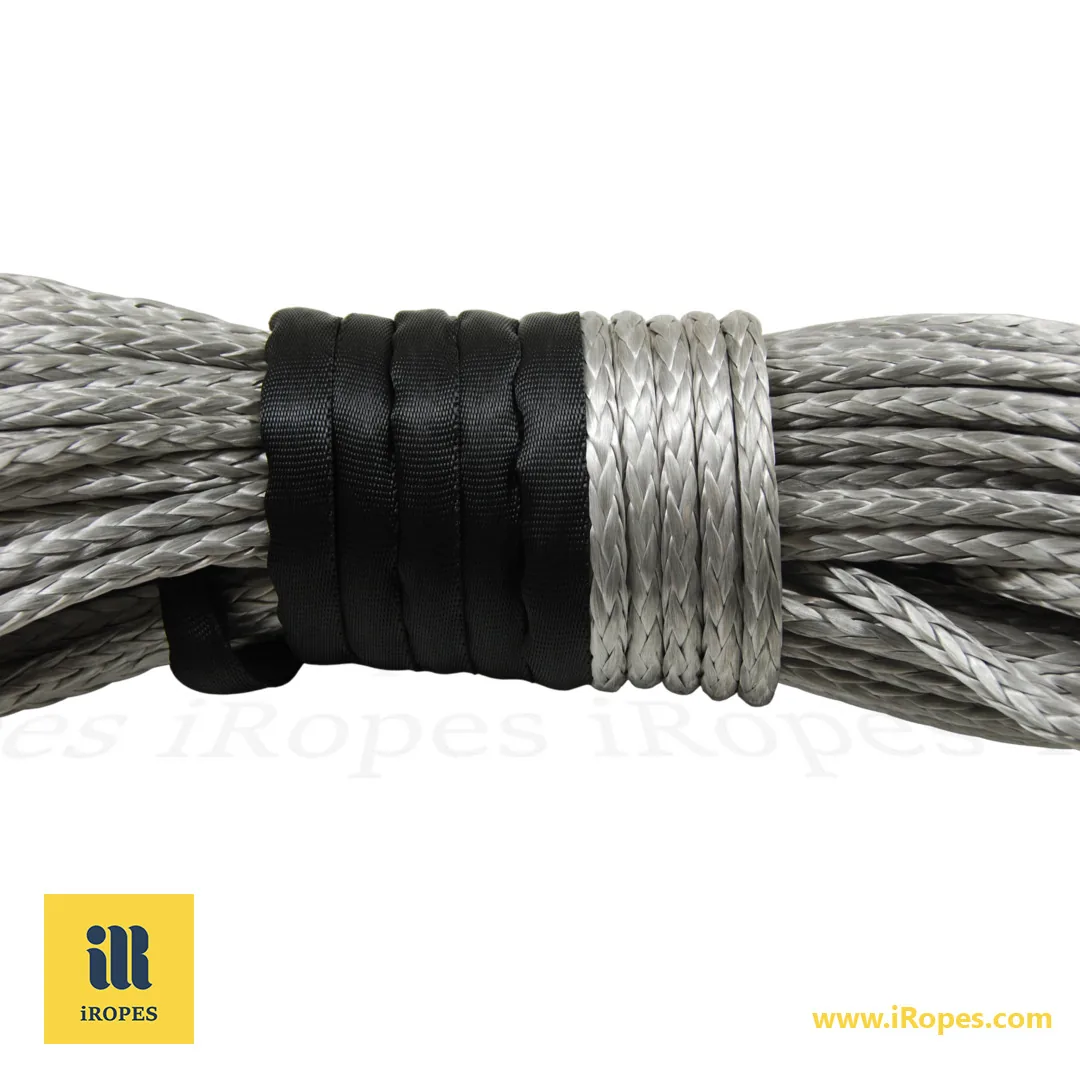
A ½‑inch 8‑strand rope typically delivers about 10–15 % more breaking strength than an equivalent 3‑strand line.
Key Benefits in 2 Minutes
- ✓ 8‑strand constructions can free up to 45 % more deck space.
- ✓ 3‑strand ropes offer rapid, tool-free splicing for quick repairs.
- ✓ iRopes provides ISO‑9001 certified quality for reliable performance.
- ✓ Custom colours and reflective elements boost visibility and safety.
For maritime activities, choosing the right rope construction is crucial for both safety and efficiency. While many believe thicker 3‑strand lines are always tougher, the modern 8‑plait design offers significant advantages. Its flat‑lay construction delivers a higher strength‑to‑diameter ratio and ensures smoother windlass operation. Discover how this essential rope comparison can streamline your operations and enhance safety.
Understanding 3‑Strand Braided Rope
A 3‑strand braided rope, often called a twisted rope, features three bundles of yarn twisted together in a helical pattern. This process begins with individual fibres spun into yarn; these yarns are then formed into three strands, which are finally twisted in opposing directions. This construction locks the fibres into a cohesive unit, resulting in a rope with a classic appearance and a notable degree of elasticity. Its simple geometry also makes it easy to handle and inspect.

For demanding marine applications like anchor rode, the mechanical profile of a 3‑strand braided rope is characterised by these key attributes:
- High Tensile Strength: Its twisted core provides a breaking strength that scales predictably with both its diameter and material composition.
- Moderate Stretch: Nylon‑based 3‑strand ropes can elongate up to 40 % under load, effectively absorbing shock from sudden forces exerted on an anchor.
- Good Abrasion Resistance: The rope's outer lay offers protection to its inner fibres, particularly against chafe when passing over a windlass or gypsy.
The 3‑strand design truly excels in splicing. Its simple structure allows for quick and reliable eye splices or short splices using basic tools, which significantly reduces downtime for field repairs. When it comes to materials for offshore use, nylon is often favoured for its energy-absorbing stretch, while polyester provides lower elongation and superior UV stability. Both materials are well‑suited to this twisted construction, ensuring effective load‑carrying capacity and robust marine durability.
“When a quick eye splice is required on a vessel, the three‑strand rope’s straightforward geometry reduces downtime and minimises the risk of splice failure.” – Senior Rope Engineer, iRopes
In contrast, an 8‑strand rope uses a flat‑lay plait, which reduces bulk but typically demands a more complex splice, often requiring specialised tools. While the 8‑plait can achieve a higher strength‑to‑diameter ratio, the 3‑strand braided rope maintains its advantage where ease of repair and inherent elasticity are paramount. Both constructions can ultimately reach similar breaking loads given identical materials and diameters. The crucial differentiator, therefore, lies in an application’s specific handling and maintenance requirements.
Understanding these fundamental characteristics provides a solid basis for evaluating performance metrics against other rope types commonly used in challenging marine environments.
The Strand Rope Concept: 3‑Strand vs. 8‑Strand
Building on the basics of twisted construction, it's vital to grasp how the number of strands influences a rope's overall behaviour in marine settings. A strand rope simply refers to any rope whose structure consists of multiple individual yarn bundles. The total count of these bundles directly impacts a rope's flexibility, bulk, and how it performs under various loads.

When users ask, “What is the difference between 3‑strand and 8‑strand rope?”, the concise answer highlights their distinct construction methods. A 3‑strand rope is a twisted braid known for its noticeable stretch and ease of splicing. Conversely, an 8‑strand rope (often termed an 8‑plait) is a flat‑lay braid designed for tighter packing and a superior strength‑to‑diameter ratio. This fundamental difference dictates their suitability for various tasks.
The "Which is stronger, 3‑strand or 8‑strand braid?" strength debate isn't straightforward. For identical materials and diameters, an 8‑strand configuration often yields a marginally higher breaking load because the force is distributed across more filaments. However, if an application prioritises shock absorption or requires frequent field repairs, the inherent elasticity of a 3‑strand braid can provide more forgiving performance under sudden loads. This adaptability often translates into better longevity in dynamic environments.
Key Difference
A three‑strand rope features a twisted construction, offering greater elasticity and simpler splicing. In contrast, an eight‑strand rope uses a plaited flat‑lay design, providing a superior strength‑to‑diameter ratio and allowing for more compact storage.
Easy Splice
The simple twisted lay allows crews to create robust eye splices with basic tools, significantly cutting downtime during routine maintenance and unexpected repairs.
Elastic Ride
Higher elongation properties absorb critical shock loads, making the rope more forgiving for dynamic anchor rode applications, especially in rough seas and unpredictable weather.
Compact Lay
Its flat‑lay plait occupies approximately half the coil volume of traditional ropes, critically freeing up valuable deck space on all types of vessels, especially smaller craft.
Higher Ratio
Eight strands achieve greater tensile strength per centimetre of diameter, making them ideal when space constraints require thin yet exceptionally strong lines for critical applications.
Beyond these mechanical trade‑offs, material selection remains pivotal. Nylon-based versions of both constructions offer excellent UV resistance, while polyester variants minimise stretch, making them suitable for applications demanding precise line control. For operators seeking tailored solutions—whether colour‑coded for fleet identification or fitted with specialised terminations—iRopes manufactures both 3‑strand braided and 8‑strand ropes to ISO‑9001 standards. This rigorous quality control ensures the final product precisely matches the performance envelope required for safe maritime operations. This attention to detail underscores our commitment to custom solutions for our wholesale customers.
Exploring the Benefits of 8‑Strand Rope
Building on our discussion of strand counts, we now focus on the modern 8‑strand design, which is increasingly gaining favour for demanding maritime tasks and various other industries iRopes serves.

The 8‑strand rope, often referred to as an 8‑plait, is constructed by interlacing eight individual yarn bundles in a tightly woven pattern. This plaited lay differs significantly from the helical twist of a 3‑strand braid by lying flat. This unique geometry allows more fibres to be packed into the same width, resulting in a rectangular cross-section. Crucially, this advanced construction translates into a higher tensile capacity for a given diameter. For instance, a ½‑inch nylon 8‑strand line can achieve approximately 5,500 lb of minimum breaking strength, representing about 10–15 % more strength than a comparable 3‑strand rope of the same size. This enhanced strength‑to‑diameter ratio is a key advantage for many applications.
Marine operators consistently observe three practical advantages directly attributed to this construction:
- Compact Storage: The flat‑lay design significantly reduces coil volume, freeing valuable deck space. This is particularly beneficial on smaller vessels where space is at a premium.
- Reduced Windlass Friction: Its smoother surface can lower resistance by up to 15 %, making line retrieval easier and more efficient. This smoother operation also extends the life of windlass components.
- Improved Strength‑to‑Diameter Ratio: More fibres per cross‑section deliver a higher load capacity without increasing the rope's bulk. This means greater strength in a thinner, more manageable line.
Material selection further refines performance for 8‑strand ropes. Nylon continues to offer the classic shock‑absorbing stretch, which is highly valued in anchor rode applications. Alternatively, polyester limits elongation to 10–15 % and provides superior UV stability, making it ideal for lines exposed to long-term sunlight. For unique applications such as floating fender lines and quick‑release deployments, polypropylene adds buoyancy and considerable weight savings.
Customisation Capabilities with iRopes
iRopes excels in tailoring 8‑strand ropes to virtually any specification. We offer extensive customisation options, including specific colour codes for fleet identification, the integration of reflective or glow‑in‑the‑dark elements for enhanced visibility, and fitting specialised terminations for precise functional needs. All our products are delivered under stringent ISO‑9001 quality control, ensuring exceptional reliability. Furthermore, we provide flexible packaging options, from discreet bags to custom‑branded colour boxes, and we guarantee IP protection for every proprietary design entrusted to us.
A deep understanding of the construction, marine‑specific benefits, material choices, and bespoke options empowers buyers to match the exact rope to the right vessel or application. This informed approach is an essential step before making a final decision on which line will carry the load most safely and efficiently for your specific needs. For a detailed comparison of the load‑capacity benefits of both constructions, see our guide on the strengths of 3‑strand and 8‑strand braid ropes.
Need a Customised Maritime Rope Solution?
By now, you'll recognise how braid structure dictates performance. The classic 3‑strand braided rope delivers forgiving stretch and rapid eye splices, making it ideal for anchor rode work. In contrast, the flat‑lay 8‑strand rope packs higher tensile strength into a slimmer profile, perfectly suited for tight deck spaces and smooth windlass operations. Understanding the broader strand rope concept allows you to precisely match material, diameter, and finish to your vessel's or project's exact demands. iRopes provides comprehensive OEM and ODM services to help you achieve this. If you require a rope engineered to your precise specifications – whether it’s colour‑coded for fleet identification, custom‑branded, or fitted with specialised terminations – simply complete the form above. Our expert iRopes specialists will then design a tailored solution that precisely meets all your maritime needs and operational requirements. For further insight into the technical parameters that guide these choices, consult our article on marine rope specifications.
If you require a rope engineered to your precise specifications – whether it’s colour‑coded for fleet identification, custom‑branded, or fitted with specialised terminations – simply complete the form above. Our expert iRopes specialists will then design a tailored solution that precisely meets all your maritime needs and operational requirements. Explore our dedicated marine mooring rope options for enhanced performance.