You get instant access to 2,348 rope varieties, manufactured under an ISO 9001 quality‑management system, with OEM/ODM options—typical port‑to‑port lead times of 4–6 weeks and pallet shipping that can trim freight costs by up to 12 % 🎯.
Key Benefits – ~2‑minute read
- ✓ Save up to 12 % on freight with direct port‑to‑port pallet shipping.
- ✓ Build consistency with ISO 9001‑backed processes and documented colour control.
- ✓ Control prototyping costs via low‑MOQ custom batches and rapid sampling.
- ✓ Plan confidently with 4–6‑week OEM lead times and 15 years of export experience.
Most buyers aim to keep budgets on track, yet low‑visibility lines and inconsistent production can inflate costs through rework and delays. What if you could lock in ISO 9001‑backed, colour‑coded rope that arrives when you expect it and performs as specified? With 15 years of experience in China and 2,348 cordages across marine, racing sports, industrial and safety uses, iRopes delivers reliable options in UHMWPE, Technora™, Kevlar™, Vectran™, polyamide and polyester—plus coatings that showcase the quality of “Made in China”. For buyers comparing rope and cordage suppliers, the sections below show how to choose well and why colour matters.
Rope and Cordage Suppliers
Now that we’ve outlined why colour‑coded rope supports safety and branding, the next step is to pick a partner you can trust. Choosing the right rope and cordage supplier isn’t just about price; it’s about consistency, compliance and how quickly the product reaches your site.
First, look for ISO certifications. An ISO 9001 badge tells you the manufacturer follows a documented quality‑management system, meaning every coil, splice and colour batch is inspected against defined standards. In practice, that reduces the risk of hidden flaws that could cause a safety‑critical failure later on.
Second, consider global logistics. A supplier that ships port‑to‑port pallets directly from a Chinese export hub can shave days off lead time and often offers better freight rates than a middle‑man. Ask for typical shipping windows and whether they provide real‑time tracking, especially if you need to coordinate deliveries across multiple project sites.
Finally, compare minimum order quantities (MOQ), pricing tiers and the scope of OEM/ODM services. Some vendors lock you into a high MOQ that inflates inventory costs, while others are flexible enough to produce a small batch of custom‑dyed rope for a pilot test. Transparent tiered pricing lets you forecast expenses as order volumes grow and supports IP‑protected customisation.
- ISO 9001 certification – guarantees systematic quality checks on every production run.
- Port‑to‑port pallet shipping – accelerates delivery and cuts freight costs for bulk orders.
- MOQ, pricing tiers & OEM/ODM flexibility – scale from prototype to rollout with clear costs.
When a supplier checks all three boxes, you gain confidence that the rope you receive will perform exactly as promised, whether it’s a high‑visibility black and yellow rope for a construction site or a marine‑grade green and white rope for buoy marking. With that foundation in place, we can now explore the colour families that keep workers safe and brands visible.

Black and Yellow Rope
Building on the supplier checklist, let’s dive into the colour‑specific line that stands out on any site—the high‑visibility black and yellow rope.
- 10–25 mm diameter options – balance load capacity and flexibility.
- UHMWPE or polyester – high strength and UV‑stable performance.
- 20 k–45 k lb tensile strength – suited to heavy‑duty applications.
Visibility isn’t just a visual perk; it supports safety compliance across industries. Black‑and‑yellow pairing delivers strong contrast (≈ 4.5 : 1), a commonly referenced guideline for high‑visibility markings. Industry testing also indicates this colour contrast can improve line‑of‑sight by around 35 % in low‑light conditions, directly lowering the chance of a slip or entanglement.
High‑visibility black‑and‑yellow rope can improve line‑of‑sight by around 35 % in low‑light conditions, reducing accident risk on busy work sites.
Because the rope meets both safety and durability demands, it excels in several arenas. On construction sites it serves as safety demarcation and control lines, on racing circuits it marks boundaries, and on marine vessels it doubles as deck‑line where the stark contrast helps crew spot tensioned lines instantly.

When you compare options, remember that a reputable rope and cordage supplier can customise the black‑and‑yellow line to match exact load ratings, add reflective tracers, or package it with branded tags—without compromising the colour’s safety edge. With those details in mind, the next colour family to explore is the equally practical green and white rope.
Green and White Rope
After exploring the safety benefits of black‑yellow rope, let’s shift to the equally important green‑and‑white family. This palette is favoured by marine operators and forest‑service crews because it offers visibility while harmonising with natural surroundings.
| Diameter | Material Options | Tensile Strength | Marine‑Grade Uses |
|---|---|---|---|
| 10 mm | Technora™ | 22 k lb | Buoy‑line, docking restraints |
| 12 mm | Vectran™ | 28 k lb | Rope‑walk safety, offshore rigging |
| 15 mm | Polyamide | 35 k lb | Heavy‑duty anchoring, mooring |
The green‑and‑white combination works because bright green stands out against water or foliage, while crisp white adds contrast for quick detection. UV‑stable fibres and coatings help retain colour fidelity during extended outdoor use, making this range ideal for long‑term deployments near saltwater and strong sunlight.
UV‑stable synthetic fibres keep the green‑and‑white hue vivid even after months of relentless sunlight.
Case Study
Coastal Marina switched to green‑and‑white polypropylene rope for its buoy‑marking system. The colour’s high‑visibility profile cut routine inspection trips, slashing maintenance calls by 12 % within the first year while the rope’s UV‑resistance reduced premature fading.
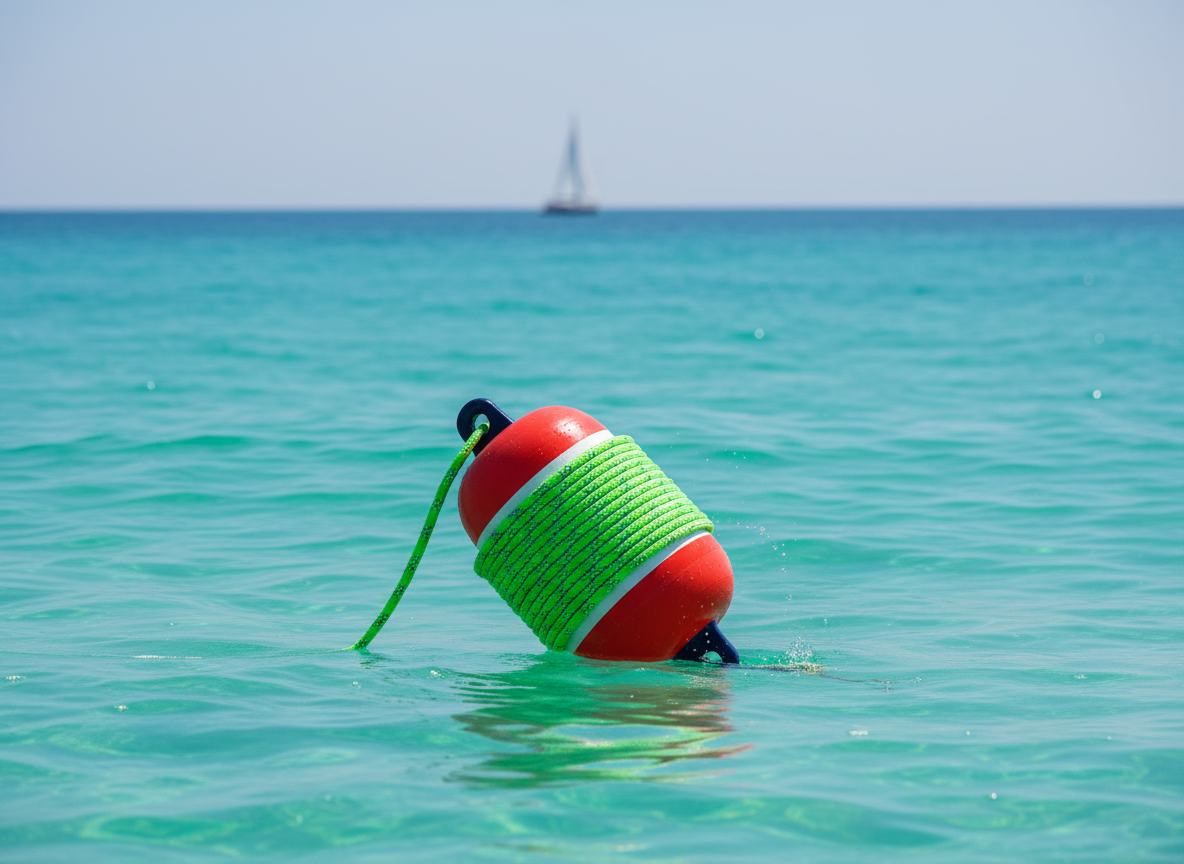
When you match the right diameter and material to your load requirements, the green and white rope becomes a reliable visual cue that endures harsh sunlight and salty spray. With those specifications in mind, the next section answers the technical questions that often arise before placing an order.
Technical FAQ & Customization
Now that you’ve seen the colour‑specific catalogues, let’s clear up common technical questions and show how iRopes tailors each rope to your needs.
What are the 6 types of ropes and their uses?
Explore premium quality rope solutions for every industry.
Core constructions and typical roles
3‑Strand (Twisted)
Durable, easy to splice; common in marine mooring, towing and general utility.
Double‑Braid
High strength with controlled stretch; ideal for winches, sheets, towing and lifting.
Kernmantle
Strong core with protective sheath; used for climbing, rescue and rope access.
Specialised Ropes
Performance‑focused options for niche tasks
Solid Braid
Smooth handling and abrasion resistance; great for pulleys, flag halyards and utility.
8‑Strand/Plaited
Torque‑balanced and easy to coil; preferred for marine moorings and trawling.
Hollow Braid
Light and spliceable; pull cords, messenger lines and general‑purpose tasks.
Wondering how to tell how old a rope is? Start with a quick visual check and confirm against your service records.
- Faded colour – loss of brightness indicates prolonged UV exposure.
- Frayed ends – unravelled strands suggest repeated flex cycles.
- Core wear – visible damage under a sheath points to ageing.
Understanding the gap between Class 1 and Class 2 ropes helps you match performance to budget. Class 1 ropes typically use conventional fibres such as polypropylene, polyester or nylon for dependable strength in everyday tasks. Class 2 ropes employ high‑modulus materials like UHMWPE, Technora™ or Vectran™, offering a higher strength‑to‑weight ratio and superior resistance to abrasion and heat.
Does rope colour matter? Yes—high‑visibility colour pairings like the black and yellow rope above can improve line‑of‑sight by around 35 % in low‑light settings. iRopes can custom‑dye colours, add reflective tracers, or embed glow‑in‑the‑dark elements so your rope stands out where it matters most.

Armed with these answers—and iRopes’ custom‑colour capabilities you’re ready to request a quote or download the full spec sheet, just as a seasoned buyer would.
By evaluating ISO 9001‑certified rope and cordage suppliers, you now see how iRopes’ 15‑year track record and 2,348 synthetic‑fibre options—from UHMWPE to Technora™—deliver reliable, high‑visibility solutions. Whether you need the safety‑critical black and yellow rope for construction sites or the marine‑optimised green and white rope for buoy marking, our OEM/ODM expertise ensures the right diameter, material and custom colour for your project. With ISO 9001 quality assurance, competitive pricing, on‑time delivery and IP‑protected designs, you can trust us to help your brand stand out safely.
Ready for a customised rope solution?
If you’d like a personalised quote, sample or advice on the best colour‑coded rope for your application, simply complete the form above and our specialists will get in touch.
