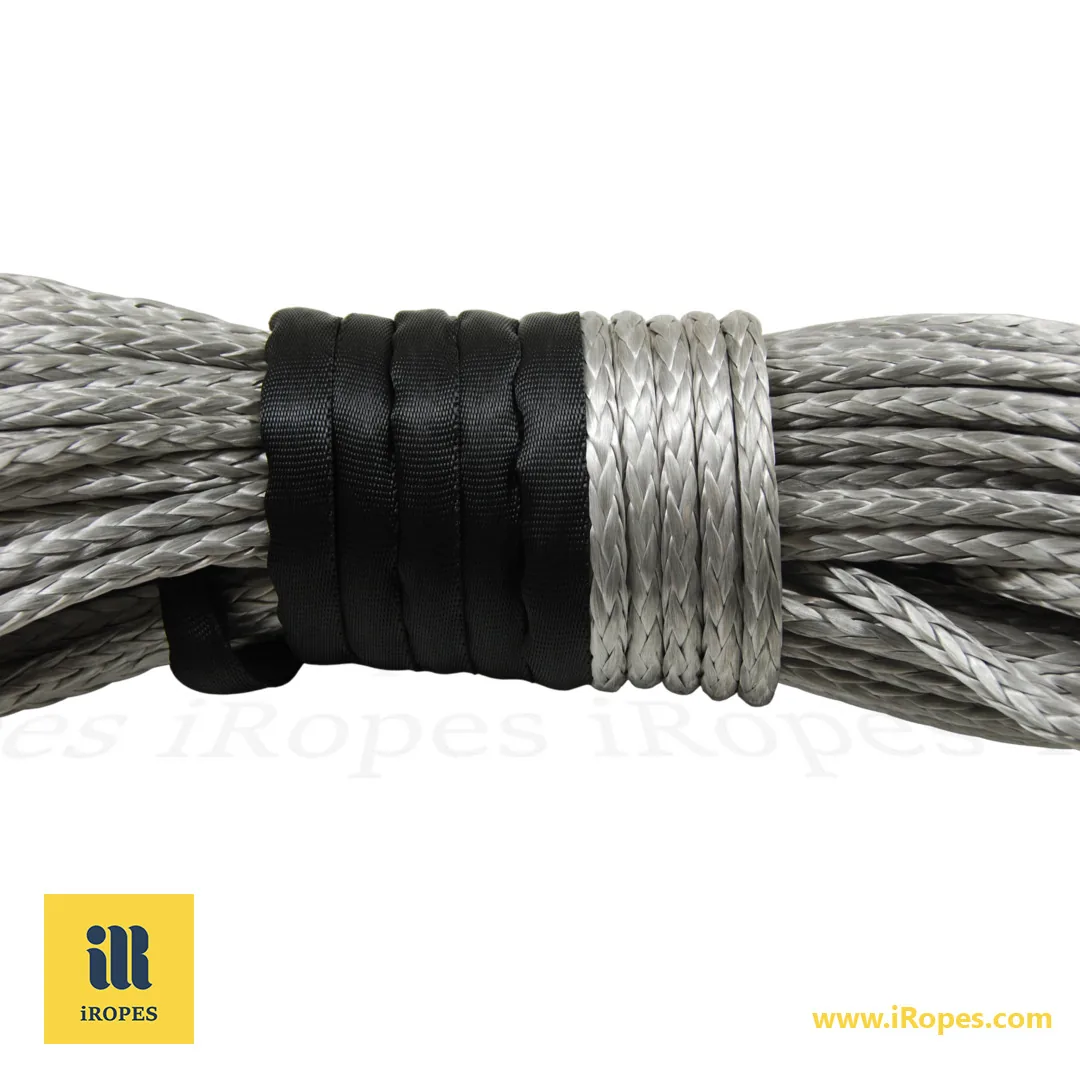
You can shave up to 12 % off bulk twine costs and receive ISO 9001‑certified, custom‑coloured rope in 6–8 weeks — a fast OEM turnaround for the yachting market.
What you’ll gain – approx. 4 min read
- ✓ Reduce bulk‑order spend by 12 % through tiered discounts.
- ✓ Secure marine‑grade twine with tensile strength 1 000‑5 000 lb and ISO 9001 quality.
- ✓ Cut custom‑colour/length lead‑time to 6–8 weeks without long delays.
- ✓ Preserve your brand – IP‑protected, fully‑branded packaging shipped worldwide.
Many buyers comparing twine suppliers assume the lowest‑priced polypropylene is the default choice. In practice, material selection depends on performance goals and environment. Polyester‑grade twine typically offers higher UV resistance and lower stretch, while polypropylene provides buoyancy and cost advantages. In the sections ahead, we outline the criteria that guide a smart choice and show how iRopes’ OEM service makes customisation straightforward.
Top Twine Suppliers for Custom Yachting Solutions
When you’re fitting a yacht, the difference between a smooth sail‑handling experience and a frustrating one often comes down to the twine you choose. Marine‑grade twine is engineered for high tensile strength—typically between 1 000 lb and 5 000 lb—while resisting UV degradation. Most suppliers offer diameters from 2 mm up to 12 mm, with actual values varying by material and construction.

Choosing the right partner is just as important as picking the right material. Below are the three criteria that separate reputable twine suppliers from the rest.
- Certifications - Look for ISO 9001, CE or UL marks to support consistent quality and traceability.
- Bulk pricing tiers - Many suppliers offer a 5 % discount at 10 spools and up to 12 % when you order 100 spools or more.
- Lead‑time expectations - Standard stock arrives in 2–4 weeks; custom colours or lengths may need 6–8 weeks.
If you’re wondering “Where can I buy bulk twine for yacht rigging in the USA?”, the answer has two parts. Major distributors such as West Marine and Fisheries Supply stock ready‑to‑ship coils, but they often lack the OEM flexibility large‑scale projects demand. iRopes, an ISO 9001‑certified manufacturer, ships directly from its Chinese facilities to US ports and worldwide, providing custom lengths, colour‑coding and branded packaging with factory‑direct pricing.
“The first time we switched to a dedicated twine supplier, our crew noticed smoother sail adjustments and fewer line‑replacements over a season.” – Captain Maya Liu, 68‑foot cruiser.
Armed with a clear definition, a practical buying checklist, and a reliable source for bulk orders, you’re ready to evaluate the next material family. The upcoming section will unpack why many yachts favour polyester rope for its stretch‑control and UV resilience.
Leading Polyester Rope Suppliers for Marine Applications
When you select rope for a yacht, polyester often tops the list because it blends strength with long‑term UV stability. A typical 8 mm marine‑grade polyester line can hold around 4 500 lb and stretches only 4–6 % under load, letting sails stay trim without unwanted give.

Compared with other common marine fibres, polyester offers a compelling balance. Its ultimate strength is comparable to nylon, yet its inherent low stretch keeps sail shape consistent and handling predictable. UV‑stabilised fibres mean the rope retains performance after long sun exposure—something polypropylene struggles with, as its UV resistance is only moderate. The trade‑off is weight: polyester is denser than polypropylene, so it doesn’t float, but that extra mass can help a rope stay on deck rather than drift.
Choosing the right partner among polyester rope suppliers hinges on three practical checkpoints:
- ISO Certification
- MOQ
- Custom colour or reflective options
First, verify that the manufacturer holds ISO 9001 or CE certification; these standards support consistent batch testing and traceability. Second, understand the minimum order quantity (MOQ)—some global players start at 10 spools, while others welcome single‑roll prototypes for design validation. Third, ask whether the supplier can integrate branding colours or high‑visibility reflective strands, a feature that helps crew spot lines in low light and reinforces your vessel’s visual identity.
Quality Assurance
iRopes operates under ISO 9001, conducts tensile‑strength tests on every production batch, and supplies traceable quality reports, giving you confidence that the rope will perform season after season.
So, what really sets polyester rope apart from polypropylene rope? The key differences lie in buoyancy, cost and durability: polypropylene is lighter and floats, making it useful for mooring lines, but it loses strength faster under UV exposure and is generally cheaper per foot. Polyester, by contrast, stays heavier, resists fading, and commands a higher price point—an acceptable trade for performance‑critical rigging where longevity matters.
Armed with this supplier checklist and a clear picture of polyester’s material traits, you’re ready to compare specific manufacturers and move toward a customised solution that matches your yacht’s exact specifications. The next section will explore why many offshore vessels still opt for polypropylene rope despite its lower strength, especially when buoyancy and cost are decisive factors.
Trusted Polypropylene Rope Suppliers for Offshore Yachting
After exploring why polyester often wins the rigging battle, it’s time to look at the material that actually floats – polypropylene. If you’ve ever watched a line bob on the water while a yacht swings into the wind, you’ve seen the practical advantage of a rope that won’t sink.

Three core advantages keep polypropylene rope at the top of offshore‑yacht supplier lists. First, its density of roughly 0.90 g/cm³ means a coil will sit on the surface rather than sink, a lifesaver when you need a line that can be retrieved quickly. Second, the polymer absorbs around 0.03 % water, so strength stays consistent even after days of exposure to spray and rain. Third, the material’s price point is generally lower than comparable polyester grades, allowing you to stock generous lengths without breaking the budget.
Yes, polypropylene rope is suitable for marine use. Its buoyancy, low water absorption, and UV‑resistant additives let it perform reliably in saltwater environments, while the cost advantage makes it a favourite for mooring, fendering and safety‑line applications.
When you move from “good enough” to a truly custom solution, the options expand dramatically. Supplier‑level customisation lets you pick the core construction (parallel‑core for added stiffness or a dual‑core for flexibility), decide on strand count to fine‑tune handling, and add safety‑oriented features such as glow‑in‑the‑dark or high‑visibility reflective filaments. Those visual cues are especially valuable during night‑time manoeuvres or low‑light dock work. Read our weather‑proof marine rope guide for more details on protecting ropes in harsh marine environments.
Core Choices
Select a parallel‑core for maximum stiffness or a dual‑core for a balance of strength and flexibility, matching the rope’s behaviour to the yacht’s load profile.
Strand Count
Higher strand counts increase flexibility and knot‑holding ability, while fewer strands boost stiffness for straight‑pull applications such as mooring lines.
Glow‑In‑The‑Dark
Incorporating phosphorescent fibres lets the rope emit a soft glow after sunset, improving visibility during night‑time operations without batteries.
Reflective Elements
Reflective strips catch deck‑light, helping crew spot lines quickly on dark decks and supporting marine safety practices.
When you pair these custom features with a supplier that holds ISO 9001 and CE certifications, you gain confidence that each coil meets strict batch‑testing standards. Many offshore‑yacht owners order in bulk—10 spools or more—to trigger a 5 % discount, while orders exceeding 100 spools can unlock savings up to 12 %. Lead‑times typically run 2–4 weeks for stocked diameters, extending to 6–8 weeks when you request colour‑coding or glow‑in‑the‑dark additives. Explore our guide to customizing the perfect 1,000‑foot rope for additional design ideas.
So, whether you need a floating mooring line that can be hauled ashore without a crane, or a safety rope that glows for night‑time crew checks, the right polypropylene rope suppliers can turn those requirements into a ready‑to‑install product. The next step is to compare how you evaluate each supplier’s credentials and discover how iRopes’ OEM capabilities can turn your spec sheet into a custom‑branded solution.
How to Evaluate Suppliers and Leverage iRopes OEM Customisation
After seeing how iRopes can turn a spec sheet into a branded rope solution, the next step is to judge the supplier landscape with a clear‑sighted matrix. Whether you’re hunting for twine suppliers, polyester rope suppliers, or polypropylene rope suppliers, the checklist stays the same: certifications, intellectual‑property safeguards, punctual delivery, and worldwide shipping reliability.
Evaluation Matrix
Key criteria for any rope supplier
Certifications
ISO 9001, CE or UL marks confirm consistent quality and traceability.
IP Protection
Contracts safeguard your designs and branding throughout production.
Delivery
On‑time shipment and clear lead‑time windows reduce project delays.
iRopes OEM/ODM
Our custom‑service capabilities
Material Blends
Choose polyester, polypropylene or hybrid mixes to meet strength and buoyancy needs.
Branding
Add logos, colour codes or reflective stripes for crew safety and visual identity.
Packaging
Select bags, colour boxes or bulk cartons, all ready for direct pallet shipping.
Most rope suppliers do offer bulk discounts – the model is usually tiered. A typical structure rewards a 5 % reduction once you order ten spools, and the saving climbs to around 12 % when the order exceeds one hundred spools. Those price breaks can turn a large‑scale rig‑out from a cost centre into a budget‑friendly upgrade.
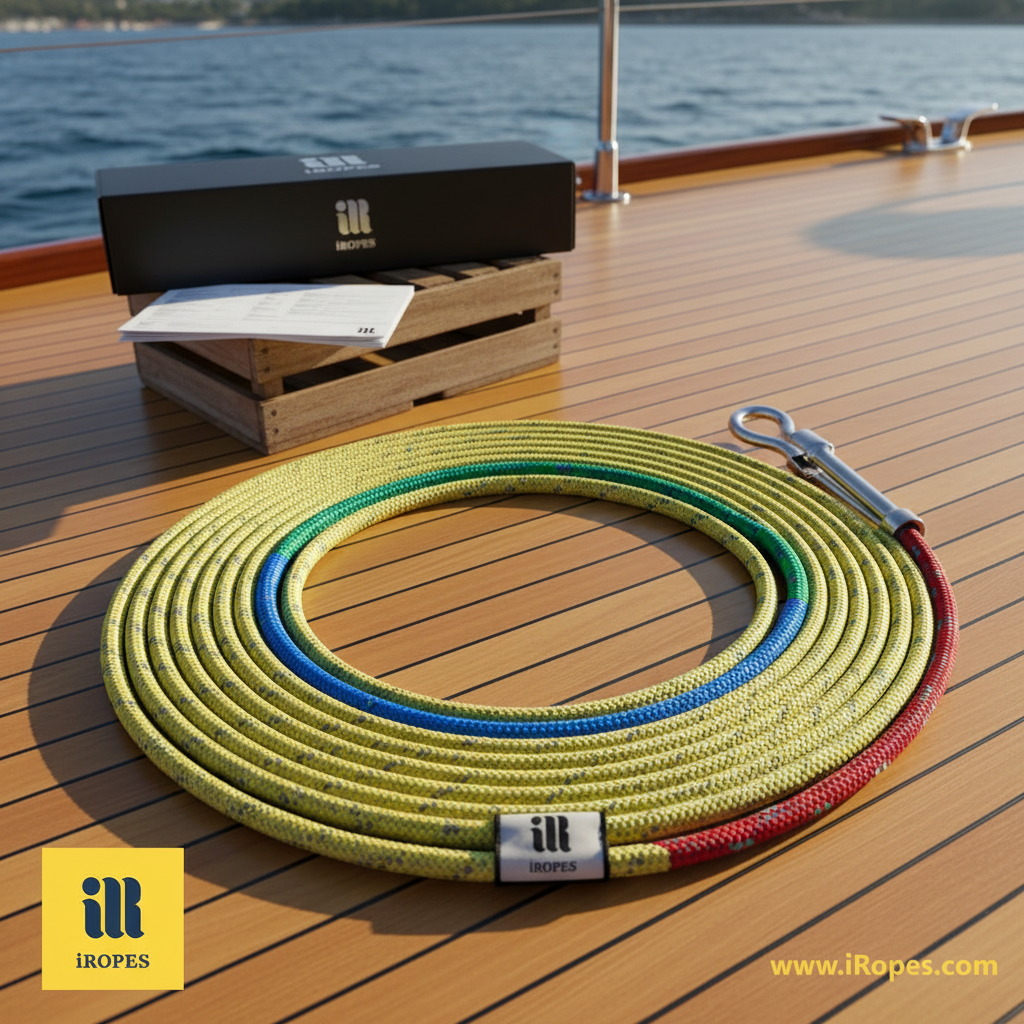
When you move from a generic catalogue to iRopes’ OEM workshop, the possibilities expand dramatically. Material blends can be tweaked for specific stretch or buoyancy targets, reflective filaments can be woven for night‑time visibility, and every coil can arrive in a bag or a colour‑matched box that bears your logo. The combination of strict ISO 9001 quality control and dedicated IP protection means you receive exactly what you asked for – no hidden substitutions and no surprise performance gaps.
OEM Flexibility
From material blends to packaging, iRopes adapts to every yacht specification.
Armed with a solid evaluation matrix and a partner that can turn a technical brief into a polished, branded product, you’re ready to place a confident order and watch your custom rope arrive ready for installation on the next voyage.
Get a personalised rope solution for your yacht
By now you know how marine‑grade twine, polyester and polypropylene each bring distinct strengths to yacht rigging, and why certifications, IP protection and on‑time delivery are non‑negotiable when vetting twine suppliers, polyester rope suppliers or polypropylene rope suppliers. Armed with the evaluation matrix and iRopes’ ISO 9001 OEM capabilities, you can specify material blends, colour‑coding, reflective or glow‑in‑the‑dark features and bespoke packaging that match your vessel’s brand. Discover the top sailing ropes that can elevate your yachting experience.
We offer OEM services and a variety of accessories to meet your specific needs. Trust iRopes to deliver the ideal yachting and sailing rope solutions for your vessel. If you’d like tailored advice, simply complete the enquiry form above and our specialists will help you fine‑tune the perfect solution.