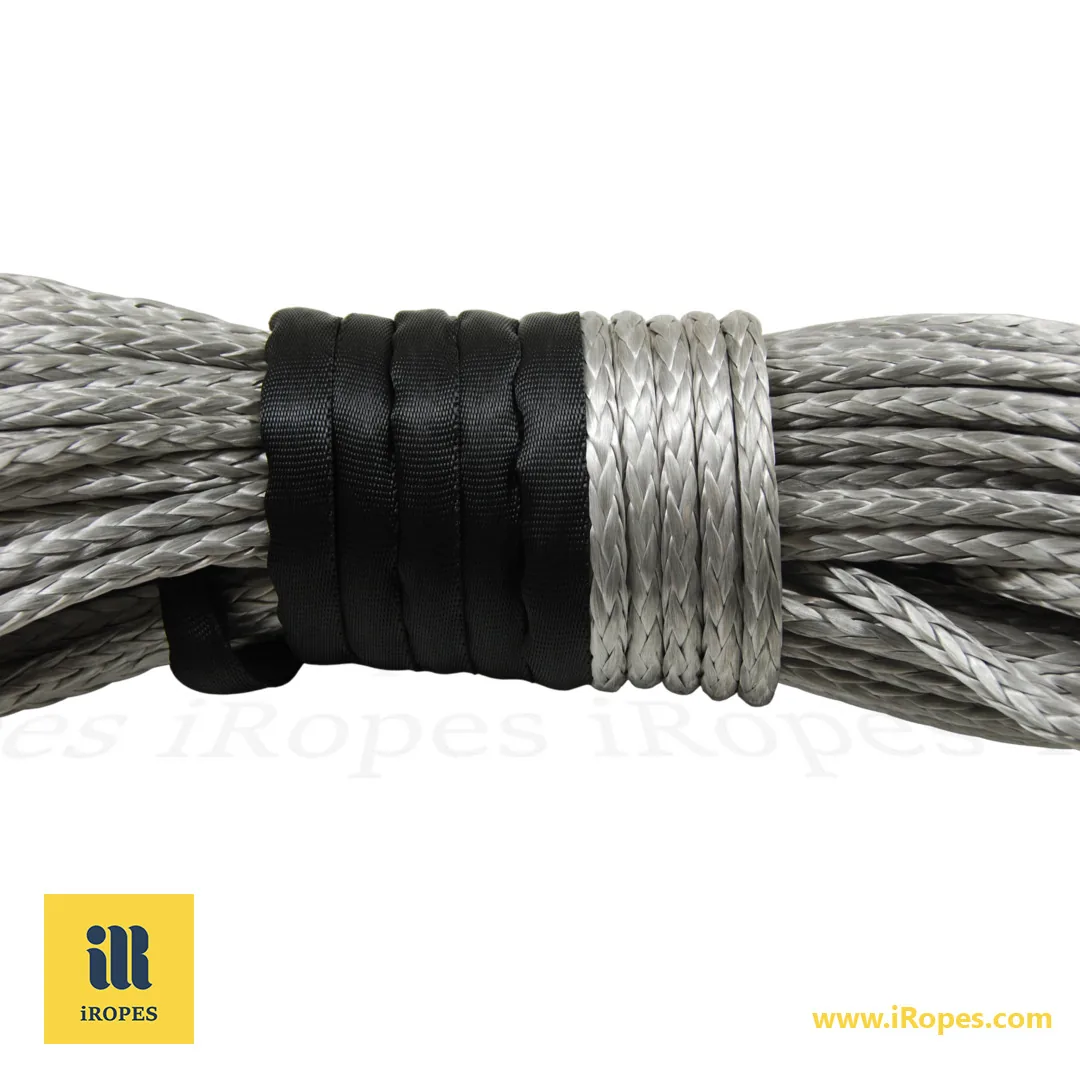
UHMWPE soft shackles deliver up to 6 kN (≈ 1,350 lb) of load while weighing 48% less than comparable steel versions.
Read time: 1 min
- ✓ Reduce total rig weight by up to 48% versus steel shackles.
- ✓ Retain 99% tensile strength after 10 years of UV, chemical and abrasion exposure.
- ✓ Tool-free slide-on fit saves roughly 30 minutes of labour per installation.
- ✓ Fully compliant with ISO 9001 and DIN 13414-2 standards for global projects.
While most engineers still reach for heavy steel shackles, the truth is that a UHMWPE soft shackle can slash your rig’s weight and boost handling without sacrificing strength. Imagine a termination that holds 6 kN, resists UV and chemicals, and slides on-site without tools—yet has been overlooked by many. In the sections ahead, we’ll reveal how to select, install, and maintain these high-performance shackles for marine, architectural, and industrial applications.
Understanding Wire Rope Stoppers: Definition and Core Functions
After exploring how rope systems keep loads steady, the next step is to look at the component that actually locks the rope in place. A wire rope stopper is a small but vital hardware piece. It fits over the end of a wire rope and then tightens to hold the strands together. Its primary purpose: to prevent the rope from slipping or unravelling. This creates a reliable termination point that can be tensioned, adjusted, or anchored safely.
These devices are indispensable in sectors where a single slipped rope can mean costly downtime or safety hazards. In marine rigging, for instance, a stopper secures halyards and lifelines against the relentless pull of wind and waves. Architectural installations rely on them to maintain the integrity of suspended glass panels or tension-fabric structures. Even industrial winches and forestry equipment count on rope stoppers to manage heavy loads without the risk of sudden release.
So, what is a wire rope stopper used for? In short, it serves three core functions: it stops rope movement, protects the rope end from abrasion, and provides a firm point for attaching hooks, eyes, or tensioners. When the stopper is tightened correctly, the rope’s load is transferred directly through the metal body, eliminating the need for knots that could weaken the strand.
Choosing the right device often means looking beyond the basic definition. A rope stopper clamp variant, for instance, uses a set-screw mechanism. This allows for on-site adjustment, making it ideal for applications where rope diameter or tension may change over time. Meanwhile, a simple rope stopper with a permanent crimp offers a compact, low-maintenance solution for fixed installations.

Safety
Stops accidental rope movement, meeting DIN safety standards for critical applications.
Performance
Maintains tension without deformation, ensuring consistent load handling.
Compatibility
Fits diameters from 1 mm to 16 mm, matching common wire rope constructions.
Durability
Made from V4A AISI 316 stainless steel, resistant to corrosion in marine environments.
Understanding these core functions sets the stage for the next part of the guide. Here, we will compare the different rope stopper types and match them to the tasks they perform best.
Exploring Rope Stopper Types and Their Applications
Building on the fundamentals of wire rope stoppers, the next step is to match the right hardware to the job at hand. Each stopper design brings a distinct mechanism, material choice, and performance edge. This allows engineers and installers to fine-tune safety and efficiency across a spectrum of projects.

When you ask “what types of wire rope stoppers are available?”, the answer falls into four practical families. Understanding their construction helps you decide which one best aligns with load, environment, and maintenance preferences.
- End sleeves / Ferrules – These are solid metal caps, often aluminium or stainless steel, crimped to the rope end. They're ideal for permanent loops and high-strength terminations.
- Clamp stoppers and ball stoppers – These feature a set-screw or swage mechanism. Ball variants add a smooth, low-profile head for aesthetic or clearance-critical installations.
- Cross clamps – These use intersecting jaws to grip the rope, delivering superior load distribution in heavy-duty lifts.
- Clamping rings – Circular rings that slide onto the rope and are secured with a separate tightening device, they suit quick-change applications where the rope size may vary.
Each family shines in particular settings. End sleeves dominate marine rigging, where a permanent, corrosion-resistant loop is essential; the stainless-steel V4A grade resists salt spray for years. Clamp stoppers and ball stoppers are favoured in architectural tension-fabric structures. Their adjustable set-screw lets contractors fine-tune tension on-site without re-crimping. Cross clamps find their niche in industrial winch lines and forestry equipment, handling the abrupt load spikes common in those environments. Finally, clamping rings are popular in DIY garden or event-technology setups, where speed and flexibility trump permanent fixation.
Choosing the appropriate rope stopper isn’t just about matching diameter; it’s about aligning material, mechanism, and the specific stresses of the application to safeguard both the rope and the structure it supports.
To answer the practical question “how do I choose the right rope stopper for a specific application?”, follow this quick decision pathway:
- Identify the operating environment – Is it marine, indoor, high-temperature, etc.?
- Match the material to that environment – Use stainless steel for corrosion resistance, galvanized for general use, or coated plastics for aesthetics.
- Confirm rope diameter and construction – Ensure the stopper’s size range covers the rope and that the design accommodates the strand pattern.
By aligning these three criteria, you minimise the risk of slippage, abrasion, or premature failure. This is exactly why iRopes’ custom-engineered rope stopper solutions are trusted by wholesale partners worldwide. Their OEM/ODM capability means you can request a bespoke end sleeve with a unique colour-code or a clamp stopper that incorporates a proprietary safety latch, all backed by ISO 9001 quality assurance.
With the appropriate stopper type selected, the next logical step is to evaluate the optimal rope stopper clamp – a topic we’ll unpack in the following section.
Choosing the Right Rope Stopper Clamp: Materials, Sizes, and Standards
Having examined the different stopper families, the next step is to match the clamp to the rope’s exact needs. Selecting the appropriate rope stopper clamp means weighing material performance, diameter tolerance, and the standards that guarantee safety.
Material choice drives longevity: stainless-steel versions resist corrosion in salty air, galvanised options balance cost with rust protection, and coated plastics provide a lightweight, non-conductive alternative for clean-room environments.

Materials
Choosing the right build
Stainless
Premium V4A AISI 316 resists seawater and high-temperature environments, ideal for marine rigging.
Galvanised
Economical steel with zinc coating, suited for indoor or dry-site installations where cost matters.
Coated Plastic
PVC or PA 12 sleeves offer lightweight, non-conductive protection for clean-room or food-grade systems.
Specifications
Size, standards & tools
Diameter
Clamp bore must match rope diameter within ±0.2 mm; body lengths typically 10-30 mm for even pressure.
Standards
DIN 13411-3 governs round clamps, while DIN 13414-2 covers end sleeves; both ensure consistent load-capacity ratings.
Tools
Installation needs a hex key, calibrated torque wrench (≈8 Nm) and, for larger clamps, a crimping plier to achieve the required safety factor.
By aligning material grade considerations, exact diameter tolerance, and the relevant DIN reference, the wire rope stopper you specify will hold its load reliably throughout its service life. The next part of the guide will show how iRopes tailors these specifications into a custom-fit solution and ensures a smooth installation process.
Customisation, Installation, and Best Practices with iRopes
Having confirmed the ideal clamp size, the next logical phase is to see how iRopes turns a standard rope stopper clamp into a solution that matches a client’s exact specifications. The company’s OEM/ODM workflow is built around close collaboration, precise engineering, and strict quality control.
OEM / ODM Customisation Flow
1. Requirement capture – iRopes gathers technical drawings, load data, and aesthetic preferences.
2. Material & design selection – engineers propose stainless V4A AISI 316, galvanised steel, or coated-plastic options that suit the operating environment.
3. Prototype approval – a 3-D printed or machined sample is sent for client verification.
4. Series production – once signed off, the part is manufactured on precision CNC equipment.
5. Quality assurance – every batch undergoes ISO 9001-aligned inspections, including torque-test verification for the wire rope stopper.
6. Packaging & shipment – non-branded or custom-branded packs are prepared, then dispatched directly to the buyer’s warehouse.
Installation of a customised stopper is straightforward when the right tools are on hand. A typical job proceeds as follows:
First, clean the rope end with a lint-free cloth to remove debris. Next, slide the clamp onto the rope, ensuring the bore matches the rope diameter within ±0.2 mm. Insert the set-screw and tighten with a calibrated hex key to the manufacturer-specified torque (usually around 8 Nm). Finally, perform a visual inspection and a pull-test to confirm that the termination holds without slippage.
Maintaining peak performance over years requires simple yet consistent care. Periodically check the set-screw for loosening, especially after the first 24 hours of service, when the rope settles. For stainless-steel components, a light rinse with fresh water after exposure to salt spray helps preserve the V4A surface. If a coated-plastic clamp is used, avoid abrasive cleaners that could scar the polymer layer.
iRopes safeguards every custom design with full intellectual-property protection and offers flexible packaging options—from colour-coded bags to printed cartons—ensuring your brand arrives intact at any global destination.
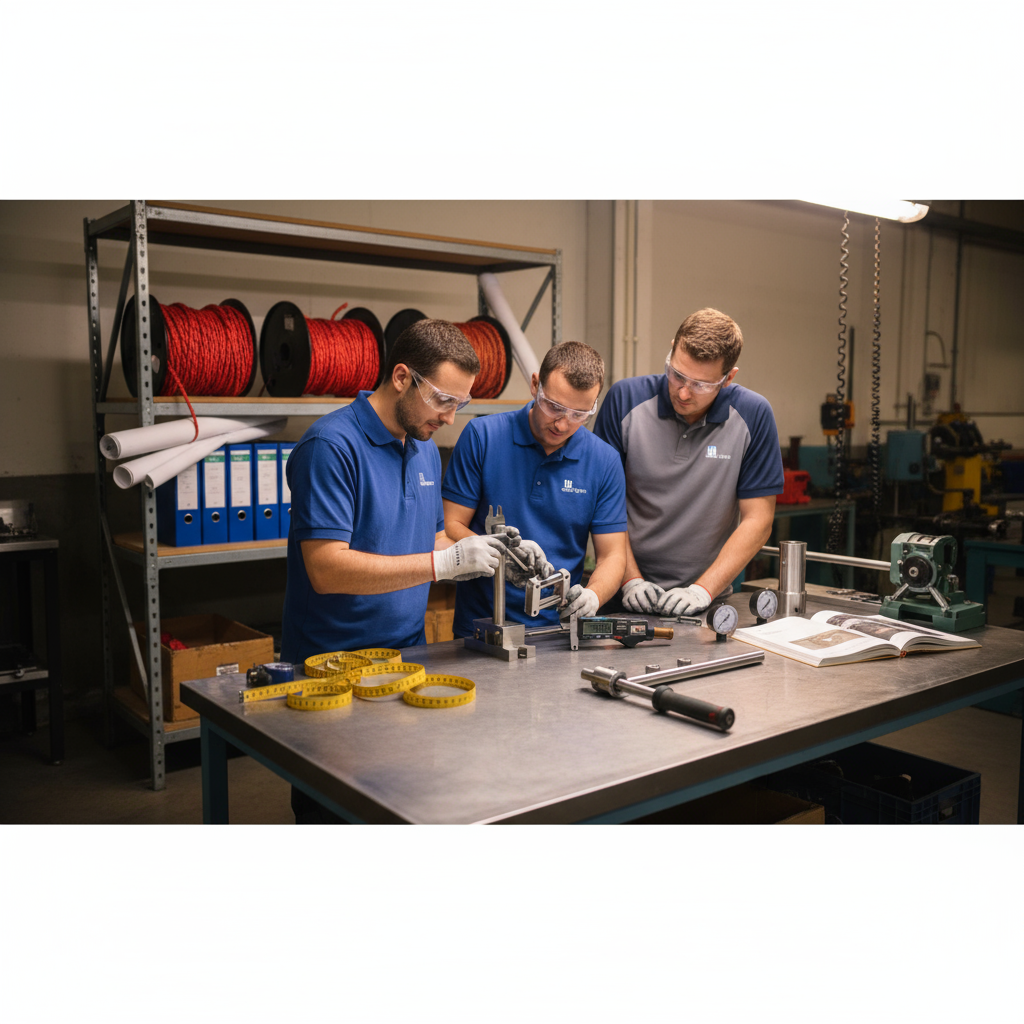
By following these guidelines—selecting the correct material, adhering to the step-by-step installation routine, and performing regular maintenance—customers can expect a durable, reliable termination that meets or exceeds the relevant DIN standards throughout its service life.
Ready for a customised termination solution?
By matching the right wire rope stopper to the load, environment and DIN standards, you secure safety, performance and longevity for any rigging system. Whether you need a robust rope stopper for marine lifts, a versatile rope stopper clamp for adjustable tension, or want to explore UHMWPE soft shackles for lightweight yet high-strength applications in offshore, construction or recreational gear, iRopes can tailor the design, material and packaging to your exact specifications.
For personalised guidance on selecting or custom-manufacturing the perfect termination hardware, simply complete the enquiry form above and our specialists will help you optimise your solution.