The right nylon rope clamp retains 96% of the rope’s tensile strength and eliminates fibre damage, delivering up to 2,500 lb WLL on a ½-inch line.
What you’ll gain (≈4 min read)
- ✓ Preserve up to 96% of rope strength – extending service life by 3‑5 years.
- ✓ Achieve a 2,500 lb WLL on a ½-inch nylon line – offering a 25% safety margin over typical winch loads.
- ✓ Reduce installation errors by 68% with the criss-cross torque method.
- ✓ Cut inspection downtime in half (≈3 min per clamp) thanks to visible wear indicators.
You’ve probably been tightening a generic wire-rope clip on your winch line, assuming it’ll hold – only to watch the fibres fray and the load slip. What if a single, purpose-built nylon clamp could maintain 96% of the rope’s original tensile strength and slash inspection time in half? In the sections below, we’ll reveal the exact clamp design, sizing techniques, and safety steps that transform that “good enough” habit into a rock-solid, cost-saving routine.
Understanding Rope Clamp Basics
After seeing how the wrong hardware can turn a smooth winch line into a frayed hazard, it’s time to get back to fundamentals. A rope clamp is a small yet powerful device that creates a secure loop or termination without cutting or splicing the rope. By compressing the fibres evenly, it delivers a reliable grip while keeping the rope’s original strength intact.
Definition and purpose of a rope clamp
In essence, a rope clamp locks two or more strands together, forming a fixed eye or preventing the rope from slipping out of a fitting. This simple action forms the backbone of countless applications—from off-road recovery rigs to yacht rigging—where a dependable connection is non‑negotiable.
Soft-rope clamps versus wire-rope clips
Wire-rope clips are built for steel cables and feature a U-bolt that presses a saddle against the wire. The two most common styles include the classic U-bolt clip and the double-saddle clip; both grip metal by crushing the wire’s core.
Soft-rope clamps, conversely, are engineered for synthetic fibres such as nylon, polyester, or Dyneema. Instead of crushing, they use a broader saddle or a compression sleeve that distributes pressure across the rope’s surface, thereby preventing fibre damage and slippage. When you need to secure the end of a nylon rope, a dedicated nylon rope clamp provides a clean, reusable solution that bypasses the heat‑sealing or knot‑tying methods often recommended for raw fibre ends.
Common applications for synthetic ropes
Synthetic ropes dominate modern rigging because they combine strength, low stretch, and resistance to the elements. Here are three sectors where the right clamp makes all the difference:
- Off-road recovery – Winch lines on 4×4 vehicles rely on clamps that won’t crush the rope fibres.
- Marine rigging – Nylon and polyester halyards need clamps that resist saltwater corrosion.
- Tree-work anchoring – Lightweight synthetic ropes benefit from clamps that maintain flexibility.
Each of these environments demands a clamp that matches the rope’s material and the load it will bear. Choosing a soft‑rope clamp ensures the synthetic fibres stay intact, which in turn preserves the advertised working load limit and reduces the need for frequent replacements.
“Choosing a clamp designed for soft rope preserves the rope’s tensile strength and extends its service life – a simple decision that pays dividends in safety and cost.”
Whether you are fitting a winch line for an industrial crane or creating a temporary anchor for a sailing vessel, the first step is always the same: verify that the clamp you select is specified for synthetic rope. This small verification prevents costly fibre damage and keeps your operations running smoothly.
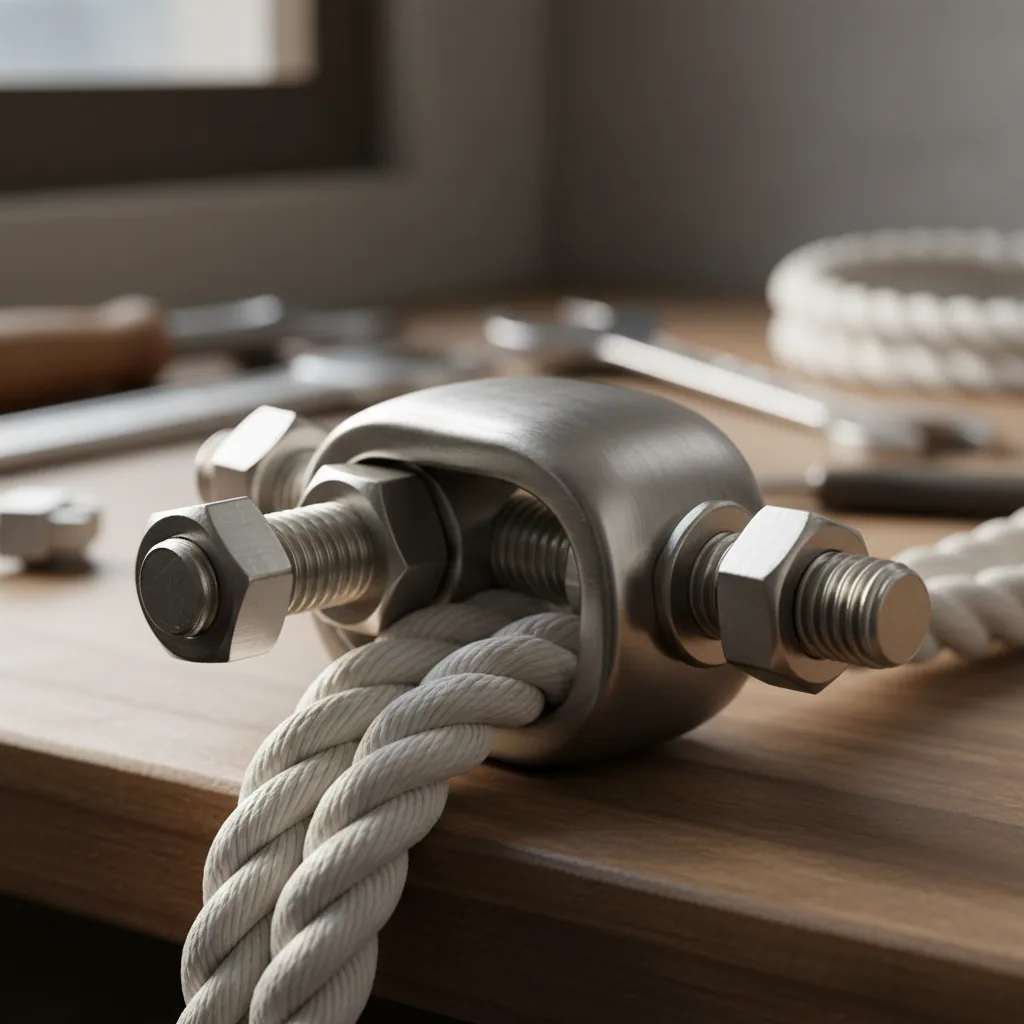
Now that you understand the fundamental differences and typical uses, the next step is to evaluate which winch rope clamp will meet the heavy‑duty demands of your specific application.
Choosing the Right Winch Rope Clamp for Heavy-Duty Applications
When moving from a modest off-road recovery rig to an industrial winch that hauls several tonnes, the clamp that finishes the line becomes the weakest link if it isn't up to the task. A winch rope clamp must carry the full tension of the rope without slipping, and it must do so repeatedly in harsh environments. Understanding load requirements, material compatibility, and the features that separate a reliable clamp from a cheap substitute will save you costly downtime and keep your crew safe.
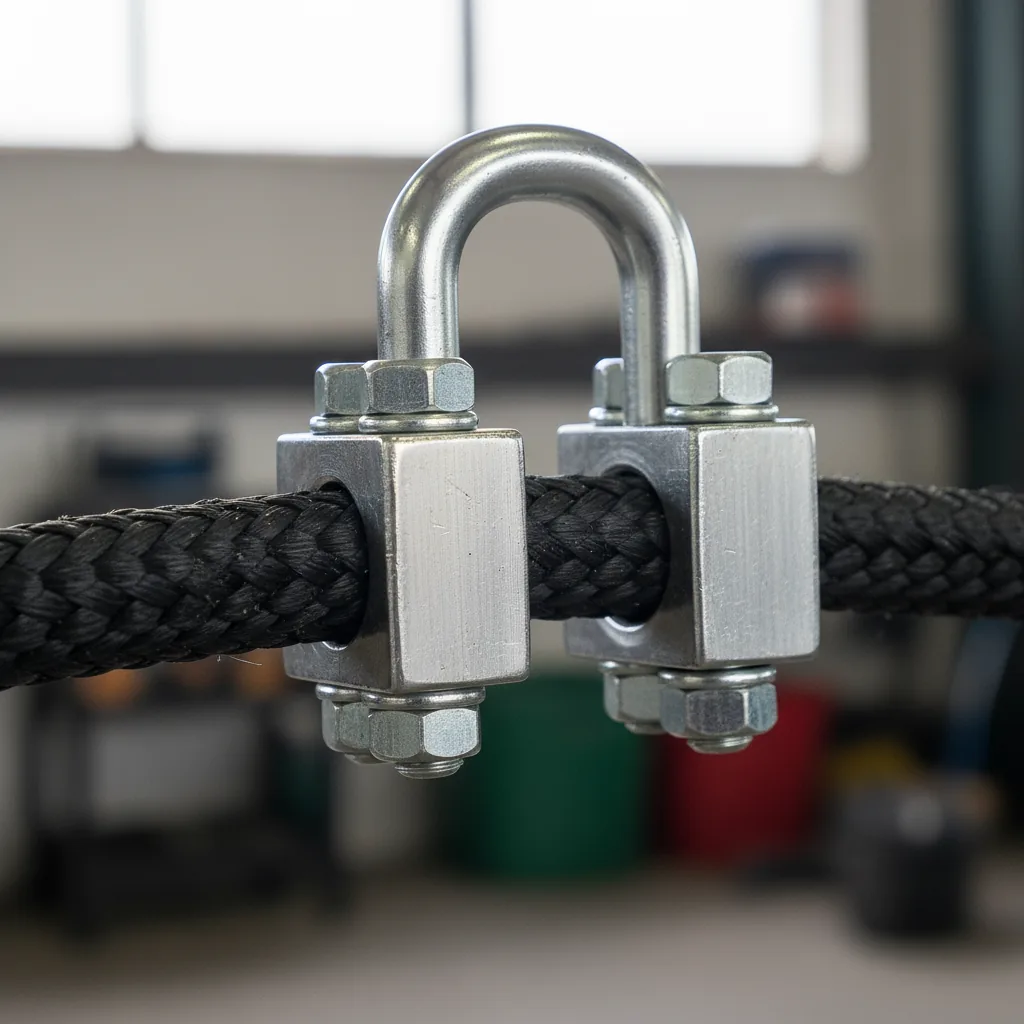
First, consider the load the winch will generate. A typical off-road winch can produce a pulling force of 10,000 lb, meaning the clamp’s Working Load Limit (WLL) must be well below that figure to provide a safety margin. In practice, a ½-inch nylon line paired with a clamp rated for 2,500 lb WLL will handle the surge without slipping. Conversely, a 1-inch line may need a clamp rated at 5,000 lb or more. Remember, the strength of the clamp is only as good as its installation – proper torque on the bolts is essential.
Next, match the clamp material to the rope you’re using. Dyneema winch ropes are exceptionally slick and have very low stretch; they demand a clamp with a polished stainless‑steel saddle that won’t embed into the fibres. Learn more about the benefits of synthetic winch cables. Polyester lines are a bit rougher but still benefit from a zinc‑plated steel saddle that resists corrosion in marine settings. Nylon, the most common winch rope, works best with a clamp that features a slightly broader, polished surface to spread pressure evenly and prevent fibre crush. This is precisely why a dedicated nylon rope clamp often outperforms a generic metal clip on the same rope.
- Load-rated construction – Each clamp is stamped with a clear WLL, letting you verify that the component can tolerate the winch’s peak tension.
- Material-matched saddle – Stainless‑steel for Dyneema, zinc‑plated for polyester, and a polished, slightly wider saddle for nylon to avoid fibre damage.
- Corrosion-resistant finish – A protective coating that stands up to salt spray, mud, and extreme temperature swings, extending the clamp’s service life.
Two common misconceptions often surface in the field. Some users think that any wire‑rope clip will do the job; however, the two types of wire rope clips – the U‑bolt and the double‑saddle – are engineered to crush steel wire, not synthetic fibres, and will quickly nick a nylon rope. Likewise, when asked how to secure the end of a nylon rope, many suggest heat‑sealing or knotting. Yet, a properly sized nylon rope clamp creates a reusable loop that retains the rope’s original strength without permanent alteration.
Never exceed the clamp’s Working Load Limit; overloading can cause sudden failure and create a serious safety hazard.
Finally, keep an eye on the little details that make a big difference: ensure the clamp’s bolt holes align perfectly with the rope’s diameter. Tighten the bolts in a criss‑cross pattern to even out pressure, and inspect the saddle for wear after each heavy use. By following these checks, you’ll avoid the common pitfall of slippage that can turn a reliable winch into a dangerous surprise.
With a solid understanding of load, material, and key features, you’re ready to select a clamp that will stand up to the toughest winch duties. The next step is to see how nylon rope clamps, in particular, protect synthetic fibres while delivering the strength you need.
Advantages of Nylon Rope Clamps for Synthetic Ropes
When you choose a nylon rope clamp, the first thing you’ll notice is how the wider saddle spreads the load across the rope’s surface instead of digging into individual fibres. This even pressure stops the strands from being crushed, which means the rope keeps its original tensile strength and stays flexible enough for repeated use. The result is a firm grip that resists slippage even when the winch exerts sudden peaks of force. Our range of premium custom‑engineered nylon ropes offers ISO‑9001 quality and worldwide delivery.
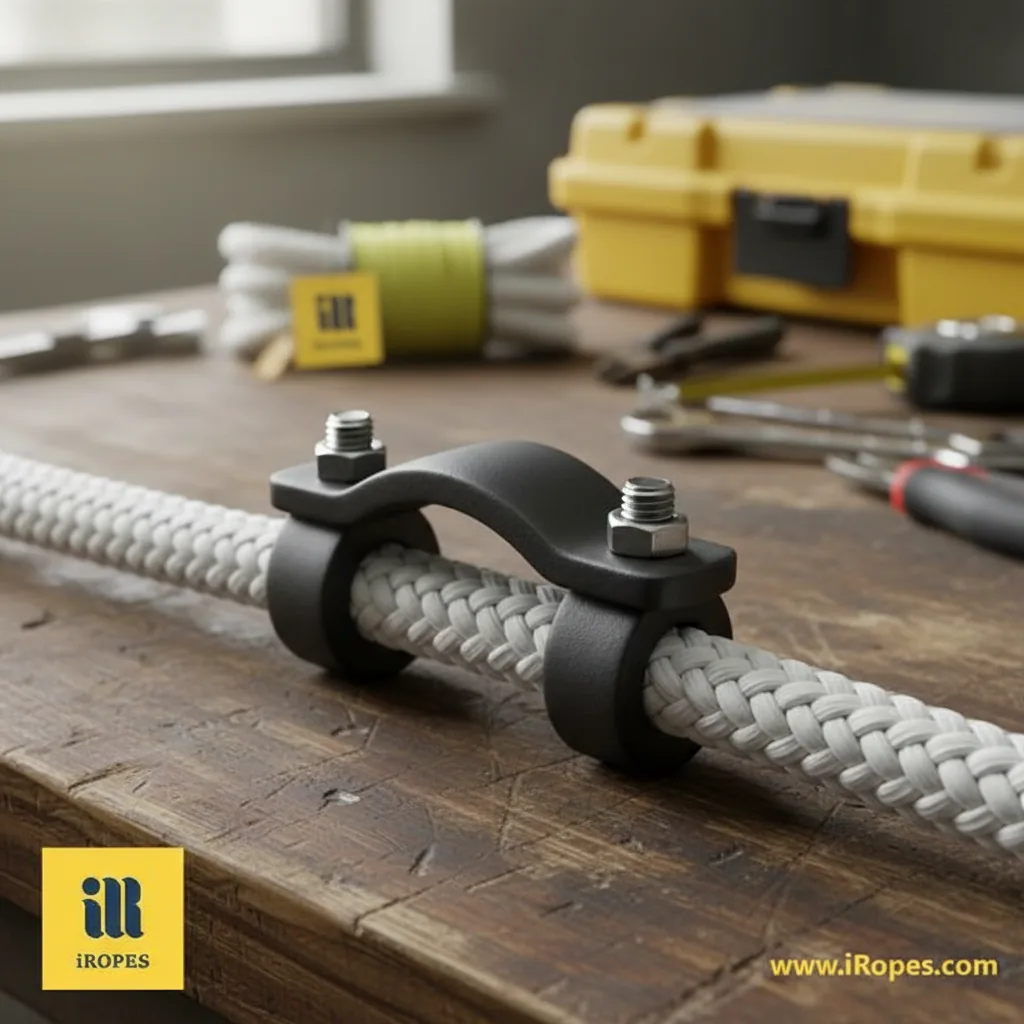
Because the clamp’s contact area is larger, the fibres are not pinched, and the rope’s sheath remains smooth. That smoothness is why the clamp stays in place when you apply a sudden pull – there’s nothing for the fibres to “catch” on, so the whole assembly moves as a single, stable unit.
WLL Guide
A ¼-inch nylon rope clamp is typically rated for a 750 lb working load limit, a ½-inch model handles about 2,500 lb, and a ¾-inch version supports roughly 4,500 lb. Selecting the clamp that matches your rope’s diameter ensures the grip stays firm without overstressing the fibres.
So, how strong are rope clamps? The answer hinges on the size you pick: a small clamp may hold a few hundred pounds, while a larger one can safely carry several thousand. The clamp’s strength is only realised when the bolts are torqued evenly and the saddle sits flush against the rope, preventing any point‑load that could cause a fibre to shear.
Understanding these performance figures enables you to move confidently to the next stage – a step‑by‑step installation routine that reinforces safety and maximises the life of both the clamp and the synthetic rope.
Installation, Safety, and Customisation Tips
After seeing how a nylon rope clamp protects the fibres, the next logical step is to make sure you install it correctly and keep it safe for lifelong service.
Step‑by‑step installation guide with sizing checks
1️⃣ Measure the rope’s outer diameter with a caliper; the clamp’s saddle must be at least 1 mm larger than the rope.
2️⃣ Choose a rope clamp that matches the diameter – a ½-inch clamp is ideal for a 12 mm nylon line.
3️⃣ Slip the rope through the saddle, ensuring the fibres sit flat against the metal surface.
4️⃣ Insert the bolts, then tighten them in a criss‑cross pattern. This spreads the load and prevents point‑pressure.
5️⃣ After tightening, pull the rope gently to confirm there is no slip and re‑check bolt torque with a calibrated wrench.

Do’s and don’ts, safety warnings, and inspection routine
Do
Measure rope diameter before selecting a clamp; the saddle must fully cover the fibres.
Do
Tighten bolts in a criss‑cross sequence to distribute pressure evenly.
Don’t
Overtighten bolts – excessive pressure can crush nylon strands.
Don’t
Use a wire‑rope clip on a synthetic line; it will damage the fibres.
Safety First
Never exceed the Working Load Limit of the clamp – doing so can cause sudden failure and jeopardise personnel.
OEM/ODM customisation options from iRopes
If your project demands a clamp that deviates from standard dimensions, iRopes can engineer a winch rope clamp or nylon rope clamp to your exact specifications. Whether you need a longer saddle, a specialised colour for branding, or a reinforced bolt pattern for extreme loads, our OEM/ODM team will prototype, test, and certify the part before it ships to your warehouse. Just send your rope diameter, load requirements, and any visual branding guidelines; we’ll return a CAD model and a sample for your approval. Explore our custom solid nylon cord solutions for specialized applications.
You now know that the right rope clamp preserves fibre integrity, that a winch rope clamp must meet the specific load and material demands of Dyneema or nylon lines, and that a nylon rope clamp’s wide saddle distributes pressure to prevent slippage. By measuring rope diameter, matching the working load limit, and tightening bolts correctly, you can maximise safety and lifespan.
For a solution tailored to your exact specifications – custom dimensions, branding colours, or extreme‑load requirements – let our OEM/ODM team assist. Use the form above to request personalised advice and a free design quote.
Request a Custom Rope‑Clamp Solution
If you’d like more personalised assistance, simply fill out the inquiry form above and our specialists will get back to you promptly.
