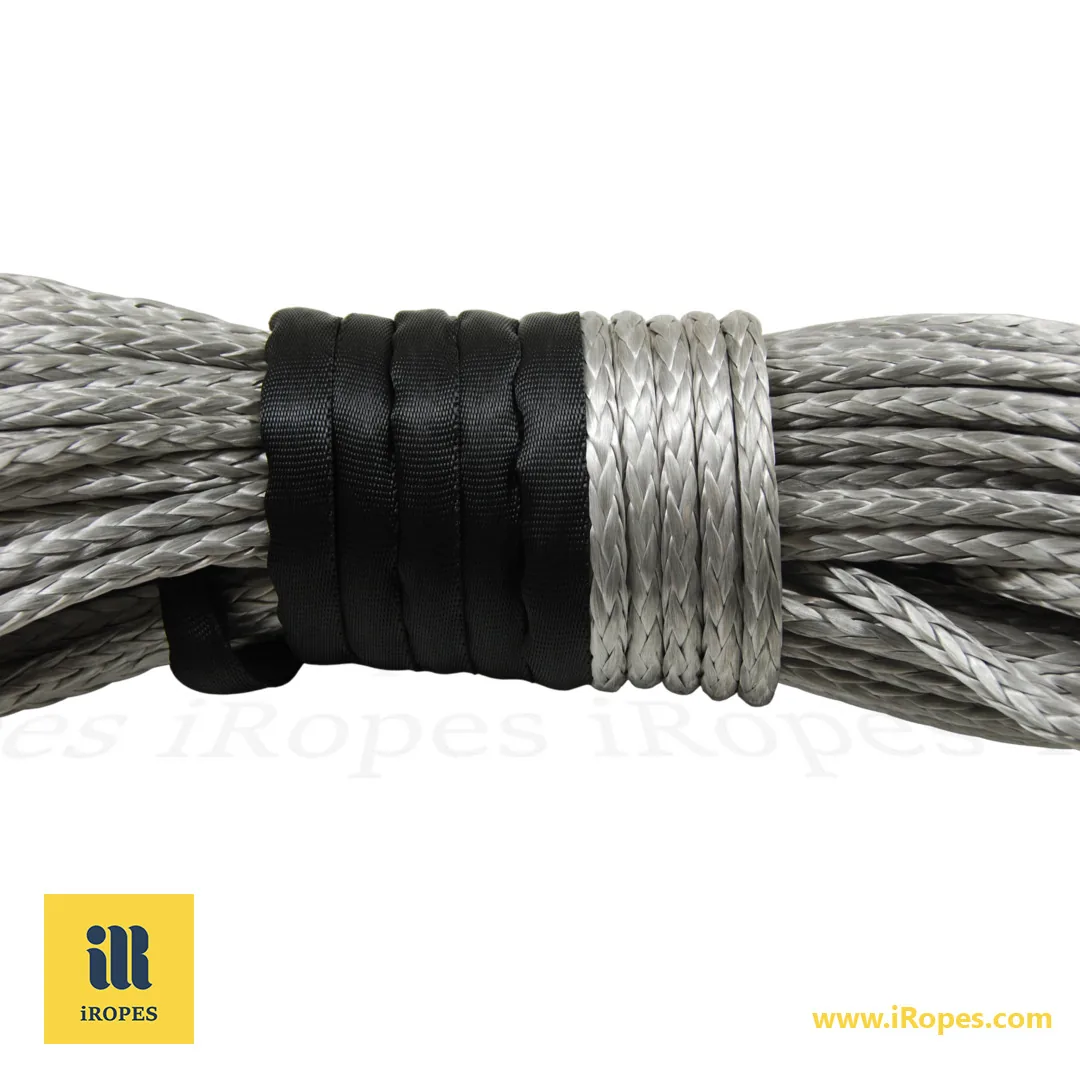
iRopes' synthetic pulling ropes are engineered for precision and durability, enabling more efficient and safer cable installations across various industries. Discover how our custom solutions elevate your project capabilities.
Key takeaways –≈2‑minute read
- ✓ Learn how selecting the right **wire pulling ropes** can significantly reduce installation times and boost on-site safety.
- ✓ Understand the critical material properties (Polyester, Polypropylene, UHMWPE) that define rope performance and longevity.
- ✓ Discover how a **wire rope pulling winch** integrates with advanced synthetic ropes for superior pulling power and control.
- ✓ Explore iRopes' OEM/ODM capabilities, providing customised **rope for pulling wire** solutions that safeguard your intellectual property and offer competitive pricing.
Are you struggling with inefficient cable installations, or are your current ropes failing to meet the demands of challenging projects? Many contractors find themselves using unsuitable ropes for routine conduit pulls, leading to costly delays and safety risks. What if a switch to specifically engineered synthetic pulling ropes could cut installation cycles by up to 30%, while significantly enhancing safety compliance? The following sections will detail the critical specifications that make all the difference, reveal overlooked applications, and explain how iRopes can customise a solution perfectly suited to your project’s precise load and environmental conditions.
Wire Pulling Ropes: The Backbone of Cable Installation
In modern infrastructure projects, reliable equipment forms the backbone of any successful cable installation. Within this context, the **wire pulling ropes** themselves are the true workhorses. These specialised ropes are meticulously engineered to grip, guide, and move conductors through tight ducts without excessive friction, making the crucial difference between a smooth operation and a stalled job.
For practical applications, a **rope for pulling wire** must possess high tensile strength combined with sufficient flexibility to navigate bends seamlessly. Its core function involves transferring the pull force from a winch or manual device to the cable. Simultaneously, it must resist abrasion from conduit walls and maintain torque-free performance. When the rope performs optimally, electricians and telecom crews can concentrate on precise cable positioning, rather than struggling with the line itself.
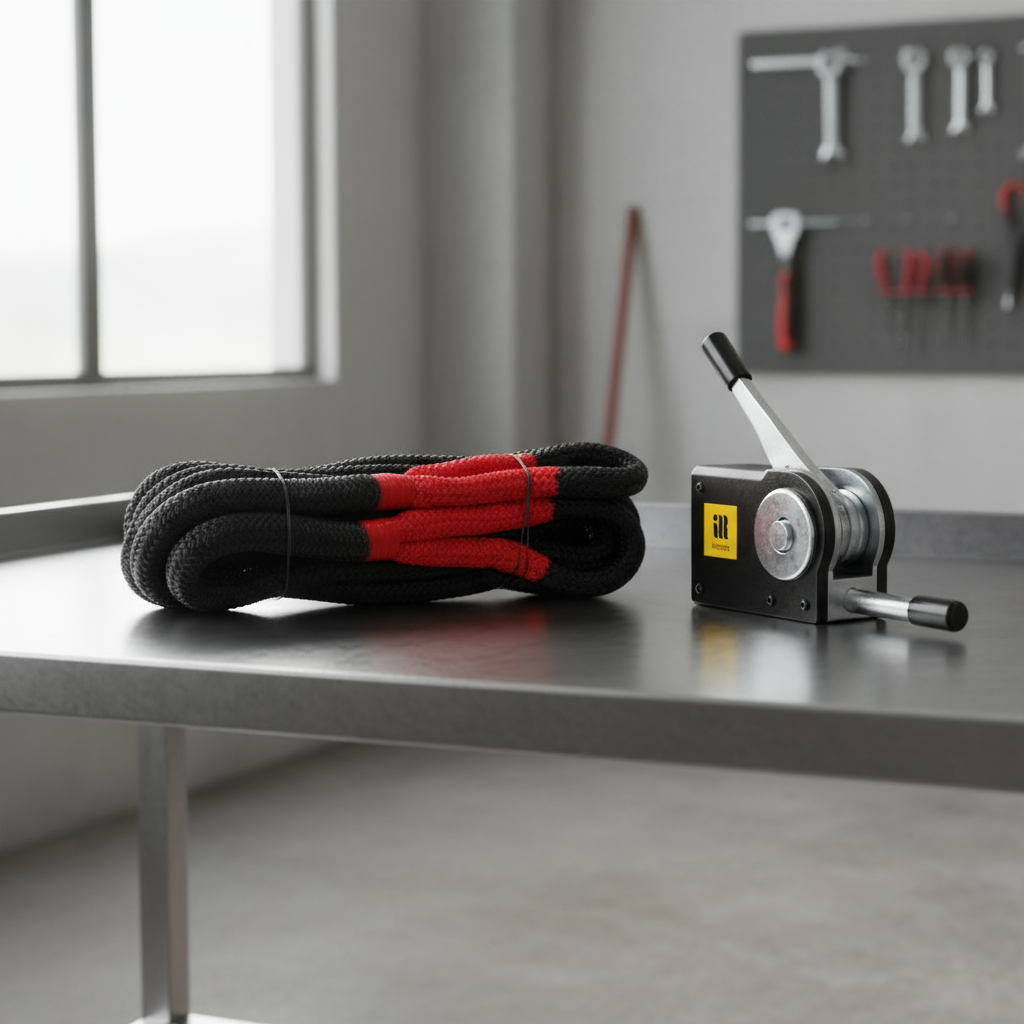
The material chosen for a rope significantly influences its behaviour under load and in demanding environments. Here's a quick overview of the three most common fibres for industrial pulling tasks:
- Polyester: Offers exceptional abrasion resistance and consistent low stretch, making it ideal for long conduit runs in electrical and telecommunication installations.
- Polypropylene: A lighter and more buoyant option, often chosen for shorter pulls where cost-effectiveness and dry conditions are primary considerations.
- UHMWPE (Ultra-High Molecular Weight Polyethylene): Provides the highest strength-to-weight ratio, perfect for extreme-force applications like deep-well pulls or ultra-heavy cable handling.
Polyester generally serves as the industry workhorse for most electrical and telecom installations because it maintains its grip and performance even when slightly dirty. Polypropylene, while more budget-friendly, can absorb moisture, which may compromise its dielectric properties; therefore, it is best suited for indoor or dry-site jobs. UHMWPE, often known by brand names indicating its superior performance, excels when projects demand the lightest rope with the greatest breaking strength—for instance, when pulling multiple heavy-gauge conductors through a 2-inch duct over hundreds of metres.
Next, carefully determine the optimal diameter and length. A crucial guideline is to select a rope with a breaking strength at least four times the maximum anticipated load. This 4:1 safety factor meets industry standards and keeps the pull within a safe working load limit (SWLL). For example, to pull three 3/0 copper conductors through a 2-inch conduit, a 7/16-inch polyester rope, typically offering an 18,000 lb breaking strength, provides ample safety margin while fitting comfortably around a standard capstan winch drum.
Choosing the right rope can significantly shorten pull times and enhance crew safety, as the correct material and size effectively prevent unnecessary friction and unexpected rope failure.
Once you've clarified the ideal material, diameter, and length, the next logical step involves pairing your chosen rope with a compatible winch system. The winch’s drum size, gear ratio, and built-in safety features must align perfectly with the rope’s construction to prevent premature wear. This vital synergy between rope and winch is a topic we'll explore in detail in the next section.
Wire Rope Pulling Winch: Enhancing Pulling Power
Building on the critical discussion of rope selection, the next crucial step involves proficiently matching those **wire pulling ropes** with a winch capable of navigating them through even the most demanding conduits. Whether you're tightening a new telecom line or rerouting vital power conductors, the specific **wire rope pulling winch** you choose directly impacts the speed, safety, and overall smoothness of your project.
Winch systems for wire pulling primarily fall into three main categories. Manual units, which rely on a crank handle, are ideal when electrical power is scarce or for shorter pull distances where precise control is paramount. Electric models provide motorised torque, enabling a single operator to manage long runs or heavy loads without fatigue. Capstan winches, uniquely, combine a rotating drum with a friction‑enhanced grip, offering exceptional fine control for intricate bends while still delivering the high pulling capacity essential on industrial sites.

Compatibility extends beyond merely fitting a rope onto a drum; the construction of the rope and the winch’s drive system must be harmonised. For instance, double-braided ropes perform optimally with winches that use a smooth-groove drum, which prevents crushing the outer sheath. If the winch features a spiked or toothed drum, a core-type rope with a protective inner sleeve can effectively prevent premature abrasion and extend the rope's lifespan.
A direct comparison between synthetic rope and traditional steel cable for winching applications reveals significant differences. Synthetic rope is considerably lighter, allowing the winch motor to achieve higher speeds with less power consumption. Crucially, if a synthetic line snaps, it recoils harmlessly, dramatically reducing the risk of injury, unlike the dangerous whip of a steel strand. Conversely, steel cable excels in environments with extreme abrasion or where very high static loads are expected, tolerating rough handling better than most fibres. However, for the majority of wire-pulling projects—especially in confined ducts where flexibility and personnel safety are paramount—a synthetic rope paired with an appropriately rated winch provides superior overall performance.
- Pulling Capacity: Choose a winch with a rated capacity at least 1.5 times the rope’s safe working load limit to ensure optimal performance and safety margins.
- Gear Ratio: Higher gear ratios deliver slower but more powerful pulls, which are essential for long, high‑friction runs where consistent torque is critical.
- Safety Features: Always look for winches equipped with built-in overload protection, an automatic brake hold for secure operation, and a detachable clutch for emergency release.
By carefully aligning the winch’s pulling capacity, gear ratio, and comprehensive safety mechanisms with the rope’s diameter, material, and core type, you create an integrated system that maximises efficiency, minimises downtime, and prolongs equipment life. Our next section will delve into the essential safety standards and dielectric considerations that protect both the crew and equipment during every critical pull.
Rope for Pulling Wire: Safety Standards and Maintenance
With the right winch thoughtfully paired with a compatible **rope for pulling wire**, the next crucial step is to ensure that this system adheres to stringent safety standards and maintains reliability throughout the entire project. Integrating these key considerations into your workflow is vital for every contractor.
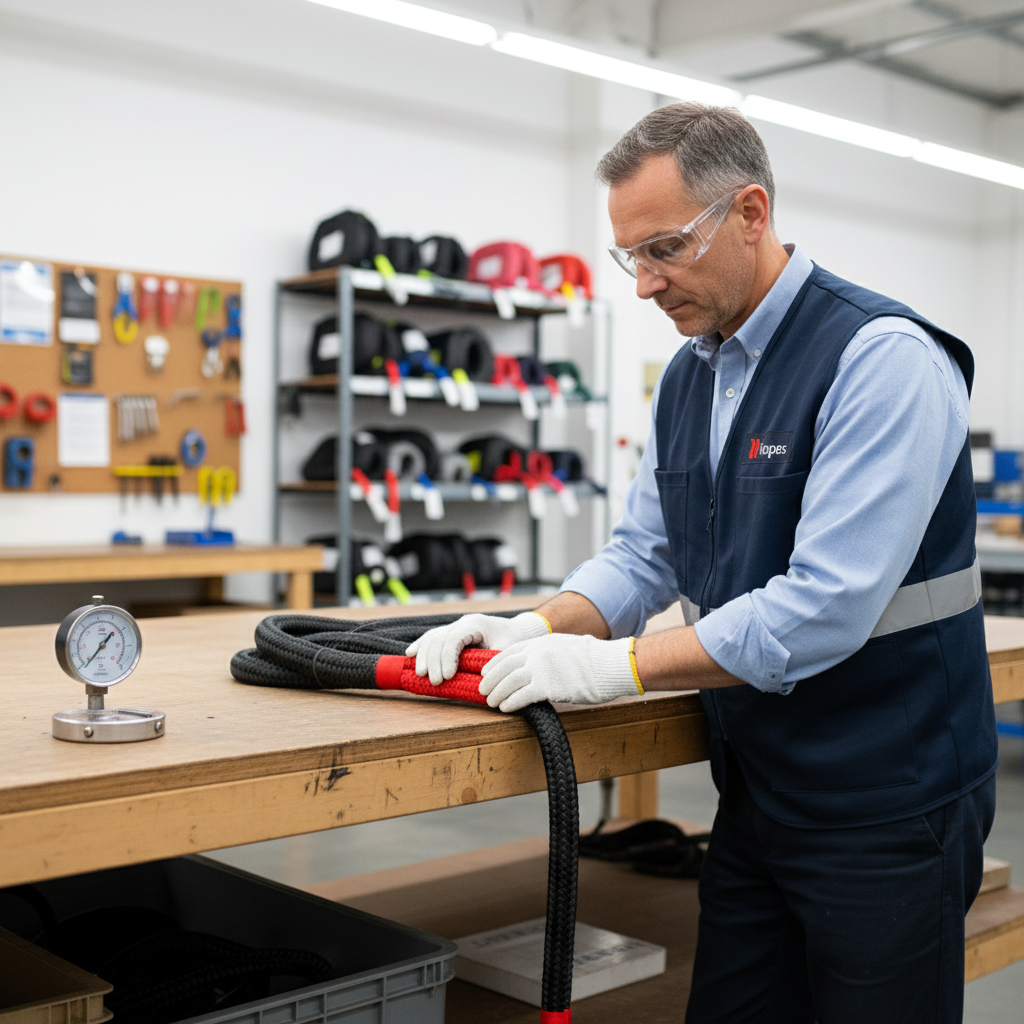
Safety Standards: Applying the 4:1 Safety Factor and Calculating SWLL
Industry guidelines explicitly mandate that the rope's breaking strength must be at least four times greater than the maximum expected pull. To determine the safe working load limit (SWLL), simply divide the rope’s rated breaking strength by four. For instance, a 10,000 lb polyester rope yields an SWLL of 2,500 lb. Critically, selecting a rope whose SWLL exceeds the winch’s rated pull ensures the entire system operates safely within its designated parameters, preventing hazardous overloads.
Dielectric Properties and Precautions for Wet or Dirty Ropes
When new and dry, synthetic ropes serve as excellent electrical insulators. However, exposure to moisture, oil, or abrasive dust can significantly diminish their dielectric resistance. If a rope becomes wet during an underground pull, it is imperative to allow it to dry thoroughly or replace it before resuming work. Failing to do so risks inadvertent electrical conduction, which could endanger personnel or damage live conductors. This is why a double-braided polyester rope is often considered the best rope for pulling cables due to its consistent performance.
Never exceed the calculated safe working load limit; overloading can lead to sudden rope failure and severe electrical hazards.
Maintenance and Inspection Best Practices to Extend Rope Life
A rigorous inspection routine is key to significantly extending a rope’s service life. Always look for visible signs of damage such as frayed strands, crushed sections, or chemical staining. Store the rope on a clean, dry rack, away from direct sunlight, and coil it loosely to prevent internal pressure points. Before each use, conduct a thorough visual check and a quick flex test to confirm its flexibility and integrity.
Ultimately, the most effective **rope for pulling wire** is typically a double-braided polyester line. Its combination of low stretch, high abrasion resistance, and reliable dielectric performance establishes it as the preferred choice for the vast majority of electrical and telecom projects.
Maintenance Checklist
• Conduct a visual inspection for cuts, abrasions, or crushed fibres.
• Clean off any dust, dirt, or oil with a soft brush and mild soap.
• Verify that the diameter remains uniform along the entire length.
• Store the rope in a dry, shaded area, ideally on a ventilated rack.
• Accurately record each use and any noted wear or damage for future reference.
With careful safety calculations, heightened dielectric awareness, and a robust maintenance plan in place, your **rope for pulling wire** transforms into a reliable and long‑lasting partner. This preparation paves the way for our next section, which explores how iRopes meticulously tailors solutions for a diverse range of field applications.
Custom Solutions & Application Scenarios
Now that the fundamental principles of rope selection and winch compatibility are clear, let’s delve into how these crucial choices are implemented in real‑world projects. From a complex telecom trench in a busy city centre to a heavy‑duty industrial conduit run, the precise combination of **wire pulling ropes** and innovative accessories can transform a potentially daunting pull into a routine, efficient task.

Here are four typical scenarios where iRopes’ comprehensive OEM/ODM capabilities deliver a tangible difference:
Electrical Projects
We provide colour-coded polyester ropes with UV-stable dyes, designed to withstand outdoor conduit runs while clearly signalling voltage class to technicians, enhancing safety and organisation.
Telecom Installations
Our low-stretch, double-braided ropes, optimally paired with capstan winches, significantly reduce pull times for delicate fibre-optic bundles within intricate and tight ducts.
Industrial Applications
Heavy-duty UHMWPE ropes with reinforced cores are engineered to handle multi-ton pulls efficiently, crucial for precision machinery installations on busy plant floors.
Steel‑Rope Equivalents
When the unparalleled strength of steel cable is required, we offer hybrid lines combining a synthetic sheath with a steel core for exceptional abrasion resistance and enhanced durability.
Every single application greatly benefits from iRopes’ extensive suite of customisation options. These options range from specific material choices and ideal diameters to custom colours, precise logo placement, and even tailored packaging styles, ensuring your brand identity is maintained from factory to job site.
OEM / ODM Flexibility
Build a rope that truly fits your brand and project needs
Material Selection
Choose from high-performance polyester, polypropylene, or UHMWPE to precisely match required strength, stretch characteristics, and critical dielectric needs.
Colour & Branding Options
Benefit from custom dyes, prominently printed logos, or strategic colour‑coded stripes that significantly improve site safety and enhance your brand's visibility.
Customised Packaging
Select from bulk drums, conveniently colour‑coded bags, or branded cartons for streamlined warehousing and seamless logistical operations.
Quality & Logistics Management
Ensuring reliability you can consistently count on
ISO 9001 Certification
Our stringent ISO‑certified processes unequivocally guarantee superior dimensional accuracy and consistent tensile‑strength performance across all products.
Intellectual Property Protection
We ensure all your custom designs and innovations are fully protected from initial concept development right through to final delivery, safeguarding your intellectual property.
Efficient Global Shipping
We provide direct pallet delivery services to your specified ports or warehouses worldwide, effectively keeping lead times short and ensuring predictable costs for your global operations.
Whether your project requires a short‑run, cost‑effective polypropylene line for an internal retrofit or a high‑strength UHMWPE rope for an extensive 600‑foot underground pull, our expert engineers are ready. They will meticulously draft a detailed specification sheet, conduct rigorous tensile‑test simulations, and confirm full compliance with the 4:1 safety factor before any fibre leaves our factory, guaranteeing peak performance and safety.
Are you ready to discover how a bespoke **rope for pulling wire** can dramatically streamline your next project? We invite you to reach out for a free quotation. Let our experienced OEM/ODM team design a custom solution that perfectly aligns with your precise load requirements, preferred colours, and distinct branding needs.
Need a tailored rope‑pulling solution?
For personalised assistance and expert guidance, simply complete the form above, and our dedicated engineers will design a robust solution precisely tailored to your unique requirements.
From critical telecom ducts to demanding heavy‑duty industrial conduits, you now possess a comprehensive understanding of how material choice, diameter specifications, the essential 4:1 safety factor, and optimal winch compatibility are key drivers of project success. At iRopes, we specialise in providing high‑quality ropes designed to excel in various challenging scenarios, including construction, mining, lifting, and marine applications, significantly broadening the range of demanding sites we can support.
If you require expert guidance on selecting the ideal **wire pulling ropes**, need assistance matching them with an appropriate **wire rope pulling winch**, or wish to create a custom **rope for pulling wire** that perfectly meets your branding and performance specifications, simply use the contact form above. Our dedicated iRopes engineers are poised and ready to craft a bespoke solution precisely for your operations.
While synthetic ropes dominate many modern pulls, many contractors still rely on traditional steel wire ropes for heavy‑duty pulls and harsh environments. To understand when steel is the preferred choice, explore our braided wire rope vs. steel comparison and the detailed analysis in steel cable versus fiber rope. For a deeper look at the benefits of synthetic alternatives that can actually outperform steel, see rope stronger than steel synthetic winch cable benefits.