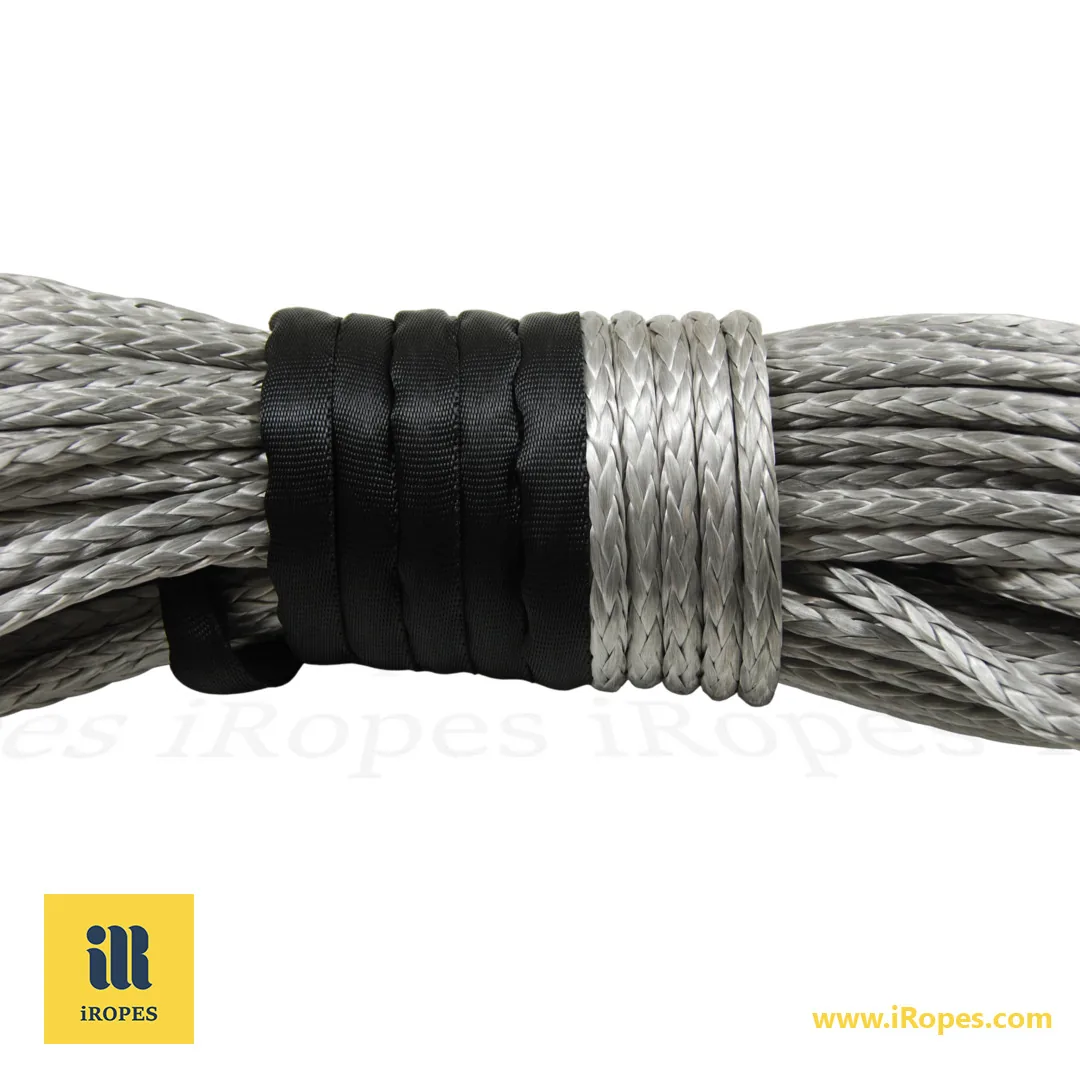
Synthetic winch rope delivers up to 15 × the specific strength of steel by weight while weighing only about 30 % as much. If you need a rope stronger than steel with far less mass, modern HMPE is the benchmark.
What you’ll gain – ~4‑minute read
- ✓ Reduce vehicle load by ~1.4 lb/ft, improving fuel efficiency.
- ✓ Lower recoil risk thanks to far less mass and stored energy.
- ✓ Extend service life in demanding conditions with proper care.
- ✓ Cut maintenance downtime, keeping you on the trail longer.
Most off‑road crews still reach for heavy steel cables, assuming they’re the only way to haul big loads. Yet the same winch can pull as hard, run lighter, and recoil less violently when you swap to a Dyneema‑based synthetic line – a shift that can shave dozens of kilograms off your vehicle and give you more time to react. In the sections below, we unpack the numbers, safety advantages, and a step‑by‑step replacement guide to turn this edge into everyday practice.
rope stronger than steel
After exploring why off‑road professionals are hunting for lighter winch solutions, it’s time to dig into the science that lets a rope out‑perform a steel cable. The key lies in the fibres that make up modern synthetic lines.
Quick fact: Yes – synthetic winch rope can be stronger than steel cable by weight, with HMPE delivering up to 15 × the specific strength at a fraction of the mass.
According to Dyneema technical specifications, HMPE fibres achieve tensile strengths in the 3–3.5 GPa range and, on a strength‑to‑weight basis, can reach ≈ 15 × steel. The rope also weighs only about one‑third of an equivalent steel cable, translating into safer, more manoeuvrable winching on any terrain.
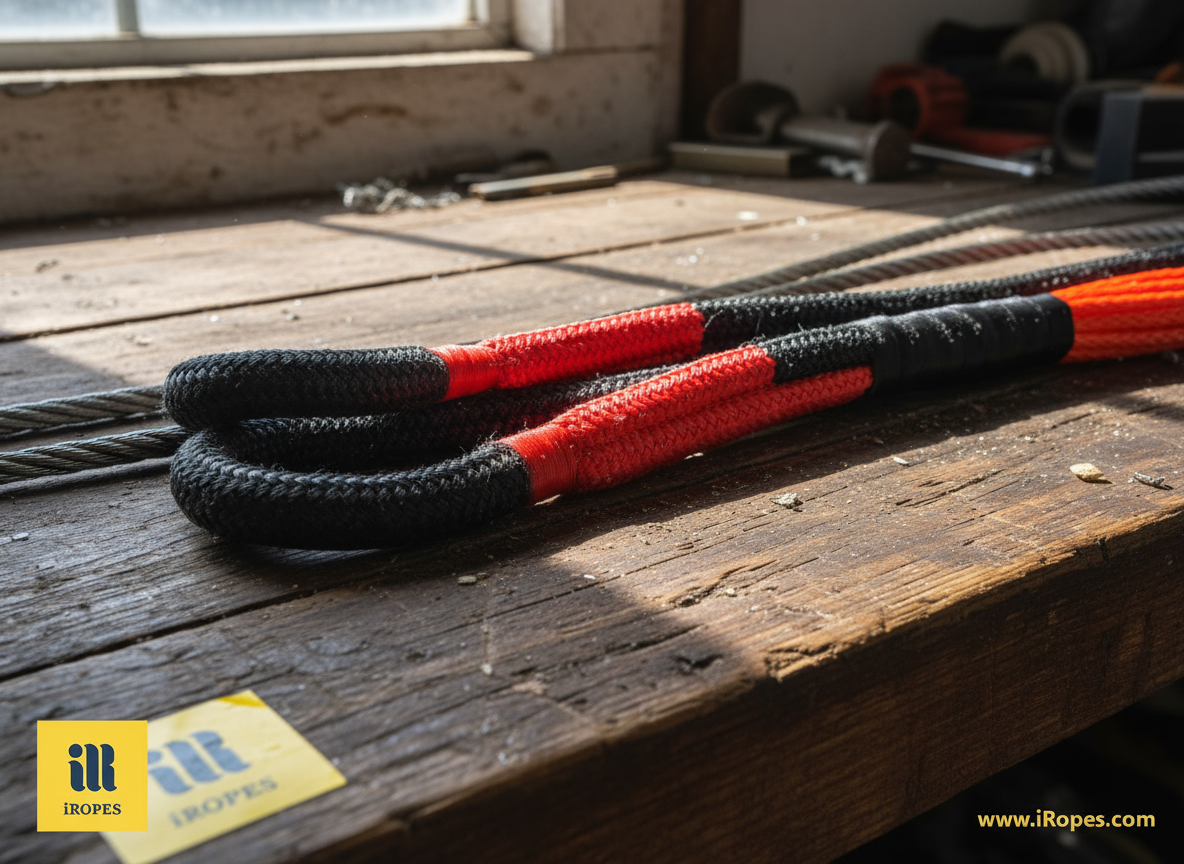
HMPE (high‑modulus polyethylene), marketed under names like Dyneema or Spectra, consists of ultra‑long polymer chains aligned during drawing. When these fibres are braided into a tight bundle, they share load efficiently and resist permanent stretch. In practice, a comparable‑diameter HMPE winch rope provides a higher minimum breaking load than steel wire rope at a fraction of the weight, while remaining flexible enough to spool cleanly.
Weight
A typical 1/4‑inch steel cable weighs about 2 lb/ft, adding significant load to the vehicle.
Stored Energy
The heavier steel stores more kinetic energy during a pull, which can amplify the force released if the line fails.
Weight
HMPE rope of the same diameter weighs roughly 0.6 lb/ft – about one‑third of steel – easing vehicle strain and fuel consumption.
Safety
Lower mass means less energy on failure, giving the operator more reaction time and reducing the risk of dangerous recoil.
Understanding that synthetic rope can truly be rope stronger than steel clears the path to the next comparison: how nylon stacks up against traditional jute. That insight helps with material choices across off‑road, marine, camping, and industrial tasks.
nylon ropes are stronger than jute rope
When the conversation shifts from ultra‑light HMPE to more familiar fibres, the numbers speak clearly. Tensile‑strength tests consistently show that nylon ropes are stronger than jute rope, making nylon the better option for higher‑load general‑purpose use where some stretch is acceptable.

Below is a concise side‑by‑side snapshot of the key performance metrics that matter to wholesale buyers and field engineers.
- Tensile strength – Nylon averages ~70 MPa, while jute is around 30 MPa, giving nylon more than double the load capacity.
- Moisture & UV – Nylon absorbs moisture but resists rot and retains useful strength; jute absorbs more water, can swell, and degrades faster under sunlight.
- Typical applications – Nylon is favoured for marine mooring lines, anchor rodes, and dynamic recovery straps. HMPE is preferred for off‑road winch lines. Jute suits decorative, packaging, or light‑duty tasks.
The data directly answer the common query, “Is nylon rope stronger than jute rope?” Yes – with a tensile‑strength advantage of roughly 40 MPa, nylon bears higher loads and outlasts jute in wet or sun‑exposed environments.
Quick Answer
Nylon rope is stronger than jute rope (≈ 70 MPa vs ≈ 30 MPa). Choose nylon for higher‑load general use where stretch is acceptable, and select HMPE for winch applications that demand maximum strength‑to‑weight performance.
Understanding these material differences leads to the next practical step: replacing an old steel cable with a synthetic winch line that combines strength, weight savings, and safety.
replacing steel winch cable with synthetic
Having seen how nylon outperforms jute for general use, the logical next move for many off‑road professionals is replacing steel winch cable with synthetic HMPE. The transition not only trims weight but also introduces safety benefits that steel cannot match.

Before you start, double‑check three compatibility points: the fairlead opening must suit the new rope’s diameter, the brake drum should dissipate heat adequately for synthetic use, and the winch’s tension setting must align with the rope’s rated breaking load.
- Secure the vehicle, disengage the winch clutch, and remove all tension from the steel cable.
- Detach the steel line, inspect the fairlead for grooves or burrs, then clean the drum surface.
- Thread the synthetic rope, attach the appropriate thimble, pre‑tension to the manufacturer’s recommendation, and perform a light‑load test.
While synthetic winch rope brings many advantages, it does have a few drawbacks that savvy operators should anticipate.
Disadvantages include UV‑induced strength loss, abrasion from sharp edges, and higher heat near the brake drum. Mitigate these issues by choosing a UV‑coated sheath, adding abrasion‑resistant sleeves, and avoiding contact with hot components. Uncoated HMPE can lose ~5 % strength per year in full sun; UV‑coated versions typically lose < 1 % (ASTM D2256 accelerated ageing).
From a financial perspective, the upfront price of a synthetic line is higher than steel, but its lifespan often doubles or better. Typical 2024 pricing is about US$1.20/ft for steel versus US$4.80/ft for HMPE. Service life commonly averages ~5 years for steel and ~12 years for synthetic in comparable use, reducing downtime and total cost of ownership.
With the checklist and compatibility notes in hand, the upgrade becomes a straightforward project that pays off in safety, performance, and long‑term cost efficiency.
Looking for a custom synthetic winch solution?
After seeing how a synthetic line can be rope stronger than steel, and why nylon ropes are stronger than jute rope, you’ll appreciate the practical benefits of replacing steel winch cable with synthetic – lighter weight, higher safety, and longer service life.
iRopes designs and manufactures OEM/ODM synthetic ropes in ISO 9001‑certified facilities, with custom diameters, colours, coatings, terminations, and branding. We protect your IP end‑to‑end, offer non‑branded or customer‑branded packaging, and ship pallets directly worldwide. Use the form above for personalised advice from our rope specialists on materials, accessories, and compliance for off‑road, yachting, camping, industry, defence, and more.