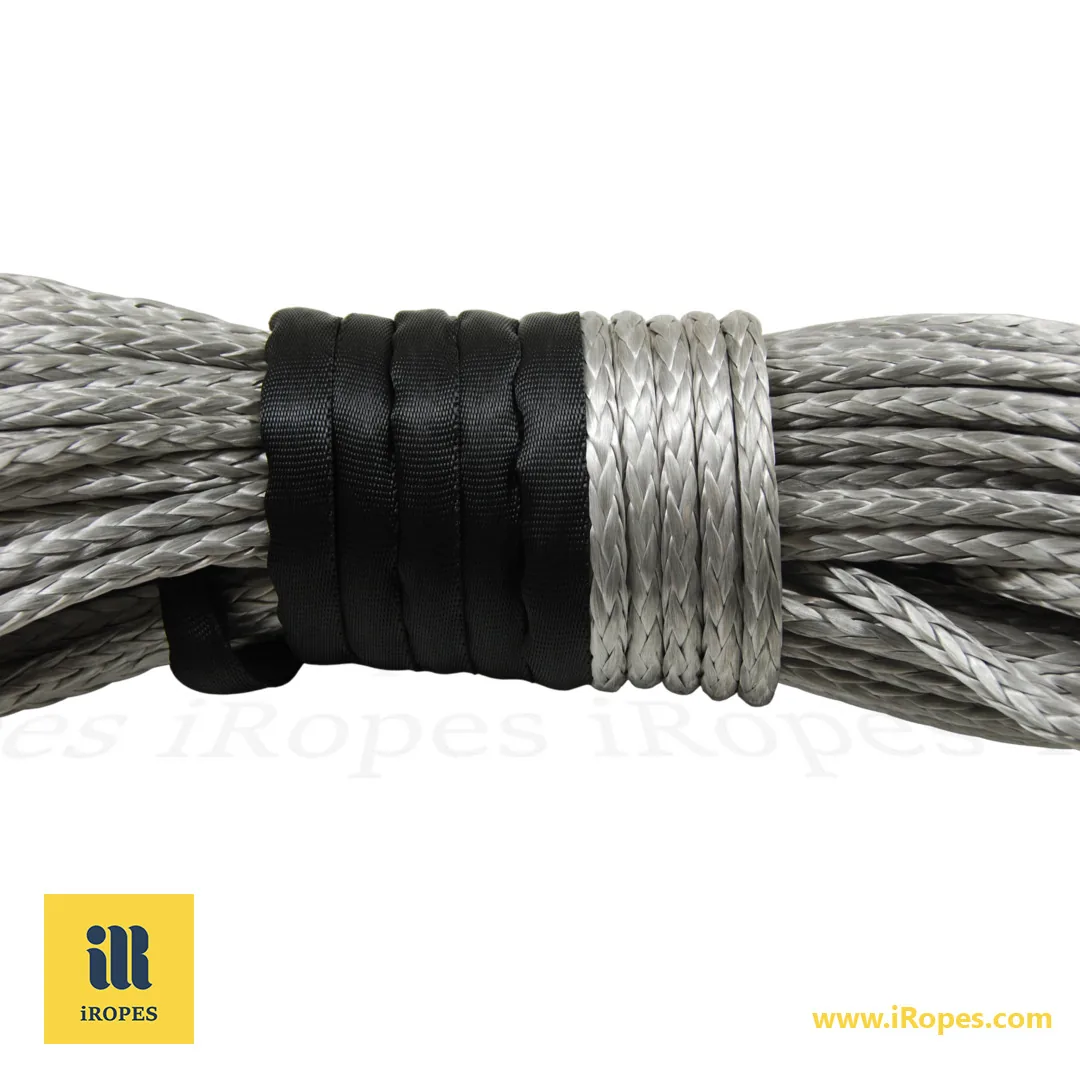
12‑strand UHMWPE rope can cost as low as $0.43 / ft in bulk – an 8–9 % drop from typical retail pricing.
≈ 4‑minute read – What you’ll unlock
- ✓ Cut per‑foot cost by up to 9 % through optimal diameter and bulk‑length choices.
- ✓ Boost load efficiency – far higher strength‑to‑weight than steel (often ~15×).
- ✓ Extend service life – typically 5–7 years in marine use; 20–30 % total cost savings over 3 years.
- ✓ Streamline ordering – ISO 9001‑backed, IP‑protected OEM/ODM with typical 2–4‑week lead times.
You probably assume the lowest‑priced rope wins the bottom line, yet many off‑road and mining projects bleed money on hidden weight, wear and fuel penalties. What if a 12‑strand UHMWPE line priced from about $0.46 / ft retail (or $0.43 / ft in bulk) could cut your operating costs by roughly 20 % over three years? The next sections reveal the calculations, custom‑spec tips and ROI proof that flip that assumption.
iRopes is a professional manufacturer of 12‑strand UHMWPE rope, widely used across OFF‑ROAD, INDUSTRY, MINING, KITE and SAILING. We support OEM/ODM projects end‑to‑end for wholesale buyers needing tailored performance and branding.
uhmwpe cost: Factors Influencing Price
Now that you’ve seen how a 12‑strand UHMWPE rope lifts, handles and floats, the next question is—what makes the price tick? Understanding the cost drivers lets you match budget to performance without surprises.

The base of uhmwpe cost lies in three intertwined elements. Each one shifts the final price per foot, especially when you move from a prototype to a bulk order.
- Material and production – UHMWPE resin and precision braiding drive the core expense.
- Price per foot vs bulk – $0.46–$0.47 / ft retail, dropping to ~$0.43 / ft for rolls ≥ 600 ft.
- Diameter, length and custom options – larger diameters, reflective strands and UV‑stabilised finishes add marginal cost per foot.
When you ask “How much does 12‑strand UHMWPE rope cost per foot?” the answer hinges on volume and diameter. A 1‑ft sample can be about $1.54 (useful for testing). Some suppliers list small‑diameter 12‑strand rolls around $65 for 200 m (≈ 656 ft), while bulk‑tier rates for mainstream sizes run as low as $0.43 / ft.
Diameter plays a major role: price generally rises with size because more polymer and tighter braiding are required. Length is linear, yet longer runs often qualify for tiered discounts, so planning the exact metres you need can trim the total.
When you compare a 12‑strand UHMWPE line to a steel cable of equal strength, the rope weighs a fraction of the metal and its life‑cycle cost is often 20–30 % lower, even if the upfront price per foot is higher.
So, is UHMWPE rope cheaper than steel cable? The per‑foot tag may be higher, but the weight savings reduce fuel consumption, handling time and replacement cycles—often delivering a better overall return on investment.
With the pricing landscape mapped out, the next step is to see how the 12‑strand construction turns those numbers into real‑world strength and applications.
12 strand uhmwpe rope: Construction, Specs, and Applications
Having untangled the price picture, let’s look at what makes a 12‑strand UHMWPE rope perform so well. The strand geometry and optional core choices dictate everything from lift capacity to how the line behaves on a windy sail.

The rope can be a hollow single braid (no core) or specified with a parallel‑core design for added stability, depending on your application. In all cases, the twelve‑strand braid creates a balanced load path that minimises stretch and maximises handling.
- Diameter – ranges from 1/8 in (≈ 3 mm) up to 1 in (≈ 25 mm), so you can match the line to the required load.
- Breaking strength – scales with size. For example, a 1/2‑in line is ≈ 32 000 lb (≈ 14.5 t) based on independent spec tables.
- Safe Working Load (SWL) – typically 20–30 % of breaking strength; for a 1/2‑in line the SWL sits between 2 666 lb and 6 400 lb, which answers the common question about safe working load for 12‑strand UHMWPE rope.
Those numbers translate into real‑world tasks. Off‑road winches favour the 1/2‑in variant because it can pull a loaded truck while weighing far less than a comparable steel cable. In mining, 3/8‑in ropes handle abrasive, dusty work with predictable SWL, helping reduce unplanned replacements.
For kite‑surfing enthusiasts, the lightweight 1/8‑in line stays aloft even when the wind dips, thanks to UHMWPE’s specific gravity of 0.97 g/cc—so it floats. Sailors choose larger diameters for mooring; low stretch helps the hull settle without shock‑loading cleats.
Customise Your Line
iRopes can add colour‑coding, UV‑protective coatings, reflective strands or specialised terminations such as eye‑splices and thimbles. Every option is engineered to keep the core strength intact while matching your branding or regulatory needs, with ISO 9001‑backed quality control.
Understanding the braid, the core choices and the exact load ratings gives you a clear picture of why the 12‑strand construction is a go‑to solution across demanding sectors. Next, we’ll see how those specifications translate into cost‑performance ROI, showing why the upfront price pays off over the rope’s service life.
Cost‑Performance ROI: Why Choose UHMWPE Over Alternatives
When you compare the weight of a 12‑strand UHMWPE line to a steel cable of the same breaking strength, the difference is striking—the polymer rope is roughly one‑eighth the mass. That reduction leads to easier handling on the ground, lower fuel consumption for winch‑driven equipment and less wear on supporting hardware.
Weight Savings
Replacing a 600‑ft steel cable with a 12‑strand UHMWPE rope can shave over 150 lb, easing manual set‑up and reducing the load on winch motors.
Fuel and Handling
The lighter line means the winch uses less power, which can improve fuel efficiency by about 1 % on each haul—a noticeable saving over thousands of cycles.
Longevity
UHMWPE resists abrasion, UV exposure and chemicals, delivering long service life. In marine environments, typical lifespans run 5–7 years with proper care.
Replacement Frequency
Because the rope endures more cycles before fatigue, you replace it less often, reducing long‑term material and downtime costs.
Consider the mining winch case study: a fleet switched from steel cable to a 12‑strand UHMWPE rope rated for the same load. Over three years the polymer line cut replacement expenses by roughly 30 % and reduced winch‑motor fuel draw by about 1 % per cycle, delivering a clear ROI.
Real‑world operations commonly report 30 % longer service life than steel winch cable and 20–30 % total cost savings over three years when switching to UHMWPE.
So, is UHMWPE rope cheaper than steel cable? While the upfront price per foot can be higher, the combination of lighter weight, reduced fuel use and fewer replacements makes the overall cost of ownership lower in many use cases.
Real‑World Impact
A mining operation reported a 30 % reduction in winch‑line replacement cost after swapping to a 12‑strand UHMWPE rope. The lighter line also reduced routine handling time, translating into measurable productivity gains.

Customization, OEM/ODM Services, and Ordering Guide
After seeing how the ROI figures stack up, you’ll want to know how a personalised rope fits into your budget and schedule. iRopes treats every colour, coating and termination as an engineering task that still respects the overall uhmwpe cost model.

Below are the most common customisation levers you can pull before the line leaves the factory:
- Colour – full‑spectrum dye options for branding or high‑visibility field work.
- UV coating – UV‑stabilised finishes; independent tests report > 90 % strength retention after 500 h of UV exposure.
- Reflective strands – woven reflective threads that improve night‑time visibility for offshore or rescue rigs.
- End‑fittings – eye‑splices, thimbles, swage fittings or custom‑branded hardware engineered to keep core strength intact.
When you place a bulk order, the workflow is straightforward: submit your specifications, receive a written quotation with the per‑foot rate, then confirm the quantity. Lead‑time typically ranges from two to four weeks once the colour, coating and fittings are locked in. Throughout the process, iRopes protects your intellectual property with NDAs and secure data handling, and delivers ISO 9001‑certified quality assurance from prototype to pallet.
Our OEM/ODM workflow guarantees that every custom colour or coating you specify is applied without compromising the rope’s core tensile rating.
To answer the frequent “How do I calculate the total cost for a custom length?” question, multiply the agreed price per foot by the required length, then add any fixed fees for end‑fittings or UV treatment. Prefer a shortcut? Our team will run the calculation in your quote and provide a simple cost breakdown.
If you’re ready to turn those numbers into a physical product, request a free quote today. We’ll also send you a downloadable spec sheet that details strength, SWL and pricing tiers, so you can compare the final figure against alternative materials before you sign.
Request Your Personalised UHMWPE Quote
The guide has shown how uhmwpe cost is shaped by material, diameter, bulk tiers and optional UV‑coating, while the 12 strand uhmwpe rope delivers industry‑grade strength, low weight and long service life across off‑road, mining, kite‑surfing and sailing applications. By weighing the upfront price against fuel savings, reduced handling and longer replacement intervals, you can see a clear ROI—and understand how iRopes’ OEM/ODM capabilities tailor colour, fittings and packaging to your brand.
If you’d like a personalised cost breakdown or assistance selecting the optimal configuration for your project, simply complete the enquiry form above and our rope specialists will get back to you with a free quote and detailed spec sheet.
Our team is ready to turn the numbers into a rope that meets your exact requirements—just use the form at the top of this section.