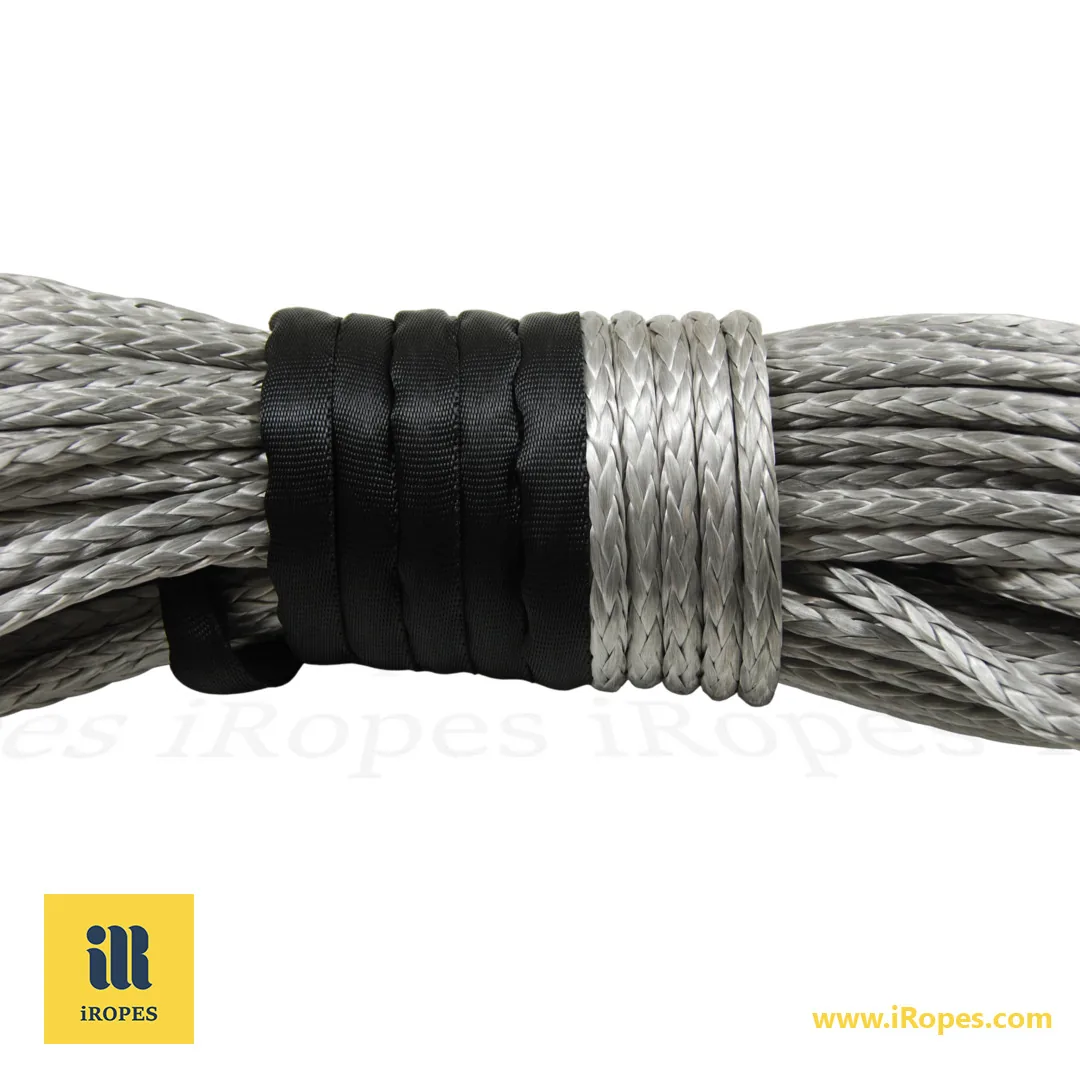
A 1‑in nylon 3‑strand twisted rope reaches 22 600 lb breaking strength yet weighs only 31 lb per 100 ft, delivering high strength without excessive bulk.
What you’ll gain – approx 2 min read
- ✓ Use a clear 5‑step eye‑splice method to finish ends quickly and reliably.
- ✓ Select the right diameter to meet load needs without unnecessary weight.
- ✓ Apply a 5× safety factor to make confident, safe material choices.
- ✓ Explore custom colour and branding options for better field visibility.
Choosing the right 3‑strand rope is straightforward when you match material and diameter to the job. In the sections ahead, you’ll see a practical 5‑step splice, learn how to apply the 5× safety factor, and understand which materials suit marine, arborist, industrial and outdoor uses.
Understanding 3 strand twisted rope Construction
When you need a rope that balances strength with flexibility, the 3 strand twisted rope offers a proven solution. It starts with three bundles of fibres that are twisted into individual strands; those strands are then twisted together to form the final rope. This construction produces a medium lay that is easy to handle while still delivering solid tensile performance.
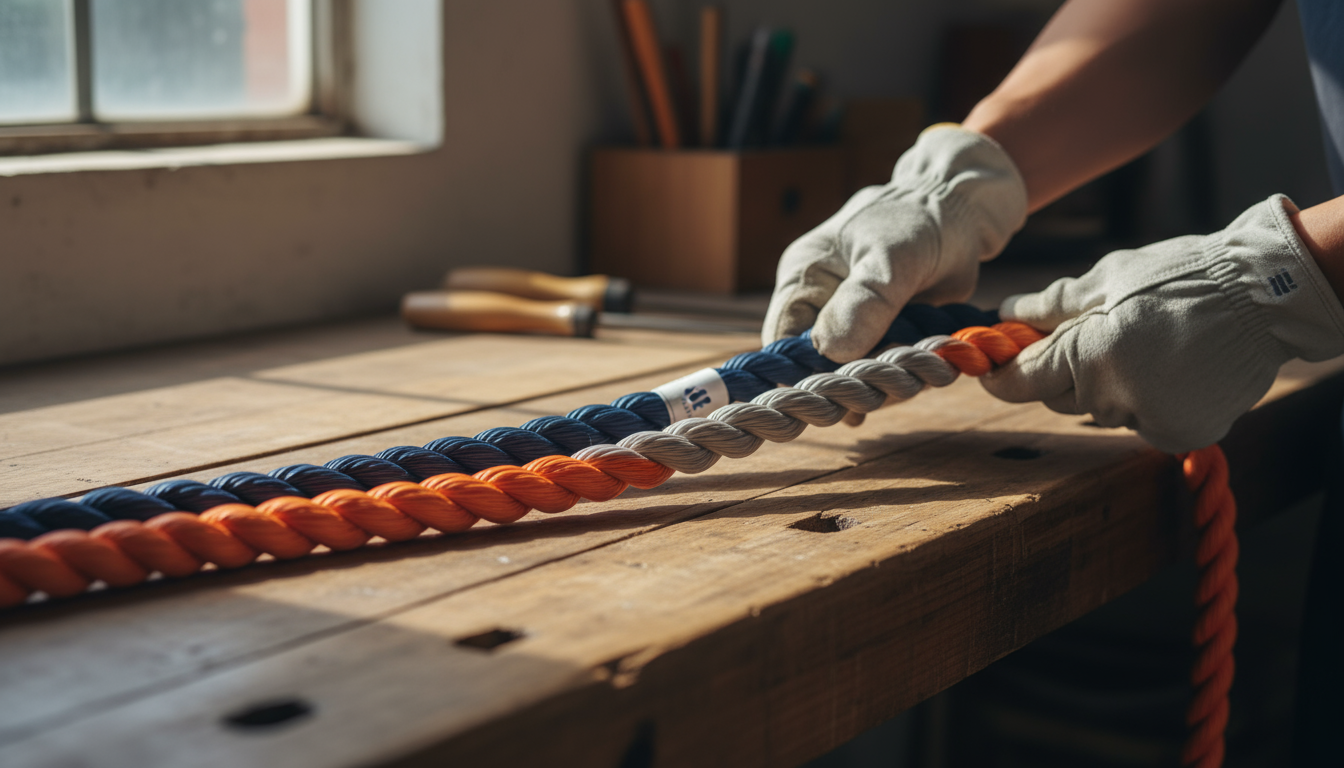
Seeing the process in three clear steps helps explain how the rope behaves in service.
- Bundle the selected fibres – nylon, polyester or natural fibres are measured and aligned.
- Twist each bundle into a single strand – the lay of each strand influences stretch and feel.
- Twist the three strands together – the final rope emerges with a balanced lay and uniform strength.
Choosing the right material tailors the rope to its environment. Below is a quick guide to the most common options.
- Nylon – high tensile strength and useful elasticity; excellent for mooring and shock‑loading tasks.
- Polyester – low stretch with superior UV and abrasion resistance; ideal for outdoor and industrial use.
- Polypropylene – lightweight and buoyant; a practical choice when floatation matters.
- Cotton – natural feel and moderate strength; suited to decorative or low‑load applications.
- Manila – rugged natural fibre with good abrasion resistance; favoured in traditional rigging.
- Sisal – coarse texture with solid abrasion resistance; often chosen for eco‑friendly projects.
Now that you understand how the rope is built and which fibres are available, the next step is to match diameter and load capacity to your specific project – whether you are anchoring a yacht or securing a cargo pallet.
Sizing, Strength and Load Capacity
A larger diameter means more material, which increases both the breaking strength and the weight per 100 ft. Selecting the correct size helps you avoid over‑engineering and, more importantly, prevents under‑estimating the load.
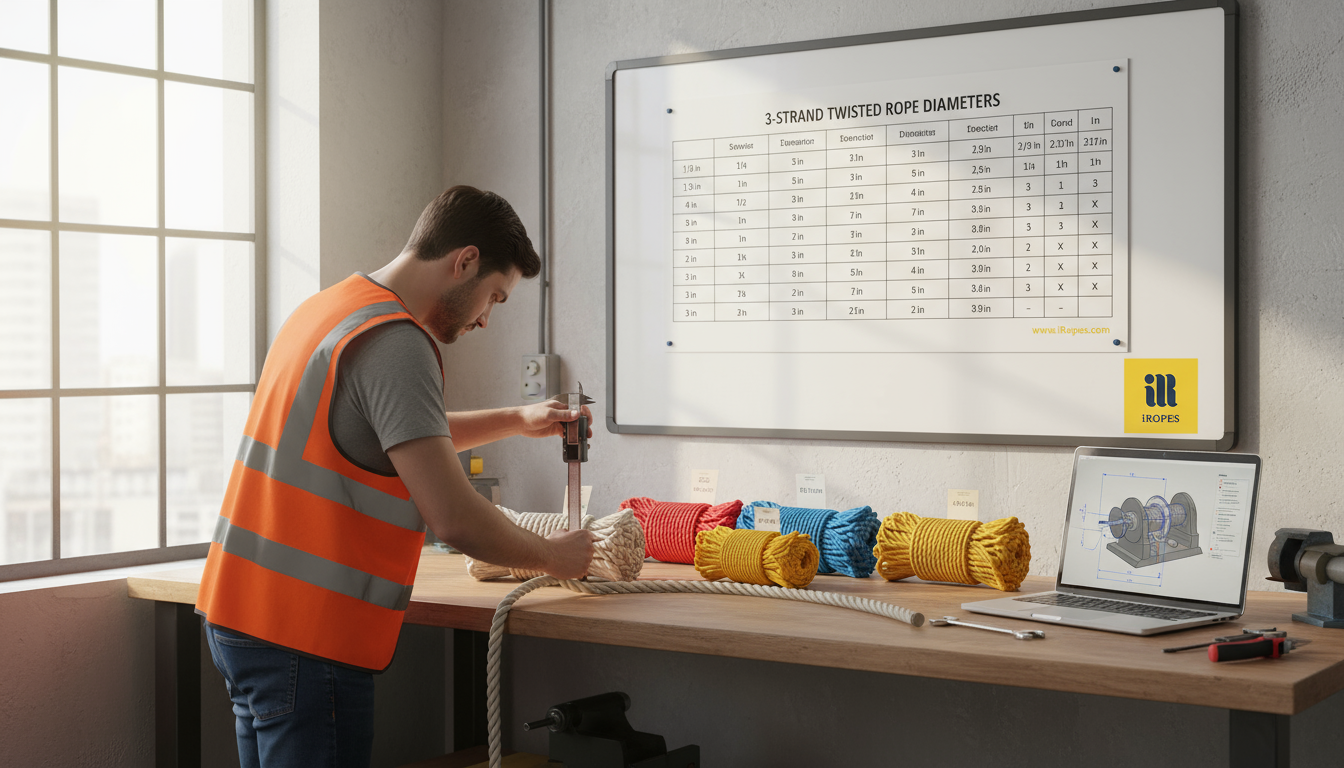
As a rule of thumb, apply a 5× safety factor (a common industry recommendation). Calculate Safe Working Load (SWL) as Breaking Strength ÷ 5. Then choose a rope whose SWL is equal to or greater than your maximum expected load. Alternatively, multiply your load by five to find the minimum required breaking strength.
Diameter Options
From small to heavy duty
1/8‑3/16 in
Lightweight and easy to handle; ideal for decorative, tag‑line or low‑load tasks.
1/4‑1/2 in
Balanced weight and strength; the workhorse range for general‑purpose rigging and marine use.
3/4‑3 in
Heavy‑duty diameters that handle high loads; well suited to anchor lines and barrier ropes.
Strength & SWL
Breaking load and safe working load
Breaking strength
Examples (nylon): 1/4 in ≈ 1 490 lb; 1/2 in ≈ 5 750 lb; 1 in ≈ 22 600 lb.
Safe Working Load
Apply a 5× factor: e.g., 1/4 in SWL ≈ 300 lb; 1/2 in SWL ≈ 1 150 lb; 1 in SWL ≈ 4 520 lb.
Weight per 100 ft
1/4 in ~2 lb; 1/2 in ~8 lb; 1 in ~31 lb (nylon).
Quick‑buy tip: match material and diameter to the environment. Nylon excels at shock absorption for mooring and towing, polyester offers superior UV and abrasion resistance for fixed rigging, and polypropylene is unbeatable when buoyancy is required.
Choose diameter by load first, then confirm the numbers. This simple sequence prevents guesswork and keeps you safely within the rope’s limits.
With the right size and strength in hand, the next logical step is learning where this rope excels and how to finish and care for it so it lasts.
Versatile Applications of 3 Strand Twisted Rope
Once diameter and safe‑working load are sorted, think about the job site. Whether you’re mooring a yacht, guiding limbs during pruning, securing a pallet, or creating a backyard battle rope, the 3 strand twisted rope adapts thanks to its balanced lay and material options.
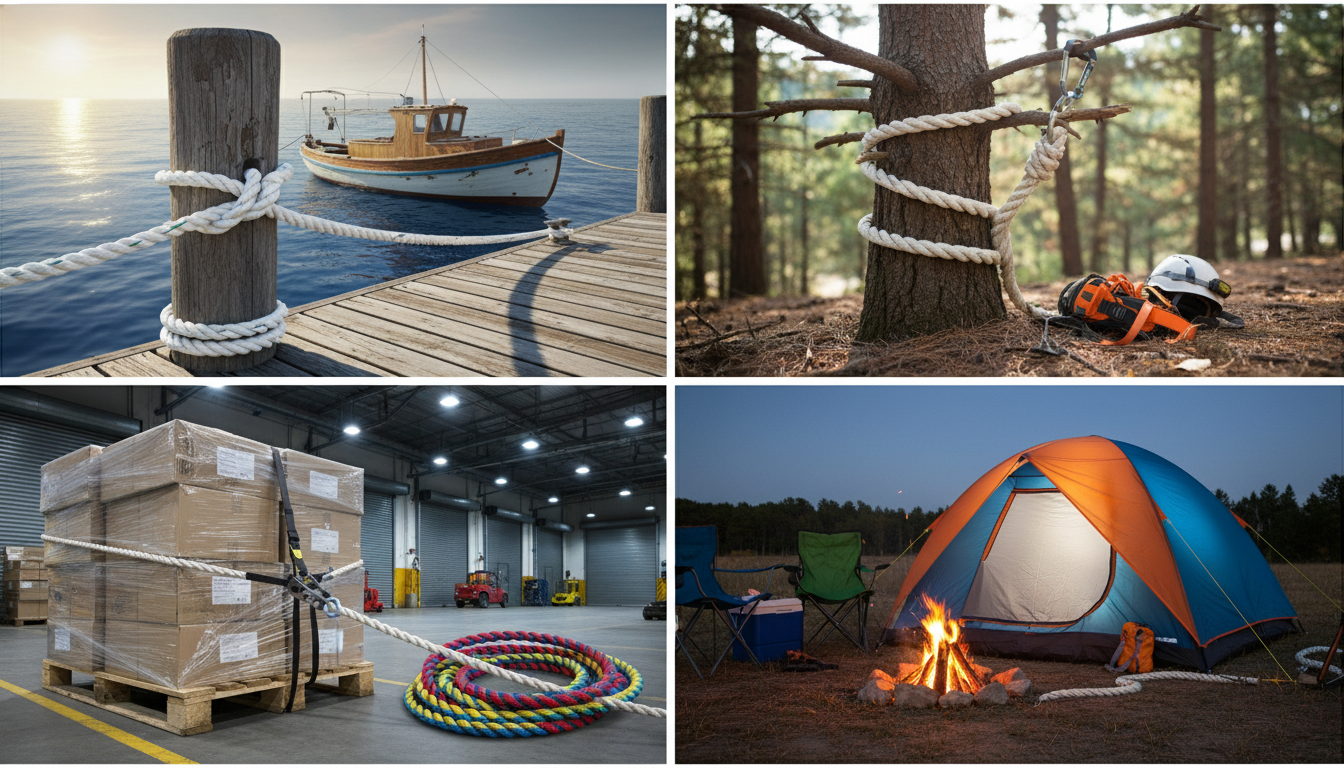
Below is a quick visual guide that pairs each major sector with the material that typically delivers the best performance.
Marine
Anchor and dock lines benefit from the best mooring rope material, such as nylon’s stretch for shock loads, or polyester’s low elongation and UV resistance when precise tension and durability are required.
Arborist
For canopy control lines and light rigging, 1/2‑to‑5/8 in ropes are typical. Choose polyester for low stretch and predictable movement, or nylon when you need added shock absorption.
Industrial
Heavy‑duty cargo and general rigging often favour polyester for abrasion resistance and minimal stretch. Apply appropriate safety factors to align with OSHA‑recommended practices.
Outdoor & Crafting
Camping tie‑downs, battle ropes and macramé projects benefit from polypropylene’s light weight and floatation, or from colour‑custom options that enhance visibility and style.
If you ever wonder why a particular material is recommended, think of the environment: water‑movement and shock loads point to nylon, UV‑intense sites favour polyester, and when buoyancy matters, polypropylene floats. For inspiration, see the versatile uses of 8‑plait rope which showcases similar material considerations across industries.
Material Quick‑Pick
• Marine – nylon for elasticity; polyester for tight‑hold rigging with better UV resistance.
• Arborist – 1/2‑5/8 in lines; polyester for control, nylon for shock absorption.
• Industrial – polyester lines; high abrasion resistance with low stretch supports best practice safety factors.
• Outdoor – polypropylene for floatation; colour‑custom options for visual flair and identification.
Understanding which sector drives your choice sets the stage for the next step: learning how to splice the rope, keep it in top condition, and order the exact length you need for a clean installation.
Splicing, Care, and Buying Guide for Custom Rope Solutions
Now that you know which rope suits each industry, learn how to finish the rope for real‑world use, explore different rope splicing techniques, keep it in top condition, and order exactly what you need.

How to splice a 3‑strand twisted rope in five minutes
- Gather tools – a sharp knife, marlinspike, tape, and whipping twine.
- Unlay the rope end – separate the three strands evenly to avoid fraying.
- Form the eye – tuck each strand back into the standing part in sequence to create a tight loop.
- Whip the standing part – wrap whipping twine firmly to lock the eye in place.
- Trim and test – cut excess tails and, for synthetics, carefully seal the cut ends; load‑test lightly to confirm security.
Prefer a visual walk‑through? A short tutorial video makes each step easy to follow.
Maintenance, Customisation, and Purchasing Checklist
- Clean regularly – rinse with fresh water and mild soap, then dry to prevent salt or dirt buildup.
- Store away from UV – keep coils in a shaded, dry area; a UV‑protective bag extends service life.
- Inspect quarterly – look for frayed strands, crushed sections, or glazing; replace when damage appears.
- Select material early – decide between nylon, polyester, or polypropylene based on stretch, UV resistance, and buoyancy.
- Define colour and branding – iRopes can supply custom colours, logos, and non‑branded or customer‑branded packaging with dedicated IP protection.
- Choose lay and terminations – specify tight, medium or loose lay; add thimbles, eye splices or other accessories as needed.
- Confirm quality and compliance – ISO 9001‑backed quality assurance and adherence to relevant safety guidelines (e.g., OSHA) support market acceptance.
- Plan bulk pricing and shipping – request a quote with palletised, on‑time delivery to your location worldwide.
By following the splice routine, adhering to the maintenance schedule, and ticking off the buying checklist, you’ll end up with a rope that performs reliably from the first load to the last.
Need a personalised rope solution?
You've seen how the 3 strand twisted rope’s construction, diameter options and material choices translate into reliable performance across marine, arborist, industrial and outdoor projects. By matching the right size and strength to your load, applying the simple 5× safety factor, and following the quick‑splice and maintenance steps, you can maximise safety and longevity.
If you want expert advice on the applications of 3‑strand twisted rope for your unique needs—whether it’s a custom colour, branded packaging or specialised terminations—simply fill out the form above and iRopes will help you design the perfect solution. As an ISO 9001‑certified manufacturer, iRopes provides OEM and ODM services, safeguards your IP, and ships pallets directly to your location on schedule.