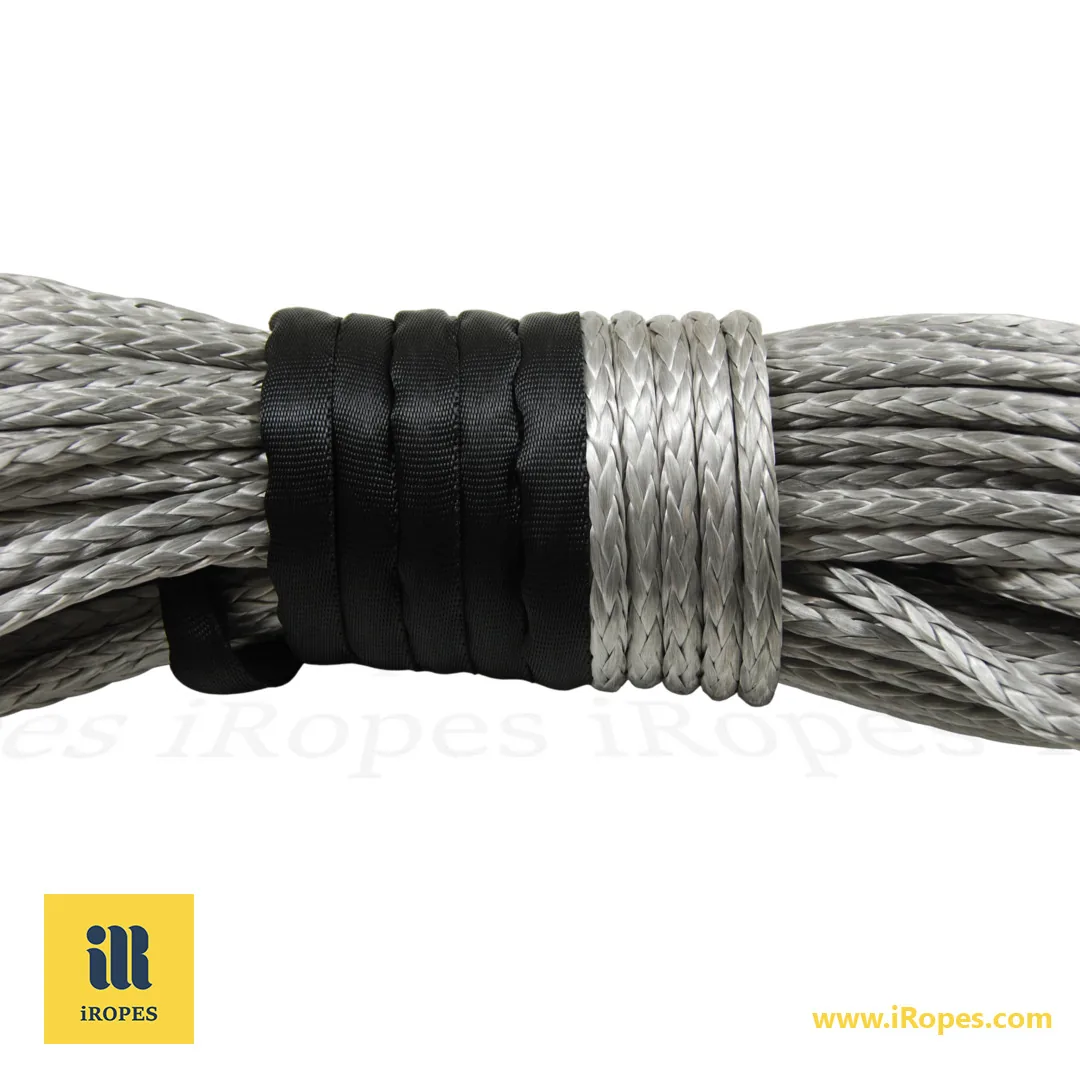
iRopes delivers custom 1‑in Manila rope with ISO 9001 quality, backed by 15 years of manufacturing in China and a portfolio of 2,348 cordage options.
Quick 3‑minute guide to iRopes’ Manila rope advantage
- ✓ Custom 1‑in Manila rope matched to published strength ranges and the demands of your application.
- ✓ Choose from 2,348 cordage styles and coating options for an exact fit.
- ✓ ISO 9001‑certified processes support consistent, auditable quality.
- ✓ Fast lead times and direct pallet shipping help keep projects on schedule.
You might think natural fibre ropes can’t keep pace with modern synthetics. Yet a 1‑in Manila rope typically delivers around 7,000–8,000 lb of minimum breaking strength, while remaining biodegradable and budget‑friendly. In the next sections, we explain why industry veterans still choose Manila for specific tasks, how careful treatment protects fibres and extends service life, and how you can leverage these advantages on your next project.
wire rope manufacturers in europe
After establishing why choosing the right supplier is crucial for safety and performance, it’s time to explore the European landscape. The continent hosts a cluster of highly specialised rope makers whose heritage, certifications and export reach set a benchmark for the global market.
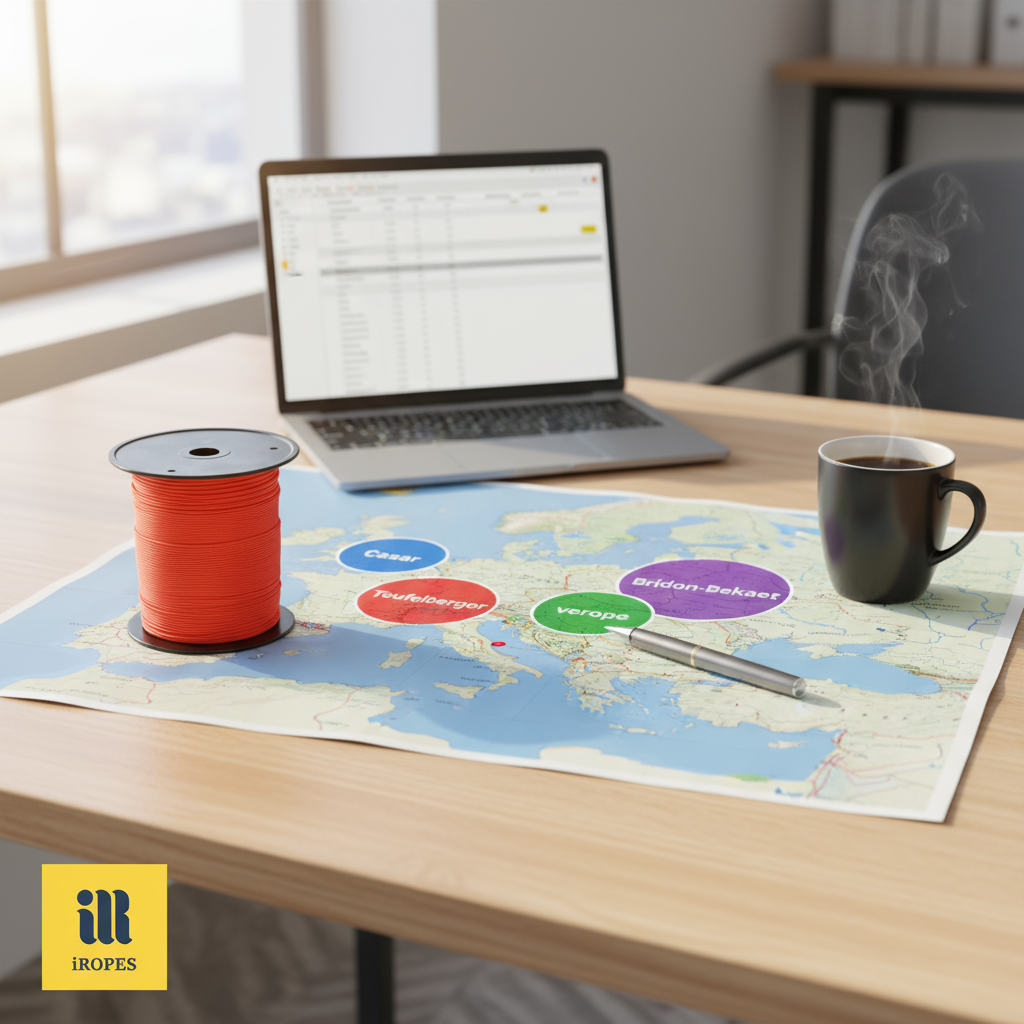
Below is a concise side‑by‑side view of recognised European producers. The columns capture the essentials you need when evaluating a partner: country of origin, founding year, core product families, the certifications that back their quality, and the primary export markets they serve.
| Manufacturer | Country | Founded | Core Families | Certifications | Export Markets |
|---|---|---|---|---|---|
| Casar (WireCo) | Germany | 1948 | Marine, crane, industrial | ISO 9001, EN 12385, CE (where applicable) | EU, USA, Middle East |
| Teufelberger | Austria | 1790 | Crane, lifting, specialty | ISO 9001, EN 12385, DNV/ABS approvals | Europe, North America, Asia‑Pacific |
| Fatzer | Switzerland | 1836 | Aerial ropeways, mining, bridge | ISO 9001, EN 12385 | Europe, Americas, Asia |
| Bridon‑Bekaert | Belgium/UK | 1870 (heritage) | High‑strength steel, stainless | ISO 9001, EN 12385, CE (where applicable) | Global, especially maritime |
| verope | Switzerland | 2003 | High‑performance crane ropes | ISO 9001, EN 12385 | EU, Middle East, Asia |
- Certification guarantees – ISO 9001 confirms a robust quality‑management system; EN 12385 covers steel wire rope safety and testing; CE applies where EU directives require it.
- Product breadth matters – Manufacturers that span marine, crane and industrial families can adapt to niche projects without outsourcing.
- Export footprint signals reliability – Companies serving multiple continents have proven logistics and after‑sales support networks.
Why do those European certifications matter? ISO 9001 assures you that every batch of rope follows a documented, auditable process. EN 12385 addresses wire‑rope construction, testing and marking, so breaking strength and safety factors are validated by recognised standards. CE marking indicates conformity with applicable EU directives for certain products. In practice, these marks support safer selection and smoother inspections—provided the rope is correctly specified, installed and maintained.
European standards set the benchmark for safety and reliability in wire rope production, giving buyers a clear assurance of performance across diverse applications.
Armed with this overview, you can now compare the manufacturers side‑by‑side, focus on the certifications that matter to your project, and move forward with confidence when you start evaluating suppliers for your next rope‑intensive venture.
1 in Manila rope
With the European manufacturers mapped out, the next step is to look at a classic fibre rope that still finds niche use: the 1‑in Manila rope. This natural‑fibre product, made from abacá (often called Manila hemp), offers a blend of historic charm and practical performance that many modern synthetics simply cannot replicate in look and feel.
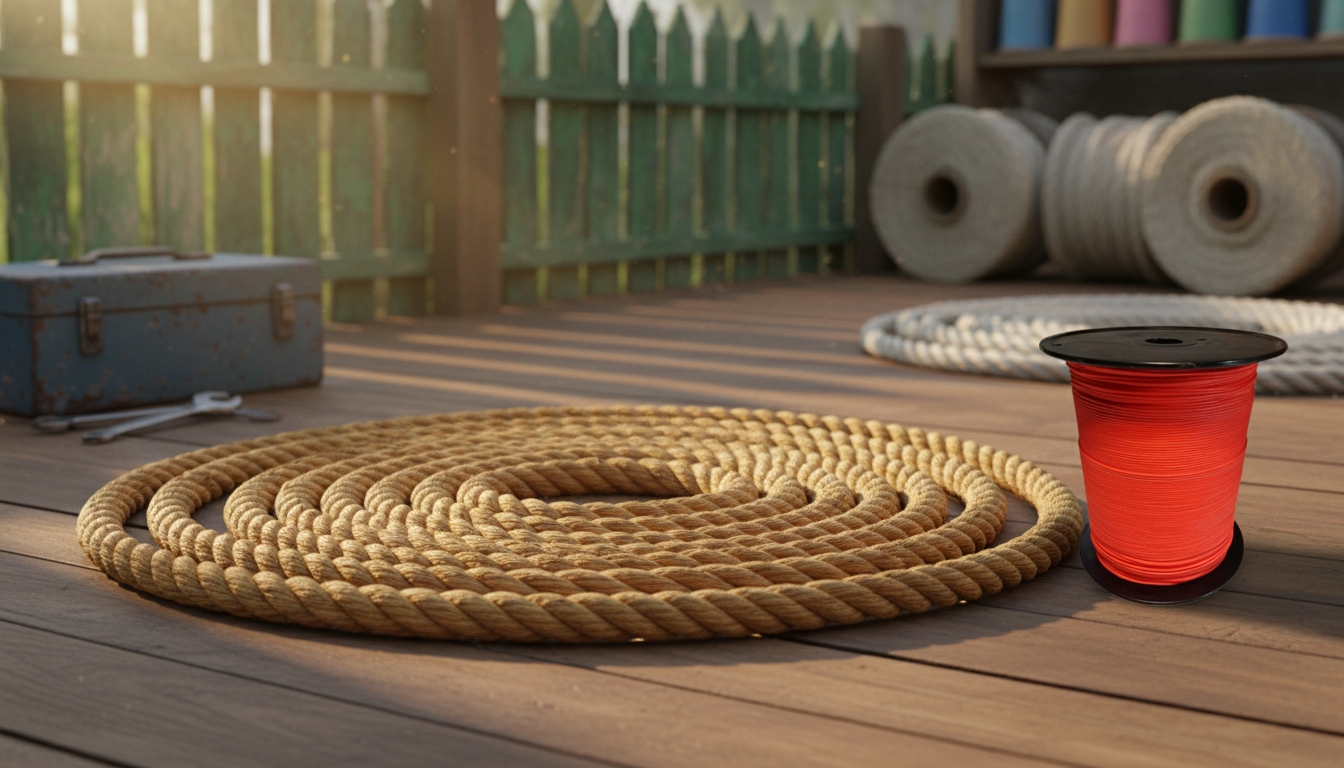
Manila rope is constructed from tightly twisted abacá fibres, giving it a slightly rough hand and a warm, earthy hue. The 1‑in size is roughly 25 mm in diameter. Typical published minimum breaking strength falls in the 7,000–8,000 lb range (≈ 3,200–3,600 kg), which suits general‑purpose pulling, mooring and decorative applications; it is not intended for critical lifting.
- ≈ 25 mm (1 in) diameter – natural abacá fibre.
- Typical breaking strength: 7,000–8,000 lb (≈ 3,200–3,600 kg), varies by grade.
- Moisture‑absorbent and biodegradable; exhibits constructional stretch and will swell when wet.
Because the fibres are organic, the rope behaves differently from synthetic alternatives. It swells when wet, which can improve grip on rough surfaces—useful in maritime settings. However, water absorption and prolonged UV exposure can reduce strength, so dry it before storage and keep it out of direct sunlight when not in use.
Key Applications
Maritime – light mooring and fender lines (non‑critical); Landscaping – garden ties and tree‑training; Decorative – historic ship‑yard displays, theatre sets and event backdrops.
When you ask what the best wire rope is, the answer hinges on the job. For high‑strength, corrosion‑resistant needs, stainless‑steel or high‑modulus synthetics often outperform Manila. Yet for short‑term, biodegradable tasks—such as garden work or period‑authentic fit‑outs—Manila’s tactile finish, low cost and environmental friendliness make it a strong contender.
Maintaining a 1‑in Manila rope is straightforward: rinse with fresh water after use, hang it in a shaded, well‑ventilated area, and avoid prolonged UV exposure. A quick visual inspection for frayed ends, crushed sections or excessive softening will alert you before the rope reaches the end of its useful life.
Understanding these traits equips you to decide when Manila is the right choice and when a modern synthetic rope should take its place. With that perspective, you’re ready to explore the global leaders shaping today’s steel‑wire‑rope market.
top 10 steel wire rope manufacturers in world
Building on the Manila‑rope primer, the global steel‑wire‑rope landscape reveals a market valued at $14.28 billion in 2025 and projected to reach $17.8 billion by 2032, growing at about 3.2 % CAGR. That scale underpins the ranking below, where each company’s certifications, export reach and innovations are key signals for buyers.

| Rank | Company | Country | Founded | Core Products | Key Certifications | Notable Innovation |
|---|---|---|---|---|---|---|
| 1 | WireCo WorldGroup (Casar, Union, Oliveira) | USA/Global | 1975 | Marine, crane, high‑strength steel | ISO 9001, EN 12385, DNV/ABS/LR | High‑efficiency lay and specialty crane ropes |
| 2 | Teufelberger | Austria | 1790 | Crane, lifting, specialty | ISO 9001, EN 12385, DNV | High‑performance rotation‑resistant designs |
| 3 | Ningbo Grandlifting | China | 1994 | Stainless, galvanised, specialty alloys | ISO 9001, CE, TÜV | Rapid‑coil automation line |
| 4 | Asahi Rope | Japan | 1910 | Stainless, high‑temperature alloys | ISO 9001, JIS | Advanced corrosion‑resistant coatings |
| 5 | Bridon‑Bekaert | Belgium/UK | 1870 | High‑strength steel, stainless | ISO 9001, EN 12385 | Hybrid steel‑synthetic concepts |
| 6 | Fatzer | Switzerland | 1836 | Ropes for aerial tramways, mining | ISO 9001, EN 12385 | Optimised fatigue‑life designs |
| 7 | Kiswire | South Korea | 1945 | Oil‑and‑gas, mining, construction | ISO 9001, EN 12385 | High‑capacity production for heavy‑lift |
| 8 | Usha Martin | India | 1960 | Mining, crane, elevators | ISO 9001, EN 12385 | Application‑specific rope engineering |
| 9 | Juli Rigging | China | 1992 | Mining, heavy‑lift, renewable energy | ISO 9001, EN 12385 | Modular rope‑assembly platforms |
| 10 | Tokyo Rope | Japan | 1887 | Bridge cables, steel wire rope | ISO 9001, EN 12385 | High‑reliability bridge and seismic cables |
Choosing the right rope supplier – iRopes advantage
Now that you’ve surveyed the world‑wide leaders, the next step is to match those capabilities with a partner who can deliver exactly what your project demands.
- Certifications & compliance – ISO 9001, EN 12385, CE (as applicable), classification‑society approvals (DNV, ABS, LR), and API 9A for oil‑and‑gas use.
- Material & construction options – UHMWPE, Technora™, Kevlar™, Vectran™, polyamide and polyester, plus strand counts such as 7×7 or 7×19 to suit static or dynamic loads.
- Service guarantees – OEM/ODM flexibility, full IP protection, committed lead times and responsive after‑sales technical support.
“A supplier’s certification portfolio is the first line of defence against hidden defects; it tells you the rope has been built to a proven quality system.”
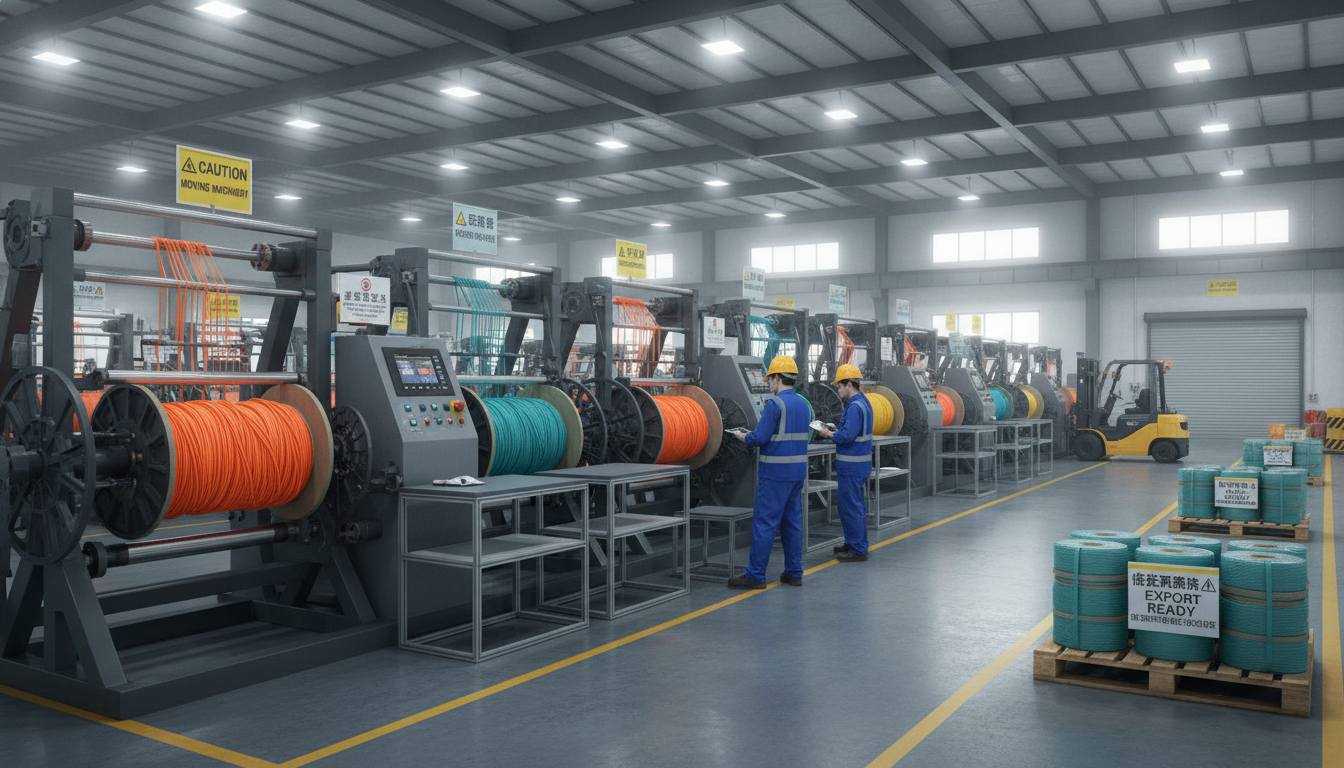
iRopes brings 15 years of experience to the table, backed by ISO 9001 certification and a material palette that includes UHMWPE, Technora™, Kevlar™, Vectran™, polyamide and polyester. The company’s OEM/ODM capacity lets you specify strand count, core type, diameter, length and colour, while its IP‑protection protocol safeguards any proprietary design you submit. Global logistics are handled end‑to‑end, with pallets shipped directly from the factory to your dock. Packaging options range from non‑branded bags to fully custom‑printed cartons.
If you wonder what the best wire rope is, it depends on the environment: stainless‑steel for corrosion‑prone marine work, galvanised steel for general construction, or a high‑modulus synthetic (UHMWPE) for ultra‑light lifting. The industry’s 3‑6 rule reminds you to retire a wire rope when six wires break within one lay length, or three wires break in a single strand within one lay. When comparing constructions, a 7×19 layout typically offers around 10–15 % higher breaking strength than a 7×7, and better fatigue resistance for dynamic loads. Current estimates place the steel‑wire‑rope market at about $14.28 billion in 2025, rising to $17.8 billion by 2032 at roughly 3.2 % CAGR. To size a rope correctly, calculate the working load limit (breaking strength ÷ safety factor of 5–8), select a construction that meets that limit, and verify temperature, corrosion and abrasion conditions.
Armed with this checklist and iRopes’ proven capabilities—including access to 2,348 cordage options you can move forward with confidence, knowing the supplier you choose will back every specification with documented quality and responsive support.
Get a personalised rope solution
By comparing the certifications of leading wire rope manufacturers in europe, understanding the unique characteristics of 1 in manila rope, and reviewing the strengths of the top 10 steel wire rope manufacturers in world, you now have a clear framework for choosing a reliable supplier. iRopes builds on this knowledge with 15 years of experience, ISO 9001‑backed processes, and a broad material palette—including UHMWPE, Technora™, Kevlar™, Vectran™, polyamide and polyester—to deliver custom‑spec rope solutions that meet your exact performance and branding needs.
If you’d like expert advice tailored to your project, please fill out the form above and our team will help you design the perfect rope specification.