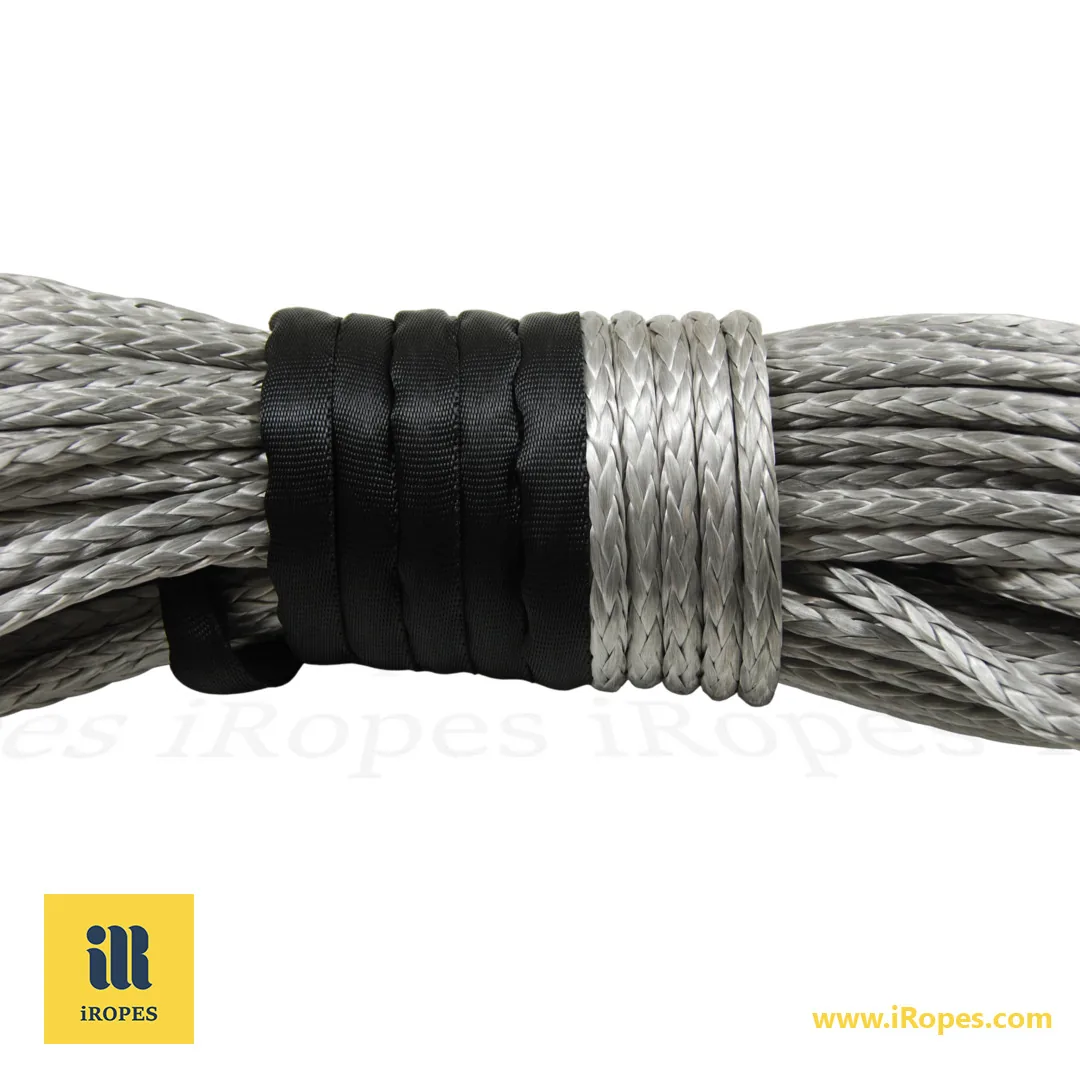
Static cord’s 8‑strand core in polyester or nylon delivers ≤ 2 % stretch and, in 11 mm class lines, MBS around 30 kN (≈ 6 800 lb)—ideal for steady, controlled lifts and rigging.
Key gains – ~2 min read
- ✓ Up to about 30 kN (≈ 6 800 lb) MBS on 11 mm static cord supports serious loads with an appropriate safety factor.
- ✓ 8‑strand construction caps elongation at ≤ 2 % under 300 lb, giving repeatable tension and precise control.
- ✓ Diameter options from 5 mm to 30 mm let you match strength and handling to the application.
- ✓ ISO 9001‑certified manufacturing from iRopes underpins consistent quality and dependable performance.
Many teams assume any long rope will do, but construction truly matters. A genuine static cord with an 8‑strand core in polyester or nylon typically shows about 1.9 % elongation at 300 lb, delivering predictable control the moment you rig a line. In the sections below, we outline the design checks that set reliable static cord apart and show how to apply them confidently on the job.
Static Cord
A static cord is a low‑stretch rope designed to hold tension with minimal elongation, making it a dependable choice for rescue, rope‑access work and equipment rigging. It is widely made from polyester and nylon and uses an 8‑strand core structure to complete the braiding, which contributes to its stable, low‑elongation performance.
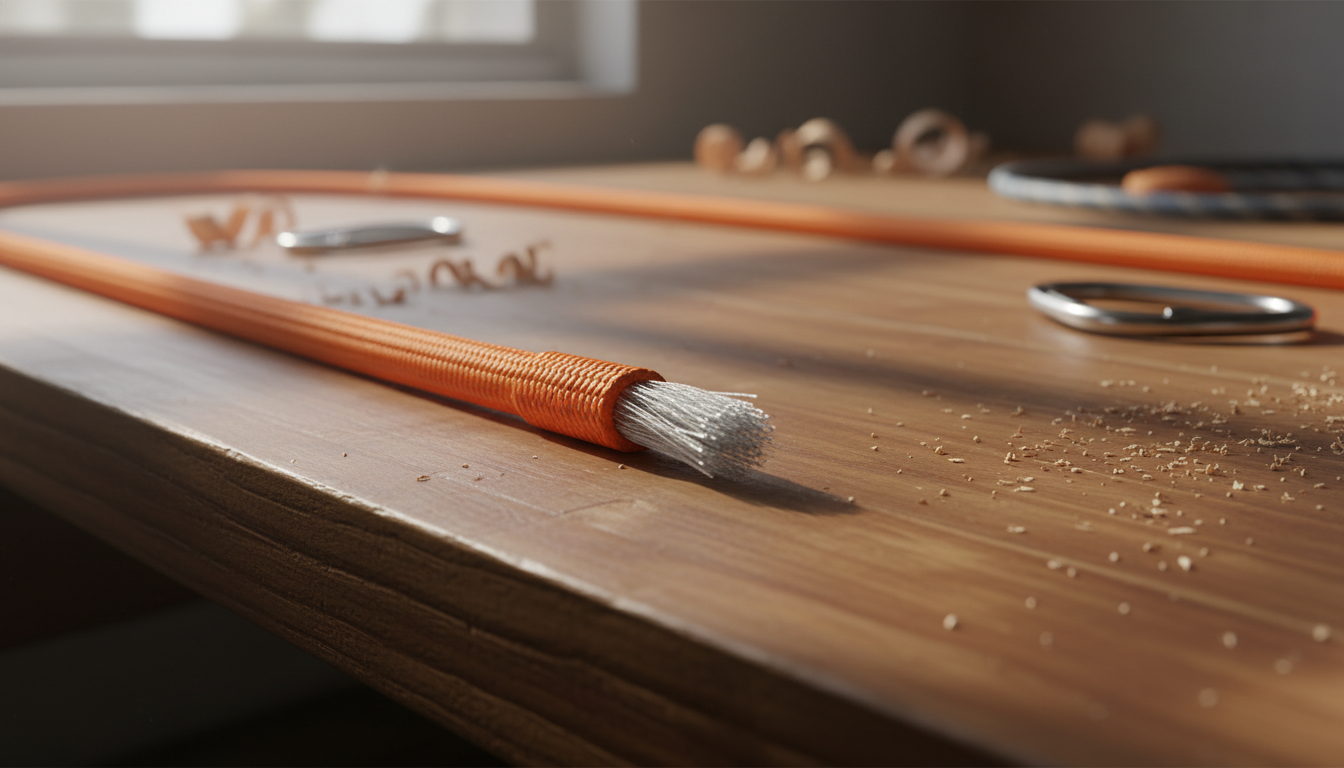
- Low elongation – ≤ 2 % stretch under typical loads keeps the line steady when you apply tension.
- Minimum Breaking Strength (MBS) – common range 3 kN–30 kN (≈ 700 lb–6 800 lb), depending on diameter and construction.
- Diameter options – available from 5 mm to 30 mm (0.2 in–1.2 in) to match strength and handling to the task.
“For rescue and rope‑access use, static cord should comply with NFPA 2500 and maintain very low stretch under load.” – NFPA Safety Engineer
Now that the role of low‑stretch behaviour is clear, let’s look at recovery scenarios and how rope stretch characteristics affect safe vehicle pull‑outs.
Static Recovery Rope
In off‑road contexts, you’ll encounter two approaches. Static lines (used with winches or controlled pulls) keep stretch very low for precise manoeuvres. By contrast, products often marketed as “static recovery rope” are typically kinetic recovery ropes designed to stretch about 20–30 %, storing energy to soften the pull and help free a bogged vehicle.

Kinetic recovery ropes elongate roughly 20–30 % under load, creating a controlled “snatch” that absorbs shock and delivers a smoother pull. This behaviour can help recover a mid‑size SUV without the harsh jerk associated with rigid straps. Static lines, meanwhile, prioritise precision and predictability when creep‑pulling with a winch.
If you’re wondering, which diameter should I use for vehicle recovery? start with the vehicle’s gross weight and expected pull force. For kinetic recovery, typical diameters range from ¾ in to 1 in for 4x4s, with the rope’s rated strength selected to meet at least a 5× safety factor over the anticipated load. Always confirm the manufacturer’s MBS for the exact construction and length you plan to use.
- Identify the maximum recovery load (vehicle weight × terrain and resistance factor).
- Select a rope whose Minimum Breaking Strength meets a ≥ 5× safety factor over that load.
- Confirm the length needed, allowing extra for knots, attachments and the chosen recovery method.
Following that checklist helps ensure the rope you pick won’t be overstressed mid‑pull and gives you confidence on slick ground or steep inclines.
Key Benefit
Kinetic recovery rope (often marketed as “static recovery rope”) delivers predictable elongation that smooths the pull and reduces stress on components compared with rigid straps.
With sizing principles in place, the next step is to consider materials—especially how poly cord rope compares for outdoor durability, handling and long service life.
Poly Cord Rope
When weight, durability and weather resistance matter most, poly cord rope—typically made from polyester fibres—strikes a practical balance for marine, camping and defence tasks. It resists UV and moisture better than many alternatives, while maintaining a strong strength‑to‑weight ratio.
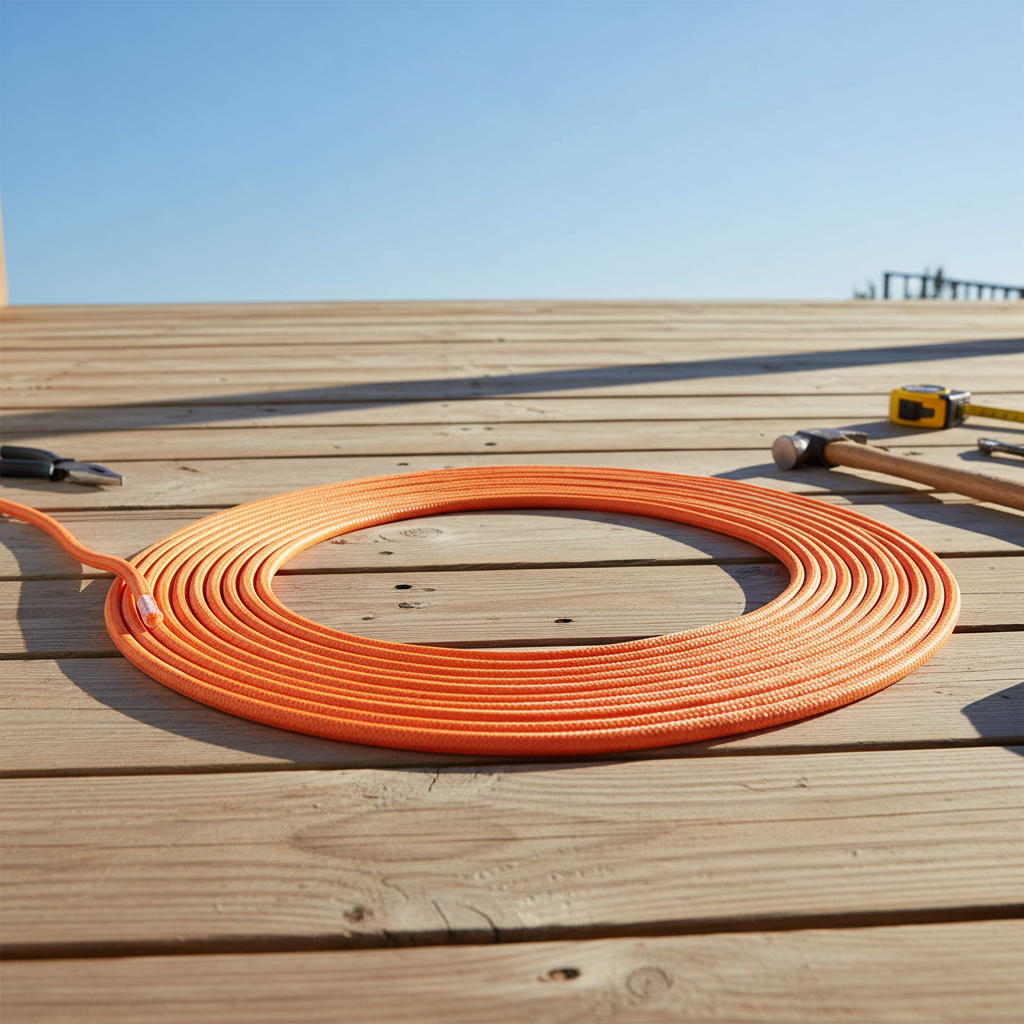
Polyester’s chemistry offers natural resistance to ultraviolet degradation and low water absorption—two factors that can quickly weaken other materials in salty, humid environments. The outcome is a rope that holds strength after prolonged exposure without the stiffening or rot some fibres develop.
Poly Cord Benefits
Why polyester shines
UV Resistance
Maintains tensile strength after prolonged sun exposure—ideal for boat decks, moorings and coastal rigs.
Moisture Repellent
Absorbs far less water than nylon, so weight stays consistent and freeze‑thaw cycles have less impact.
Weight‑to‑Strength Ratio
Delivers high breaking strength while remaining manageable for backpacking, camping or tactical kits.
Other Materials
Nylon & polypropylene
Nylon
Offers excellent elasticity but degrades faster under UV and absorbs more moisture, which can add weight and stiffness when wet and cold.
Polypropylene
Very lightweight and buoyant, yet generally lower tensile strength with poorer heat and chemical resistance.
Static Cord Comparison
Compared with a static cord’s ultra‑low elongation, polyester poly cord rope has modest give for easier handling while retaining strong load‑holding capability.
In practice, a 12 mm poly cord rope can tow a small inflatable, secure a night‑time camp shelter, or serve as a low‑visibility line in defence applications—thanks to a favourable strength‑to‑weight profile and a sheath that stands up to sun and spray.
Quick take: Polyester outperforms nylon for UV resistance and water absorption, helping it retain strength and handle in outdoor conditions.
Answering a common query—“Is polyester better than nylon for static rope?”—the short answer is that polyester is typically better for long‑term outdoor exposure due to UV and moisture resistance. Nylon’s flexibility can be useful, but its higher water uptake and UV sensitivity may shorten service life in harsh environments.
With material advantages clarified, you can bring performance, standards and branding together in a simple buying approach: define the job, select the construction and diameter that meet your load and elongation needs, then customise colours, terminations and packaging to your brand.
You've seen how an 8‑strand core of polyester or nylon gives static cord its ultra‑low stretch, why kinetic (often called static) recovery rope uses controlled elongation for safe pull‑outs, and how poly cord rope’s UV‑resistant polyester offers a durable, lightweight option for marine, camping and defence tasks. For example, our kinetic recovery ropes are designed to deliver controlled elongation for safe pull‑outs — learn more about our kinetic recovery solutions. With these insights, you can match construction, diameter and performance specs to your application and benefit from iRopes’ ISO‑certified OEM/ODM capabilities, custom branding, IP protection and on‑time global shipping.
Request a personalised rope solution
Use the form above to discuss your requirements and let our specialists help you design the perfect static cord, static recovery rope or poly cord rope for your operation.