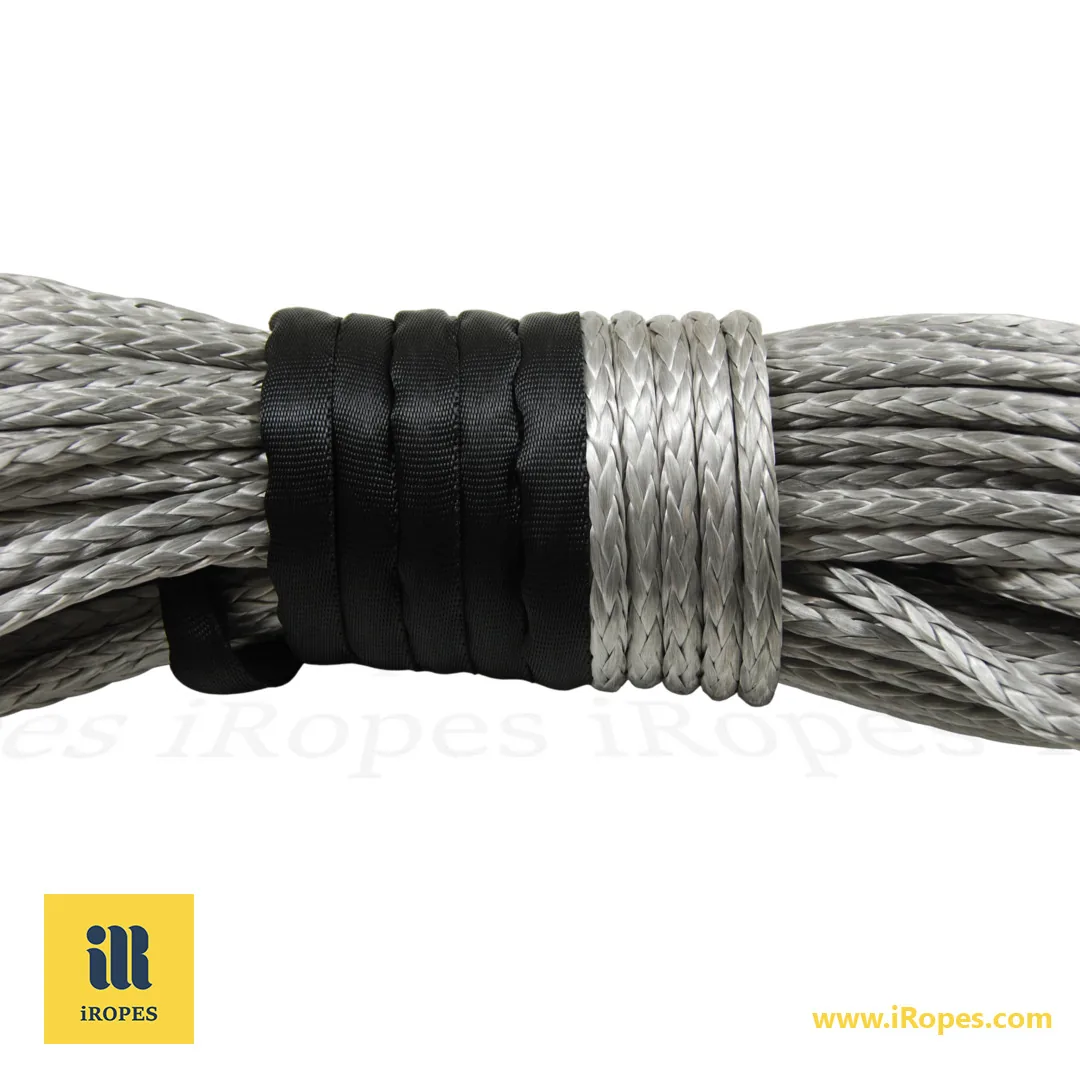
Grommet slings double your marine lifting capacity to up to 17.6 tonnes in basket hitches—thanks to their endless loop design that self-equalises loads across dual legs, slashing sway and boosting efficiency by 100% over standard slings.
Master Grommet Lifting in Just 6 Minutes → Gain Expertise for Safer, Stronger Operations
- ✓ Boost capacity instantly: Interpret charts to safely handle 2x loads in choker or basket hitches, preventing overload failures in rough seas.
- ✓ Customise for your rig: Tailor diameters from ½" to 3" with iRopes' OEM options, ensuring neutral buoyancy synthetics cut drag by 30% underwater.
- ✓ Master inspections: Follow ASME B30.9 protocols to spot wear early, extending sling life by 40% and avoiding costly downtime in salvage jobs.
- ✓ Apply in real scenarios: Deploy for offshore builds where endless loops distribute 50-tonne modules evenly, reducing crew risks by half.
You might assume standard wire rope slings suffice for marine salvage. But what if their fixed eyes create hidden stress points that halve your true lifting power? Grommet slings shatter that myth with seamless, endless loops, doubling effective legs for balanced, superior strength in crashing waves. Yet, ignoring the crucial D/d ratio or angles below 30° could quickly slash capacities by 50%. Discover iRopes' secrets to unlock the full potential of grommet lifting without the common pitfalls.
Understanding the Grommet Sling: Endless Strength for Heavy Lifts
In the demanding world of marine lifting, where one wrong move can lead to disaster, the grommet sling stands out as a reliable workhorse. Imagine a tool that wraps around massive loads with even pressure, showing no weak points. That's the essence of this specialised gear. Building on common challenges, let's dive into what makes a grommet sling so effective for heavy-duty operations.
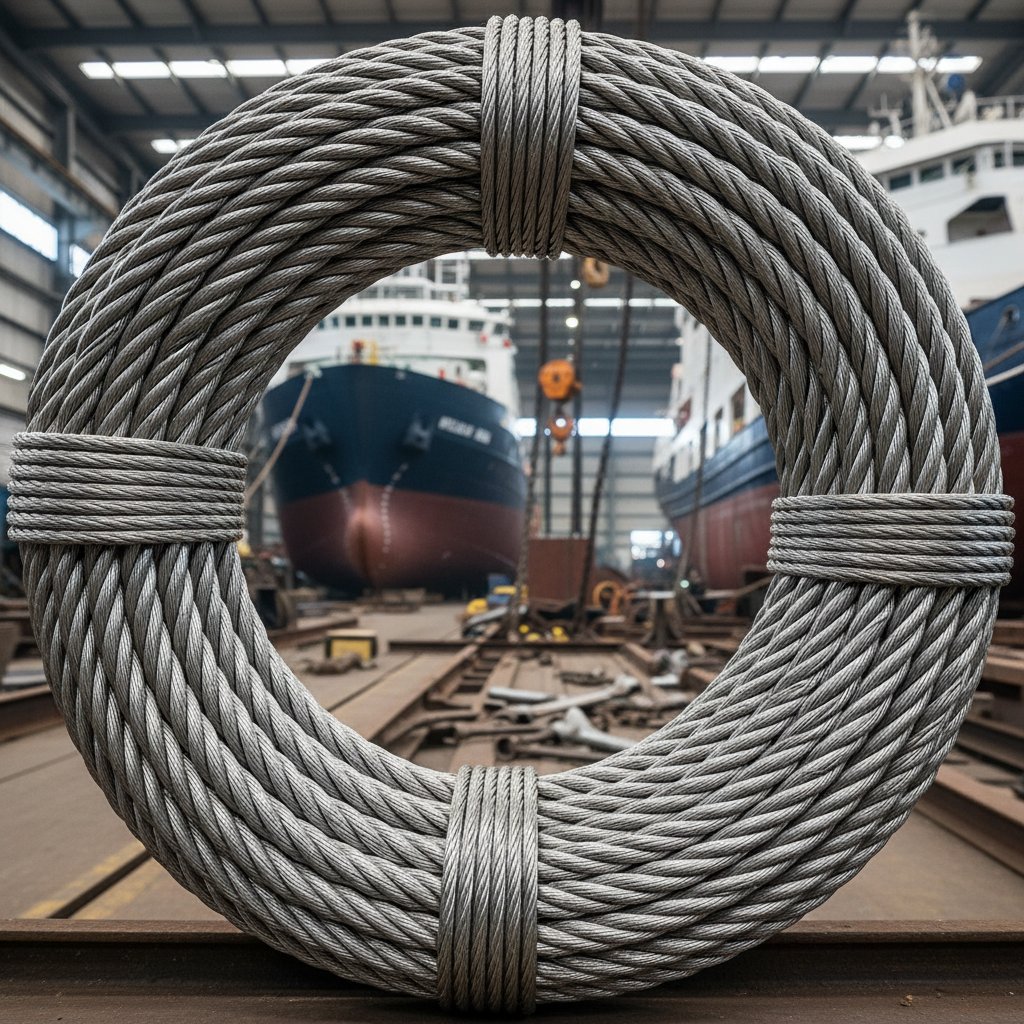
A grommet sling is essentially an endless loop, formed from a single, continuous strand of wire rope. This creates a seamless circle that distributes weight evenly during lifts. Unlike traditional slings with eyes or hooks, this innovative, endless design eliminates stress concentrations, allowing it to handle unbalanced loads without twisting or shifting unexpectedly. It acts like a flexible steel belt, self-adjusting to the task – perfect for unpredictable pulls in offshore work or salvage jobs.
Not all grommet slings are created equal, especially when dealing with salty seas and rough conditions. The most common type is the wire rope grommet, built from durable steel strands that resist corrosion and abrasion. For even smoother handling, *cable-laid* versions twist multiple ropes together, offering superior flexibility. If you need something lighter that floats in water, *synthetic options* like high-performance fibres provide neutral buoyancy without sacrificing strength. These are ideal for underwater recoveries or yacht maintenance.
- Superior durability – These slings withstand extreme forces over time, outlasting eye slings in high-wear spots by spreading contact across the entire loop.
- Exceptional wear resistance – Their continuous construction means no ends to fray, reducing downtime in abrasive marine settings.
- Self-equalising properties – The sling automatically balances loads, preventing slips that could endanger crews on swaying decks or unstable rigs.
Have you ever wondered why some lifting tools fail under pressure while others keep going strong? The answer often lies in the build quality. At iRopes, our precision manufacturing process crafts these grommet slings to exact specifications, backed by ISO 9001 certification. This means every loop is tested rigorously for consistency, ensuring it meets the demands of industries like offshore oil and defence. Our skilled team selects materials and constructions that not only boost strength but also tailor to your specific environment, whether it's battling rust in saltwater or supporting massive infrastructure builds.
With this foundation of strength and reliability, it's clear why grommet slings are a go-to for professionals facing tough jobs. But to truly harness their power, you need to understand how their lifting limits come into play—factors like angles and hitches that can make all the difference in safe operations.
Decoding Grommet Sling Capacity: Factors Influencing Lifting Limits
Now that we've covered the robust design of grommet slings and their self-adjusting nature, it's time to get into the numbers that keep operations safe—those lifting limits that determine just how much weight you can trust them to handle. Think of *capacity* as the sling's promise of performance, calculated to prevent overloads in the unpredictable sway of marine work. Without understanding these crucial figures, even the strongest endless loop could introduce unacceptable risks into your operations.
At its core, a grommet sling's rated capacity refers to the maximum load it can safely lift under ideal conditions, often expressed as the *working load limit* (WLL). This isn't the breaking point; instead, it's based on a design factor—typically 5:1 for wire rope versions. This means the sling's minimum breaking strength is five times its WLL. For instance, if a sling has a WLL of 10 tonnes, it can withstand up to 50 tonnes before failure. This substantial buffer accounts for real-world stresses like sudden shocks or uneven pulls, especially in salty, wave-tossed environments where surprises are common.
Several elements directly shape this capacity, and understanding them can significantly enhance the reliability of your lifts. The *D/d ratio*, for instance, measures the diameter of the pin or hook (D) against the sling body diameter (d). Industry standards recommend a ratio of at least 5 for the full rated capacity, as a smaller ratio pinches the rope and can cut its strength by up to 50%. Sling angles also matter immensely; anything under 30 degrees dramatically increases tension, so always aim for 60 degrees or more to keep forces balanced. Different hitch types further adjust the load: vertical hitches use full capacity, while chokers reduce it to about 75% due to bending, and baskets can double it by spreading the weight across two legs.
- D/d Ratio – This ensures the attachment doesn't crush the rope; follow the 5:1 minimum to avoid derating, much like choosing the right shoe size prevents blisters on a long hike.
- Sling Angles – Steeper angles (60-90°) distribute load evenly, but shallow ones amplify stress—never go below 30°, as it could turn a routine lift into a serious hazard.
- Hitch Types – Use vertical for straight pulls, choker for tight grips (at 75% capacity), and basket for cradling loads (up to 200% if angle-compliant). Each suits different marine setups, such as securing buoys or hoisting gear.
Interpreting capacity charts brings these concepts together for practical use, especially in wet, dynamic marine scenarios where visibility and precision are critical. These tables list WLL by body diameter—for example, a 1-inch grommet might handle 8.8 tonnes vertically but only 6.6 tonnes in a choker hitch at 60 degrees. To use them effectively, start by matching your rope size, then apply the appropriate multipliers for hitch type and sling angle. In offshore work, this means thoroughly plotting your setup beforehand to confirm the total load stays well under limits, factoring in water resistance or tidal shifts that can add additional drag.
I've seen teams overlook these charts during rushed salvage jobs, only to scramble later. This highlights why iRopes steps in with custom capacity calculations. Our specialists meticulously analyse your exact specifications, from load weights to environmental quirks, delivering tailored grommet solutions that hit the mark without guesswork. This precision not only boosts efficiency but ensures compliance with safety standards, allowing you to focus on the lift rather than the limits.
Grasping these capacity nuances perfectly sets the stage for building slings that truly perform under pressure. Ultimately, the right fabrication transforms potential pitfalls into proven reliability.
Grommet Lifting Applications: Marine Salvage and Construction Excellence
With those critical capacity details firmly in mind, it's fascinating to see how grommet slings truly shine when put to work in the real world—especially where the ocean's fury meets heavy machinery. You've got the numbers down, but imagine deploying that endless strength amidst crashing waves or on unstable platforms. That's where grommet lifting transforms from theory to triumph, handling loads that standard gear might buckle under during demanding operations.
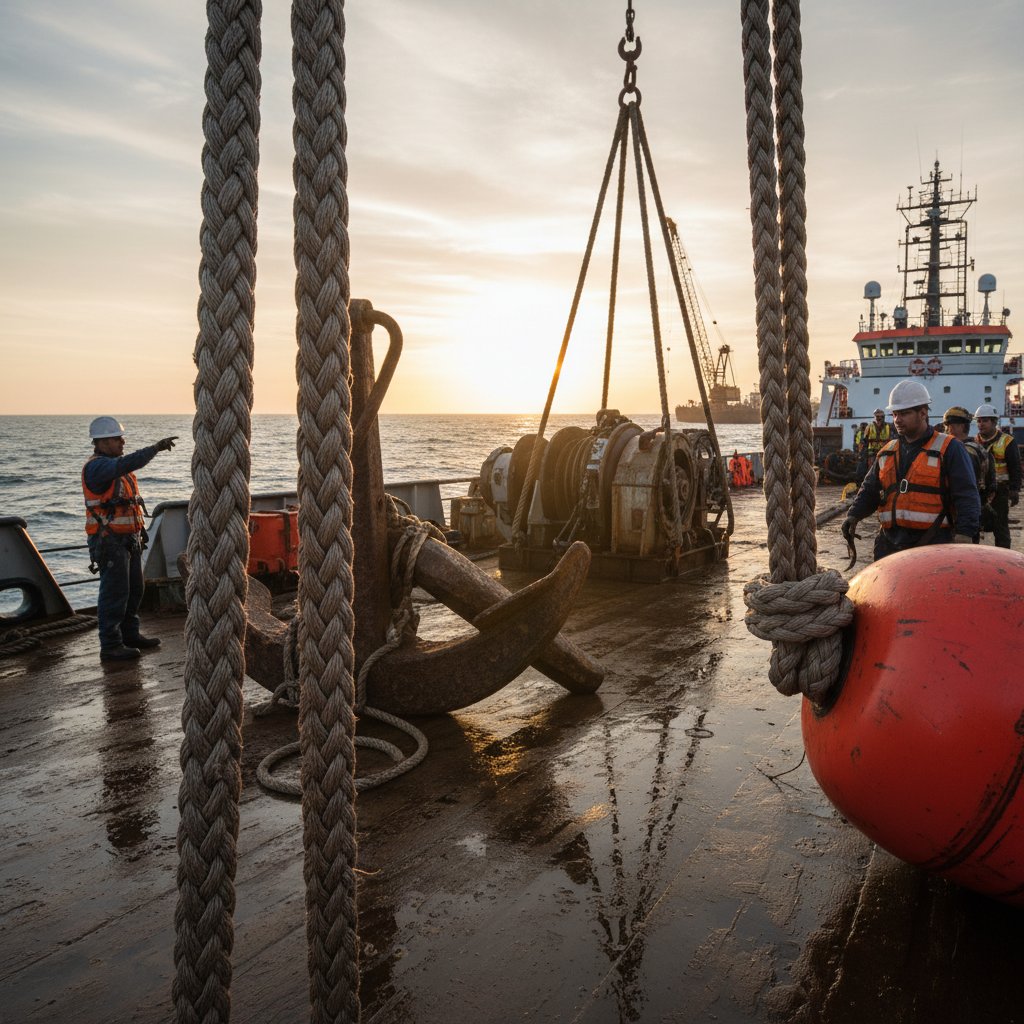
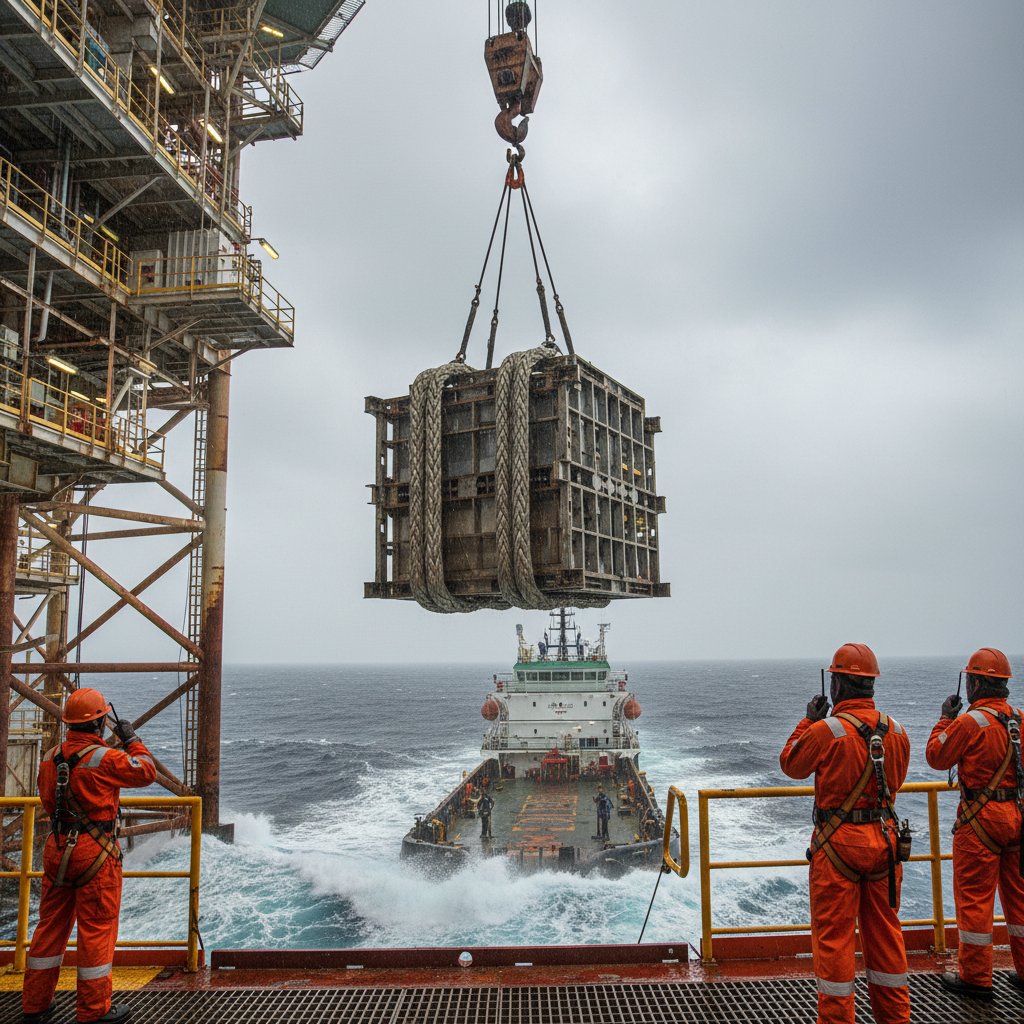
In heavy marine salvage, these slings prove indispensable for recovering sunken vessels or debris in deep water, wrapping securely around irregular shapes without slipping. Offshore construction crews rely on them too, hoisting massive modules onto rigs or platforms, where the endless loop adapts to dynamic movements from wind and currents. And don't overlook yachting; here, grommet lifting secures moorings or lifts hull components during repairs, offering quiet reliability without the bulk of eyed slings. What draws teams to these robust tools? Their ability to perform consistently in scenarios demanding both precision and raw power, much like threading a needle in a storm.
The magic of the endless configuration lies in its exceptional load distribution, which can effectively double the lifting legs by allowing the sling to form multiple wraps or passes around a load. This setup significantly enhances stability, reducing sway and the risk of load shifts that could spell trouble mid-lift. Picture a twisted wreck being raised from the seabed—the grommet sling equalises tension across its body, sharing the burden evenly so no single point bears undue stress. It is this self-adjusting quality that makes complex, asymmetrical lifts feasible, transforming potential chaos into meticulously controlled operations.
Key Marine Uses
Where Grommet Lifting Excels
Salvage Ops
Lifting submerged wreckage with secure, even grips in turbulent waters.
Offshore Builds
Installing platforms and equipment amidst harsh sea conditions.
Yacht Maintenance
Handling boat parts and anchors with minimal interference.
Proven Advantages
Real-World Edge
Doubled Stability
Endless loops create extra support points for safer heavy hauls.
OEM Examples
iRopes tailored slings boosted oil rig efficiency by 30% in Gulf projects.
Corrosion Resistance
Synthetics float neutrally, ideal for saltwater without added drag.
->At iRopes, we've crafted OEM grommet solutions that brought real results, such as outfitting an oil and gas firm with custom endless slings for North Sea infrastructure lifts. There, they handled 50-tonne modules without a hitch. Another project saw bridge builders in Australia use our designs to secure components over tidal zones, significantly cutting setup time. These cases clearly demonstrate how targeted engineering amplifies grommet lifting in demanding fields.
Corrosive marine settings amplify the need for smart material choices. While wire options fend off rust with galvanised coatings, synthetic grommet slings take it a step further with neutral buoyancy. This feature allows them to stay level underwater, easing recoveries and reducing drag. Unlike heavier metal, they won't sink rigging or add unwanted pull, letting divers or ROVs work unhindered. Ever faced a lift where buoyancy unexpectedly threw off your balance? Synthetics solve that problem, ensuring operations remain smooth even in briny depths.
Such versatility in tough environments underscores precisely why these slings demand careful construction and meticulous checks. Only through proper fabrication and rigorous inspection can they maintain their crucial edge over time.
Fabrication Methods and Inspection for Durable Grommet Slings
The versatility of grommet slings in harsh marine settings doesn't happen by accident. It comes down to how these endless loops are meticulously put together and kept in top shape. Once you've seen them in action during a critical salvage operation or a platform installation, it becomes unequivocally clear that the real secret to their reliability lies in the craftsmanship behind them. Let's delve into the specific fabrication processes and rigorous inspection routines that keep them performing lift after lift, safely and efficiently.
Creating a grommet sling begins with selecting the right wire rope and forming it into that seamless circle. *Hand-splicing* involves skilled workers manually weaving the strands together. This method is time-consuming but delivers a flexible, uniform body ideal for tight bends often encountered in marine rigging. *Mechanical splicing*, on the other hand, uses presses or swaging tools to crush and form the ends into a continuous loop, offering quicker production and higher efficiency for larger diameters. Both methods excel with specific rope constructions, such as *6x36 IWRC*—meaning six outer strands around a 36-wire core with an independent wire rope centre for extra stability against crushing. I remember watching a team fabricate one during a dockside demo; the way the IWRC held firm under tension made it obvious why it's a favourite for heavy offshore pulls, providing that optimal blend of strength and flexibility without adding unnecessary bulk.
What truly sets iRopes apart is how we meticulously tailor these builds to your exact needs, transforming a standard grommet into a bespoke solution. You can choose from various materials like galvanised steel for superior rust resistance or high-modulus synthetics for lighter weight, specifying diameters from half an inch up to several inches. We also offer essential accessories such as protective sleeves or thimbles. Furthermore, we safeguard your innovations with full IP protection, ensuring your unique design remains exclusively yours. Whether it's incorporating glow-in-the-dark tracers for night dives or custom lengths that precisely fit your crane setup, our OEM process guarantees the final product aligns perfectly with your operation's demanding requirements.
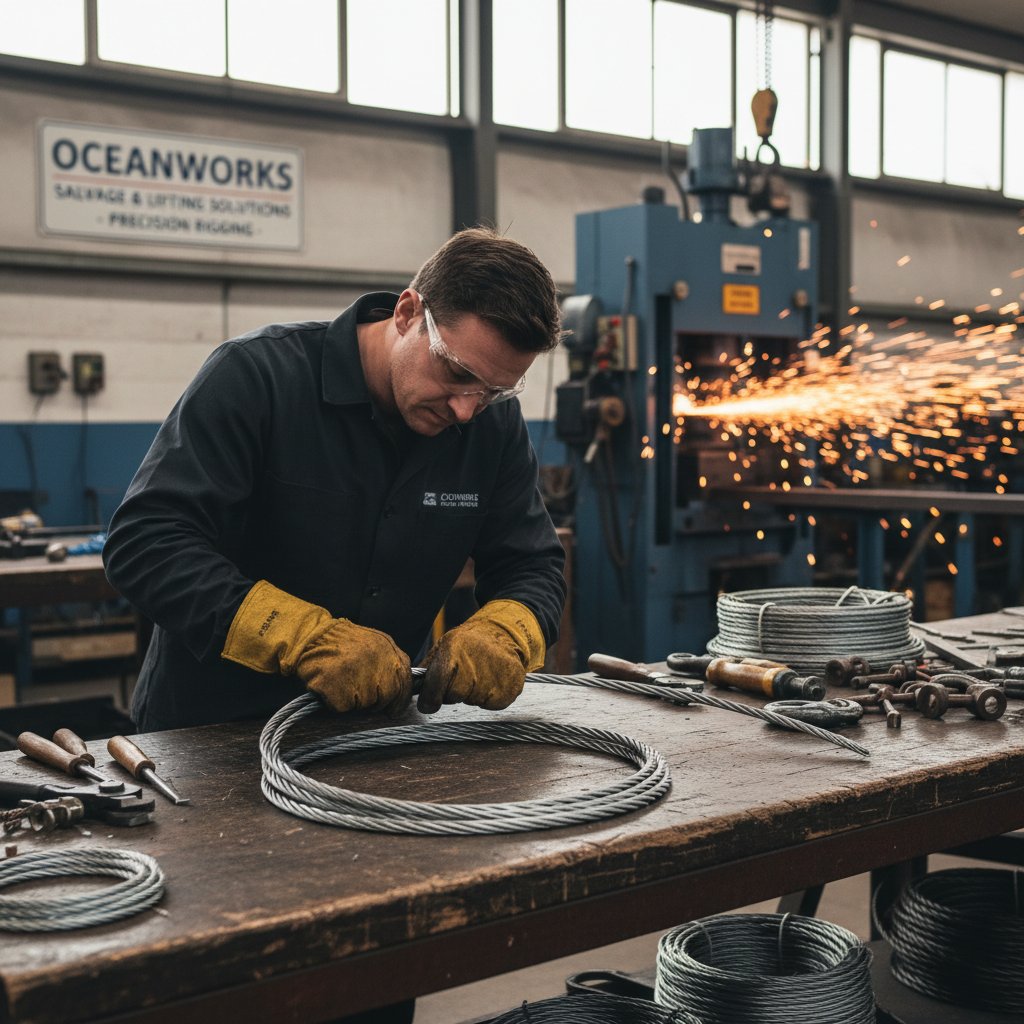
Of course, even the best-fabricated sling requires regular scrutiny to remain safe. Think of it as giving your gear a thorough once-over before trusting it with a multi-tonne load. Pre-use checks should be straightforward: look for obvious cuts, significant rust, or distortions that could signal trouble. For deeper assurance, periodic exams must follow *ASME B30.9 guidelines*, scanning for wear like flattened spots, kinks from improper storage, or a critical number of broken wires—typically no more than 5% in one lay length. In marine operations, where salt and moisture accelerate damage, these inspections catch issues early, preventing a minor flaw from escalating into a major hazard. For more on synthetic sling inspections in marine environments, explore detailed charts and checklists.
- Perform a detailed visual scan for surface damage or corrosion buildup after every single job.
- Consider magnetic particle testing for detecting hidden cracks in critical steel components.
- Measure any diameter reductions; a sling should be retired immediately if it shows a reduction of over 10% from its original size.
Diligent maintenance keeps these slings going strong. Store them coiled loosely in a dry spot to prevent kinks, and always rinse off salt thoroughly after saltwater exposure. Importantly, retire a sling if it exhibits signs of *bird-caging* (where the core pops out) or if it's been overloaded, as these indicators mean it's no longer safe, regardless of its outward appearance. Following these steps extends service life, sometimes leading to years of reliable use in demanding waters. As you implement these basic but vital practices, you'll discover how they pave the way for slings that not only lift more but do so with unwavering confidence every time. When comparing options, consider cost-effective sling solutions versus traditional wire rope for optimal performance in marine settings.
Harnessing the endless configuration of a grommet sling unlocks doubled marine lifting capacity through superior load distribution, making it ideal for heavy salvage and offshore construction where stability is paramount. As explored, these seamless loops excel in self-equalising loads during complex hitches; specifically, grommet sling capacity is optimised by crucial factors like D/d ratios and appropriate sling angles, ensuring safe, efficient performance in corrosive environments. iRopes' precision fabrication—via hand-splicing or sophisticated mechanical methods—delivers custom solutions, backed by rigorous ASME B30.9 inspections for wear and damage, significantly extending durability in demanding grommet lifting applications such as vessel recovery and platform installation.
By integrating these insights and adhering to best practices, teams can elevate their offshore operations with reliable, tailored gear that effectively minimises risks and boosts overall productivity. For truly personalised guidance on adapting grommet slings to your specific marine challenges, our experts are readily available to assist.
Customise Your Grommet Lifting Solutions Today
If you're keen on exploring bespoke grommet sling options or need expert advice on optimising grommet lifting setups to maximise grommet sling capacity in your critical projects, simply complete the inquiry form above. Our iRopes team will provide tailored recommendations and innovative solutions to robustly support your marine operations.