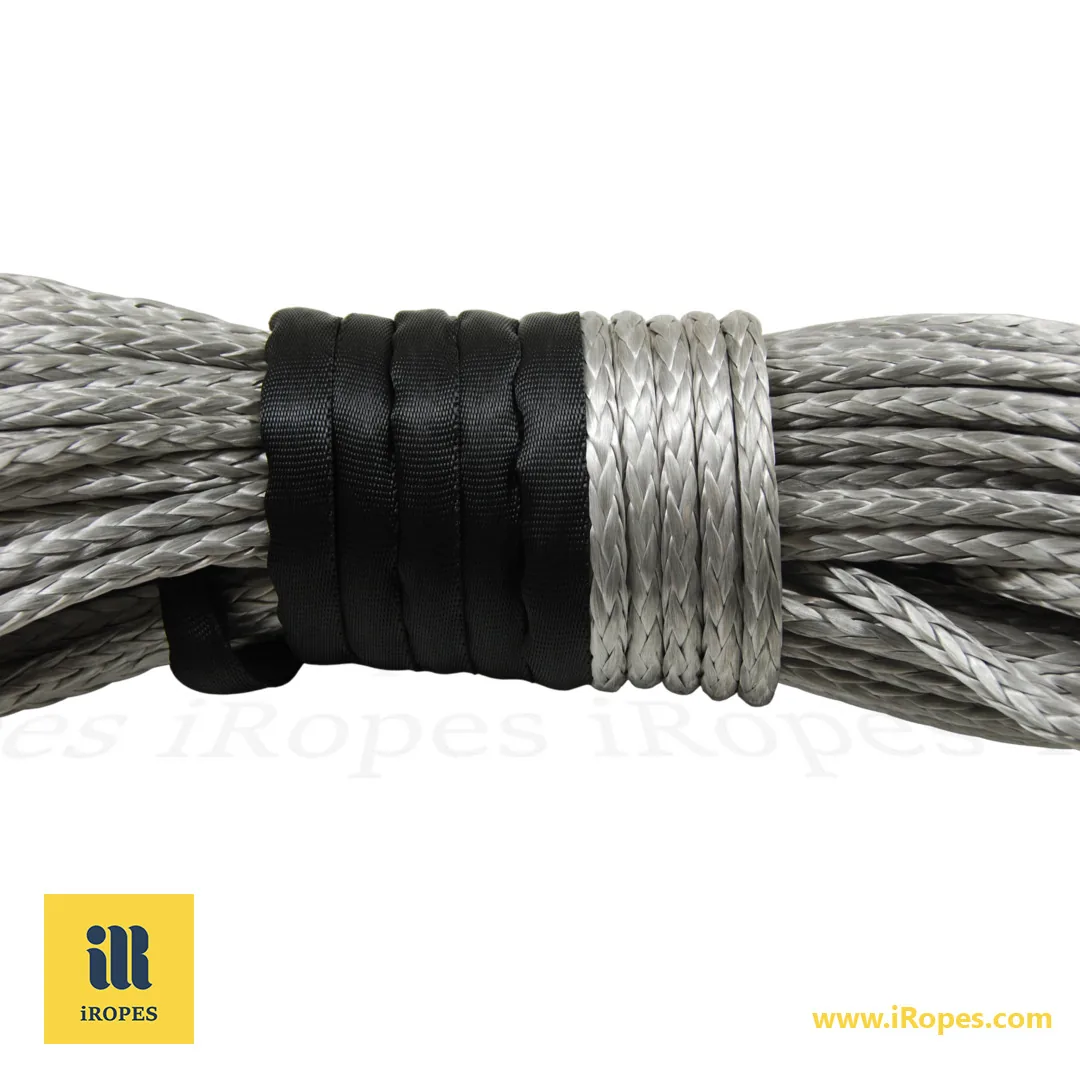
⚠️ 73% of marine sling failures trace back to undetected UV degradation or chafe—yet proper inspection removes 95% of such risks before your next lift. Unlock iRopes' expert guide to synthetic sling checks, ensuring OSHA-compliant safety in saltwater conditions.
In Just 12 Minutes, Master Marine Sling Safety →
- ✓ Decode rejection criteria like abrasions and illegible tags, slashing compliance violation risks by 80% per OSHA 1910.184.
- ✓ Gain step-by-step inspection skills for UV and saltwater damage, extending sling lifespan up to 25% in harsh environments.
- ✓ Interpret synthetic sling charts accurately for WLL adjustments, preventing overloads that cause 60% of lifting incidents.
- ✓ Download a custom iRopes checklist to streamline documentation, saving you hours on periodic reviews while boosting crew confidence.
Do you reckon a quick once-over spots all sling issues on deck? Think again—many overlook subtle marine wear, like embedded grit that can halve strength overnight, turning routine hoists into hazards. But what if one overlooked “chart secret” from iRopes could reveal hidden capacities and cut inspection time by half? Dive in to uncover these game-changers, arming you with compliance-proof routines that safeguard your team and gear against the sea's relentless toll.
The Critical Role of Synthetic Sling Inspection
Imagine you're on the deck of a vessel, rigging a heavy load with a synthetic sling that has seen better days. One overlooked flaw can lead to swift and severe consequences—damaged equipment, injured crew, or worse. That's why getting a synthetic sling inspection right isn't just about ticking a box; it's a lifeline in marine operations. At iRopes, we've observed how our high-quality, custom marine-grade slings perform when properly checked, and we're here to explain the process for you.
Let's start with the basics of synthetic sling inspection. These lightweight yet strong tools, typically made from materials like nylon or polyester, require regular checks to maintain safety. Frequent inspections occur before each use or shift—think of it as a quick visual assessment by anyone handling the sling. Then there's the periodic inspection, conducted monthly or annually by a qualified person, someone specifically trained to identify subtle issues. A qualified person isn't just any deckhand; it's an individual with the knowledge and experience to assess damage according to industry standards. This two-tiered approach helps keep risks low without overwhelming your workflow.
Navigating Regulatory Standards for Marine Compliance
Adhering to regulations keeps your operations functional and your team protected. OSHA 1910.184 provides the foundational requirements, mandating that employers ensure slings are inspected for defects that could compromise safe use. It requires immediate removal from service if there's any doubt about a sling's strength. ASME B30.9 delves deeper, specifically for synthetic web slings, outlining criteria such as the absence of excessive wear or exposure to damaging environments. In marine settings, these standards adapt to harsh conditions—salt spray and constant motion necessitate extra vigilance. OSHA emphasises that inspections must be thorough, with records maintained to prove compliance. Essentially, they state: inspect frequently for obvious damage and periodically for hidden threats, always by a competent individual. Following these guidelines helps prevent fines and, more importantly, accidents.

In marine environments, neglecting inspections invites trouble. UV rays can make fibres brittle over time, increasing their susceptibility to snapping under load. Saltwater accelerates corrosion on fittings and embeds grit that frays the webbing, while chafe from rough surfaces or constant rubbing swiftly wears through layers. How often should synthetic slings be inspected? It depends on the usage—daily for heavy marine lifting, but at a minimum, frequent visual checks before each job and a full periodic review every month in corrosive conditions. Consider a scenario where a storm-tossed line rubbed against a cleat; without early detection of that chafe, a lift could fail mid-operation.
One non-negotiable red flag is an illegible sling tag. These tags carry vital information like the working load limit (WLL), material type, and serial number—details crucial for verifying capacity. If the tag is faded, torn, or unreadable, remove that sling from service immediately. What does an illegible sling tag mean? It signals that you cannot confirm its history or strength, turning it into an unacceptable gamble. Without clear markings, you are oblivious to potential overloads or material weaknesses, especially in salty air where tags degrade quickly. Always replace or re-tag through a professional like us at iRopes to ensure traceability.
Having established the foundational need for inspection, let's now delve into the practical steps required to perform a thorough check on your synthetic slings.
Step-by-Step Guide to Synthetic Sling Inspection
Now that you understand why synthetic sling inspection is so crucial for maintaining safety in marine operations, it's time to get hands-on. We'll walk through the process as if you're preparing for a significant lift on a windy day at sea—methodical, thorough, and without shortcuts. This guide builds upon those basics, providing you with the tools to identify issues before they escalate into serious problems.
Pre-Inspection Preparation for Marine Use
Before you even touch the sling, ensure you are properly set up. Begin by securing good lighting—natural daylight works best on deck, but if you're in a dimly lit hold, use a portable LED work light to avoid missing subtle wear. Next, gently clean the sling with fresh water and a soft brush to remove salt build-up or embedded debris; never use harsh chemicals that could weaken the fibres. For tools, you'll need gloves for handling, a magnifying glass for close-ups, and perhaps a notepad for quick notes. In marine settings, this preparation is vital because grime from waves can conceal actual damage. Have you ever pulled a line that appeared fine but felt gritty against your fingers? That's why cleaning first prevents false positives.
Detailed Rejection Criteria: What to Spot and Why
With the sling clean and visible, examine every inch systematically—from end to end, inside and out. Look for cuts deeper than the outer layer, as these immediately compromise core strength. Abrasions manifest as fuzzy or worn patches from rubbing against cargo edges; if the webbing noticeably thins, it must be removed. Heat damage might appear as shiny, stiff spots where hot metal has singed the material, while chemical exposure leaves brittle, discoloured areas—consider acid splashes from nearby batteries. Knots, anywhere in the sling, reduce load capacity by up to 50 percent, so untie them and reject the sling if they were tied in. Stitching issues, such as loose threads at the eyes, indicate potential failure points under tension. Visual examples are helpful here: a clean cut produces a knife-edge slice, contrasting with abrasion that frays gradually like sandpaper on cloth.
- Cuts or tears - Any gash exposing inner yarns necessitates immediate removal to prevent snapping.
- Abrasive wear - Excessive fuzzing or thinning that reduces width by 10 percent or more.
- Heat or chemical damage - Stiff, melted, or brittle sections due to environmental hazards.
- Knots - No exceptions; they significantly weaken the entire sling structurally.
- Stitching problems - Broken seams or pulled threads at critical joins.

Marine-Specific Checks to Prioritise
In salty, sun-drenched conditions, incorporate targeted checks for UV fading, which causes vibrant colours to dull and fibres to become brittle—test by bending; if it cracks, reject it. Saltwater effects corrode metal fittings, leading to rust that pits and weakens attachments, while embedded grit from sand or rust acts like internal sandpaper, accelerating tears. What are the inspection criteria for synthetic slings in these scenarios? Focus on visible fading over 20 percent of the surface, any pitting on hardware deeper than a millimetre, and grit you can feel when running your hand along the length. These checks ensure your gear withstands the ocean's constant assault without unexpected breaks. For deeper insights into preventing such issues, explore our guide on revealed marine slings failures that doom rigging ops.
Documentation: Keeping Records Straight
Following your check, log everything—the date, inspector's name, findings, and actions taken. Use a simple form noting serial numbers and, if possible, photos of issues. Retain records for at least a year, or longer if regulations require, to demonstrate compliance during audits. What does OSHA say about synthetic sling inspection documentation? Under 1910.184, employers must maintain written records of periodic inspections by qualified persons, including identified defects and any repairs or removals. If damage appears borderline, consult manufacturers like iRopes for advice; we can review specifics based on our custom designs. This paperwork isn't merely busywork—it's your proof that safety was prioritised.
Mastering these steps ensures your slings remain reliable. However, to lift safely, you also need to understand their true capacity under real-world strains.
Decoding the Synthetic Sling Chart
Mastering the hands-on checks from our step-by-step guide provides a strong foundation, but even the best inspection is futile if you misjudge what your sling can actually handle. That's where the synthetic sling chart becomes indispensable—it's your roadmap to safe lifting, especially when marine conditions introduce variables like waves and weather. At iRopes, we design these charts with clear, customisable layouts so you can trust the numbers on the water. Let's explore how to interpret one, starting with the essentials.
Reading the Chart: Key Elements for Load Assessment
A synthetic sling chart outlines the working load limit, or WLL, which represents the maximum weight your sling can safely carry under ideal conditions—consider it the sling's guarantee, supported by rigorous testing. You'll find columns for different hitch types: vertical for straight pulls, choker for wrapping around loads, and basket for cradling items. Each has its own multiplier; for instance, a basket hitch effectively doubles the vertical WLL because the load is distributed across two legs.
Angles are also critical—when slings fan out from a hook, tension increases sharply if they are not vertically aligned. Charts show multipliers dropping significantly; at a 60-degree angle from horizontal, you might only utilise 50 percent of the base capacity per leg. Additionally, there's the D/d ratio, or the diameter of the bend over the pin size—a bend that is too tight, such as wrapping around a small pipe, can reduce strength by 20 percent or more. To read it correctly, match your setup: find the sling width or tonnage, select the hitch type, account for the angle, and adjust for the D/d ratio. It's straightforward once you trace the lines, ensuring you never overload during a deck transfer.
- Locate the base WLL for your sling size and material.
- Select the hitch type and apply its corresponding multiplier.
- Adjust for the sling angle using the chart's percentage table.
- Check the D/d ratio and derate if the bend is sharp.
Marine Factors That Shift Capacity Ratings
Out at sea, your sling chart isn't static—environmental wear necessitates adjustments. Prolonged UV radiation, for example, degrades the polymer chains in polyester or nylon, reducing flexibility and cutting strength by up to 30 percent over months of exposure. This degradation begins with subtle stiffening, followed by fibres cracking under load like dry twigs. Saltwater doesn't directly corrode the webbing but traps moisture, accelerating hydrolysis and further weakening the material, while constant flexing from boat motion causes fatigue more rapidly.
To adjust, first inspect for visible signs like colour loss, then derate the WLL by 10-20 percent in high-exposure zones, or more if fading covers large areas. iRopes recommends consulting us for precise tweaks based on your custom specifications—our charts include notes for marine derating, helping you lift heavier cargo without guesswork. What are the effects of UV radiation on synthetic slings? Primarily, it causes premature degradation, making the sling less reliable. Have you ever wondered why a sling that performed well onshore fails offshore? It's these cumulative, unseen tolls adding up.

Practical Examples and iRopes' Custom Touches
Consider rigging a 5-tonne crate using a 2-inch wide polyester sling in a 90-degree basket hitch—the chart might rate it at 10 tonnes vertically, doubling to 20 tonnes. However, if angled at 45 degrees, it drops to approximately 14 tonnes after applying multipliers. For a choker setup on a buoy, ensure the D/d ratio is at least 1:1 to avoid additional derating. At iRopes, we customise these charts with your branding—clear fonts, weatherproof printing, and even QR codes linking to digital versions—so they are not only functional but also seamlessly integrate with your operation.
Avoiding Traps That Lead to Overloads
Misreading often occurs when individuals ignore angles, assuming full capacity regardless of spread, or skip D/d checks on sharp edges, risking mid-lift snaps. Another common error is using outdated charts that do not account for wear. To prevent these issues, double-check calculations with a second pair of eyes and update charts annually. In marine operations, overlooking UV effects exacerbates problems—faded slings may look the same but hold less, transforming a routine hoist into a hazard. Cross-reference with your inspection logs to stay proactive.
Grasping these chart nuances equips you for confident lifts, but combining them with a structured routine elevates efficiency to the next level.
Your Synthetic Sling Inspection Checklist
Understanding those chart details provides a solid grasp on capacity, but to make inspections a seamless part of your routine without missing a beat, nothing surpasses a dedicated synthetic sling inspection checklist. It's like having a trusted colleague double-checking your work on a choppy morning—straightforward, reliable, and capable of catching what fatigue might overlook. At iRopes, we've designed these tools with real-world marine operations in mind, allowing you to focus on the job, not the paperwork.
Building an Effective Checklist for Daily and Periodic Checks
Crafting your own synthetic sling inspection checklist begins with the essentials, tailored to identify everyday threats on the water. For daily use, keep it concise: scan for obvious issues that could have emerged overnight, such as fresh abrasions from shifting cargo. Periodic inspections delve deeper, perhaps monthly, covering everything from subtle UV stiffening to hidden grit build-up. Include marine-specific add-ons here—such as checking for salt residue on hardware or fading from relentless sun exposure. Remember, consistency is the goal; a well-designed checklist transforms vague concerns into actionable steps, preventing those “what if” moments during a heavy hoist.
Think back to a time when a simple list saved your rig from a snag—it's that kind of quiet hero. Key items might include verifying the tag's legibility first, then running your fingers along the length for unusual textures. For periodic assessments, measure wear depth with a gauge if necessary, noting any changes since the last inspection.
Daily Checks
Quick Visual Scans
Tag Inspection
Confirm WLL and material info is clear and intact.
Surface Wear
Look for new cuts, frays, or knots from recent use.
Marine Quick-Check
Wipe off salt and spot any fresh grit embedding.
Periodic Checks
Thorough Reviews
UV and Fading
Bend sections to test for brittleness from sun damage.
Hardware Review
Inspect fittings for corrosion or distortion.
Full Log Entry
Record measurements and compare to prior notes.
Downloadable Resources from iRopes
To simplify the process further, discover how synthetic lifting slings crush wire ropes in saltwater environments, and download iRopes' printable PDF synthetic sling inspection checklist and a compact reference chart, both optimised for field use. These resources are designed to be laminated, featuring marine-specific notes like saltwater rinse reminders and UV exposure trackers. You can download them free from our site; they are customisable to your needs and include spaces for notes directly on the page. No more scribbling on soggy paper; these tools keep your records shipshape.
Putting the Checklist into Action
Using the checklist is straightforward: begin at the top before any lift, ticking off each item as you examine the sling. For borderline finds, such as a minor fray, note it and monitor it during the next inspection. Regarding repairs: Can a synthetic sling be repaired? In most cases, no; attempting DIY fixes risks hidden weaknesses that could fail under load. Only certified professionals, like those at iRopes, can execute repairs, followed by proof testing to verify safety. If rejection is necessary, replace the sling promptly—it's better to invest in a new sling than to risk a close call. This method streamlines your process, transforming inspections from a chore into a confidence booster.

Linking Checks to Everyday Sling Care
Finally, integrate your checklist into broader sling maintenance to extend lifespan further in challenging marine environments. Store them coiled loosely in shaded, dry bins away from direct spray—consider under deck covers. Protect edges with sleeves during lifts to prevent chafe from rough hulls. After use, rinse with fresh water to remove salt, then air-dry completely. Keep documentation tied to each sling's serial number, taking photos of checks for quick audits. These habits not only enhance durability but also foster a safety culture that leads to smoother, incident-free days on the water.
Armed with these insights into synthetic sling inspection, from decoding the synthetic sling chart to mastering marine-specific checks for UV fading and saltwater grit, you are now equipped to safeguard your operations against failures that could spell disaster at sea. Regular frequent and periodic inspections, guided by OSHA and ASME standards, ensure compliance while extending sling life through proper documentation and adherence to rejection criteria. Our synthetic sling inspection checklist simplifies the process, offering a practical tool for daily and thorough reviews—download it today to seamlessly integrate it into your routine.
At iRopes, we specialise in custom marine-grade slings tailored to your needs, backed by ISO 9001 quality and expert support to handle unique challenges like chafe and environmental wear.
Need Tailored Advice on Synthetic Slings for Your Marine Operations?
If you're looking for personalised guidance on customising slings, accessing advanced resources, or ensuring your setup meets specific compliance needs, fill out the inquiry form above—we're here to help elevate your safety and efficiency.
Related reading: The Soft Sling Chart That Saves Yachts from Hidden Damage