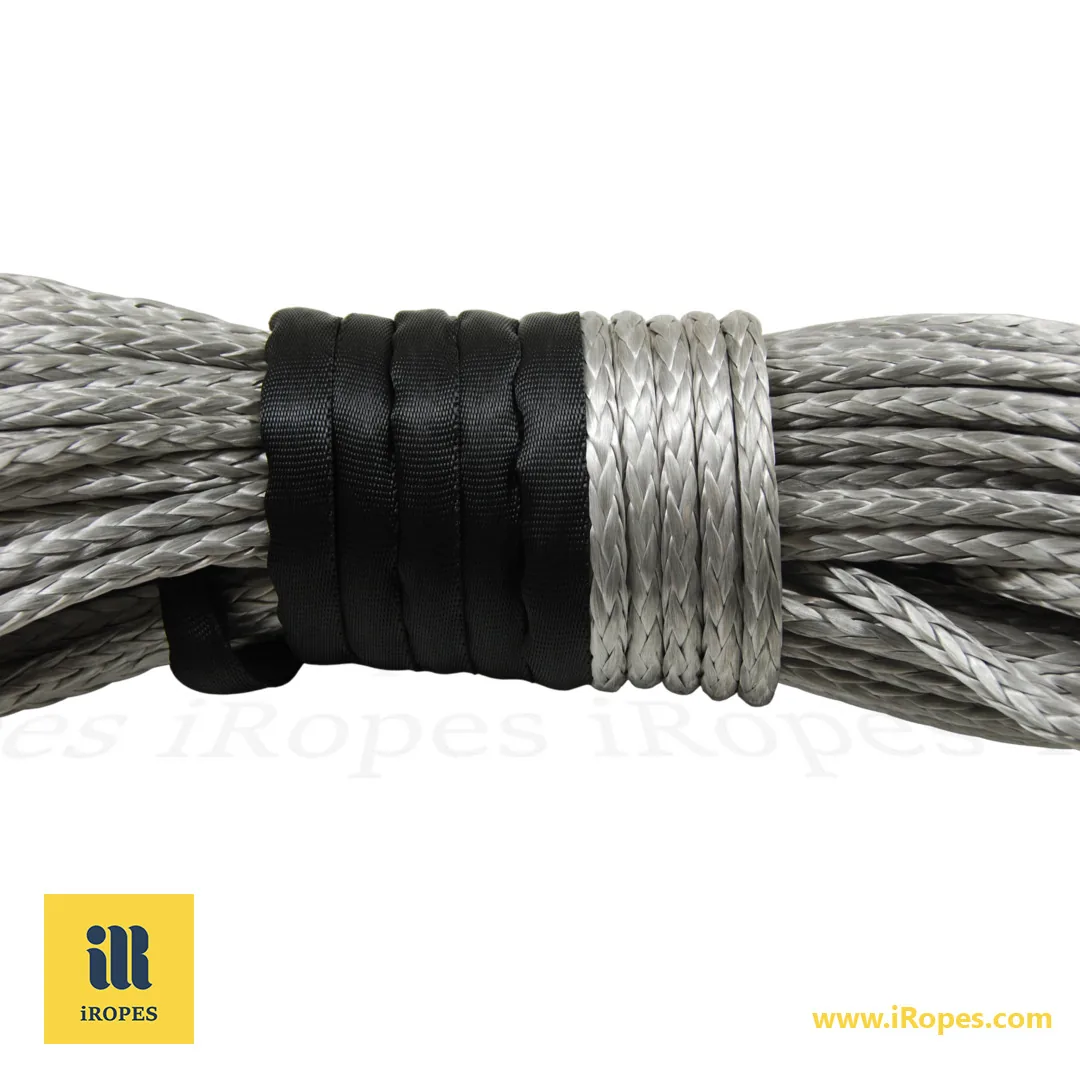
HMPE mooring ropes shatter expectations, boasting 15 times the strength of steel by weight while maintaining just 3-4% elongation for near-zero stretch—transforming offshore safety with unmatched stability in brutal marine conditions.
Unlock Marine Mastery in 7 Minutes →
- ✓ Gain 85% weight reduction over steel—slash handling injuries and crew requirements by up to 50% for efficient offshore operations.
- ✓ Master zero-stretch precision (3-4% elongation)—eliminate vessel drift risks, ensuring secure mooring for tankers and rigs in storm surges.
- ✓ Discover superior durability secrets—resist UV, abrasion, and chemicals for 2-3x longer lifespan, cutting replacement costs by 40%.
- ✓ Explore custom iRopes solutions—tailor diameters and accessories to your exact needs, backed by ISO 9001 for compliant, branded performance.
You've wrestled with heavy steel lines that snap unpredictably and stretch under pressure, haven't you? Yet HMPE ropes—15 times stronger and 85% lighter—flip that script. They deliver whisper-quiet stability where chaos normally reigns. But what hidden engineering twist allows them to defy ocean fury without a hint of compromise? And how can iRopes customise them to safeguard your operations like never before?
Understanding HMPE Mooring Ropes: Definition and Fundamentals
Imagine a material so tough it can handle the relentless pull of ocean waves on massive ships, yet so light it's easy to manoeuvre. That's the world of HMPE mooring ropes, where innovation meets the sea's unforgiving demands. At its core, HMPE stands for High Modulus Polyethylene, a high-performance synthetic fibre that's revolutionising how we secure vessels in harsh marine settings.
Often used interchangeably with UHMWPE—or Ultra-High Molecular Weight Polyethylene—HMPE is crafted through a unique gel-spinning process. This method dissolves polyethylene into a gel, extrudes it into thin fibres, and then carefully stretches them to align the molecules perfectly. The result? Fibres with extraordinary strength and uniformity, far beyond what traditional plastics can achieve.
You might wonder if this sounds familiar under another name. Is HMPE the same as Dyneema®? Not exactly. Dyneema® is a branded version of HMPE, developed by DSM Protective Materials as a proprietary ultra-high molecular weight polyethylene fibre. It's made via that same gel-spinning technique. While all Dyneema® is HMPE, not all HMPE carries the Dyneema® label. It's like comparing a generic sports car to a luxury model with exclusive features. This distinction matters in the industry, where generics like those from **iRopes** offer reliable performance without the premium pricing.
So, what exactly is HMPE mooring rope? It's a specialised line designed for high-stakes marine applications. It boasts an exceptional strength-to-weight ratio, making it up to 15 times stronger than steel on a pound-for-pound basis. Plus, it keeps elongation to a bare minimum—around 3-4% at break. This means it holds steady under load without stretching like a rubber band, providing the stability needed for anchoring tankers or offshore platforms. In demanding environments like commercial shipping or deep-sea operations, these ropes deliver reliability where failure simply isn't an option.

To put this in context, mooring ropes generally fall into three main types, each suited to different needs but evolving with technology. Traditional chain lines offer brute durability for shallow anchors, but they are cumbersome to handle. Wire ropes provide high tensile strength for heavy loads, yet they're heavy and prone to rust. Synthetic fibre ropes, like those made from HMPE, represent the cutting edge. They are lightweight, corrosion-resistant, and engineered for zero-stretch precision. iRopes positions HMPE as the go-to synthetic choice, blending these advantages to ensure vessels stay put even in turbulent waters.
Think about a busy harbour where every second counts—HMPE's fundamentals make all the difference in keeping operations smooth and safe. With this foundation, we can now explore the specific properties that set these ropes apart and give them an edge in tough conditions.
- Chain Mooring Lines - Heavy-duty metal links ideal for permanent anchors in calm, shallow areas, but cumbersome to handle on deck.
- Wire Mooring Lines - Steel cables with high breaking strength for dynamic loads, yet they corrode in saltwater and demand rigorous maintenance.
- Synthetic Fibre Lines - Flexible polymers like HMPE for versatile, low-weight performance, excelling in stability and ease of use offshore.
Superior Properties of HMPE Mooring Lines: Strength and Durability Secrets
Building on the basics of what makes HMPE mooring ropes tick, it's time to unpack the real magic—the properties that turn these lines into lifesavers on the open water. Picture a rope that doesn't just hold up but thrives under intense pressure, where every fibre is engineered to outlast and outperform. These aren't just everyday cords; they're the critical backbone for vessels battling storms and swells.
At the heart of their appeal lies an unmatched strength-to-weight ratio. HMPE mooring lines pack a punch that's 8 to 10 times greater than steel wire of the same weight, allowing crews to secure massive loads without the burden of extra heft. This means you can handle operations with fewer people and less strain, turning what could be a gruelling task into something manageable. And when it comes to staying put, their low elongation—typically just 3-4% at breaking load—delivers that zero-stretch stability crucial for unpredictable seas. There's no sagging or unexpected giving way; instead, you get precise control that keeps everything perfectly aligned.
Durability takes centre stage in environments that would chew up lesser materials. These lines shrug off UV rays that degrade ordinary synthetics over time. They resist abrasion from constant rubbing against rough surfaces and stand firm against chemicals like saltwater or oils that corrode metal alternatives. Fatigue from repeated bending and pulling? Minimal impact here, thanks to the resilient fibre structure. Even heat isn't a foe—with a melting point exceeding 144°C, they hold their form in scorching engine rooms or sun-baked decks. Buoyancy adds another layer of practicality; their specific gravity below 1.0 means they float, simplifying retrieval and reducing drag during use.
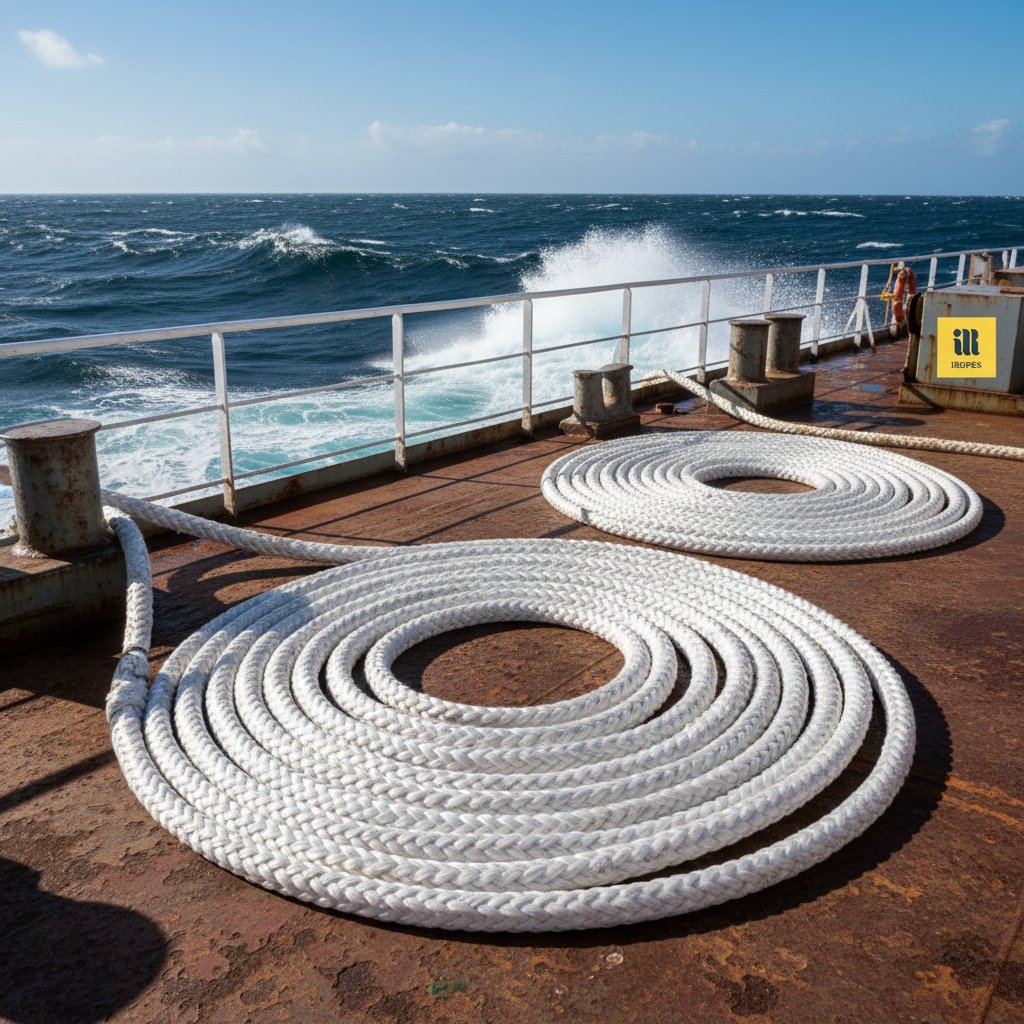
Safety isn't an afterthought either. The hydrophobic nature means no water absorption, preserving full strength whether wet or dry. A linear break pattern further cuts risks—unlike steel's violent snap-back, HMPE fails predictably, giving crews precious seconds to react. So, what are the key benefits of using HMPE rope? They boil down to enhanced protection, easier handling that significantly reduces injury rates, and unwavering reliability that boosts overall efficiency on board.
HMPE Strengths
Core Performance Edges
8-10x Steel Power
Delivers superior tensile force without added mass, ideal for heavy mooring.
Multi-Resistance
Defies UV, chemicals, and wear for extended service in harsh seas.
Safety First
Linear failure and lightness minimise hazards during operations.
Vs. Steel Wire
Clear Advantages
85% Lighter
Matches or exceeds strength while cutting weight dramatically.
Equal Breaking Load
Handles same tensions without rust or heavy maintenance needs.
Longer Life
Resists environmental damage, lowering replacement frequency.
Stacking up against steel wire, how strong are Dyneema® mooring ropes compared to steel wire? They offer equivalent or even better breaking strength while being up to 85% lighter. This eliminates the back-breaking lifts and corrosion headaches that plague metal lines. Such a shift not only streamlines workflows but also opens doors to broader uses in dynamic marine settings, where every advantage contributes to smoother sailing.
Versatile Applications of Offshore Rope in Demanding Marine Environments
Those standout properties we just explored—lightweight power and unyielding durability—don't stay on paper; they come alive in the rough-and-tumble world of marine operations. Think about it: when a storm hits and waves crash like hammers, you need gear that doesn't just survive but keeps everything steady. That's where HMPE mooring lines step in, proving their worth across a spectrum of high-stakes scenarios. From bustling ports to remote ocean platforms, these ropes handle the chaos with precision in commercial marine environments, making them a staple for professionals who can't afford slip-ups.
In commercial shipping, HMPE offshore rope shines brightest when securing giants like LNG carriers, VLCCs, and tankers. Picture a massive tanker easing into dock amid high winds—those lines must grip firmly, absorbing shocks without stretching or fraying. Their minimal elongation ensures vessels hold position rock-steady, cutting the risk of drift that could spell disaster. Crews rely on this stability for quick, safe berthing, turning what might be a tense ordeal into routine efficiency. And since buoyancy keeps them afloat, retrieval after use is straightforward, with no diving required. To find the ideal fit for these scenarios, discover the best marine mooring rope options tailored for superior performance.
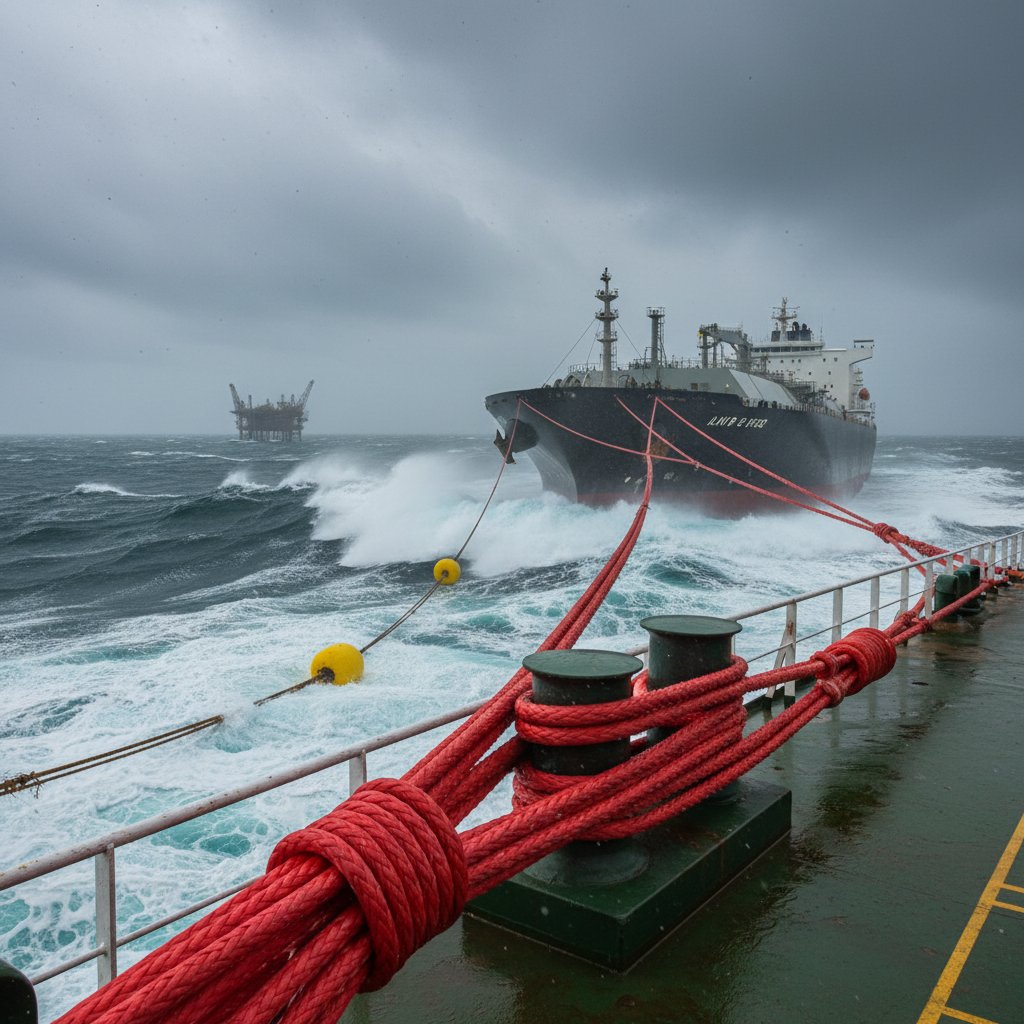
Beyond ports, offshore operations demand even more from these materials. Deepwater rigs, floating wind turbines, and tugboat towing push HMPE to its limits in heavy-duty tasks. For instance, on a floating offshore wind turbine, the ropes anchor massive structures against constant tidal pull, their high fatigue resistance preventing wear from endless cycles. Tugboats use them for precise towing in salvage operations or repositioning platforms, where the ropes' strength handles loads that would snap lesser lines. So, what is HMPE rope used for in these setups? It's the go-to for anything requiring reliable tension without added weight—think guiding a rig through swells or stabilising a turbine in gales.
One of the smartest shifts in the industry is swapping out old wire ropes for HMPE in lifting and salvage work. Traditional wires are tough but cumbersome, leading to strained backs and corrosion woes. HMPE versions slash that hassle, offering equal pull power at a fraction of the mass, ideal for crane lifts or emergency recoveries at sea. Even in yachting and fishing, where loads are lighter but conditions no less fierce, these ropes provide responsive control—say, hauling anchors from rocky bottoms or securing sails in rough chops without the drag of heavier options.
Shipping Mooring
Secures LNG and tankers with zero-stretch grip for stable docking in ports worldwide.
Wind Turbine Anchoring
Anchors floating structures against tidal forces, ensuring long-term energy reliability.
Towing and Salvage
Powers tugboats in heavy pulls, replacing wires for lighter, safer rescues at sea.
Yachting and Fishing
Handles anchors and lines with responsive strength for recreational marine adventures.
At iRopes, we take this versatility further with tailored solutions that fit your exact needs. Custom diameters—from slim for yachts to hefty for rigs—pair with accessories like thimbles or protective sleeves to boost performance. Whether you're outfitting a fleet or a single platform, our team crafts offshore ropes that align with your setup, drawing on years of precision work to deliver what works best in the field.
These real-world roles show how HMPE mooring ropes adapt to whatever the sea throws at them. However, stacking them against older options reveals even clearer edges in everyday reliability.
Customisation, Safety, and Advantages of iRopes HMPE Solutions
We've seen how HMPE mooring lines hold their own in the toughest marine spots, from stormy docks to deep-sea rigs. But what truly sets them apart isn't just the base material—it's how you can shape them to fit your exact operation. At iRopes, that's where our OEM and ODM services come in, turning standard ropes into bespoke tools that match your specific workflow. To dive deeper into this expertise, explore high molecular weight plastic ropes manufacturer insights from iRopes, highlighting ultra-strong, ISO-certified UHMWPE options with fast customization and global delivery. Ever dealt with a mooring setup where off-the-shelf options just don't cut it? Our process starts with picking the right material blends for your load and environment, then builds from there with 12-strand braided construction that's rotation-free and packs maximum strength into every twist.
Take protective covers, for example—we add polyester or HMPE layers right where abrasion hits hardest, like at eyes or splices, to shield against deck chafing or rocky contacts. And it's all backed by our ISO 9001 certification, ensuring every custom run meets global standards for breaking loads and fatigue life. You tell us the diameter, length, or even add-ons like thimbles and loops, and we craft it with precision in our facilities. This isn't mass production; it's a true partnership, where your specifications drive the design to boost safety and cut downtime on the water.

Now, how does HMPE rope compare to traditional nylon or polyester ropes? Those older synthetics absorb water like sponges, often losing up to 20% strength when wet. They also stretch far more under tension—nylon can hit 25-30% elongation, turning a secure tie into a wobbly mess during surges. In contrast, HMPE stays dry and rigid, with no absorption to weaken it over time. It lasts two to three times longer in salty conditions thanks to better resistance against chafe and sun. It's not just tougher; it handles dynamic loads without the creep that plagues nylon in long-term mooring.
Safety ties directly into this advantage. Lighter weight means crews spend less time heaving heavy coils, significantly reducing the chance of strains or falls—imagine swapping a 100kg steel line for one a tenth the mass. For maintenance, check regularly for fuzzy spots or uneven braids after each use. Store them coiled loosely in a shaded, dry spot to fend off any lingering grit. Linear breaks give a gradual warning, unlike the whip of failing nylon, and our designs follow OCIMF guidelines to minimise those snap-back zones. All this feeds into the total cost of ownership: fewer replacements, simpler upkeep, and even fuel savings from less drag on tugs.
Key Safety Checks
Inspect ends for frays weekly, rinse off salt after exposure, and rotate stock to even wear—simple steps that extend life and keep operations smooth.
Environmentally, HMPE cuts waste since it endures longer than disposables, and our hydrophobic fibres mean no leaching issues in spills. iRopes seals the deal with full IP protection for your designs—no leaks on proprietary patterns—plus swift shipping of pallet loads straight to your yard in places like the US or Europe. For wholesale buyers chasing reliability, this means gear that arrives on time, ready to tackle the next shift without surprises.
HMPE mooring ropes revolutionise marine operations with their 15-times steel strength-to-weight ratio and zero-stretch stability, ensuring vessels like LNG carriers and VLCCs stay securely positioned amid turbulent seas. These high-modulus polyethylene lines excel in offshore rope applications, from anchoring deepwater rigs and floating wind turbines to towing with tugboats. They offer unmatched durability against UV, abrasion, and chemicals while significantly reducing handling risks through lightness and buoyancy. iRopes' custom OEM/ODM solutions, complete with protective covers and certifications, outperform traditional nylon or polyester, delivering longer life and cost savings for demanding environments.
Handling these versatile HMPE mooring lines requires simple inspections and proper storage to maintain their superior performance, empowering safer, more efficient workflows across commercial shipping and offshore sectors. For tailored advice on integrating these innovations into your setup, explore personalised options below.
Customise Your HMPE Mooring Needs with iRopes Experts
If you're ready to elevate your marine operations with bespoke HMPE solutions, use the inquiry form above to connect with iRopes' specialists. They'll guide you through custom designs, ensuring your ropes align perfectly with your requirements for strength, safety, and efficiency.